Best Crushed Stone Size for Foundation Complete Guide for 2026
Published on: January 2, 2026
Get an estimate for your project in 60 seconds

Planning a foundation? The right crushed stone size makes the difference between a stable structure and costly repairs down the road. Most residential foundations perform best with 3/4-inch crushed stone, while commercial projects often require larger sizes based on load requirements.
Quick Answer: For standard residential foundations, 3/4-inch (#57) crushed stone provides optimal stability and drainage. Heavy commercial structures may need 1-2 inch stones, while lighter applications can use 3/8-inch material.
Your foundation’s long-term stability depends heavily on the crushed stone base you choose. The wrong size can lead to settling, drainage problems, or structural instability. This guide walks you through selecting the perfect stone size based on your specific project needs, soil conditions, and building requirements.
Understanding crushed stone for foundations
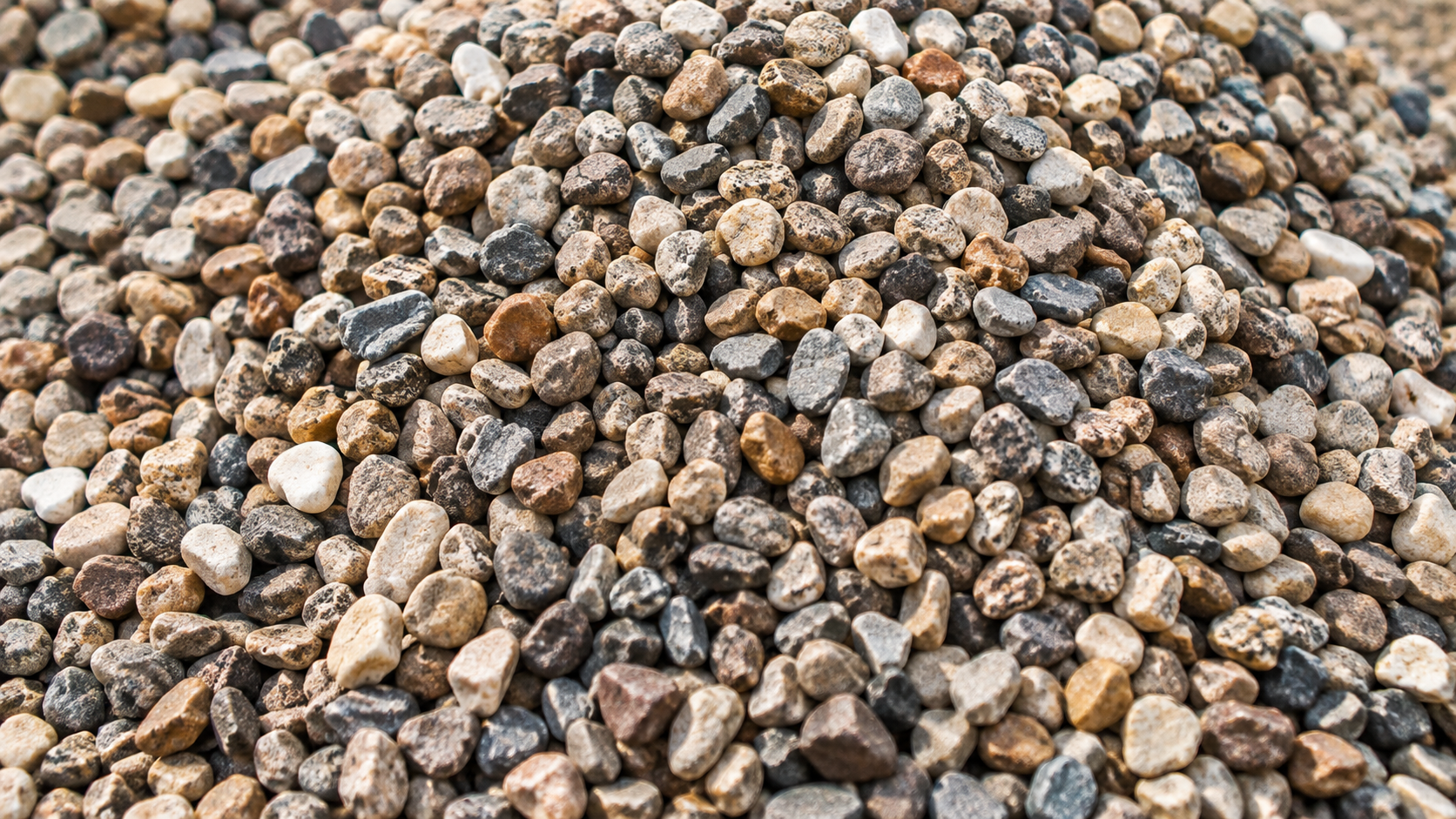
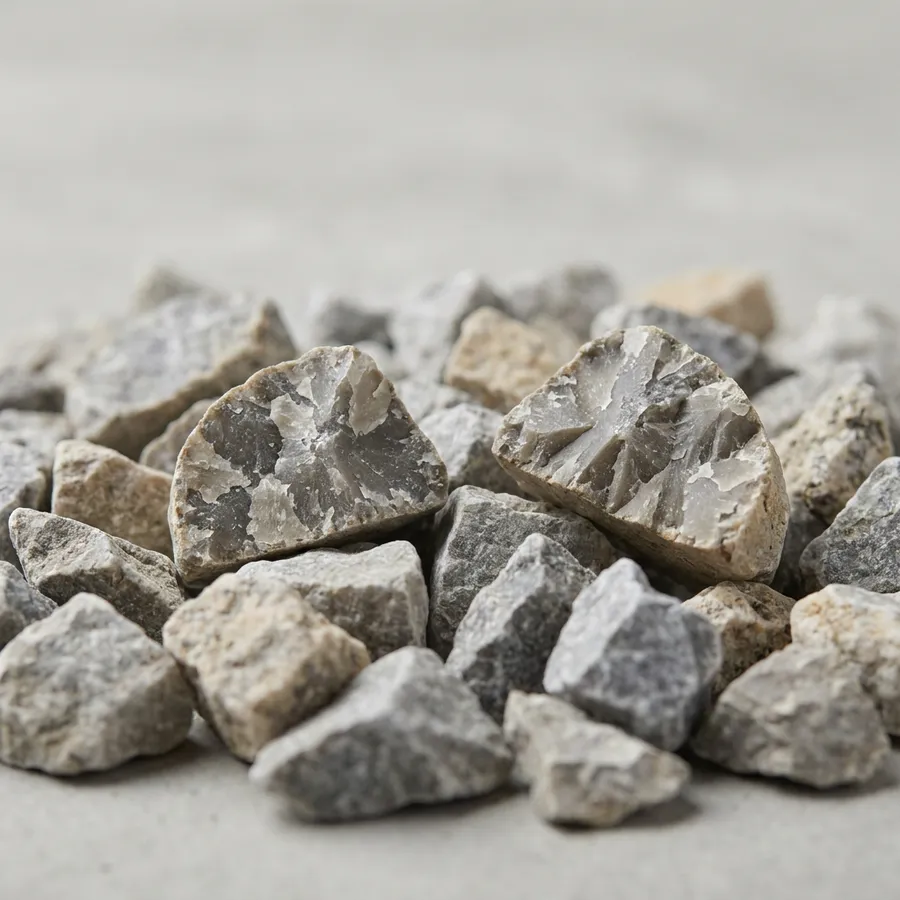
Crushed stone forms the backbone of any solid foundation. Unlike rounded gravel, crushed stone features angular edges that interlock when compacted, creating a stable base that distributes weight evenly across the foundation area.
The crushing process breaks down larger rocks like limestone, granite, or trap rock into uniform fragments. These angular pieces pack tightly together, forming a dense, load-bearing surface that prevents settling and provides excellent drainage.
When water flows through the gaps between stones, it prevents pooling around your foundation. This drainage capability protects against frost heave in cold climates and reduces hydrostatic pressure that can damage foundation walls. The interlocking nature of crushed stone also helps transfer loads from your structure to the underlying soil more effectively than smooth materials.
Key factors that determine stone size selection
Foundation type and purpose
Your foundation type directly influences the crushed stone size you need. Slab foundations for garages or sheds typically work well with 3/8-inch to 3/4-inch stone, providing adequate support without over-engineering the base.
Basement foundations and footings require larger stones, usually 3/4-inch to 1-inch, to handle the increased load from multiple stories. The deeper excavation also benefits from better drainage that larger stones provide.
Commercial foundations often demand 1-2 inch crushed stone to support heavy equipment, multiple floors, or concentrated loads. The larger size creates more void space for drainage while maintaining the structural integrity needed for substantial buildings.
Soil conditions and drainage needs
Clay soils present unique challenges for foundation drainage. These dense soils retain water and can expand when wet, potentially damaging foundations. Larger crushed stones (3/4-inch to 1-inch) create better drainage channels through clay, preventing water accumulation.
Sandy soils drain naturally but may lack stability. Medium-sized stones (1/2-inch to 3/4-inch) provide the right balance of drainage and compaction for sandy conditions. The stones fill voids in the sand while maintaining permeability.
Rocky or well-draining soils allow for smaller stone sizes since drainage isn’t a primary concern. In these conditions, you can focus on load-bearing capacity rather than water management. For comprehensive guidance on selecting materials based on soil type, check out our guide to aggregate base for foundations.

Building weight and load requirements
The weight of your structure determines how much support your crushed stone base must provide. Single-story residential buildings typically require 4-6 inches of 3/4-inch crushed stone for adequate load distribution.
Multi-story buildings need thicker bases with larger stones. A two-story home might require 6-8 inches of 3/4-inch to 1-inch stone, while commercial buildings often need 8-12 inches of 1-2 inch material.
Consider future loads as well. If you plan to add a second story later, size your foundation base accordingly from the start. It’s much easier to over-engineer initially than to retrofit later.
Pro Tip: Calculate your building’s total weight including live loads (furniture, people, snow) and dead loads (structure, materials) to determine proper stone sizing. A structural engineer can help with complex calculations.
Common crushed stone sizes and their applications
| Stone Size | Best Uses | Drainage | Compaction |
|---|---|---|---|
| 3/8 inch | Light foundations, patios | Good | Excellent |
| 3/4 inch (#57) | Residential foundations | Excellent | Very Good |
| 1-2 inch | Commercial foundations | Very Good | Good |
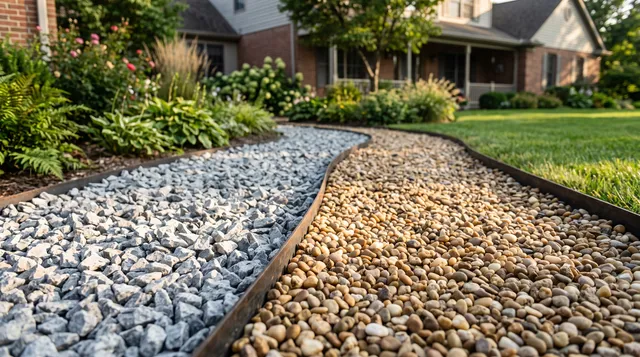
Fine crushed stone (3/8 inch) works well for lighter applications like shed foundations, walkways, and patio bases. The smaller size compacts extremely well, creating a smooth, stable surface. However, it may not provide adequate drainage for larger foundations or areas with poor soil drainage. For patio projects specifically, learn more about optimal gravel sizes for patios.
Medium crushed stone (3/4 inch) represents the sweet spot for most residential foundations. This size, often called #57 stone, balances excellent drainage with good compaction properties. It’s large enough to create drainage channels but small enough to compact into a stable base.
Large crushed stone (1-2 inch) handles heavy-duty applications like commercial foundations, roadways, and industrial sites. While it provides excellent drainage and load-bearing capacity, it requires more careful installation to achieve proper compaction. Understanding different types of gravel for construction can help you make the best choice for your specific needs.
How to choose the right size for your project
Start by assessing your specific project requirements. Consider the building size, soil conditions, local climate, and intended use. A small garden shed on well-draining soil needs far less support than a multi-car garage on clay soil.
Consult your local building codes for minimum requirements. Many areas specify crushed stone sizes and depths for different foundation types. These codes reflect local soil conditions and climate factors that affect foundation performance.
Test your soil drainage by digging a hole 12 inches deep and filling it with water. If water remains after 24 hours, you likely have drainage issues that require larger stone sizes or additional drainage measures. For comprehensive drainage solutions, explore our guide to the best gravel for drainage.
When in doubt, err on the side of larger stones and thicker bases. The additional cost is minimal compared to foundation repairs later. A properly sized crushed stone base typically lasts the lifetime of your structure with minimal maintenance.
Important: For complex projects or poor soil conditions, consult a structural engineer or geotechnical specialist. Their expertise can save you from costly mistakes and ensure your foundation meets all safety requirements.

Professional installation ensures proper compaction and grading. The stone base should be level, properly compacted in lifts, and sloped away from the foundation for drainage. Poor installation can negate the benefits of choosing the correct stone size. If you’re working on a shed foundation, our detailed guide on gravel size for shed foundations provides specific recommendations.
Selecting the right crushed stone size sets the foundation for your project’s long-term success. By matching stone size to your soil conditions, building requirements, and drainage needs, you create a stable base that protects your investment for decades. When you’re ready to move forward, hellogravel.com provides quality crushed stone materials delivered directly to your project site.
FAQ
What is the best crushed stone size for a residential foundation?
How does soil type affect crushed stone size selection?
What’s the difference between #57 and larger crushed stone for foundations?
How thick should a crushed stone foundation base be?
Author: