
Best Stone for Driveway Base Complete Guide to Choosing the Right Material
Guide handoff
Want help applying this guide to your project?
Share your ZIP and what you need help with. We'll use this guide as context when we follow up.
- 1 This guide gives us the context you were reading.
- 2 Ask about pricing, material choice, delivery timing, or quantity.
- 3 Keep it broad if you are still figuring out the project.
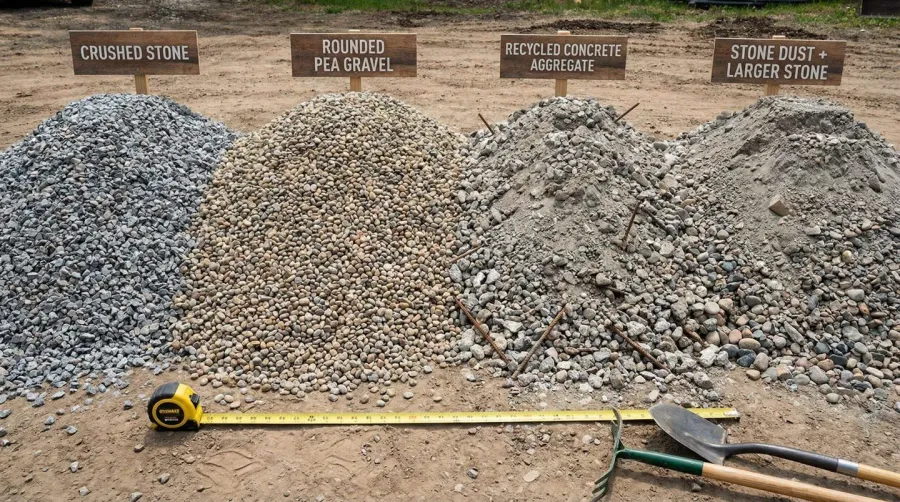
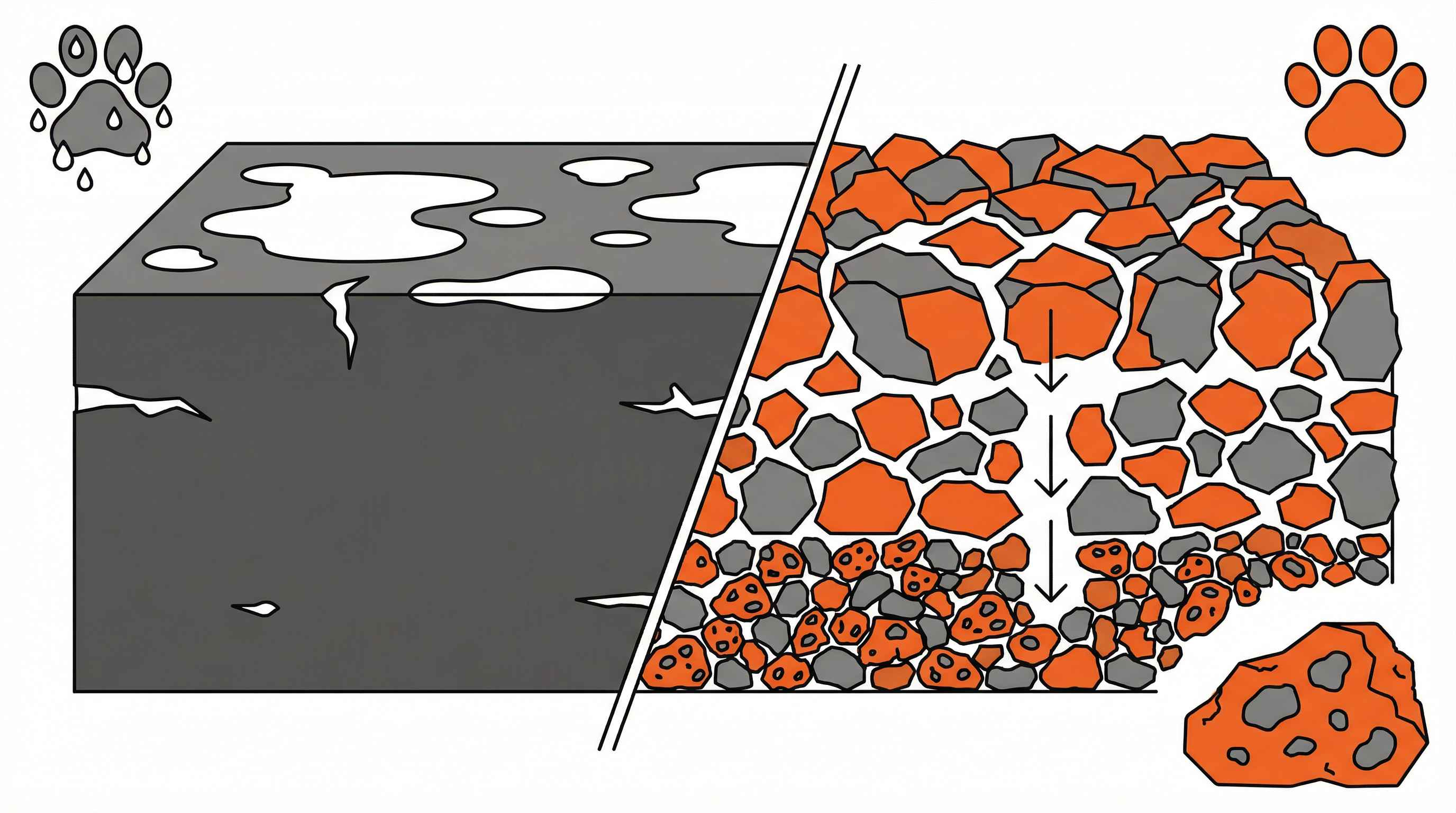
Choosing the right stone for your driveway base can make the difference between a driveway that lasts decades and one that develops cracks within a few years. The foundation you build today determines how well your driveway handles vehicle weight, weather changes, and daily wear. Most successful driveways use either crushed stone or gravel as their base material, with crushed stone offering superior stability and gravel providing excellent drainage at a lower cost.
Quick Answer: Crushed stone is typically the best choice for driveway bases due to its superior compaction and stability, while gravel works well for budget-conscious projects with good drainage needs.
Your driveway base serves as the critical foundation that distributes vehicle weight evenly and prevents surface cracking. Without proper base material, even the best surface layer will fail prematurely. This guide walks you through the essential stone types, their specific benefits, and how to choose based on your unique situation.
Understanding driveway base fundamentals
Your driveway base acts like the foundation of a house. It needs to handle thousands of pounds of vehicle weight while allowing water to drain properly. Think of it as a shock absorber that spreads the load from your car’s tires across a wider area, preventing the surface from sinking or cracking.
The base typically sits between your prepared soil and the final surface layer. Most bases range from 4 to 8 inches thick, depending on your soil type and expected traffic. Clay soils need thicker bases because they shift more during freeze-thaw cycles, while sandy soils often work well with thinner applications.
Proper compaction makes all the difference in base performance. When stone particles lock together tightly, they create a stable platform that won’t shift under pressure. This is why simply dumping gravel isn’t enough – you need mechanical compaction to achieve the density required for long-term stability. Understanding the best gravel for compacting helps ensure you achieve optimal results.
Stone types and their characteristics
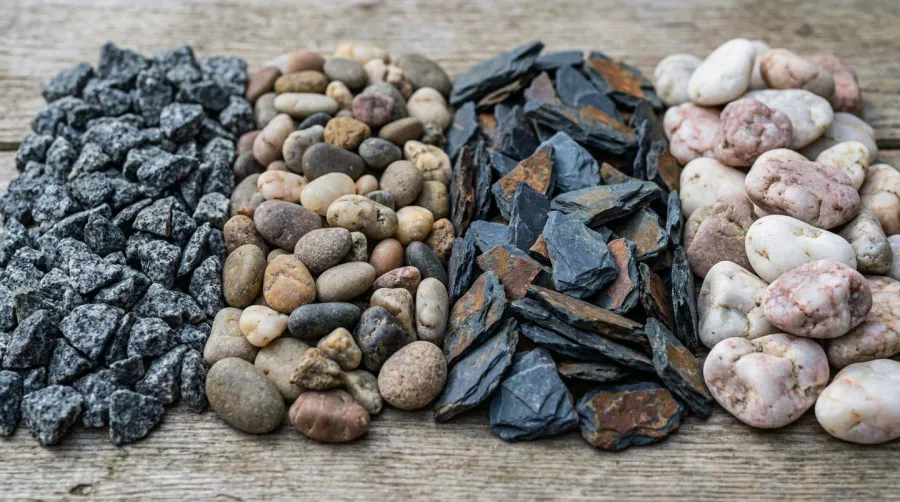
Crushed stone stands out as the premium choice for most driveway projects. Made by mechanically crushing larger rocks, it creates angular pieces that interlock when compacted. These sharp edges grab onto each other, forming a solid mass that resists movement. The angular shape also creates small air pockets that allow water to drain through while maintaining structural integrity.
Gravel offers a more budget-friendly option that works well in many situations. Natural gravel has rounded edges from water erosion, making it less likely to lock together as tightly as crushed stone. However, this same characteristic makes it easier to work with and provides excellent drainage. Many contractors prefer gravel for areas with heavy rainfall or where cost is a primary concern. For specific applications, you might want to explore what is the best gravel size for a foundation.
Recycled concrete has gained popularity as an environmentally conscious choice. When old concrete structures are demolished, the material gets crushed and screened to create a base material with excellent compaction properties. It often costs less than virgin stone while providing similar performance characteristics. Learn more about what is the best crushed concrete size for a driveway to optimize your project.
Pro Tip: Angular materials like crushed stone compact 15-20% better than rounded gravel, creating a more stable base that requires less maintenance over time.
Quarry process combines the benefits of different materials by mixing crushed stone with stone dust. This creates a material that compacts extremely well while still allowing adequate drainage. The stone dust fills gaps between larger pieces, creating a very dense and stable base layer. For those interested in this option, using quarry process for driveway paving projects provides detailed guidance.
Choosing based on your specific needs
Your local climate plays a huge role in material selection. Areas with frequent freeze-thaw cycles need materials that can handle expansion and contraction without losing stability. Crushed stone excels here because its angular pieces maintain their grip even when the ground shifts slightly.
Soil conditions underneath your driveway also influence your choice. Clay soils hold water and expand when wet, creating pressure that can crack your driveway surface. These conditions call for excellent drainage, making gravel or well-draining crushed stone essential. Sandy soils drain naturally, so you can focus more on stability and choose materials based on traffic needs.
| Material | Best For | Drainage | Stability | Cost |
|---|---|---|---|---|
| Crushed Stone | Heavy traffic, stability | Good | Excellent | Higher |
| Gravel | Budget projects, drainage | Excellent | Good | Lower |
| Recycled Concrete | Eco-friendly, balanced needs | Good | Very Good | Moderate |
Your budget affects material choice, but remember that spending more upfront often saves money long-term. Crushed stone costs more initially but typically requires less maintenance and lasts longer than cheaper alternatives. Calculate the total cost over 10-15 years rather than just the installation price.
Traffic patterns matter too. A driveway that sees daily use from multiple vehicles needs maximum stability, pointing toward crushed stone or quarry process. Weekend cabin driveways with light use can often work well with gravel, especially if drainage is more important than absolute stability. Consider reviewing the best size rock for driveway to match your specific traffic requirements.
Installation and maintenance essentials
Proper installation starts with excavation to the right depth. Most situations require removing 8-12 inches of soil to accommodate both base material and surface layer. The excavated area needs proper grading to direct water away from the driveway and surrounding structures.
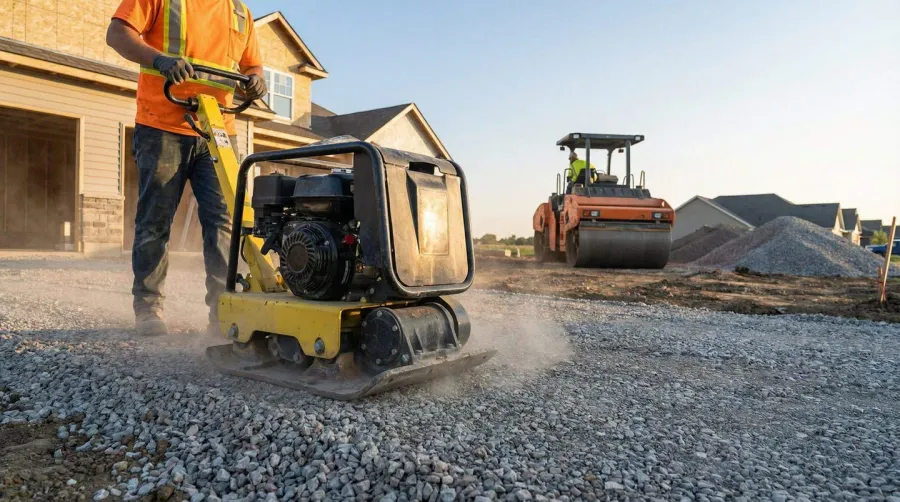
Compaction happens in layers, not all at once. Spread your chosen material in 2-3 inch lifts, then compact each layer before adding the next. This approach ensures uniform density throughout the base thickness. Rent a plate compactor for smaller driveways or a roller for larger projects.
Installation Tip: Compact base materials when they contain 8-10% moisture for optimal density – slightly damp but not soaking wet.
Regular maintenance keeps your base performing well for decades. Remove debris that blocks drainage, fill any surface cracks promptly, and add fresh material to areas that show settling. Most bases need minor touch-ups every 3-5 years and more significant maintenance every 10-15 years.
Watch for warning signs like standing water, surface cracks, or areas that feel soft underfoot. These indicate base problems that need attention before they worsen. Early intervention costs much less than complete reconstruction. For ongoing care tips, check out our comprehensive maintenance guide.
The foundation you choose today shapes your driveway’s performance for years to come. Whether you prioritize maximum stability with crushed stone or excellent drainage with gravel, proper installation and regular maintenance ensure you get the most from your investment. Take time to evaluate your specific conditions – soil type, climate, traffic, and budget – then choose the material that best matches your needs for a driveway that serves you well into the future.
FAQ
What is the best stone for a driveway base?
Crushed stone is the best choice for driveway bases due to its angular edges that interlock when compacted, providing superior stability and load-bearing capacity. The angular pieces create a solid foundation that resists shifting under vehicle weight, making it ideal for both gravel and paved driveways. A 4-6 inch thick layer of compacted crushed stone will provide excellent performance for most residential applications.
How thick should a driveway base be?
Most residential driveways require a 4-6 inch thick compacted base layer, while areas with heavy traffic or poor soil conditions may need 6-8 inches. The base should be installed in 2-3 inch lifts, with each layer properly compacted before adding the next. Clay soils typically require thicker bases due to their tendency to shift during freeze-thaw cycles.
What’s the difference between crushed stone and gravel for driveways?
Crushed stone has angular edges that lock together when compacted, providing superior stability and requiring less maintenance over time. Gravel has rounded edges from natural erosion, making it less stable but offering excellent drainage and lower upfront costs. While crushed stone costs 15-25% more initially, it typically lasts longer and needs fewer repairs, making it more cost-effective long-term.
Can I use recycled concrete for my driveway base?
Yes, recycled concrete makes an excellent eco-friendly base material that costs 20-30% less than virgin stone while providing similar compaction and stability properties. When old concrete is properly crushed and screened, it creates angular pieces that interlock well and offer good drainage. It’s particularly suitable for residential driveways with light to moderate traffic loads.