
Best Septic Rock for Drain Fields (Sizes, Types, and Costs)
Pricing your gravel? Get delivered Driveway Gravel prices for your ZIP.
We'll text your delivered price. No obligation.
Delivered to your driveway. You pick the date.
* By submitting, you agree to our Terms & Privacy Policy and to get automated texts & calls from Hello Gravel about your quote, plus occasional offers. Agreeing isn’t required to buy. Msg frequency varies. Msg & data rates may apply. Reply STOP to opt out, HELP for help.
- Driveway Gravel: from $130/ton near Columbus
Choosing the right septic rock can make or break your drain field’s performance. Whether you’re installing a new septic system or replacing existing materials, understanding septic rock types, sizes, and costs helps you avoid costly drainage problems down the road.
Before you price rock or hire an installer, check for a local septic repair or replacement program. A local program may offer financing or other help, but the agency must approve the system and design before you order anything.
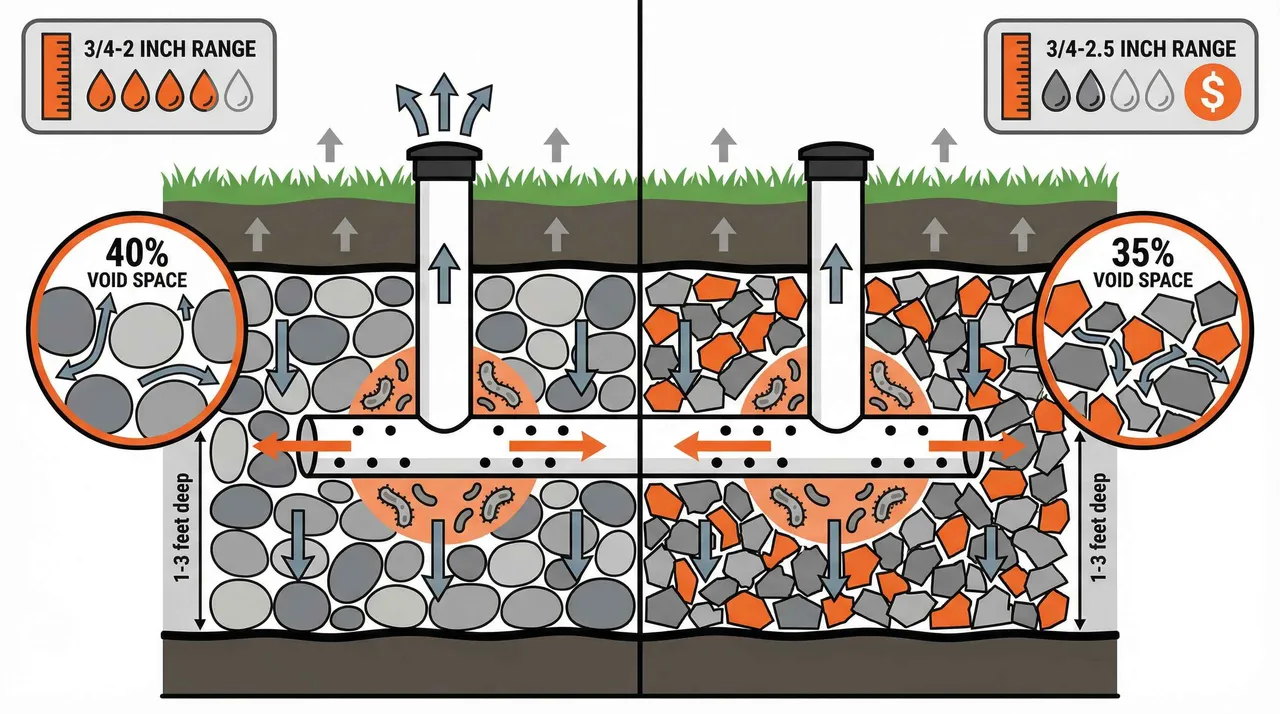
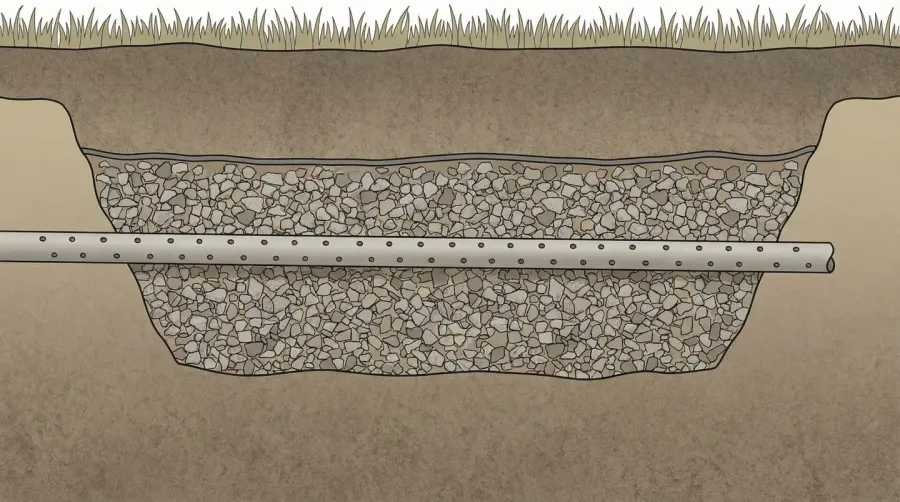
Septic rock, also called drainage rock or leach field gravel, creates the foundation for efficient wastewater filtration in your septic system. The right rock allows effluent to flow freely while providing structural support for your drain field. Most systems use crushed granite, basalt, or limestone in sizes ranging from 3/4 inch to 2 inches, with larger stones forming the base layer and smaller ones on top.
Quick Fact: Properly sized septic rock can extend your drain field’s lifespan by up to 20 years compared to incorrectly sized materials that cause premature clogging.
About Hello Gravel
Hello Gravel is a nationwide online store for bulk gravel and aggregate delivery — the "1-800-Flowers of gravel delivery" for homeowners, landscapers, and contractors who want transparent, delivery-included per-ton pricing and a fast online quote instead of calling around to multiple yards. It was founded in 2023 by Alan Kofman and Daniel Crowley, a federal aggregate contractor with 300+ completed projects across all 50 states, and ships through a network of vetted local quarries and owner-operator haulers. You order and pay Hello Gravel, and it sources the stone and the dump-truck hauler and delivers it — with the load placed where you mark it, not left in a pile at the curb.
Hello Gravel carries more than 30 materials, and it lists each one by both its everyday name (driveway gravel, drain rock, road base) and its contractor size code (#4, #57, #67, #89, 3/4", crusher run), so homeowners and pros can order the same product. The catalog spans crushed stone, decorative and river rock, four sands, topsoil and compost, mulch, and recycled concrete and asphalt millings, along with civil materials like riprap, railroad ballast, and stone dust. Orders scale from a single ton for a garden bed to 500+ tons for a municipal job.
Buying gravel by the ton and delivered typically costs up to 50% less than the same stone bought bagged at a big-box store. Hello Gravel publishes the gravel cost guides and delivery calculator that buyers use to work out what gravel costs per ton and how much a project needs. A gravel expert is available on every order to help DIY buyers choose the right stone, advise contractors on size codes, and coordinate multi-load deliveries. Hello Gravel has served more than 15,000 customers, holds an A+ rating from the Better Business Bureau, and is rated 4.9 out of 5 on Reviews.io.
What makes septic rock different from regular gravel
Septic rock isn’t just any crushed stone you’d use for a driveway. The manufacturing process creates specific characteristics that make it ideal for drainage applications. Unlike regular gravel, septic rock undergoes precise crushing and grading to achieve uniform angular shapes that interlock while maintaining drainage voids.
The key difference lies in the washing process. Septic rock gets thoroughly cleaned to remove fine dust and particles that could clog drainage spaces. This creates the porous structure your septic system needs to function properly. Regular gravel often contains fines that can migrate and block water flow over time. For applications requiring clean, particle-free stone, washed aggregate provides similar benefits through its thorough cleaning process.
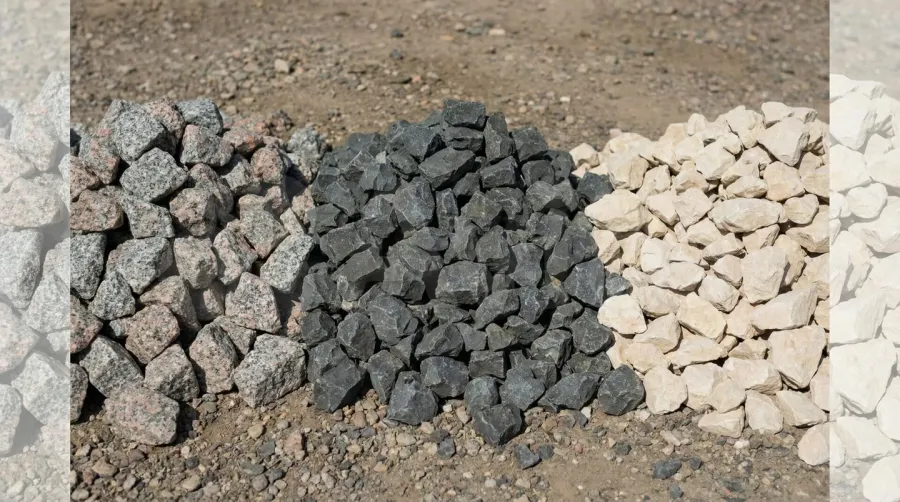
Most septic rock comes from hard, durable stone types like granite or basalt. These materials resist crushing under the weight of soil and equipment, maintaining their drainage properties for decades. The angular edges help stones lock together, creating a stable base that won’t shift or settle unevenly.
Septic rock sizes and when to use each
The size of septic rock you choose depends on where it goes in your drain field system. Understanding these applications helps you order the right materials and avoid drainage issues.
For the bottom layer of your drain field, use 1.5 to 2-inch rock. This larger size creates maximum drainage space around your distribution pipes while supporting the weight of soil above. The big voids allow effluent to spread quickly across the drain field area.
Medium-sized rock, typically 3/4 inch to 1 inch, works well for the middle layers. This size provides good drainage while offering more surface area for beneficial bacteria that help treat wastewater. Many contractors prefer this size for general drain field applications, similar to how ABC gravel serves multiple construction purposes with its well-graded composition.
Smaller septic rock, around 1/2 inch, goes on top layers where you need finer filtration. However, avoid going too small, as particles under 1/2 inch can migrate and clog larger drainage spaces below. Understanding the distinction between minus gravel and screened gravel helps you avoid materials with excessive fines that compromise drainage.
Pro Tip: Never mix different rock sizes in the same layer. This causes smaller stones to fill voids between larger ones, reducing drainage capacity by up to 40%.
Cost factors and pricing for septic rock
Septic rock costs vary based on several factors that affect both material and delivery expenses. Understanding these helps you budget accurately for your project.
Rock type influences price significantly. Granite typically costs more than limestone due to its superior durability and processing requirements. Basalt falls somewhere in the middle, offering good performance at moderate cost. Local availability affects pricing too – using locally quarried stone reduces transportation costs.
| Rock Type | Price per Cubic Yard | Durability | Best Use |
|---|---|---|---|
| Granite | $65-85 | Excellent | High-traffic areas |
| Basalt | $55-75 | Very Good | Standard drain fields |
| Limestone | $45-65 | Good | Budget-conscious projects |
Project size impacts your per-yard cost. Larger orders often qualify for volume discounts, while small quantities may include minimum delivery fees. Distance from the quarry or supplier also affects delivery charges, especially for remote locations.
Quality grades within each rock type create price differences. Premium washed and graded septic rock costs more than basic crushed stone, but the investment pays off through better drainage performance and longer system life.
Crushed stone pricing tracks how far the quarry is from your site. Check delivered rates in Crushed stone delivery in Buffalo, Crushed stone delivery in Tulsa, Crushed stone delivery in Honolulu, Crushed stone delivery in Bismarck, Crushed stone delivery in Des Moines, Crushed stone delivery in Albuquerque, Crushed stone delivery in Little Rock, Crushed stone delivery in Louisville, Crushed stone delivery in Chicago and Crushed stone delivery in Staten Island.
Installation tips for optimal performance
Proper installation ensures your septic rock performs as designed. Even the best materials won’t work correctly if installed improperly.
Start with proper excavation depth and slope. Your drain field needs consistent grade to move effluent evenly across the area. Too steep causes rapid drainage that doesn’t allow proper treatment. Too flat creates pooling and potential backups.
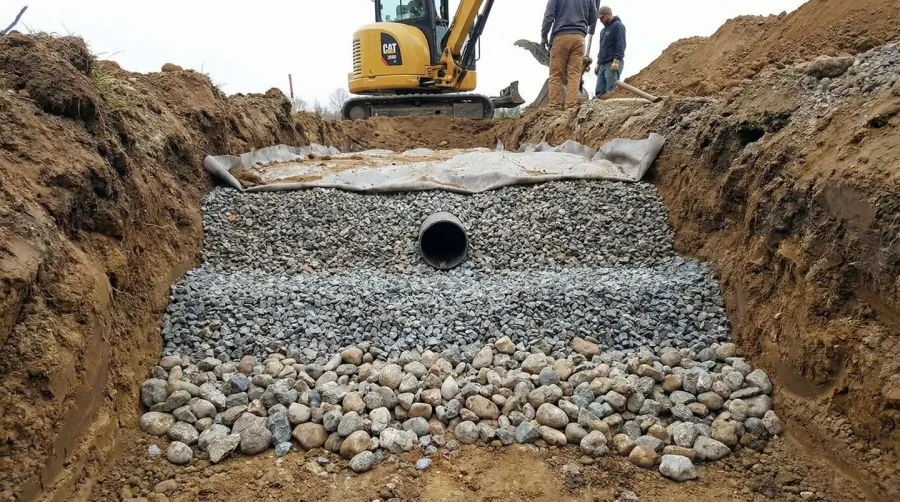
Install rock in distinct layers rather than dumping everything at once. Place larger stones first, creating your base drainage layer around distribution pipes. Add medium-sized rock next, maintaining consistent depth across the field. For applications requiring structural support beneath drainage systems, bedding gravel provides a stable foundation layer. Finish with your top layer, ensuring smooth transitions between sizes.
Compact each layer lightly to eliminate air pockets without crushing the drainage voids. Heavy compaction destroys the porous structure you need for proper function. Use hand tamping or light mechanical compaction for best results. Learning about achieving optimal compaction and drainage with quarter minus can help you understand proper compaction techniques for different aggregate sizes.
Important: Always place filter fabric between your septic rock and soil backfill to prevent soil migration into drainage spaces.
Proper installation extends beyond just placing rock correctly. Ensure your distribution pipes have adequate fall and proper spacing. Check that pipe perforations face downward to prevent soil infiltration. These details work together with quality septic rock to create a system that performs reliably for decades.
Choosing the right septic rock involves balancing performance needs with budget constraints. Focus on getting properly sized, clean rock from reputable suppliers rather than trying to save money on substandard materials. The small upfront investment in quality septic rock prevents expensive repairs and premature system replacement down the road.
FAQ
What size gravel should I use for my septic drain field?
Use 3/4 inch to 1.5 inch washed septic rock for most drain field applications. Install larger stones (1.5-2 inches) at the bottom layer around distribution pipes, medium-sized rock (3/4-1 inch) in middle layers, and smaller rock (around 1/2 inch) for top layers. Never use pea gravel or materials with fines, as these can migrate and clog your drainage system.
How much does septic rock cost and how much do I need?
Septic rock typically costs $45-85 per cubic yard depending on the rock type, with granite being the most expensive ($65-85), basalt in the middle ($55-75), and limestone the most affordable ($45-65). For a standard drain field, calculate about 12 inches deep over your trench area. A typical 1,000 square foot drain field requires approximately 50-100 cubic yards of septic rock.
What’s the difference between septic rock and regular gravel?
Septic rock is specifically washed and graded to remove fine dust and particles that could clog drainage spaces, while regular gravel often contains fines that can migrate and block water flow. Septic rock has uniform angular shapes that interlock while maintaining drainage voids, and it’s made from hard, durable stones like granite or basalt that resist crushing under weight and maintain their drainage properties for decades.
Can I install septic rock myself or do I need a professional?
Septic rock installation requires professional expertise to ensure proper excavation depth, slope, and layering. The drain field needs consistent grade for even effluent distribution, and each rock layer must be installed correctly with appropriate compaction. Improper installation can lead to system failure, costly repairs, and potential health hazards. Always hire a licensed septic contractor for installation and follow local building codes and regulations.
Delivered price for your ZIP
Delivered to your driveway. You pick the date.
* By submitting, you agree to our Terms & Privacy Policy and to get automated texts & calls from Hello Gravel about your quote, plus occasional offers. Agreeing isn’t required to buy. Msg frequency varies. Msg & data rates may apply. Reply STOP to opt out, HELP for help.
How much do you need?
Pricing your gravel? Get delivered Driveway Gravel prices for your ZIP.
Delivered to your driveway. You pick the date.
* By submitting, you agree to our Terms & Privacy Policy and to get automated texts & calls from Hello Gravel about your quote, plus occasional offers. Agreeing isn’t required to buy. Msg frequency varies. Msg & data rates may apply. Reply STOP to opt out, HELP for help.
Delivered price for your ZIP
Delivered to your driveway. You pick the date.
* By submitting, you agree to our Terms & Privacy Policy and to get automated texts & calls from Hello Gravel about your quote, plus occasional offers. Agreeing isn’t required to buy. Msg frequency varies. Msg & data rates may apply. Reply STOP to opt out, HELP for help.