Best Gravel Alternatives for Bike Paths The Complete Guide to Surface Materials

Get an estimate for your project in 60 seconds
 Your information is secure

When you’re planning a bike path project, choosing the right surface material determines whether your trail becomes a maintenance nightmare or a long-lasting investment. Traditional gravel has served bike paths for decades, but modern alternatives offer superior performance, better drainage, and reduced long-term costs.
Quick Answer: Lightweight aggregate and crushed stone work exceptionally well as gravel alternatives for bike paths, offering 30-40% better drainage and up to 30% lower maintenance costs compared to traditional gravel.
The key lies in understanding how different materials perform under bike traffic, weather conditions, and varying terrain. According to hellogravel.com, lightweight aggregate has gained popularity among contractors and municipalities for its superior properties and cost-effectiveness. This guide walks you through the best alternatives available and helps you make an informed decision for your specific project needs.
Why traditional gravel falls short for modern bike paths
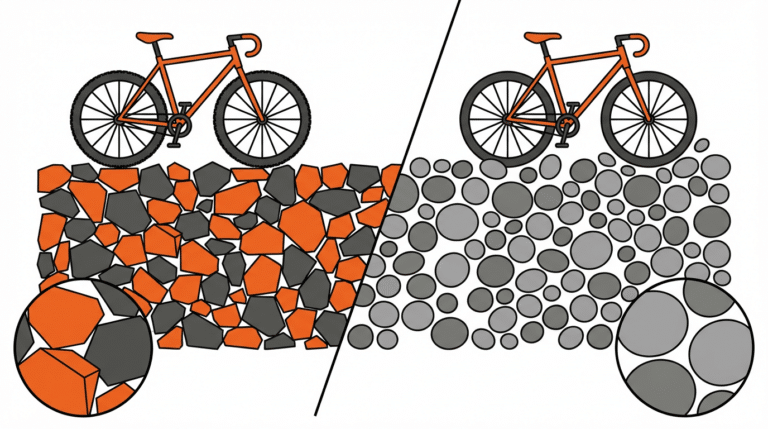
Traditional gravel creates several challenges that affect both rider experience and maintenance costs. The rounded particles don’t interlock effectively, leading to surface shifting and loose spots that compromise bike handling. This becomes particularly problematic on slopes or high-traffic areas where constant movement creates ruts and uneven surfaces.
Drainage issues plague many gravel bike paths. Standard gravel often allows water to pool on the surface rather than draining through effectively. This standing water leads to erosion, washouts, and muddy conditions that make paths unusable after storms. The maintenance cycle becomes expensive and time-consuming as you constantly repair damaged sections.
Weight and transportation costs add another layer of expense. Traditional gravel typically weighs 1,500-1,700 pounds per cubic yard, making delivery expensive and installation labor-intensive. These factors drive up project costs significantly, especially for longer trail systems or remote locations.
Key Insight: Traditional gravel’s rounded particles create 40% more surface movement compared to angular alternatives, leading to increased maintenance requirements and rider safety concerns.
Lightweight aggregate as the superior alternative
Lightweight aggregate revolutionizes bike path construction by addressing every major weakness of traditional gravel. This material weighs only 800-1,200 pounds per cubic yard, representing a 30-40% weight reduction that translates directly into lower transportation costs and easier handling on your job site.
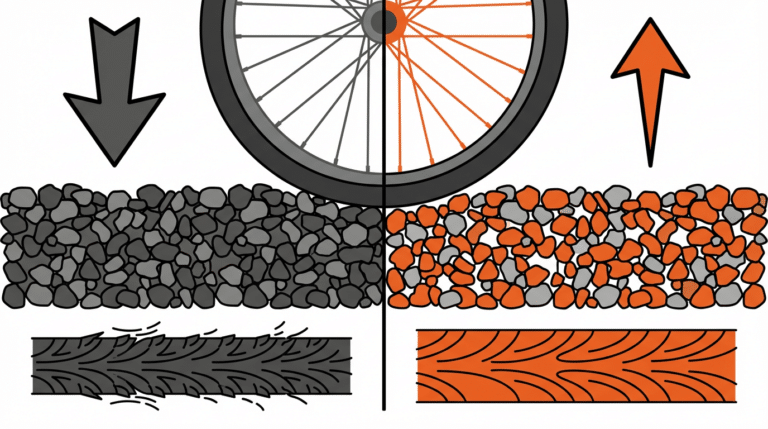
The performance advantages go beyond just weight savings. According to research from hellogravel.com, the irregular shape of lightweight aggregate particles creates superior compaction and interlocking properties. This results in a more stable surface that resists shifting under bike traffic while maintaining excellent drainage characteristics.

The porous structure allows water to drain through quickly, preventing the puddles and washouts that plague traditional gravel paths. This superior water management extends the lifespan of your bike path while reducing maintenance costs by up to 30%. The material comes from natural sources like clay, shale, or slate, as well as industrial byproducts such as expanded clay and fly ash, making it an environmentally conscious choice.
Installation becomes significantly easier due to the reduced weight. Your crew can handle more material per load, and the compaction process requires less effort while achieving better results. The angular particles lock together effectively, creating a firm foundation that handles varied weather conditions and heavy use.
Crushed stone versus other surface options
Crushed stone offers another excellent alternative to traditional gravel, particularly where maximum stability is your priority. The mechanically broken rock creates angular edges that interlock when compacted, forming a stable surface that resists movement under load. According to hellogravel.com, crushed stone provides superior traction and stability compared to rounded gravel particles.
The performance comparison shows clear advantages for crushed stone in high-traffic situations. The sharp edges grip together, forming a firm foundation that handles bike traffic well while providing excellent load-bearing capacity. This makes using crushed stone ideal for main trails, steep sections, or areas where bikes need reliable traction.
Crushed shell aggregate presents an interesting option for specific applications, particularly in coastal areas or environmentally sensitive locations. This recycled oyster and clam shell material provides natural pH buffering properties and excellent drainage characteristics. However, hellogravel.com notes that crushed shell aggregate works best for recreational trails where drainage and environmental compatibility matter more than maximum rider speed.
| Material | Weight (lbs/cubic yard) | Drainage Rating | Stability | Best Use Case |
|---|---|---|---|---|
| Lightweight Aggregate | 800-1,200 | Excellent | High | All-purpose trails |
| Crushed Stone | 1,400-1,600 | Good | Very High | High-traffic paths |
| Traditional Gravel | 1,500-1,700 | Poor | Low | Budget projects only |
Choosing the right material for your specific project
Your choice depends on several critical factors that affect both performance and budget. Traffic volume plays the primary role in material selection. High-traffic trails benefit from crushed stone’s superior stability, while moderate-use paths work well with lightweight aggregate’s balanced performance and cost advantages.
Climate considerations significantly impact material choice. Areas with heavy rainfall or freeze-thaw cycles require materials with excellent drainage properties. Lightweight aggregate excels in these conditions due to its porous structure, while crushed stone provides better performance in areas with extreme temperature variations.
Pro Tip: Calculate total project costs including transportation, installation, and 10-year maintenance when comparing materials. Lightweight aggregate often provides the best long-term value despite higher initial costs.
Budget constraints often drive decisions, but consider long-term costs rather than just initial material prices. The reduced transportation costs of lightweight aggregate can offset higher per-ton pricing, especially for large projects or remote locations. Factor in maintenance savings when making your final decision.
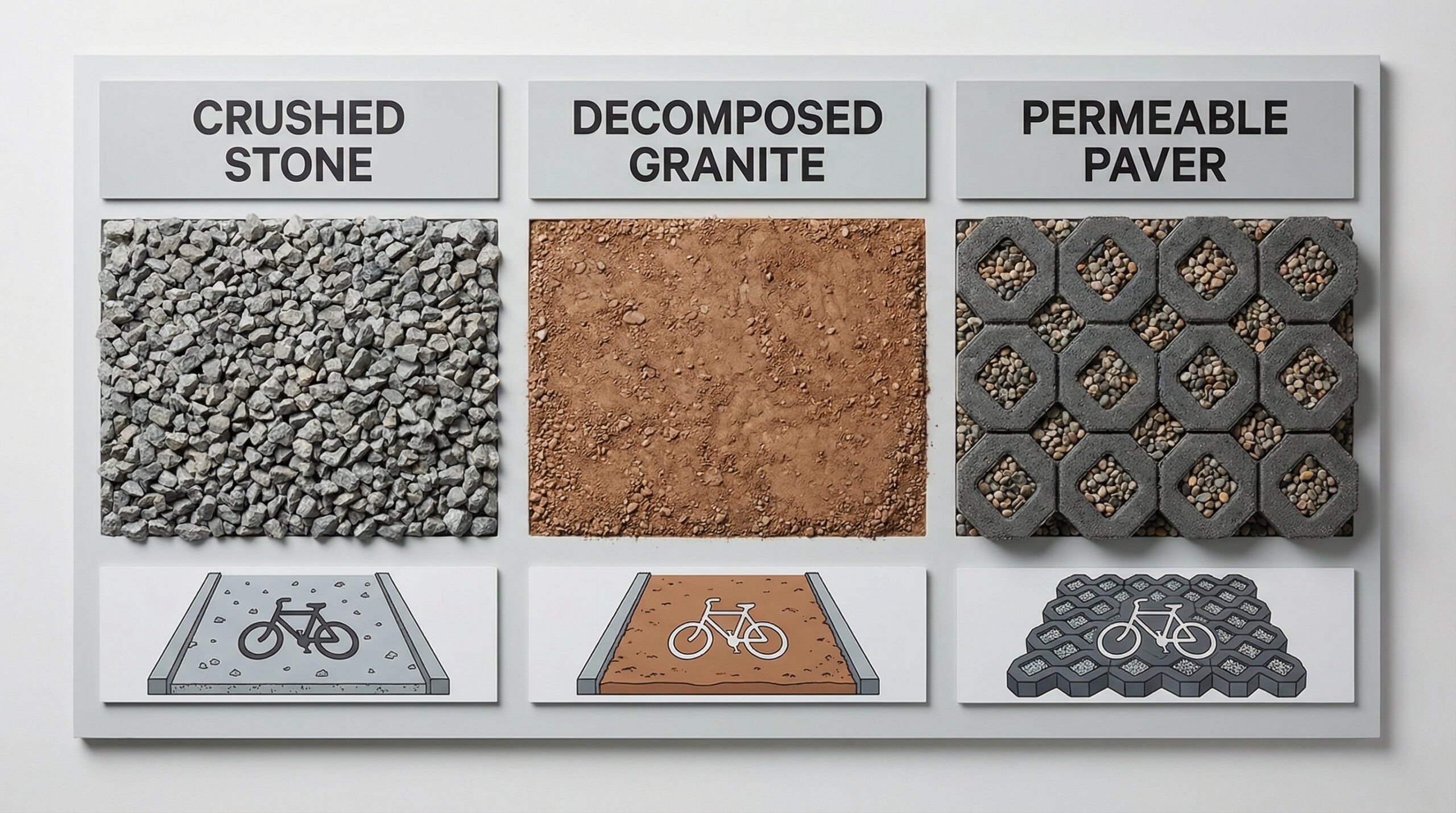
Environmental factors also matter for many projects. Lightweight aggregate made from industrial byproducts like slag supports sustainability goals, while recycled concrete and crushed coral work well in environmentally sensitive areas. Consider local regulations and environmental impact requirements when selecting materials.
For projects requiring natural stone aesthetics, materials like basalt, granite, or decomposed granite offer excellent durability and visual appeal. These options provide the stability needed for bike paths while creating an attractive natural appearance.
The best approach involves consulting with experienced suppliers who understand local conditions and project requirements. Companies like Hello Gravel can provide expert guidance on material selection, helping you balance performance, cost, and environmental considerations for your specific bike path project.
Your bike path deserves a surface material that performs reliably for years while providing excellent rider experience. Whether you choose lightweight aggregate for its balanced performance or crushed stone for maximum stability, moving beyond traditional gravel opens up possibilities for creating trails that truly serve your community’s needs.