
Crushed Coral vs Gravel for Bike Paths Complete Comparison Guide 2026
Guide handoff
Want help applying this guide to your project?
Share your ZIP and what you need help with. We'll use this guide as context when we follow up.
- 1 This guide gives us the context you were reading.
- 2 Ask about pricing, material choice, delivery timing, or quantity.
- 3 Keep it broad if you are still figuring out the project.
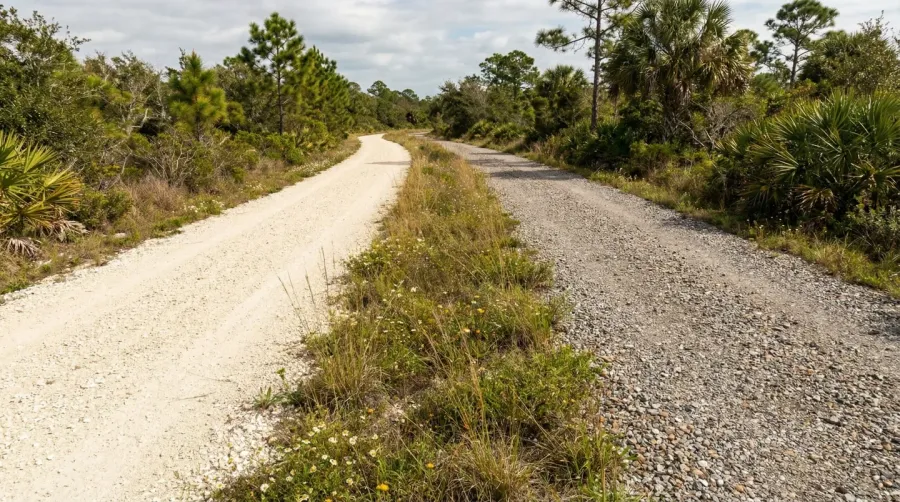
Choosing the right surface material for your bike path project can make the difference between a trail that lasts decades and one that requires constant maintenance. While traditional gravel remains popular, crushed coral has emerged as a compelling alternative that offers unique benefits for specific applications.
Crushed coral is marine limestone formed from skeletal remains of sea creatures, ground into aggregate-sized particles. Unlike standard gravel, it provides natural pH buffering properties and excellent drainage characteristics. This guide compares crushed coral with gravel and other common bike path materials, examining durability, rider comfort, environmental impact, and cost considerations to help you make an informed decision.
Quick Answer: Crushed coral works best for recreational trails in coastal areas or environmentally sensitive locations where drainage and pH stability matter more than maximum rider speed.
What makes crushed coral different from standard gravel
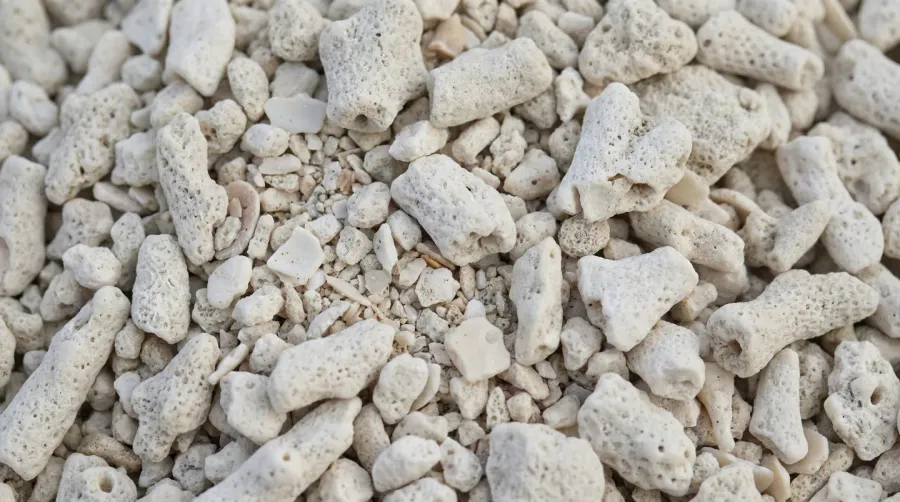
Crushed coral differs fundamentally from traditional gravel in both composition and performance characteristics. While gravel typically consists of weathered rock fragments, crushed coral is marine limestone with a unique angular structure that creates excellent interlocking properties when compacted.
The material’s natural calcium carbonate content gives it pH-buffering abilities, making it particularly valuable in areas where soil acidity affects surrounding vegetation. This same property makes crushed coral popular in aquarium applications, where it stabilizes water chemistry. For those interested in other marine-derived materials, coral rock as a gravel alternative for bike path projects offers similar benefits with slightly different structural characteristics.
From an engineering perspective, crushed coral typically ranges from 3/8 inch to fine particles, similar to standard gravel gradations. However, its angular edges and slightly softer composition compared to granite or quartzite gravel create different compaction and wear characteristics that affect long-term path performance.
Crushed coral vs gravel performance comparison
Understanding how different materials perform helps you choose the right option for your specific trail conditions and user requirements.
| Material | Durability | Rider Comfort | Drainage | Best Use |
|---|---|---|---|---|
| Crushed Coral | Good (softer than granite) | Moderate (some loose particles) | Excellent | Coastal/recreational trails |
| Standard Gravel | Excellent | Poor (loose surface) | Good | Low-traffic paths |
| Crushed Stone | Excellent | Good (firm surface) | Excellent | High-traffic trails |
| Limestone Fines | Good | Excellent (smooth when wet) | Moderate | Multi-use paths |
The key performance difference lies in how each material handles moisture and compaction. Crushed coral’s porous structure allows superior water drainage compared to traditional gravel, reducing puddle formation and frost damage. However, its marine limestone composition makes it slightly softer than quarried stone, which can lead to more gradual wear under heavy bicycle traffic. If you’re considering traditional limestone options, using limestone as a gravel alternative for bike path projects provides comprehensive insights into similar calcium-based materials.
Performance Insight: Crushed coral paths typically require 15-20% more frequent top-dressing compared to crushed stone surfaces, but offer better environmental integration in sensitive areas.
Cost analysis and installation considerations
Your budget plays a crucial role in material selection, and costs vary significantly based on location and availability. Crushed coral typically costs more than standard gravel but less than specialized crushed stone products.
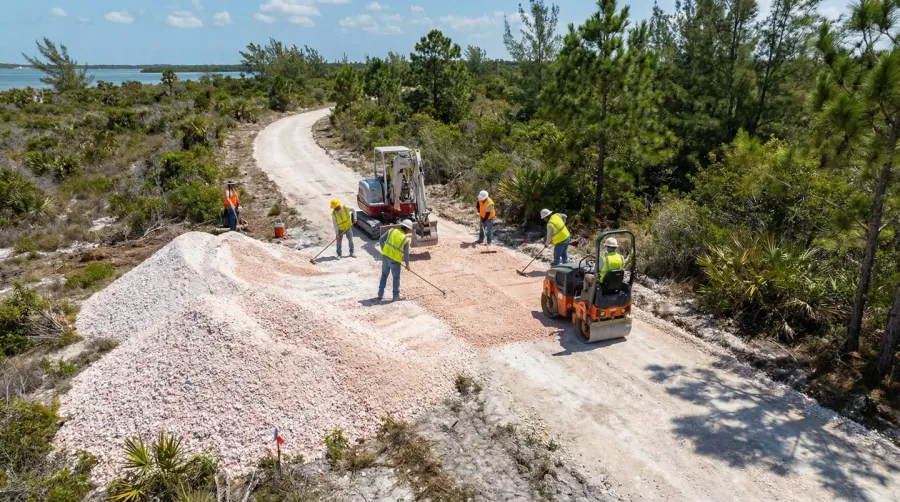
In coastal regions where crushed coral is readily available, you might pay similar rates to standard gravel. However, inland locations often see premium pricing due to transportation costs. The material requires similar installation techniques to traditional gravel, with proper base preparation and compaction being essential for long-term performance.
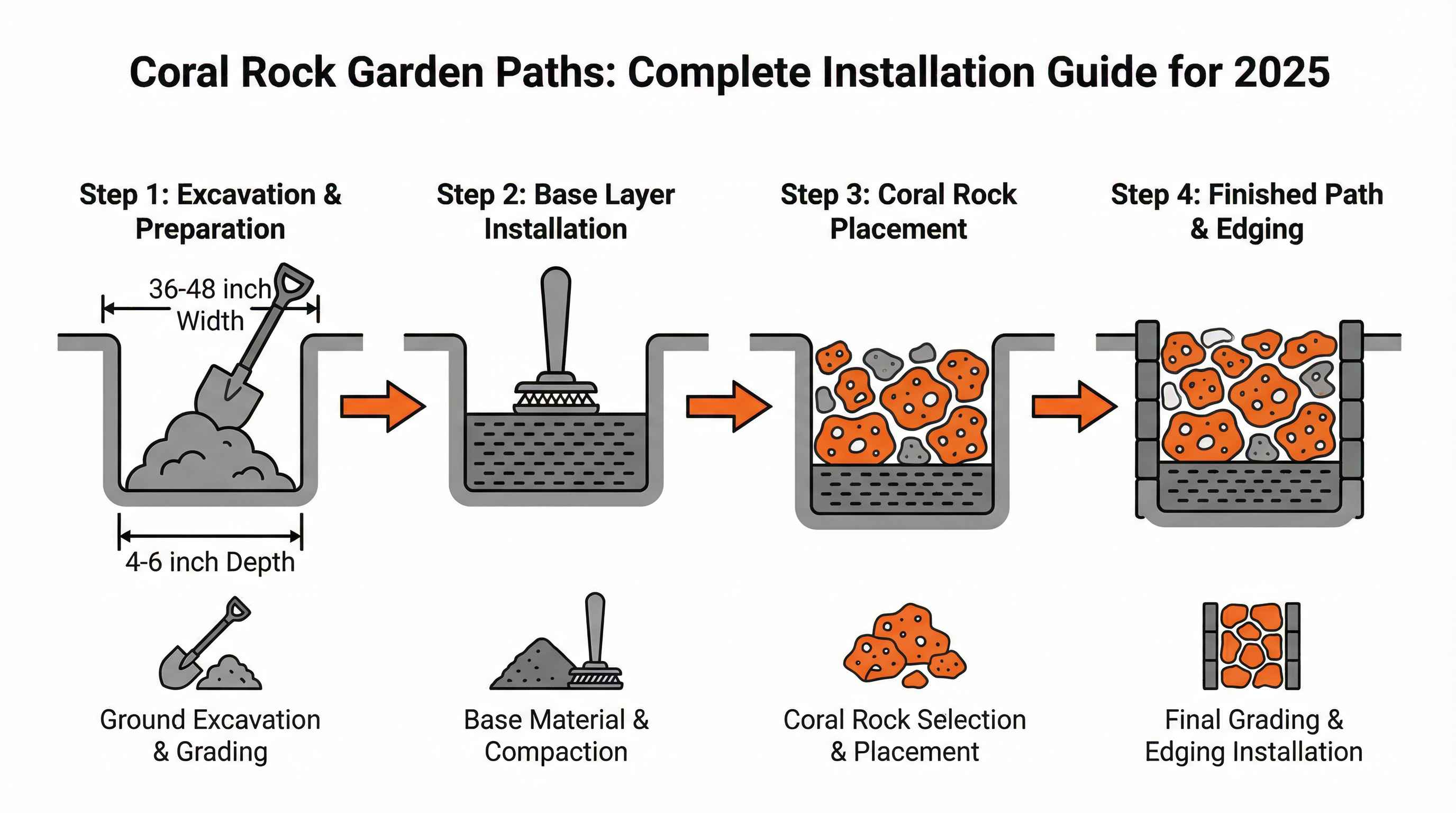
Installation follows standard aggregate path construction. You’ll need to excavate 6-8 inches deep, install a geotextile fabric base, add 4 inches of compacted aggregate base, then finish with 2-3 inches of crushed coral surface material. The key difference is moisture management during compaction, as crushed coral compacts best at slightly higher moisture content than traditional gravel. For a detailed comparison of installation methods, see our guide on crushed stone vs gravel for bike paths.
Environmental impact and sustainability factors
Environmental considerations increasingly influence material selection for public trail projects. Crushed coral offers several sustainability advantages that make it attractive for environmentally conscious projects.
As a byproduct of marine industries and natural coastal processes, crushed coral represents a form of material recycling. Using it for bike paths diverts material from landfills while creating functional infrastructure. The material’s pH-buffering properties can actually improve soil conditions around the trail, benefiting native vegetation. If sustainability is a priority for your project, consider exploring recycled concrete as a gravel alternative for bike path projects as another eco-friendly option.
However, sourcing matters significantly. Responsibly sourced crushed coral comes from sustainable aquaculture operations or naturally occurring deposits. Avoid products that contribute to coral reef destruction or unsustainable marine harvesting practices.
The material’s lighter color also reflects more heat than dark asphalt or black gravel, potentially reducing local heat island effects. This thermal property makes crushed coral paths more comfortable for users during hot weather conditions. For more light-colored alternatives, marble chips as a gravel alternative for bike path projects provides similar aesthetic and thermal benefits.
Sustainability Note: Choose crushed coral suppliers who can verify sustainable sourcing practices and avoid products that contribute to coral reef ecosystem damage.
Making the right choice for your project
Your specific project requirements should drive the final material decision. Crushed coral works exceptionally well for recreational bike paths in coastal areas, environmental education trails, and projects where natural aesthetics matter more than maximum riding speed.
Consider crushed coral when you need excellent drainage, have environmental sensitivity requirements, or want a lighter-colored surface that blends with coastal landscapes. The material particularly suits multi-use trails where walkers and cyclists share the space, as its slightly softer surface provides good comfort for both user types.
Standard gravel remains the better choice for high-traffic cycling routes where durability trumps all other considerations, or in areas where crushed coral availability makes it cost-prohibitive. For the best of both worlds, some trail builders use crushed coral for scenic sections and transition to crushed stone for high-wear areas. To explore the full range of options available, check out our comprehensive overview of exploring gravel alternatives for bike path projects.
The decision ultimately depends on balancing performance requirements, environmental goals, budget constraints, and local material availability. Both materials can create excellent bike paths when properly installed and maintained according to their specific characteristics.
FAQ
Is crushed coral better than gravel for bike paths?
Crushed coral offers several advantages over traditional gravel for bike paths, including superior drainage, better compaction due to its angular structure, and natural pH buffering properties. While it may cost slightly more and require more frequent top-dressing than crushed stone, it provides excellent performance for recreational trails and environmentally sensitive areas where drainage and stability are priorities.
How much does crushed coral cost compared to standard gravel?
Crushed coral typically costs more than standard gravel but less than specialized crushed stone products. In coastal regions where it’s readily available, pricing may be similar to standard gravel. However, inland locations often see premium pricing due to transportation costs. The exact cost difference varies by location and supplier availability.
What type of bike paths work best with crushed coral?
Crushed coral works exceptionally well for recreational bike paths in coastal areas, environmental education trails, and multi-use paths where walkers and cyclists share the space. It’s particularly suitable for projects where natural aesthetics, excellent drainage, and environmental sensitivity matter more than maximum riding speed. The material is ideal for scenic sections and areas requiring superior moisture management.
How do you install crushed coral for bike path construction?
Install crushed coral using standard aggregate path construction methods: excavate 6-8 inches deep, install geotextile fabric base, add 4 inches of compacted aggregate base, then finish with 2-3 inches of crushed coral surface material. The key difference is moisture management during compaction, as crushed coral compacts best at slightly higher moisture content than traditional gravel.