
Are Dump Trucks Automatic? Automatic vs Manual Dump Truck Transmissions
Guide handoff
Want help applying this guide to your project?
Share your ZIP and what you need help with. We'll use this guide as context when we follow up.
- 1 This guide gives us the context you were reading.
- 2 Ask about pricing, material choice, delivery timing, or quantity.
- 3 Keep it broad if you are still figuring out the project.
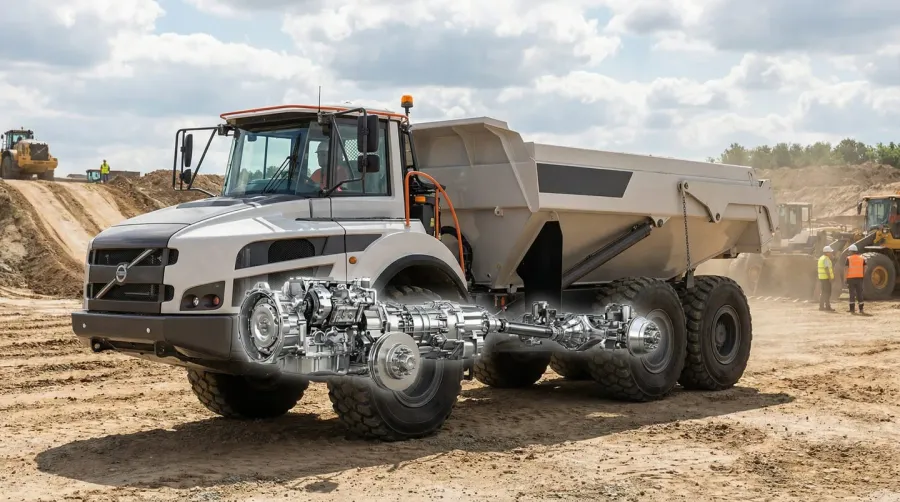
Many modern dump trucks come with automatic transmissions, but manual transmissions remain widely used across the industry. The choice between automatic and manual dump trucks depends on your specific hauling needs, driver experience, and budget constraints.
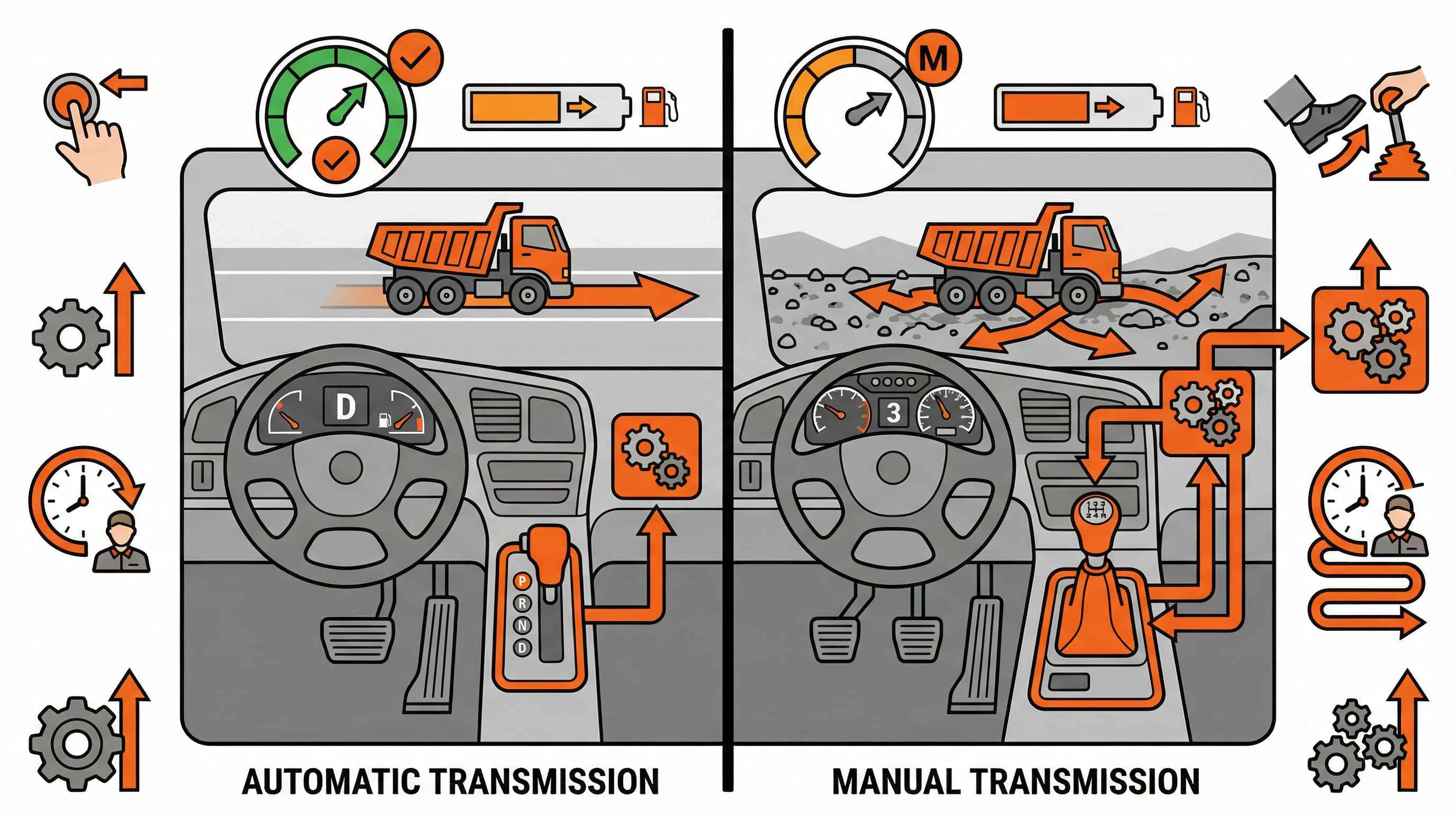
Both transmission types have distinct advantages that make them suitable for different applications. Automatic dump trucks excel in urban environments and stop-and-go traffic, while manual transmissions offer superior control for off-road work and steep terrain. Understanding these differences helps contractors and fleet managers make informed decisions that impact their bottom line.
Quick Answer: About 60% of new dump trucks sold today feature automatic transmissions, but manual transmissions still dominate heavy-duty and off-road applications where precise control matters most.
Whether you’re a contractor looking to expand your fleet or an owner-operator considering your first dump truck purchase, this guide will help you choose the transmission that best fits your operation.
Types of dump truck transmissions
Understanding the three main transmission options helps you make the right choice for your specific hauling needs.
Manual dump truck transmissions require drivers to shift gears manually using a clutch pedal and gear stick. These transmissions give drivers complete control over gear selection, making them ideal for challenging terrain, steep grades, and heavy loads. Most experienced dump truck operators prefer manuals for quarry work, off-road construction, and situations requiring precise engine braking.
Automatic dump truck transmissions shift gears automatically based on engine speed, load, and driving conditions. The transmission uses hydraulic controls and computer systems to select the optimal gear without driver input. This makes them perfect for urban hauling, highway work, and operations where drivers frequently start and stop.
Automated manual transmissions combine manual gearboxes with automatic controls. These systems use electronic actuators to operate the clutch and shift gears, giving you manual-like control with automatic convenience. While less common in dump trucks, they’re gaining popularity for specialized applications.
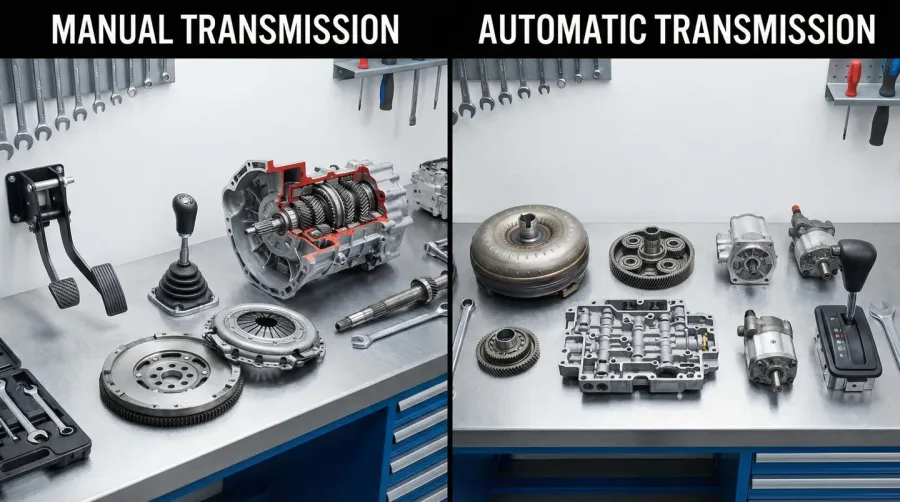
Automatic vs manual dump trucks comparison
| Feature | Manual | Automatic | Automated Manual |
|---|---|---|---|
| **Ease of driving** | Requires skill | Very easy | Moderate |
| **Control on grades** | Excellent | Good | Excellent |
| **Purchase price** | Lower | Higher | Highest |
| **Maintenance cost** | Lower | Higher | Moderate |
The choice between these transmissions often comes down to your specific use case and driver preferences. Each option serves different operational needs effectively.
Advantages of automatic dump trucks
Automatic transmissions offer several compelling benefits that make them attractive for many hauling operations.
Reduced driver fatigue stands out as the biggest advantage, especially for urban and highway work. Drivers don’t need to constantly shift gears in traffic, allowing them to focus more on safety and route efficiency. This becomes particularly valuable during long hauls or busy construction sites with frequent stops.
Easier driver training and hiring expands your potential workforce significantly. Many younger drivers prefer automatics, and the learning curve is much shorter compared to manual transmissions. If you’re wondering about whether dump trucks are hard to drive, automatic transmissions significantly reduce the difficulty level. This helps address driver shortages while reducing training costs and time.
Consistent fuel efficiency results from computer-controlled shifting that optimizes gear changes better than most human drivers. Modern automatic transmissions adapt to load conditions and terrain, potentially saving fuel costs over time.
Cost Consideration: While automatic dump trucks cost $3,000-$8,000 more upfront, reduced driver turnover and training costs often offset this premium within the first year of operation.
Lower clutch-related maintenance eliminates one of the most common manual transmission problems. Without a clutch pedal, you avoid expensive clutch replacements and driver-induced damage from improper shifting techniques.
Benefits of manual dump trucks
Manual transmissions continue to thrive in specific applications where their unique advantages shine.
Superior control and precision make manuals the preferred choice for challenging terrain. Drivers can select exactly the right gear for steep inclines, engine braking on descents, or navigating soft ground conditions. This level of control proves invaluable in quarries, mines, and off-road construction sites. For those interested in understanding whether dump trucks are manual, this provides deeper insight into manual transmission prevalence.
Lower upfront and maintenance costs appeal to budget-conscious operators and small businesses. Manual dump trucks typically cost $3,000-$8,000 less than automatic equivalents, and their simpler design means fewer expensive electronic components to repair or replace.
Proven durability and longevity make manuals attractive for high-mileage operations. With proper maintenance, manual transmissions often outlast automatics in heavy-duty applications. The mechanical simplicity means repairs are typically less expensive and can often be handled by general mechanics rather than transmission specialists.
Better resale value in certain markets, particularly for heavy-duty and off-road applications where experienced operators specifically seek manual transmissions. This can help offset the total cost of ownership over the truck’s lifetime.
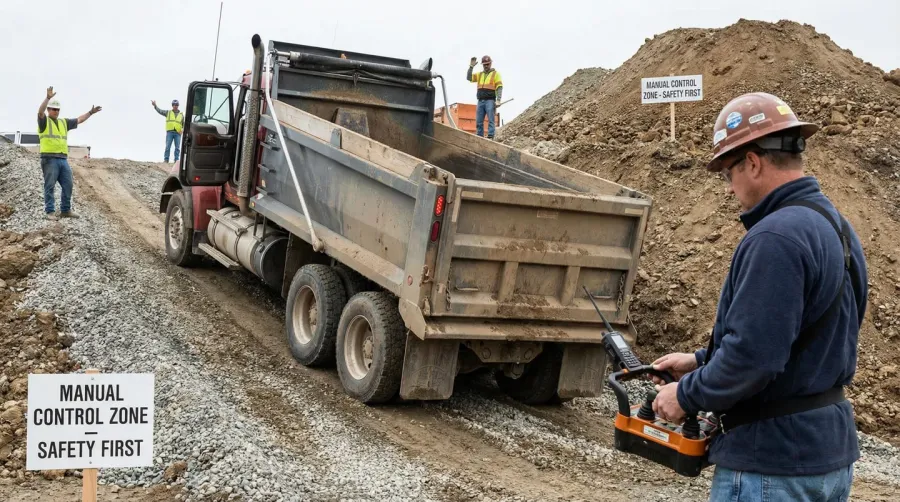
Choosing the right transmission for your needs
Your decision should align with your specific operational requirements and business constraints.
Match your typical work environment to the transmission’s strengths. Choose automatic for urban paving, highway hauling, and residential construction where you’ll encounter traffic and frequent stops. Opt for manual when working in quarries, mines, steep terrain, or any application requiring precise control over engine braking and gear selection. Understanding how dump trucks work can help you make a more informed decision about which transmission type suits your operation.
Consider your driver situation honestly. If you struggle to find experienced drivers or frequently hire new operators, automatic transmissions can significantly reduce training time and improve retention. However, if you have skilled drivers who prefer manuals, their expertise might make manual transmissions more cost-effective.
Evaluate total cost of ownership beyond the purchase price. Factor in fuel costs, maintenance expenses, driver wages, and potential downtime. Automatic transmissions might cost more upfront but could save money through reduced driver turnover and training costs. Additionally, consider whether your dump truck needs a DOT number as this impacts operational compliance costs.
Fleet Tip: Many successful contractors standardize on one transmission type to simplify maintenance, training, and parts inventory, even if it means compromising slightly on individual truck optimization.
Assess your service network before making a decision. Automatic transmissions require specialized diagnostic equipment and trained technicians, which might not be available in rural areas. Manual transmissions can typically be serviced by any qualified truck mechanic.
The right choice depends on balancing these factors against your specific business needs and growth plans. Most successful operations choose based on their primary application while accepting some compromise in secondary uses. For instance, if you’re hauling heavy loads, you’ll want to understand how much weight dump trucks can hold to ensure your transmission choice can handle the capacity requirements.
Whether you choose automatic or manual, the key is selecting equipment that matches your operation’s demands while keeping total costs manageable. Both transmission types can be profitable when properly matched to their intended applications and maintained according to manufacturer specifications.
Ready to find the perfect dump truck for your project? Get a customized quote that considers your specific hauling needs, terrain, and budget requirements.
Frequently Asked Questions
Are most dump trucks automatic or manual?
About 60% of new dump trucks sold today feature automatic transmissions, but the existing fleet still includes many manual units. Newer vocational trucks increasingly ship with automatic or automated manual transmissions (AMT), especially in fleets that operate in cities or have drivers with varying experience levels. However, manual transmissions remain common in older trucks and specialized off-road applications.
Do automatic dump trucks get better fuel mileage than manual?
Modern automatic and AMT transmissions can match or outperform manual transmissions in fuel efficiency. While skilled drivers could sometimes achieve better fuel economy with older manual transmissions, today’s computer-controlled automatics optimize shift points and reduce driver error, often resulting in more consistent fuel consumption across different operators and driving conditions.
Are automatic dump trucks more expensive to maintain?
Automatic dump trucks typically have higher upfront costs and more complex electronic components, but they eliminate clutch-related maintenance that’s common with manual transmissions. While automatic transmission repairs can be more expensive when they occur, they often require less frequent major service and reduce driver-induced damage from improper shifting techniques.
Which transmission should I choose for my dump truck business?
Choose automatic or AMT transmissions if you operate mixed routes, hire drivers with varying experience levels, or work in heavy traffic areas. Manual transmissions work best if you have experienced operators, specialize in off-road work, and prioritize lower upfront costs. Consider your specific terrain, driver availability, and long-term operational costs when making your decision.