Types of Gravel Used in Construction A Complete Guide
Published on: January 26, 2026
Get an estimate for your project in 60 seconds
 Your information is secure

When you’re planning a construction project, choosing the right gravel can make the difference between a surface that lasts decades and one that fails within months. Construction gravel serves as the backbone for driveways, foundations, drainage systems, and landscaping features, providing essential stability and functionality that concrete alone cannot deliver.
Key Insight: The right gravel type depends on three main factors: your project’s load-bearing requirements, drainage needs, and aesthetic preferences. Understanding these basics helps you avoid costly mistakes and ensures long-term success.
Different gravel types offer unique benefits based on their size, shape, and composition. From the angular stability of crushed stone to the smooth elegance of river rock, each variety serves specific construction needs. This guide walks you through the most common types used in construction and helps you select the perfect match for your project.
Understanding gravel basics for construction
Gravel forms naturally through weathering and erosion of larger rocks over thousands of years. Water and wind gradually break down granite, limestone, and sandstone into smaller fragments, creating the diverse gravel types we use today.
What makes gravel so valuable in construction is its unique combination of properties. Unlike solid materials, gravel allows water to drain through while still providing excellent load-bearing capacity. The spaces between particles create natural drainage channels that prevent water accumulation and frost damage.
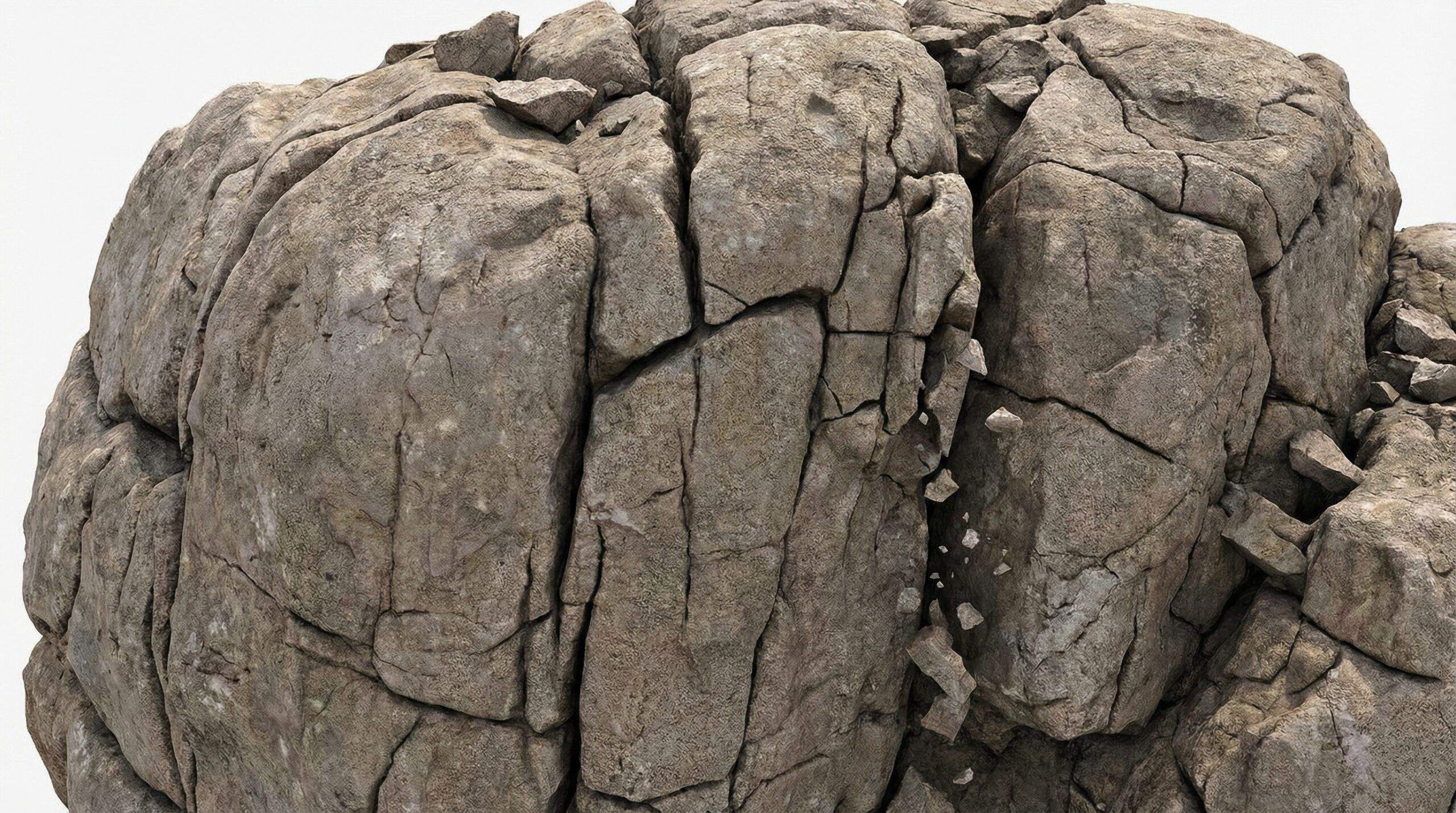
Gravel classification typically follows two systems. Size-based classification ranges from fine screenings under quarter-inch to large rip-rap stones over three inches. Material-based classification focuses on the source rock and processing method, which determines the gravel’s shape, texture, and performance characteristics.
The shape of gravel particles significantly affects their performance. Angular particles from crushed stone interlock tightly, creating stable surfaces ideal for load-bearing applications. Rounded particles from natural weathering provide better drainage and a softer appearance, making them perfect for decorative uses.
Most common construction gravel types
Crushed stone stands as the workhorse of construction gravel. Produced by mechanically crushing larger rocks, it features angular edges that lock together under pressure. This interlocking action creates exceptional stability for driveways, road bases, and foundation work.
The angular shape of crushed stone provides superior compaction compared to rounded alternatives. When properly installed and compacted, crushed stone creates a surface that can support heavy equipment and resist shifting under load. Most crushed stone comes from limestone or granite quarries, offering consistent quality and performance. For specific applications, understanding what is the best crushed stone size for a foundation can help ensure optimal results.
Pea gravel offers a completely different approach with its small, naturally rounded stones. Typically ranging from one-eighth to three-eighths inch in diameter, pea gravel provides excellent drainage while creating comfortable walking surfaces. The smooth, rounded shape prevents the sharp edges that can be uncomfortable underfoot.
This gravel type excels in landscaping applications where both function and appearance matter. Garden pathways, playground surfaces, and decorative borders all benefit from pea gravel’s natural beauty and practical drainage properties. However, its rounded shape means it doesn’t compact as well as angular alternatives. If you’re considering pea gravel for specific projects, you might want to explore whether pea gravel can be used for a shed foundation.
| Gravel Type | Size Range | Best Applications | Key Benefits |
|---|---|---|---|
| Crushed Stone | 3/4″ – 1.5″ | Driveways, foundations | Superior stability, excellent compaction |
| Pea Gravel | 1/8″ – 3/8″ | Landscaping, walkways | Natural drainage, comfortable surface |
| River Rock | 1″ – 3″ | Decorative features | Aesthetic appeal, erosion control |
River rock brings natural beauty to construction projects with its smooth, water-worn appearance. These stones have been naturally tumbled by flowing water, creating rounded shapes and polished surfaces that add visual appeal to any project.While river rock doesn’t provide the structural stability of crushed stone, it excels in decorative applications and erosion control. Water features, garden beds, and accent areas all benefit from river rock’s natural appearance and excellent drainage properties. For those interested in using river rock for structural purposes, learning about using river rock for retaining wall base projects can provide valuable insights.
Selecting gravel for specific applications
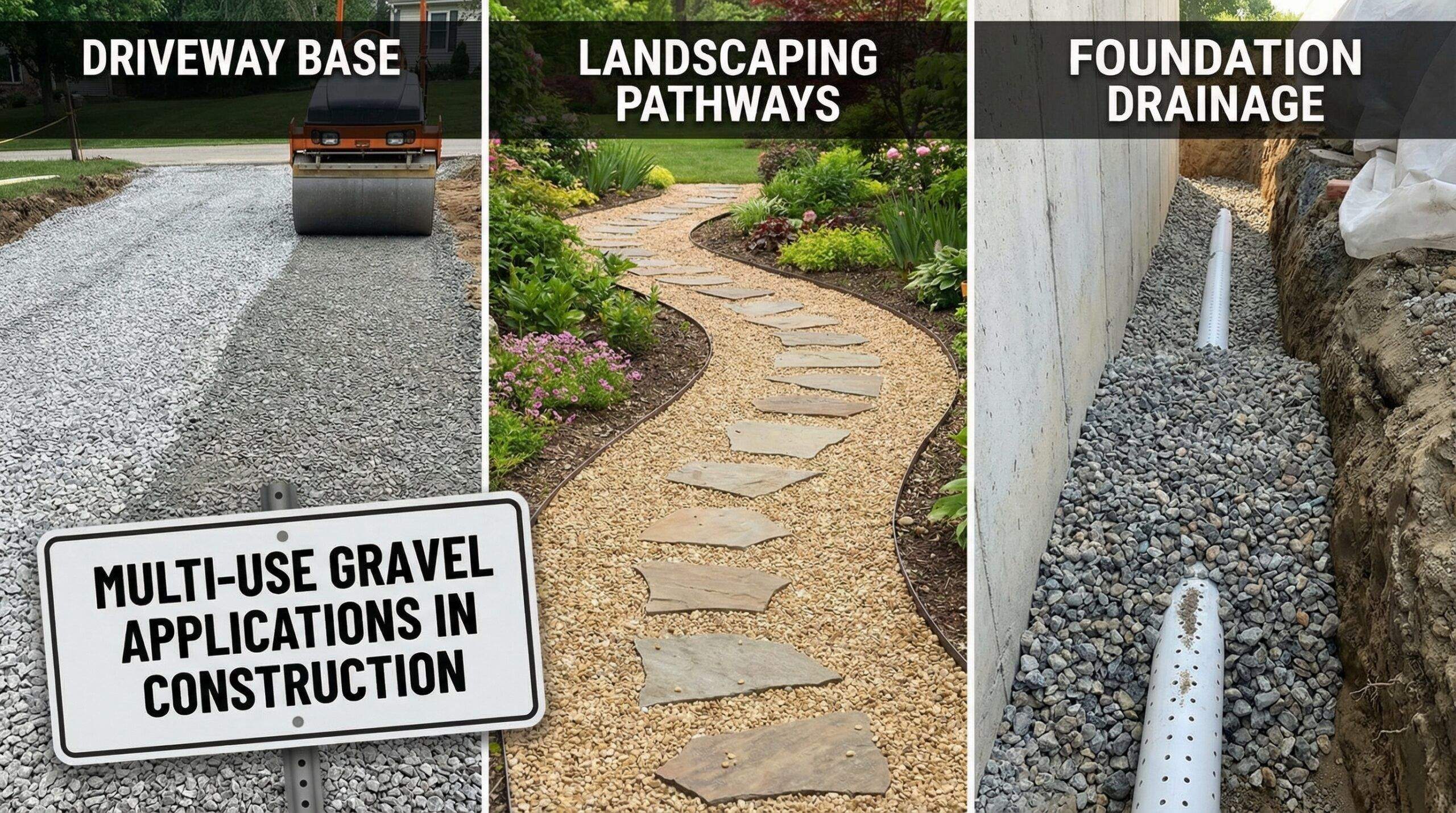
Driveway construction demands gravel that can handle vehicle weight while providing good drainage. Crushed stone in three-quarter to one-inch sizes typically works best for driveway bases. The angular particles interlock to create a stable foundation that won’t shift under vehicle traffic.
For driveway surfaces, consider your local climate and usage patterns. Areas with heavy rainfall benefit from larger stone sizes that promote drainage. High-traffic driveways need angular gravel that maintains stability under constant use. To determine the optimal material for your driveway base, check out the best stone for driveway base.
Pro Tip: Layer different gravel sizes for optimal driveway performance. Start with larger base stone for stability, then add smaller gravel for a smoother driving surface.
Foundation and drainage projects require gravel that promotes water flow while providing structural support. Larger crushed stone, typically one to two inches, works well around foundations because it creates large void spaces for water movement.
Proper drainage prevents water from accumulating around foundations, which can cause settling, cracking, and other structural problems. The key is selecting gravel large enough to maintain void spaces even under the weight of soil and structures above. For comprehensive guidance on selecting the right material, explore what is the best gravel size for a foundation.
Landscaping applications offer more flexibility in gravel selection since load-bearing requirements are typically lower. Here, aesthetic considerations often take priority alongside functional needs like drainage and weed suppression.
Pea gravel works beautifully for garden pathways and around plants, while river rock creates stunning focal points in water features and rock gardens. Consider how the gravel’s color and texture will complement your overall landscape design. For more detailed information on choosing the right size for landscaping projects, visit the best size gravel for landscaping.
Making the right choice for your project
Climate considerations play a crucial role in gravel selection. Areas with freeze-thaw cycles need gravel that drains well to prevent ice formation and frost heaving. Regions with heavy rainfall require larger stone sizes that maintain drainage capacity even when partially clogged with debris.
Hot climates benefit from lighter-colored gravel that reflects heat rather than absorbing it. This consideration is especially important for walkways and areas where people will be walking barefoot or sitting.
Budget planning involves more than just the initial gravel cost. Consider long-term maintenance requirements when making your selection. Higher-quality gravel may cost more upfront but often requires less maintenance and replacement over time.
Factor in delivery costs, which can vary significantly based on your location and the gravel source. Local materials typically cost less to transport and may be better suited to your regional climate conditions.
Cost Reality: Investing in the right gravel type upfront typically costs 20-30% less than dealing with premature failure and replacement of cheaper alternatives.
Installation requirements vary between gravel types and applications. Some projects need professional installation to ensure proper compaction and drainage, while others work well as DIY projects with basic tools and preparation.
Consider your skill level and available time when planning your project. Complex drainage systems and load-bearing applications often benefit from professional installation, while decorative landscaping projects may be suitable for DIY completion. For specific project guidance, resources like using crushed stone as a base for playground equipment can provide valuable installation insights.
The success of any gravel project depends on matching the material to your specific needs and conditions. Take time to evaluate your project requirements, local climate, and long-term goals before making your final selection. With the right gravel choice and proper installation, you’ll create surfaces and features that provide years of reliable service while enhancing your property’s functionality and appearance.
FAQ
What is the best gravel type for driveways?
What’s the difference between crushed stone and pea gravel?
How do I choose the right gravel size for my project?
Which gravel provides the best drainage for construction projects?
Author: