
Best Gravel for Landscaping Projects
Free local estimate
See delivered prices for your ZIP in 60 seconds
Tell us where the project is and we'll price this material — delivered — for your exact ZIP.
- Real delivered pricing for your ZIP — not a generic range.
- Works for any quantity — driveways, pads, drains, or full projects.
- Prefer to talk? We follow up with local availability and delivery windows.
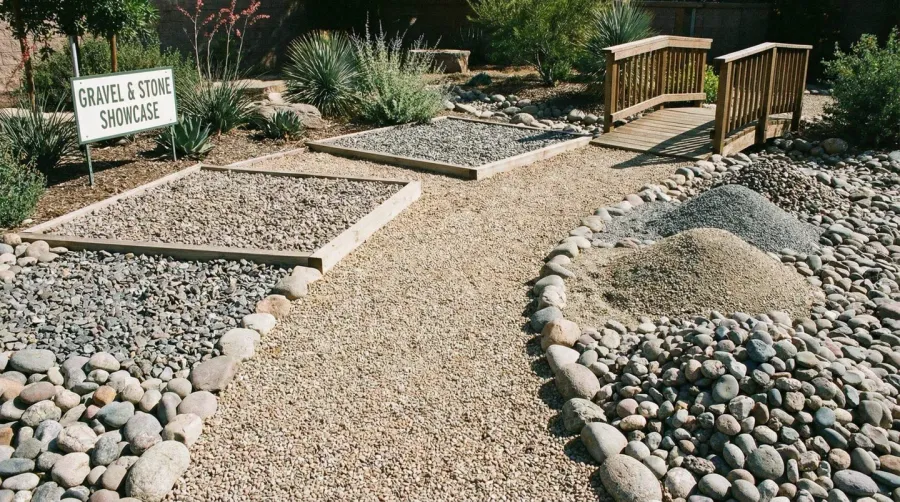
Choosing the right gravel size can transform your outdoor space from ordinary to extraordinary. Small gravel works best for pathways and patios, medium gravel excels in decorative borders and dry creek beds, while large gravel provides superior drainage for driveways and French drains.
Quick Answer: For most landscaping projects, pea gravel (1/8 to 3/8 inches) works best for walkways, medium gravel (3/8 to 3/4 inches) suits decorative features, and large gravel (3/4 to 1 inch) handles driveways and drainage needs.
Understanding gravel sizes helps you make informed decisions that balance functionality with visual appeal. Whether you’re creating a charming garden path or installing a durable driveway, the right size makes all the difference in your project’s success.
About Hello Gravel
Hello Gravel delivers bulk gravel, rock, dirt, and sand by the ton. Enter your ZIP code to see prices with delivery included. A local dump-truck driver places the load where access is safe; spreading is not included.
Understanding gravel categories and their applications
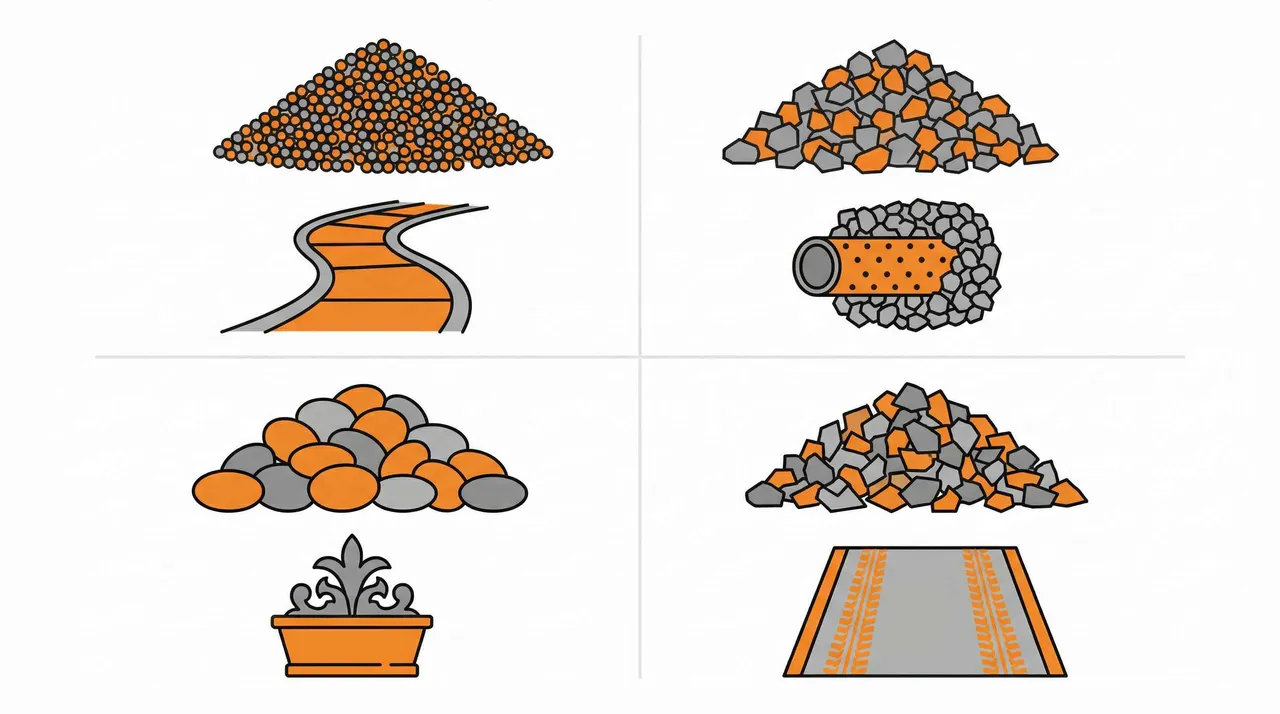
Gravel comes in three main categories based on stone diameter. Small gravel, often called pea gravel, measures 1/8 to 3/8 inches and creates smooth, walkable surfaces. Medium gravel spans 3/8 to 3/4 inches and offers versatility for both functional and decorative uses. Large gravel ranges from 3/4 to 1 inch and provides excellent stability for heavy-duty applications.
Each size category serves specific purposes in landscaping. Small gravel works perfectly for areas where comfort matters, like walkways where people will be walking barefoot or in light shoes. The compact nature prevents shifting while maintaining an attractive appearance.Medium gravel strikes a balance between visual impact and functionality. You can use it to create defined borders around flower beds or fill spaces between larger landscape features. The size allows for good drainage while still providing enough surface coverage.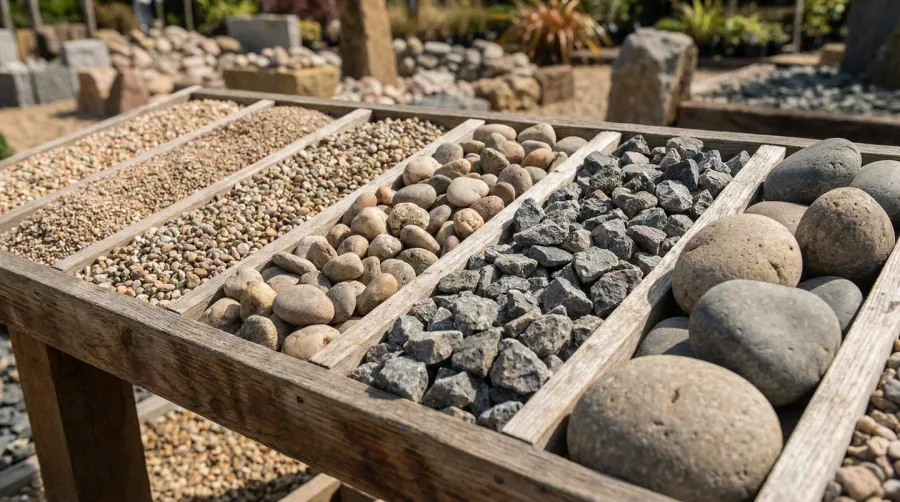
Large gravel excels in situations requiring maximum drainage and stability. The substantial gaps between stones allow water to flow freely, making it ideal for areas prone to water accumulation or where you need to support heavy loads.
Key factors when selecting gravel size
Your landscape’s specific needs should guide your gravel selection. Consider the primary function of each area where you’ll use gravel. High-traffic zones require different considerations than purely decorative spaces.
Traffic patterns play a crucial role in size selection. Areas with frequent foot traffic benefit from smaller, more comfortable gravel that won’t shift under pressure. Vehicular areas need larger, more stable stones that can handle weight without displacement.
Pro Tip: Test walk on different gravel sizes before making your final decision. What feels comfortable underfoot varies from person to person, and this simple test can save you from future regrets.
Drainage requirements vary significantly across your property. Areas with poor natural drainage need larger gravel that allows water to move freely. Conversely, areas where you want to slow water movement might benefit from smaller, more tightly packed gravel.
Climate considerations matter more than many homeowners realize. Regions with heavy rainfall need excellent drainage properties, while areas with strong winds might require gravel that won’t easily scatter.
Project-specific gravel recommendations
Pathways and walkways perform best with pea gravel or other small-sized options. The smooth surface feels comfortable underfoot while providing adequate drainage. Small gravel also allows for easier installation and maintenance compared to larger alternatives.
For garden pathways, consider the overall design aesthetic. Pea gravel comes in various natural colors that can complement your existing landscape elements. The smaller size also allows for more intricate pathway designs and easier navigation around curves.
Driveways require larger gravel sizes for optimal performance. Crushed stone in the 3/4 to 1-inch range provides the stability needed to support vehicles while offering excellent drainage properties. This size range prevents the shifting and rutting common with smaller gravel.
| Gravel Size | Best Applications | Key Benefits |
|---|---|---|
| Small (1/8-3/8″) | Pathways, patios | Comfort, easy installation |
| Medium (3/8-3/4″) | Borders, accents | Versatility, visual appeal |
| Large (3/4-1″) | Driveways, drainage | Stability, excellent drainage |
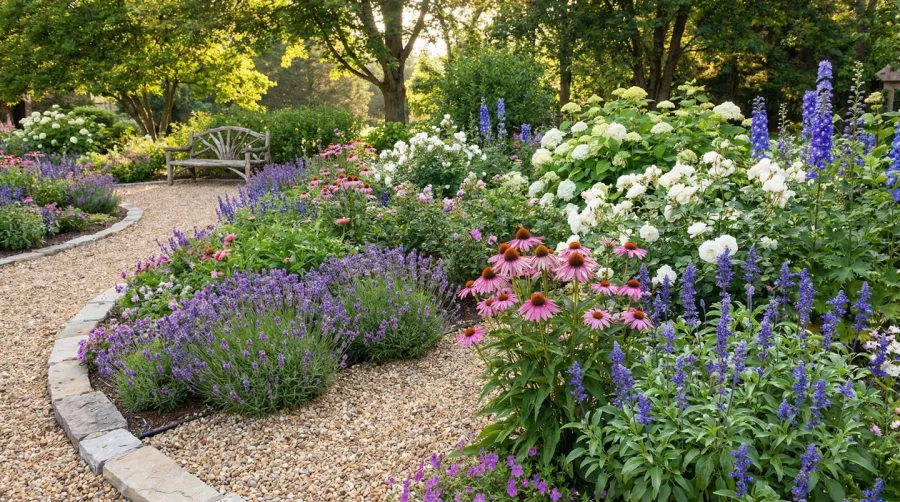
Garden beds benefit from smaller gravel that won’t overwhelm delicate plants. Pea gravel provides weed suppression while allowing air and water to reach plant roots. The smaller size also creates a neat, finished appearance that enhances rather than competes with your plantings.
Weighing the pros and cons of different sizes
Small gravel offers excellent workability and creates comfortable walking surfaces. You can easily spread and level it during installation, making it a favorite for DIY projects. The drainage properties work well for most residential applications.
However, small gravel requires more maintenance in high-traffic areas. It can scatter or shift under heavy use, requiring periodic raking and replenishment. Wind can also displace lighter gravel, particularly in exposed locations.
Medium gravel provides versatility that works across multiple applications. It compacts reasonably well while maintaining good drainage characteristics. The size offers visual interest without being overwhelming in most landscape designs.
Consider This: Medium gravel allows more space for weed growth between stones compared to smaller options. Plan for regular maintenance or consider using landscape fabric underneath to minimize weed issues.
The main drawback of medium gravel involves maintenance challenges. Weeds can establish more easily in the larger gaps between stones. Regular maintenance becomes essential to maintain the desired appearance.
Large gravel excels in durability and drainage performance. It handles heavy loads without significant displacement and provides superior water management. The substantial appearance works well in contemporary landscape designs.
The primary limitation of large gravel lies in comfort and aesthetics. It’s not suitable for areas where people walk regularly, and the bold appearance may not complement all landscape styles. Installation also requires more effort due to the weight and size of individual stones.
Your choice ultimately depends on balancing these factors against your specific project requirements. Consider both immediate needs and long-term maintenance when making your decision. For specialized applications like French drains or erosion control, selecting the appropriate gravel size will serve your landscape well for years while minimizing ongoing maintenance requirements.
FAQ
What size gravel is best for driveways?
For driveways, use large gravel ranging from 3/4 to 1 inch in diameter. This size provides excellent stability to support vehicle weight without shifting or rutting. Crushed stone in this range also offers superior drainage properties, preventing water accumulation that can damage the driveway surface. The angular edges of crushed gravel lock together better than rounded stones, creating a more stable driving surface.
Is pea gravel good for walkways and pathways?
Yes, pea gravel (1/8 to 3/8 inches) is excellent for walkways and pathways. Its small, smooth size creates a comfortable walking surface that feels good underfoot, even for those wearing light shoes or walking barefoot. Pea gravel provides adequate drainage while being easy to install and maintain. It also comes in various natural colors that complement most landscape designs and allows for intricate pathway curves.
How deep should gravel be for landscaping projects?
Gravel depth varies by application: use 2-4 inches for pathways and garden beds, and 4-6 inches for driveways and high-traffic areas. For decorative applications like flower bed borders, 2-3 inches provides adequate coverage. Always add 10% extra material to account for compaction and settling. Proper depth ensures stability, drainage, and longevity of your landscaping project.
What factors should I consider when choosing gravel size?
Consider the primary function of the area, expected traffic patterns, drainage requirements, and aesthetic preferences. High-traffic zones need larger, more stable gravel, while decorative areas can use smaller, more attractive options. Climate also matters – areas with heavy rainfall need larger gravel for better drainage, while windy locations may require gravel that won’t easily scatter. Test different sizes underfoot before making your final decision.
Materials for this project
Get it delivered — dumped where you need it
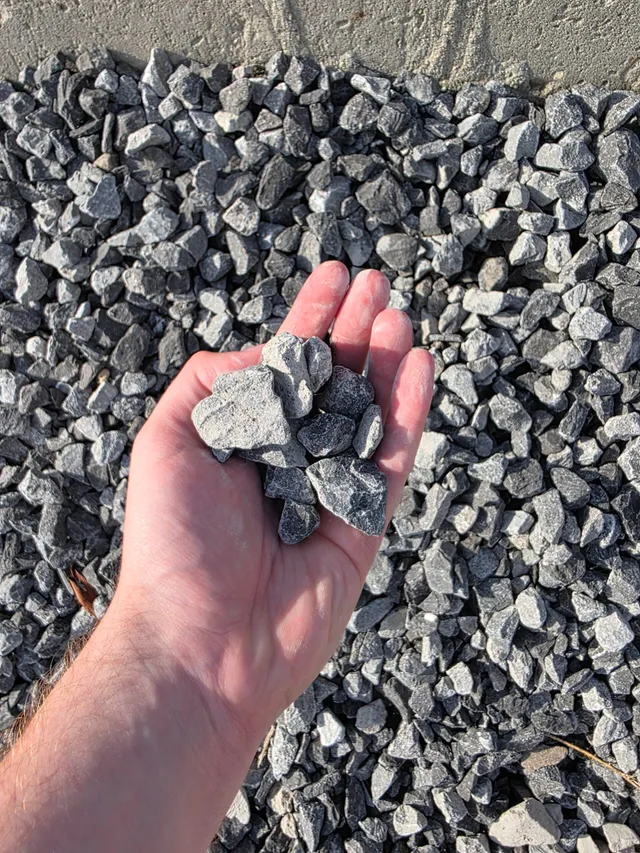
Driveway Gravel
Driveways & Parking areas
See delivered price
View product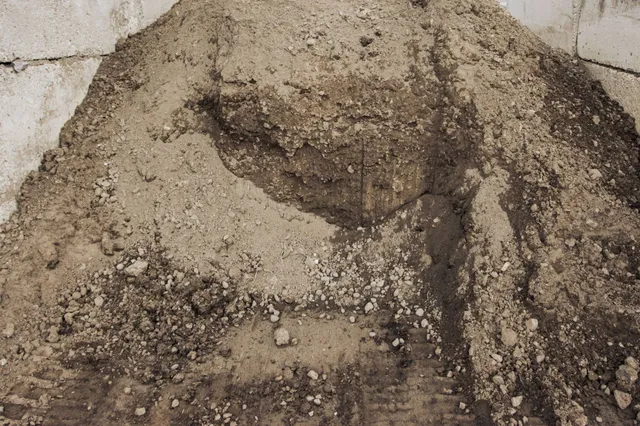
Fill Dirt
Grading & Backfill
See delivered price
View product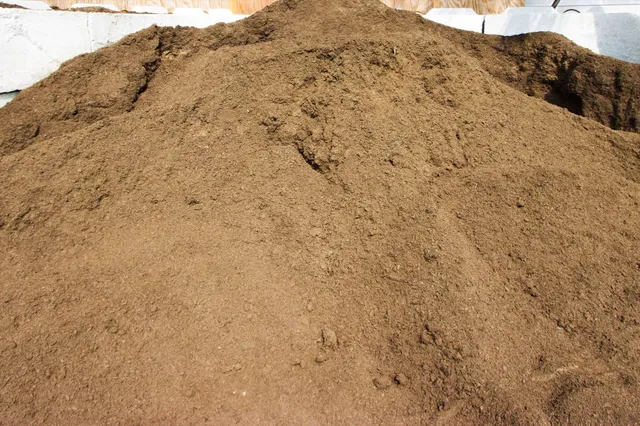
Topsoil
Lawn establishment & Garden beds
See delivered price
View product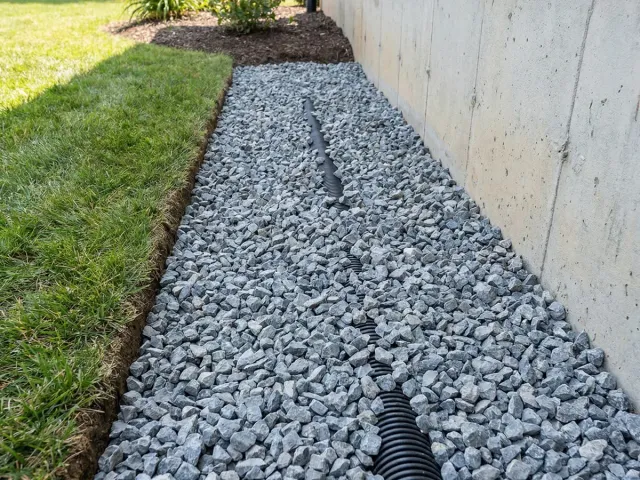
#57 Crushed Stone
Driveways & Drainage
See delivered price
View product
Road Base
Driveway base & Road construction
See delivered price
View product