100 Tons of Gravel Cost Guide – Pricing and Savings Tips
Published on: December 18, 2025
Get an estimate for your project in 60 seconds
 Your information is secure

Planning a major gravel project? You’re looking at $4,000 to $7,500 for 100 tons of gravel, depending on the type and your location. This substantial investment requires careful planning to ensure you get the best value for your money.
The cost per ton typically ranges from $40 to $75, but several factors can push your total higher or lower. Understanding these variables helps you budget accurately and avoid unexpected expenses that could derail your project timeline.
Quick Fact: Buying 100 tons qualifies you for bulk pricing discounts of 10-20% compared to smaller quantities, making it one of the most cost-effective ways to purchase gravel.
Cost breakdown by gravel type
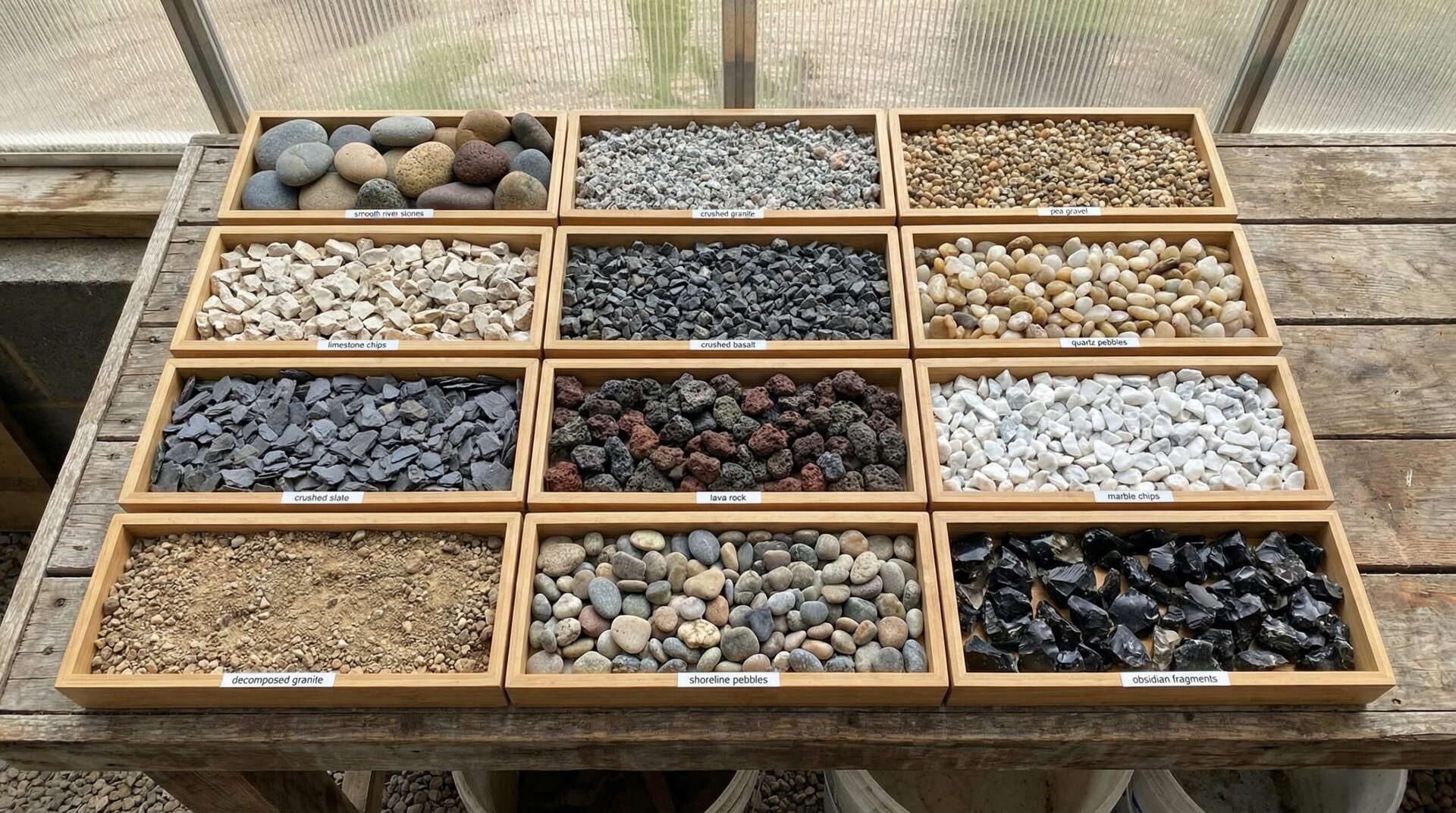
Different gravel types serve different purposes and come with varying price points. Crushed stone remains the most popular choice for driveways and foundations, typically costing $45-65 per ton. This translates to $4,500-6,500 for your 100-ton order.
Pea gravel offers a more decorative option at $50-70 per ton, perfect for landscaping projects. River rock commands premium pricing at $60-80 per ton due to its natural appearance and smooth texture.
| Gravel Type | Cost Per Ton | 100 Tons Total | Best Use |
|---|---|---|---|
| Crushed Stone | $45-65 | $4,500-6,500 | Driveways, foundations |
| Pea Gravel | $50-70 | $5,000-7,000 | Landscaping, walkways |
| River Rock | $60-80 | $6,000-8,000 | Decorative features |
The size of your gravel also impacts pricing. Smaller grades like 3/8-inch cost less than larger 2-3 inch stones. Consider your project’s drainage and aesthetic requirements when selecting size, as this affects both functionality and your final bill. For more details on pricing factors, check out our comprehensive guide to gravel cost per ton.
Delivery and installation expenses
Delivery costs for 100 tons typically range from $200-800, depending on your distance from the supplier. Most gravel suppliers use trucks that carry 10-15 tons per load, meaning you’ll need 7-10 trips to complete your delivery.
Local suppliers within 20 miles often offer the best delivery rates, sometimes including free delivery for large orders. Beyond this radius, expect to pay $2-5 per mile for each truck load. Understanding current gravel delivery prices can help you negotiate better rates with suppliers.
Installation adds another layer to your budget. Professional spreading and compacting services cost $3-8 per ton, adding $300-800 to your project. However, many contractors offer package deals that include both material and installation at competitive rates.
Money-Saving Tip: Schedule delivery during off-peak seasons (late fall through early spring) when demand is lower and suppliers offer better rates.
Regional price variations
Your location significantly impacts gravel costs due to local supply and demand factors. Urban areas typically see higher prices due to increased transportation costs and limited quarry access.
Coastal regions often pay premium prices, with costs 20-30% higher than inland areas. Mountain regions with abundant stone quarries usually offer the most competitive pricing, sometimes 15-25% below national averages. If you’re in the Midwest, our guide on gravel prices per ton in Ohio provides region-specific insights.
Weather patterns also affect regional pricing. Areas with harsh winters see price spikes in spring when construction season begins. Planning your purchase during slower periods can yield substantial savings.
Smart strategies for bulk savings
Purchasing 100 tons puts you in an excellent position to negotiate better rates. Most suppliers offer volume discounts starting at 50 tons, with the best savings kicking in at 100+ tons. To understand how pricing scales with quantity, compare this to what 5 tons of gravel costs or even larger orders like 500 tons of gravel.
Consider coordinating with neighbors on similar projects to increase your order size. Splitting a 200-ton order between two properties often results in better per-ton pricing than individual 100-ton purchases.
Timing your purchase strategically can save hundreds of dollars. Late fall and winter months typically offer the best pricing as suppliers clear inventory before spring demand increases. Learn more about bulk gravel purchasing strategies to maximize your savings.
Bulk Advantage: Orders over 100 tons often qualify for direct-from-quarry pricing, bypassing middleman markups and reducing costs by 10-15%.
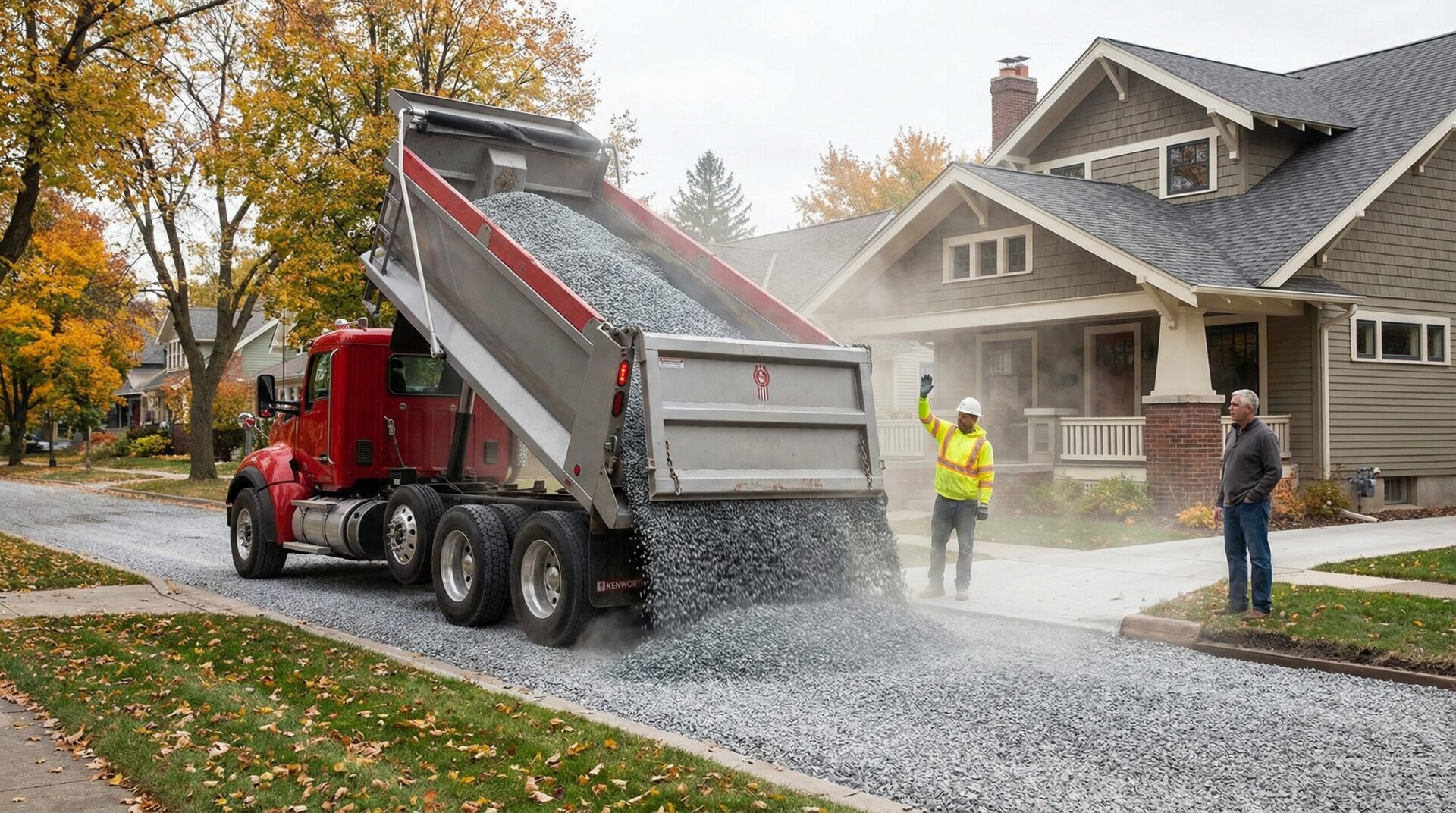
Getting the best value on your 100-ton gravel purchase requires balancing quality, timing, and supplier selection. Focus on local suppliers who can offer competitive delivery rates, and don’t hesitate to request quotes from multiple sources. Understanding how much a dump truck load of gravel costs helps you verify you’re getting fair pricing per delivery. The time invested in research pays dividends when you’re dealing with this quantity of material.
Remember that the cheapest option isn’t always the best value. Quality gravel that meets your project specifications will perform better long-term, reducing maintenance costs and ensuring your investment delivers lasting results.
FAQ
How much does 100 tons of gravel cost in 2025?
What are the best strategies for saving money on bulk gravel purchases?
How many truck loads are needed to deliver 100 tons of gravel?
How do regional factors affect 100-ton gravel pricing?
Author: igor