
Gravel Delivery Costs (2026 Pricing Guide)
Free local estimate
See delivered prices for your ZIP in 60 seconds
Tell us where the project is and we'll price this material — delivered — for your exact ZIP.
- Real delivered pricing for your ZIP — not a generic range.
- Works for any quantity — driveways, pads, drains, or full projects.
- Prefer to talk? We follow up with local availability and delivery windows.
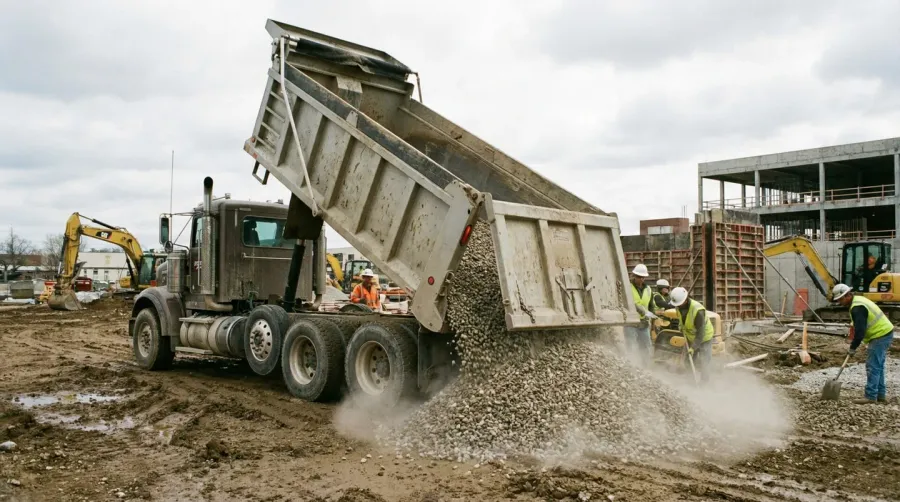
Planning a gravel project and wondering about delivery costs? You’re looking at $55-65 per yard for delivered gravel, with crushed stone ranging from $15-75 per ton depending on type and location. Delivery fees typically add $10-25 per ton or $2-5 per mile to your total cost.
Understanding gravel delivery pricing helps you budget accurately and avoid surprises. Whether you’re building a driveway, creating landscaping features, or working on a construction project, knowing what drives these costs puts you in control of your spending.
Quick Fact: Bulk orders can reduce your per-ton cost by 15-30%, making larger projects more economical than multiple small deliveries.
About Hello Gravel
Hello Gravel delivers bulk gravel, rock, dirt, and sand by the ton. Enter your ZIP code to see prices with delivery included. A local dump-truck driver places the load where access is safe; spreading is not included.
Understanding gravel delivery pricing structure
Gravel delivery costs aren’t just about the material itself. You’re paying for the gravel, transportation, and sometimes additional services like placement or spreading. Most suppliers use a base price per ton or yard, then add delivery charges based on distance and accessibility.
The pricing structure typically breaks down into three components: material cost, delivery fee, and any surcharges. Material costs vary by gravel type, with basic crushed stone starting around $15 per ton while decorative river rock can reach $120 per ton. Understanding the current gravel price per ton delivered helps you compare quotes from different suppliers. Delivery fees usually range from $2-5 per mile from the supplier’s location.
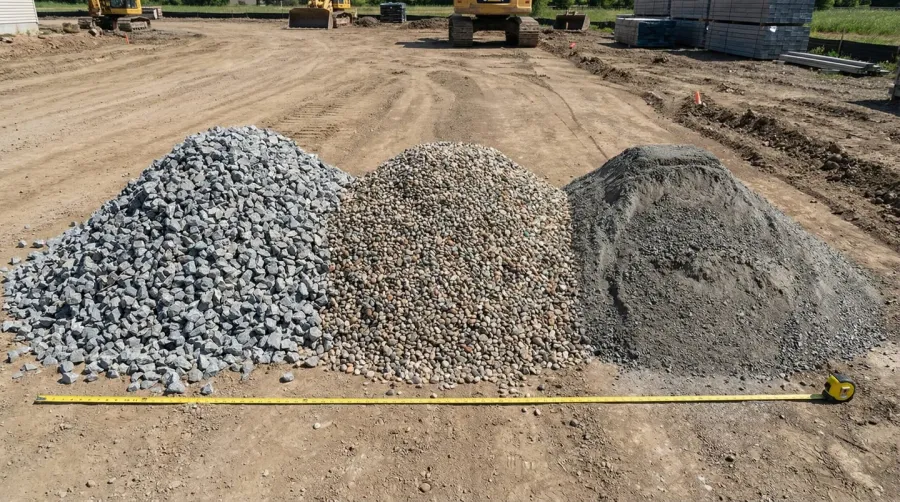
Access to your delivery site significantly impacts pricing. Easy-access locations with wide driveways cost less, while remote sites or areas requiring smaller trucks command premium rates. Some suppliers charge flat delivery fees within certain radius zones, while others calculate exact mileage.
| Gravel Type | Price Range (per ton) | Common Uses |
|---|---|---|
| Crushed Stone | $15-30 | Driveways, foundations |
| Pea Gravel | $40-60 | Landscaping, walkways |
| River Rock | $50-120 | Decorative features |
| Decomposed Granite | $25-50 | Pathways, patios |
Gravel is sold by the ton delivered, and distance from the pit drives the spread between markets. Compare local pricing in Gravel delivery in Houston, Gravel delivery in Little Rock, Gravel delivery in Amarillo, Gravel delivery in Dallas, Gravel delivery in Crestview, Gravel delivery in San Angelo, Gravel delivery in Staten Island, Gravel delivery in San Antonio, Gravel delivery in Albuquerque and Gravel delivery in Pocatello.
Factors that drive your delivery costs
Distance from the supplier plays the biggest role in delivery pricing. Most gravel yards serve a 20-30 mile radius efficiently, but costs increase significantly beyond that range. You might pay double the delivery fee for locations 50+ miles away from the nearest supplier.
Your order size affects both material and delivery costs. Dump trucks come in various sizes, from 10-ton to 25-ton capacity. Smaller loads often cost more per ton because you’re not maximizing the truck’s efficiency. A 10-ton load might cost $300-650 delivered, while a full 20-ton load offers better per-ton value. For specific pricing on smaller quantities, check out how much 5 tons of gravel costs to understand the economics of partial loads.
Money-Saving Tip: Coordinate with neighbors on timing if multiple properties need gravel. Some suppliers offer route discounts for multiple deliveries in the same area on the same day.
Site accessibility creates the most variable costs. Standard delivery assumes the truck can dump directly where you need the material. If your site requires a smaller truck, hand-loading, or special equipment, expect surcharges of $50-200. Steep driveways, narrow gates, or soft ground conditions all impact delivery feasibility and cost.
Seasonal demand affects pricing significantly. Spring and early summer see peak demand as construction projects ramp up. Ordering during fall or winter can save 10-20% on both material and delivery costs. Weather conditions also matter since suppliers may charge extra for deliveries during challenging conditions.
Smart strategies for reducing gravel costs
Timing your order strategically can yield substantial savings. Late fall through early spring typically offers the best pricing as demand drops. Many suppliers offer off-season discounts of 15-25% to keep their operations running during slower periods.
Bulk purchasing remains the most effective cost-reduction strategy. Instead of ordering multiple small loads, calculate your total project needs and order once. The price difference between a 5-ton and 15-ton order often makes the larger quantity more economical even if you don’t need it all immediately. For large-scale projects, understanding the cost of bulk gravel can help you maximize savings through volume discounts.
Consider partial self-service options if available. Some suppliers offer reduced delivery rates if you can help with placement or if you pick up smaller quantities yourself. This works well for decorative projects where you need just a few tons of specialty gravel.
Compare multiple suppliers but look beyond just price. Factor in delivery reliability, material quality, and customer service. A slightly higher price from a dependable supplier often proves more valuable than saving a few dollars with an unreliable one. If you’re in specific regions, exploring gravel prices per ton in Ohio or your local area can reveal regional pricing variations.
Planning your gravel delivery project
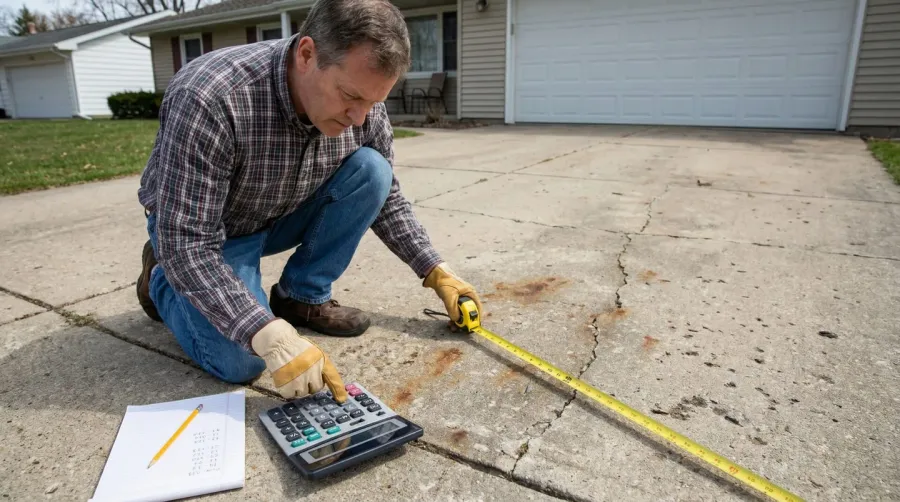
Calculate your needs accurately before requesting quotes. For driveways, you typically need 2-3 inches of gravel depth. Multiply length × width × depth (in feet), then divide by 27 to get cubic yards needed. Most gravel weighs 1.3-1.7 tons per cubic yard, so you can estimate tonnage from there.
Get quotes from at least three suppliers to understand local market rates. Provide specific details about your location, access conditions, and timeline. Ask about minimum orders, delivery scheduling, and any additional fees upfront to avoid surprises. Learning about the cost of a truckload of gravel helps you understand typical truck capacities and associated pricing structures.
Planning Tip: Order 10-15% more gravel than your calculations suggest. It’s cheaper to have extra material than to pay for a second small delivery later.
Schedule delivery when you’re ready to use the material. Gravel piles can create drainage issues and may violate local regulations if left too long. Most suppliers expect you to move the material within a few days of delivery unless you’ve arranged for placement services.
Consider the delivery truck’s size and your property’s limitations. Standard dump trucks need 12-14 feet of overhead clearance and firm ground to support 40,000+ pounds when loaded. Communicate any restrictions to avoid delivery delays or additional charges.
Planning your gravel delivery project doesn’t have to be complicated. Focus on accurate measurements, compare multiple suppliers, and time your order strategically. With these fundamentals in place, you’ll get quality materials delivered efficiently at a fair price that fits your budget.
FAQ
How much does gravel delivery cost per ton in 2025?
Gravel delivery costs range from $15-75 per ton in 2025, with delivery fees adding $10-25 per ton or $2-5 per mile. Basic crushed stone is the most affordable at $15-30 per ton, while decorative river rock can reach $120 per ton. The total delivered price typically falls between $55-65 per yard for most common gravel types.
What is the cost of a full dump truck load of gravel?
A standard dump truck load (15-20 tons) costs $450-900 delivered locally, while larger 25-ton loads range from $800-1,200. The exact cost depends on gravel type, delivery distance, and site accessibility. Bulk orders offer better per-ton value compared to smaller partial loads.
What factors affect gravel delivery pricing?
Key factors include gravel type and quality, order quantity (bulk discounts available), delivery distance from supplier, site accessibility, seasonal demand, and regional market conditions. Difficult access sites may incur surcharges of $50-200, while ordering during off-peak seasons can save 10-20% on total costs.
How can I reduce my gravel delivery costs?
To minimize costs, order in bulk to get volume discounts of 15-30%, schedule delivery during fall or winter for off-season savings, coordinate with neighbors for route discounts, choose local suppliers within 20-30 miles, and ensure easy site access to avoid surcharges. Calculate your total project needs upfront to avoid multiple small deliveries.
Materials for this project
Get it delivered — dumped where you need it
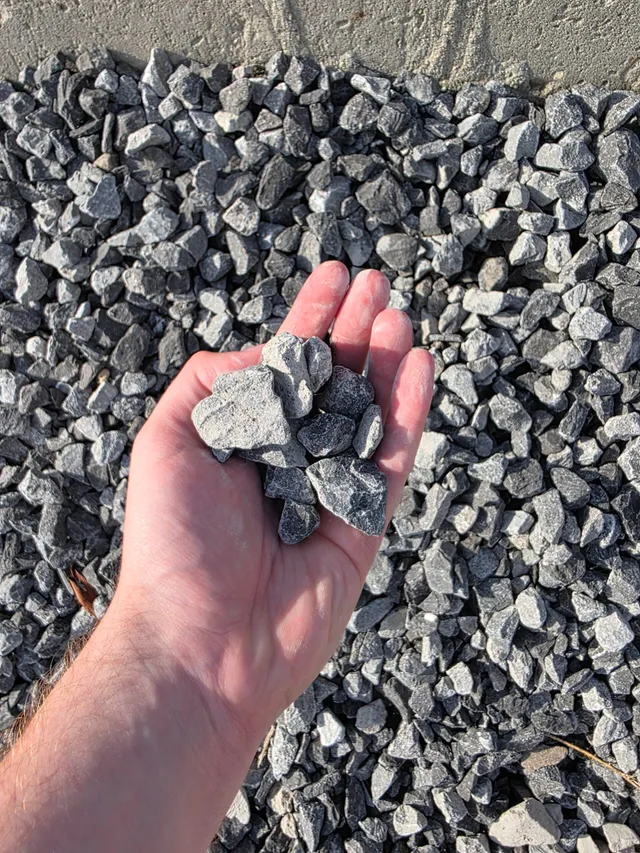
Driveway Gravel
Driveways & Parking areas
See delivered price
View product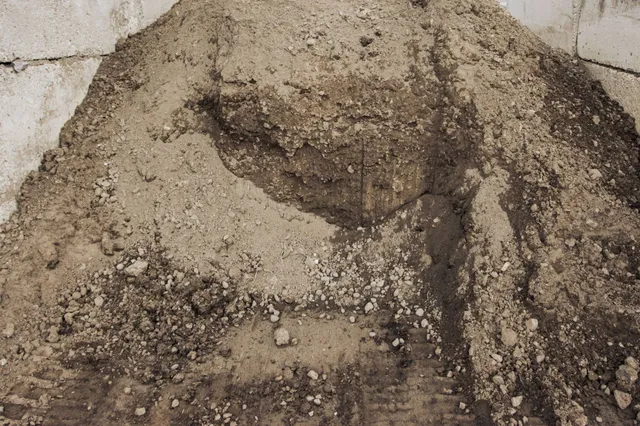
Fill Dirt
Grading & Backfill
See delivered price
View product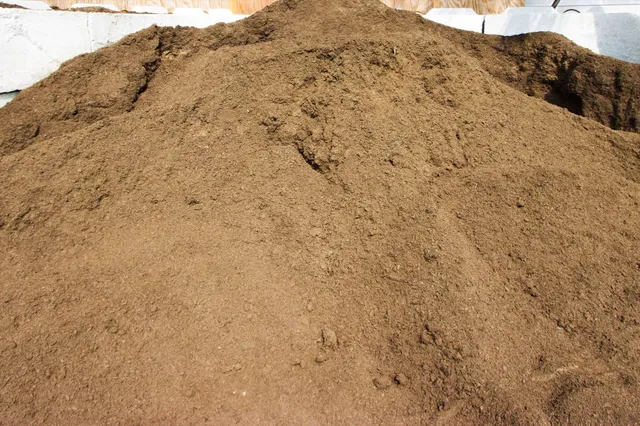
Topsoil
Lawn establishment & Garden beds
See delivered price
View product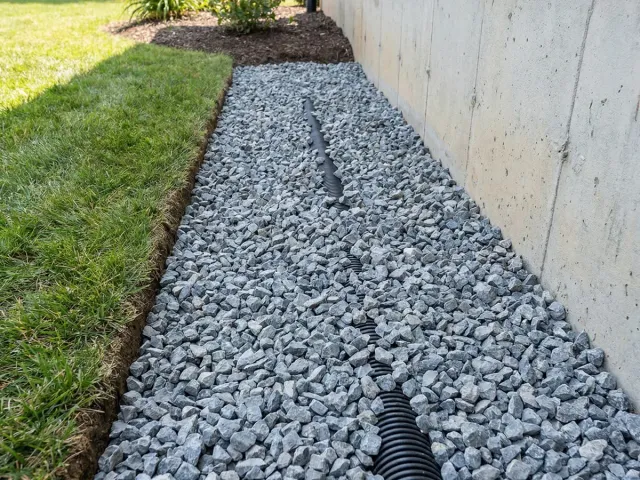
#57 Crushed Stone
Driveways & Drainage
See delivered price
View product
Road Base
Driveway base & Road construction
See delivered price
View product