
Gravel Prices per Ton in Ohio (2026 Delivered Cost)
Free local estimate
See delivered prices for your ZIP in 60 seconds
Tell us where the project is and we'll price this material — delivered — for your exact ZIP.
- Real delivered pricing for your ZIP — not a generic range.
- Works for any quantity — driveways, pads, drains, or full projects.
- Prefer to talk? We follow up with local availability and delivery windows.
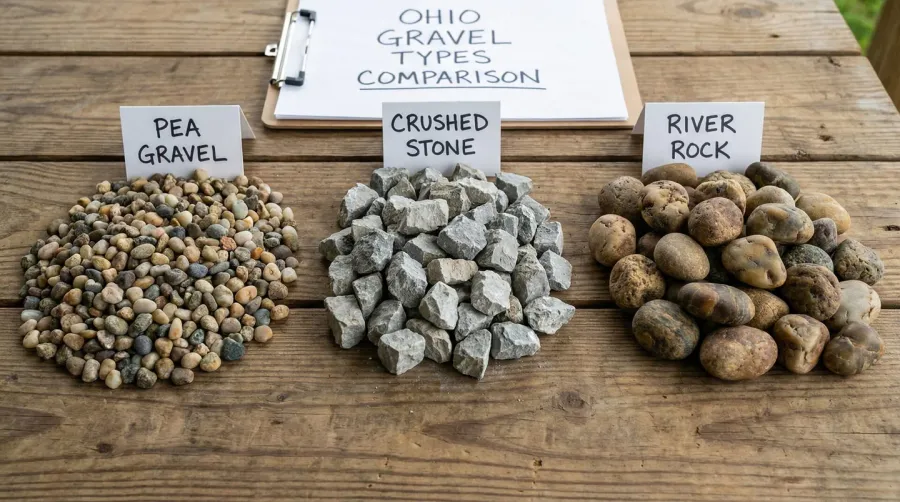
Planning a driveway, pathway, or landscaping project in Ohio? You’re looking at gravel costs ranging from $25 to $100 per ton depending on the type and location. Pea gravel typically runs $30-$50 per ton, while crushed stone costs $25-$50 per ton, and decorative river rock can reach $50-$100 per ton.
Understanding these price ranges helps you budget accurately and choose the right material for your specific needs. Whether you need 3 tons for a small pathway or 8 tons for a full driveway, knowing current market rates for gravel per ton ensures you get fair pricing from suppliers.
Quick Answer: Most Ohio homeowners pay between $35-$60 per ton for standard gravel types, with delivery adding $50-$150 depending on distance and quantity ordered.
About Hello Gravel
Hello Gravel delivers bulk gravel, rock, dirt, and sand by the ton. Enter your ZIP code to see prices with delivery included. A local dump-truck driver places the load where access is safe; spreading is not included.
Current gravel types and pricing in Ohio
Different gravel types serve specific purposes and come with varying price points. Here’s what you can expect to pay across Ohio suppliers in 2025.
Pea gravel remains the most popular choice for residential projects. These smooth, rounded stones work perfectly for walkways, garden beds, and decorative areas. The small size allows for easy installation and creates attractive, stable surfaces. Most suppliers charge $30-$50 per ton, with premium colored varieties reaching $55 per ton.
Crushed stone offers the best value for structural applications. The angular edges lock together when compacted, making it ideal for driveways and foundations. Standard #57 crushed stone typically costs $25-$45 per ton, while finer grades like #8 or #9 may cost slightly more at $30-$50 per ton.
River rock provides natural beauty but comes at a premium price. These water-smoothed stones create stunning landscaping features and excellent drainage solutions. Expect to pay $50-$100 per ton depending on size and color, with larger decorative pieces commanding higher prices.
Money-Saving Tip: Crushed stone offers the best cost-per-performance ratio for most residential projects, providing durability at 20-30% less cost than decorative options.
Factors affecting your total gravel cost
Several key factors influence what you’ll actually pay for gravel beyond the base price per ton. Understanding these helps you budget more accurately.
Location and delivery distance significantly impact total costs. Suppliers typically charge $2-$5 per mile for delivery, with minimum fees of $50-$100. Urban areas like Columbus and Cleveland often have more competitive base prices due to multiple suppliers, while rural locations may see 10-15% higher costs. For a complete breakdown of gravel delivery pricing, consider both distance and quantity factors.
Quantity ordered affects both unit price and delivery efficiency. Most suppliers offer bulk discounts starting at 5-10 tons, with savings of $3-$8 per ton. Single-ton purchases often include higher per-unit costs and may not qualify for free delivery. If you’re planning a larger project, understanding bulk gravel costs can help you maximize savings.
Seasonal demand creates price fluctuations throughout the year. Spring and early summer see peak pricing when construction activity surges. Ordering during fall or winter months can save 10-20% on both materials and delivery costs.
Special requirements like weekend delivery, precise placement, or difficult access add extra fees. These services typically cost $25-$75 additional but may be worth it for complex projects.
How much gravel do you need for your project
Calculating the right amount prevents costly overages or project delays from running short. Here’s a straightforward approach that works for most residential projects.
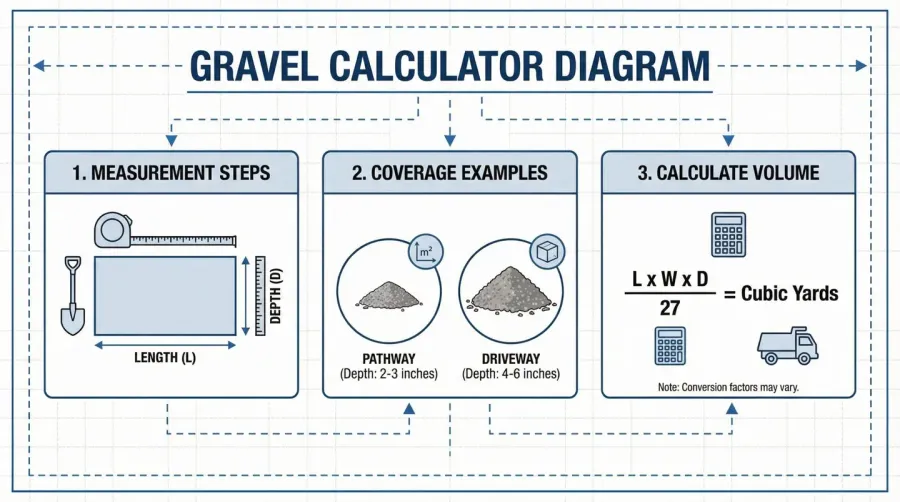
Start by measuring your project area in feet. For rectangular spaces, multiply length times width to get square footage. Irregular areas require breaking into smaller sections and adding the totals together.
Depth determines coverage per ton. Most residential applications need 2-4 inches of gravel depth. One ton of gravel typically covers 100 square feet at 2 inches deep, 70 square feet at 3 inches deep, or 50 square feet at 4 inches deep.
For a standard 12×20 foot driveway (240 square feet) at 3 inches deep, you’d need approximately 3.5 tons of gravel. Always add 10% extra to account for compaction and minor measurement variations.
Common project calculations: A 200 square foot pathway at 2 inches needs 2 tons. A 400 square foot parking area at 4 inches requires 8 tons. For medium-sized projects, check out pricing for 5 tons of gravel to get a better sense of total costs. These estimates help you quickly assess material needs and associated costs.
Smart strategies to reduce gravel costs
Several proven approaches can significantly lower your total project cost without compromising quality or results.
Bulk purchasing offers the most immediate savings. Ordering 10+ tons typically reduces per-ton costs by $5-$10 and often includes free delivery within reasonable distances. Consider coordinating with neighbors for shared deliveries if your individual needs are smaller. For large-scale projects, explore pricing for 100 tons of gravel to understand volume discount opportunities.
Timing your purchase strategically can save substantial money. Late fall through early spring offers the best pricing, with some suppliers discounting 15-25% during slow periods. Plan ahead and store materials if you have space.
Supplier comparison reveals significant price variations. Get quotes from at least three local suppliers, including both large operations and smaller regional companies. Smaller suppliers sometimes offer better pricing for residential quantities.
Pro Strategy: Many suppliers offer “contractor pricing” for orders over certain thresholds, even to homeowners. Ask about volume discounts when requesting quotes.
Self-pickup eliminates delivery fees entirely if you have appropriate transportation. A standard pickup truck handles 1-2 tons safely, while trailer rentals expand capacity cost-effectively for larger projects. Understanding the cost of a truckload of gravel helps you decide whether delivery or pickup makes more financial sense.
Ready to move forward with your gravel project? Start by measuring your space accurately, then contact local suppliers for current pricing. Compare total costs including delivery, and don’t forget to factor in any additional materials like landscape fabric or edging that might be needed for professional results.
FAQ
How much is 1 ton of pea gravel in Ohio?
1 ton of pea gravel costs $30-$50 in Ohio as of 2025, with most suppliers charging around $37-$40 per ton. Premium colored varieties can reach $55 per ton. This smooth, rounded gravel is perfect for walkways, garden beds, and decorative landscaping areas.
What is #57 gravel price per ton in Ohio?
#57 gravel in Ohio costs $25-$45 per ton, with most suppliers charging $35-$42 per ton in 2025. This crushed stone is ideal for driveways and foundations because the angular edges lock together when compacted, providing excellent stability and drainage.
How much gravel do I need for a 12×20 driveway?
For a 12×20 foot driveway (240 square feet) at 3 inches deep, you’ll need approximately 3.5 tons of gravel. One ton typically covers 70 square feet at 3 inches deep. Always add 10% extra to account for compaction and minor measurement variations.
What factors affect gravel delivery costs in Ohio?
Gravel delivery costs in Ohio depend on distance ($2-$5 per mile), quantity ordered (bulk discounts start at 5-10 tons), and seasonal demand. Most suppliers charge minimum delivery fees of $50-$100, with additional charges for weekend delivery, precise placement, or difficult access adding $25-$75.
Materials for this project
Get it delivered — dumped where you need it
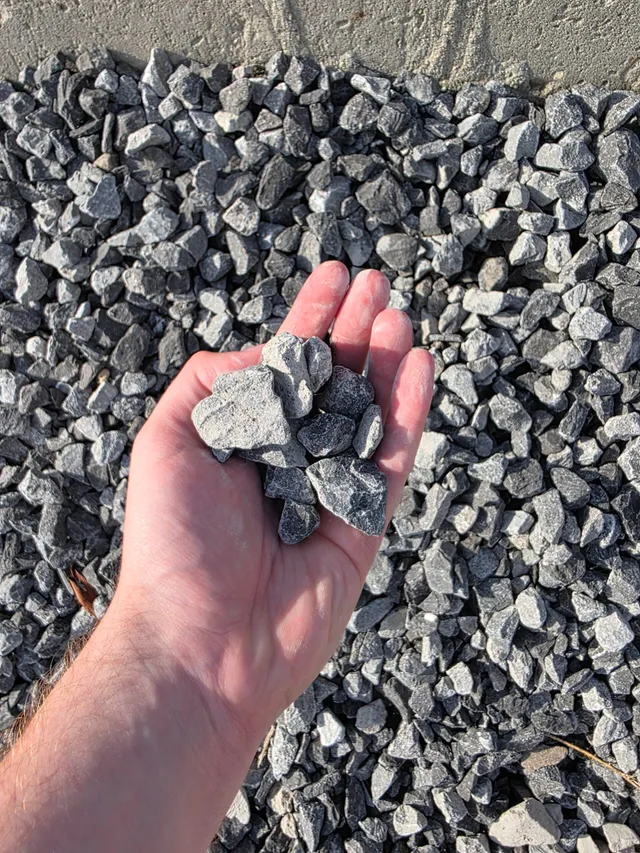
Driveway Gravel
Driveways & Parking areas
See delivered price
View product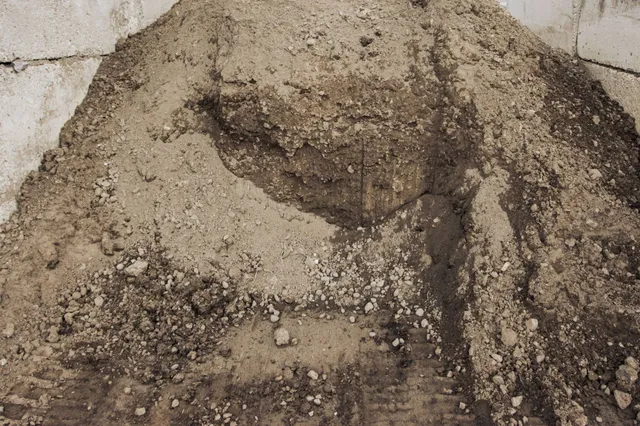
Fill Dirt
Grading & Backfill
See delivered price
View product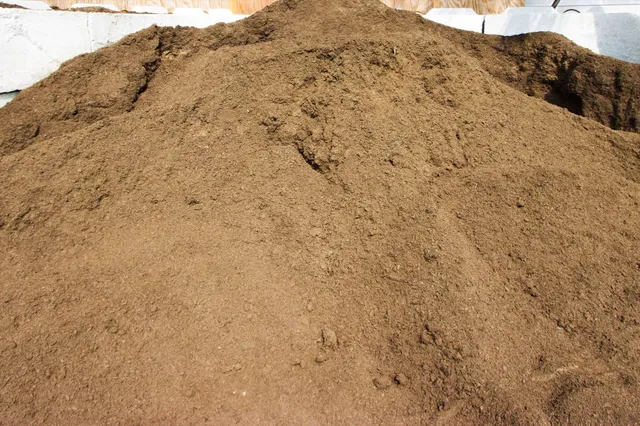
Topsoil
Lawn establishment & Garden beds
See delivered price
View product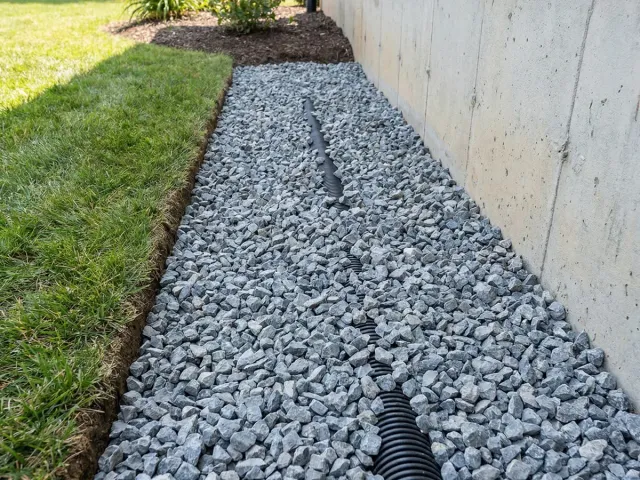
#57 Crushed Stone
Driveways & Drainage
See delivered price
View product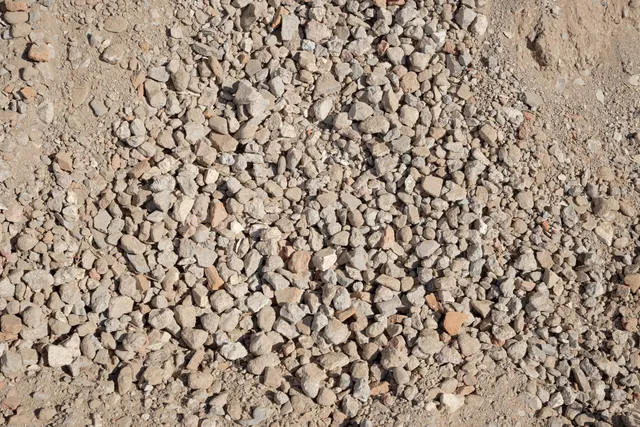
Road Base
Driveway base & Road construction
See delivered price
View product