What is Quarry Dust (Crusher Fines) – Uses, Benefits, Cost & More
Published on: December 18, 2025
Get an estimate for your project in 60 seconds

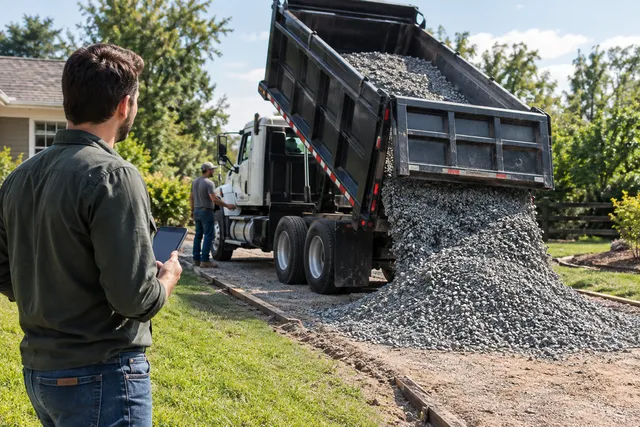
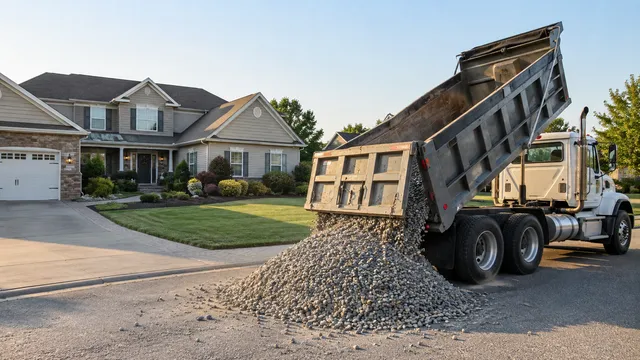
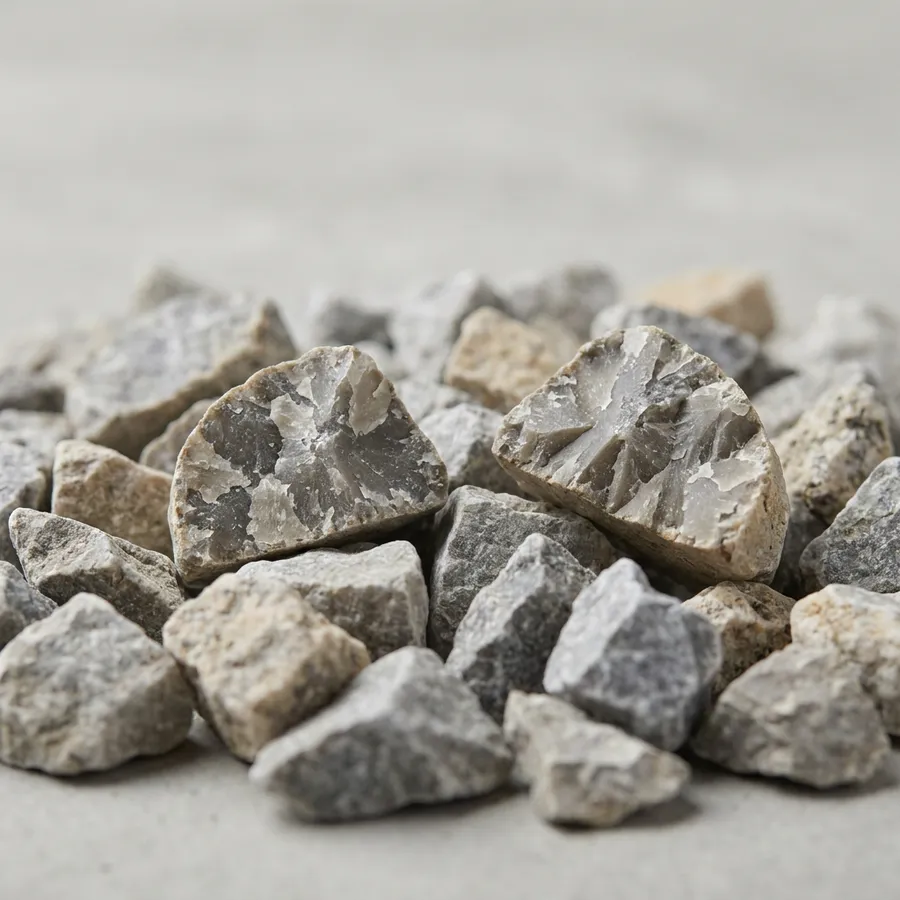
Quarry dust, also known as crusher fines or crushed stone fines, is a fine material created as a byproduct when rocks are crushed during quarrying operations. This angular, powdery substance has transformed from waste material into a valuable resource for construction, landscaping, and road building projects.
The material consists of particles smaller than 4.75mm and offers excellent binding properties when mixed with cement or used as a base material. You’ll find quarry dust being used everywhere from concrete production to patio installations, making it one of the most versatile and cost-effective materials in the construction industry.
Quick Fact: Quarry dust can reduce cement usage in concrete by up to 10-15% while maintaining structural strength, making it both economical and environmentally friendly.
What exactly is quarry dust and how is it produced
Quarry dust forms naturally during the rock crushing process at quarries. When large rocks are blasted from quarry walls, they’re transported to crushing plants where powerful machines break them down into various sizes. The finest particles that result from this crushing process become quarry dust.
The production involves several key steps. First, rocks are extracted through controlled blasting. These rocks then go through primary crushers that break them into smaller chunks. Secondary and tertiary crushers further reduce the size, creating the fine particles we know as quarry dust. Finally, screening separates the dust from larger aggregate materials, similar to how washed aggregate is processed to remove fines.
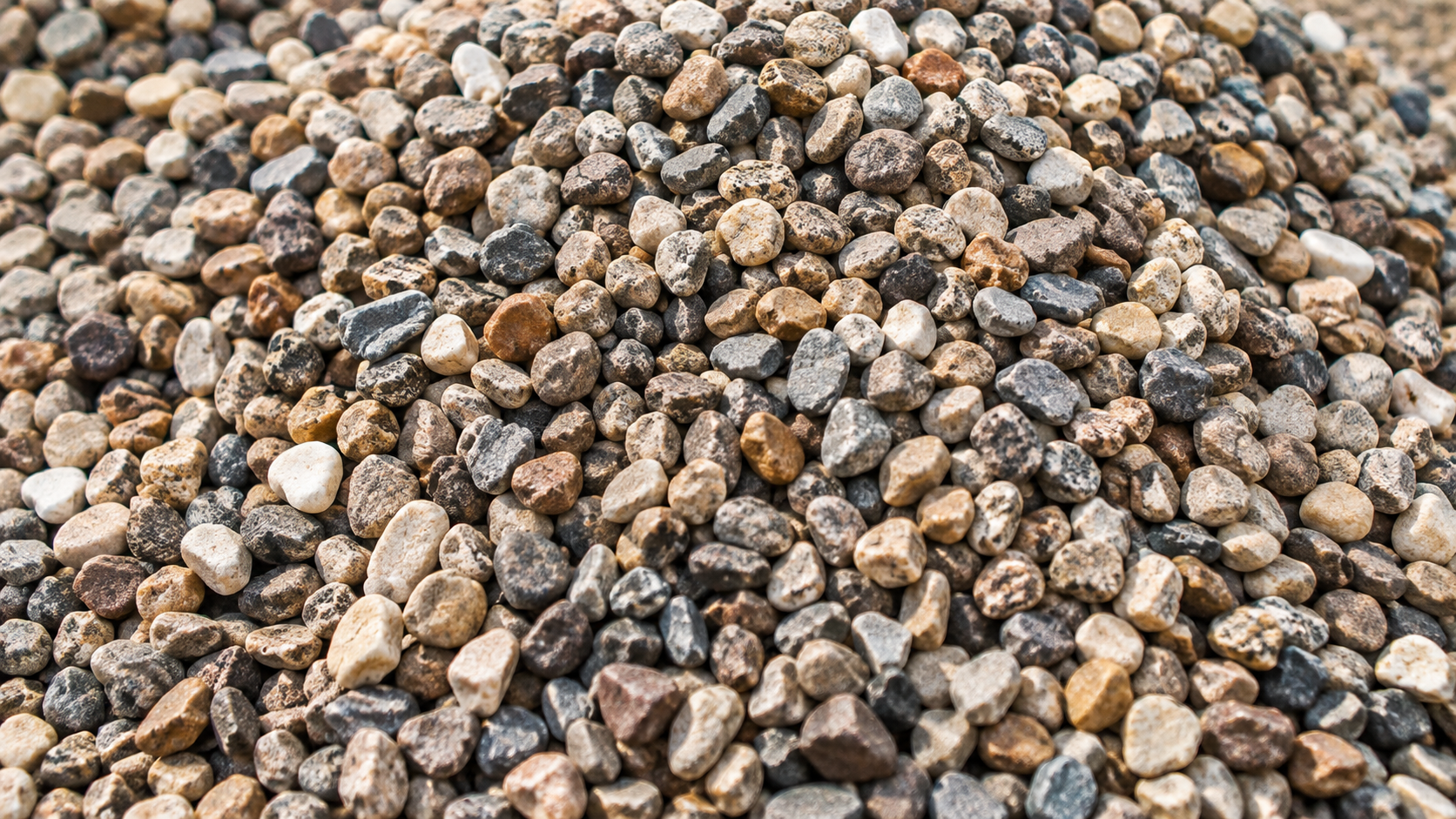
Most quarry dust comes from granite, limestone, or basalt sources, which gives it excellent strength characteristics. The angular shape of the particles, unlike naturally rounded sand, provides superior interlocking properties that make it ideal for construction applications.
Primary uses of quarry dust in construction and landscaping
Quarry dust serves multiple purposes across different industries, making it incredibly valuable for various projects. In concrete production, it acts as a partial replacement for natural sand, often improving the final product’s strength and workability.
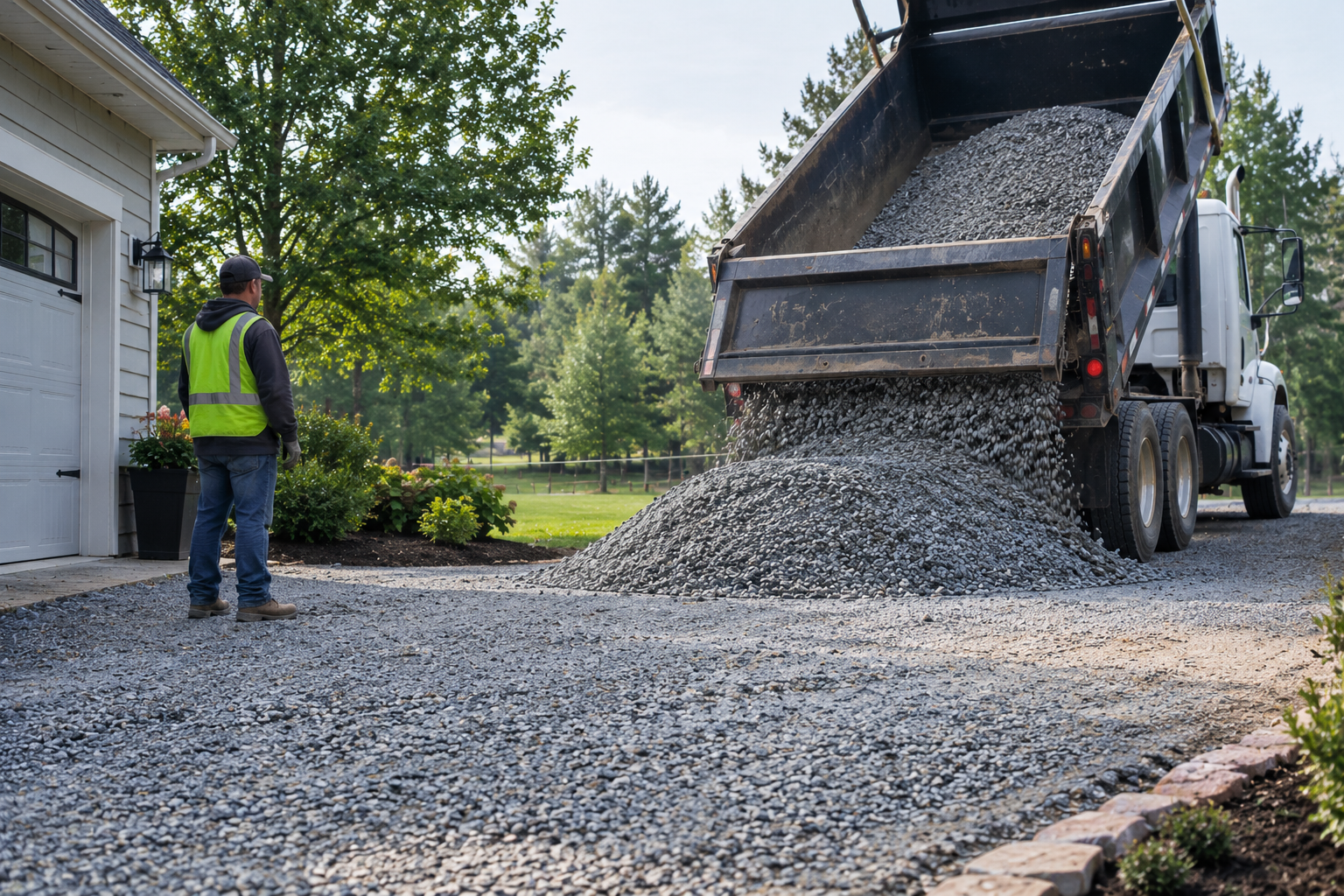
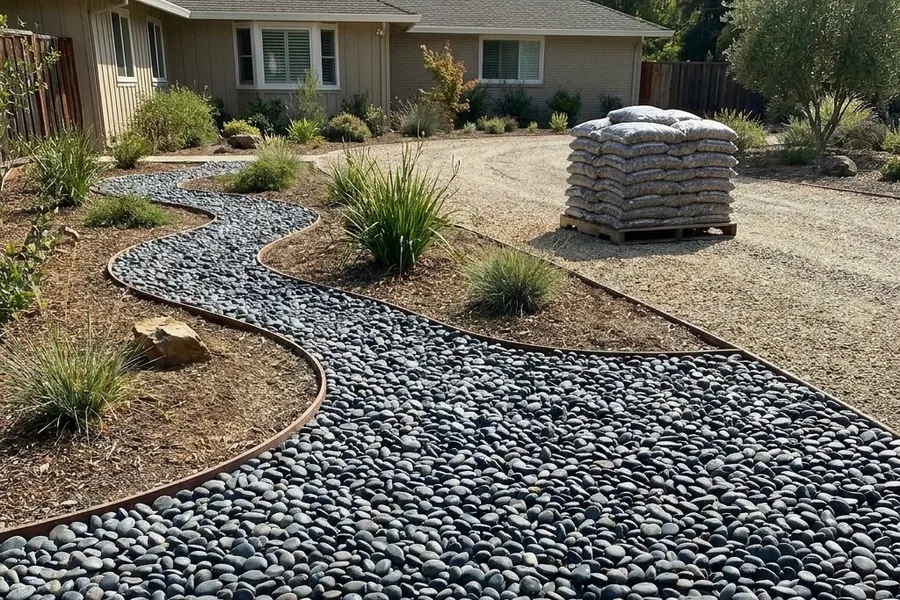
For landscaping projects, you’ll find quarry dust used as a base material under pavers, walkways, and patios. Its ability to compact tightly creates a stable foundation that won’t shift over time, much like ABC aggregate base course provides for roadways. Many landscapers also use it for leveling surfaces and filling gaps between stones.

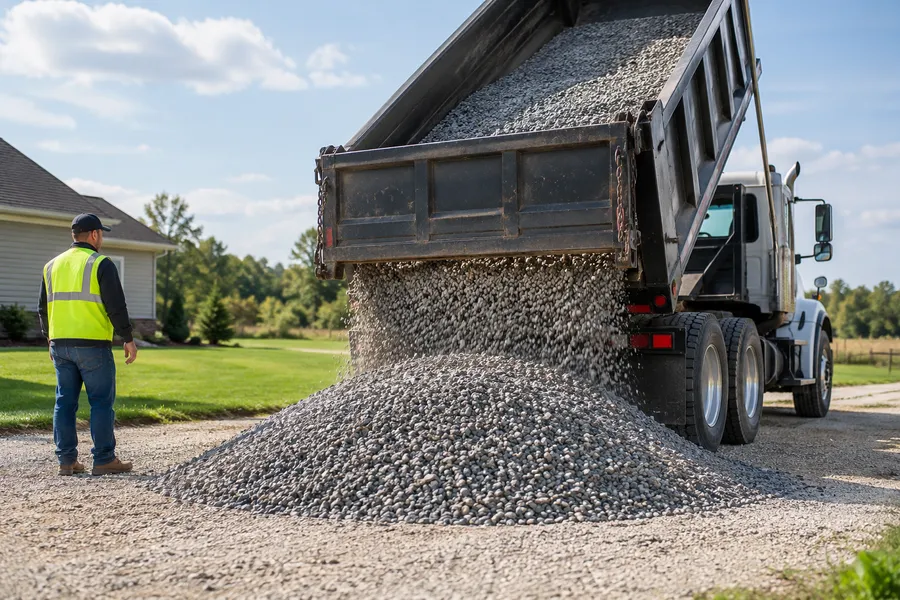
Road construction represents another major application. Quarry dust works excellently as a sub-base material, providing the solid foundation needed for asphalt or concrete surfaces. Its compaction properties help create roads that can handle heavy traffic loads without settling, similar to the performance characteristics of Class 2 ABC gravel.
The material also proves valuable for erosion control projects. When properly applied, quarry dust helps stabilize slopes and embankments, preventing soil loss during heavy rains. Agricultural applications include soil amendment, where the mineral content helps improve soil structure and fertility.
Benefits and drawbacks of using quarry dust
Using quarry dust offers several significant advantages that make it attractive for many projects. The material costs considerably less than natural sand while often providing superior performance characteristics. Its angular particles create better bonding with cement, resulting in stronger concrete and more stable base layers.
From an environmental perspective, quarry dust represents an excellent example of waste reduction. Instead of disposing of this byproduct, the industry has found ways to put it to productive use, reducing the need to extract additional natural resources.
The compaction properties of quarry dust exceed those of many natural materials. When properly installed and compacted, it creates an extremely stable base that resists movement and settling, achieving optimal compaction and drainage similar to other specialized aggregates. This makes it particularly valuable for applications requiring long-term stability.
However, quarry dust does present some challenges you should consider. The fine particle size means it can become dusty during handling and installation, potentially affecting air quality. Proper dust suppression measures become essential during construction.
Important Consideration: Quarry dust requires careful moisture management during installation. Too much water can cause it to become muddy, while too little prevents proper compaction.
Water drainage can also be a concern in some applications. The fine particles can reduce permeability compared to coarser materials, which might not be suitable for projects requiring good drainage characteristics.
Cost factors and comparison with alternatives
| Material | Average Cost per Ton | Compaction Rating | Environmental Impact |
|---|---|---|---|
| Quarry Dust | $15-25 | Excellent | Low (byproduct) |
| Natural Sand | $20-35 | Good | High (extraction) |
| Crushed Gravel | $25-40 | Very Good | Medium |
The cost of quarry dust varies based on several factors, with location being the most significant. Proximity to quarries dramatically affects pricing, as transportation costs can quickly add up for distant projects. Local availability and demand also influence pricing, with high-demand areas typically seeing higher costs.
Seasonal factors play a role too. Construction seasons often see increased demand and higher prices, while winter months might offer better deals in many regions. The quantity you need also affects pricing, with bulk purchases typically offering better per-ton rates.

When comparing quarry dust to alternatives like natural sand or crushed stone, the cost advantage becomes clear. You’re typically looking at savings of 20-40% compared to natural sand, while often getting superior performance characteristics. For projects requiring specific base materials, you might also consider non-spec aggregate base or common borrow gravel depending on your application requirements. The environmental benefits add another layer of value that many projects now prioritize.
For most applications, quarry dust provides the best balance of performance, cost, and environmental responsibility. Its versatility means you can use it across multiple aspects of a project, potentially simplifying material ordering and reducing overall costs.
Money-Saving Tip: Consider ordering quarry dust in bulk during off-peak seasons to maximize cost savings, especially for larger landscaping or construction projects.
The growing recognition of quarry dust’s benefits continues to drive demand across the construction industry. As more contractors and landscapers discover its advantages, this versatile material is becoming a standard choice for projects requiring reliable, cost-effective base materials. Whether you’re planning a small patio installation or a major construction project, quarry dust offers the performance characteristics and economic benefits that make it worth serious consideration for your material needs.
FAQ
What is quarry dust and how is it different from regular sand?
Can quarry dust replace sand in concrete mixtures?
What are the main uses of quarry dust in landscaping projects?
How much does quarry dust cost compared to other materials?
Author: igor