What Does a Ton of Gravel Look Like and Why Buy in Bulk

Get an estimate for your project in 60 seconds
 Your information is secure
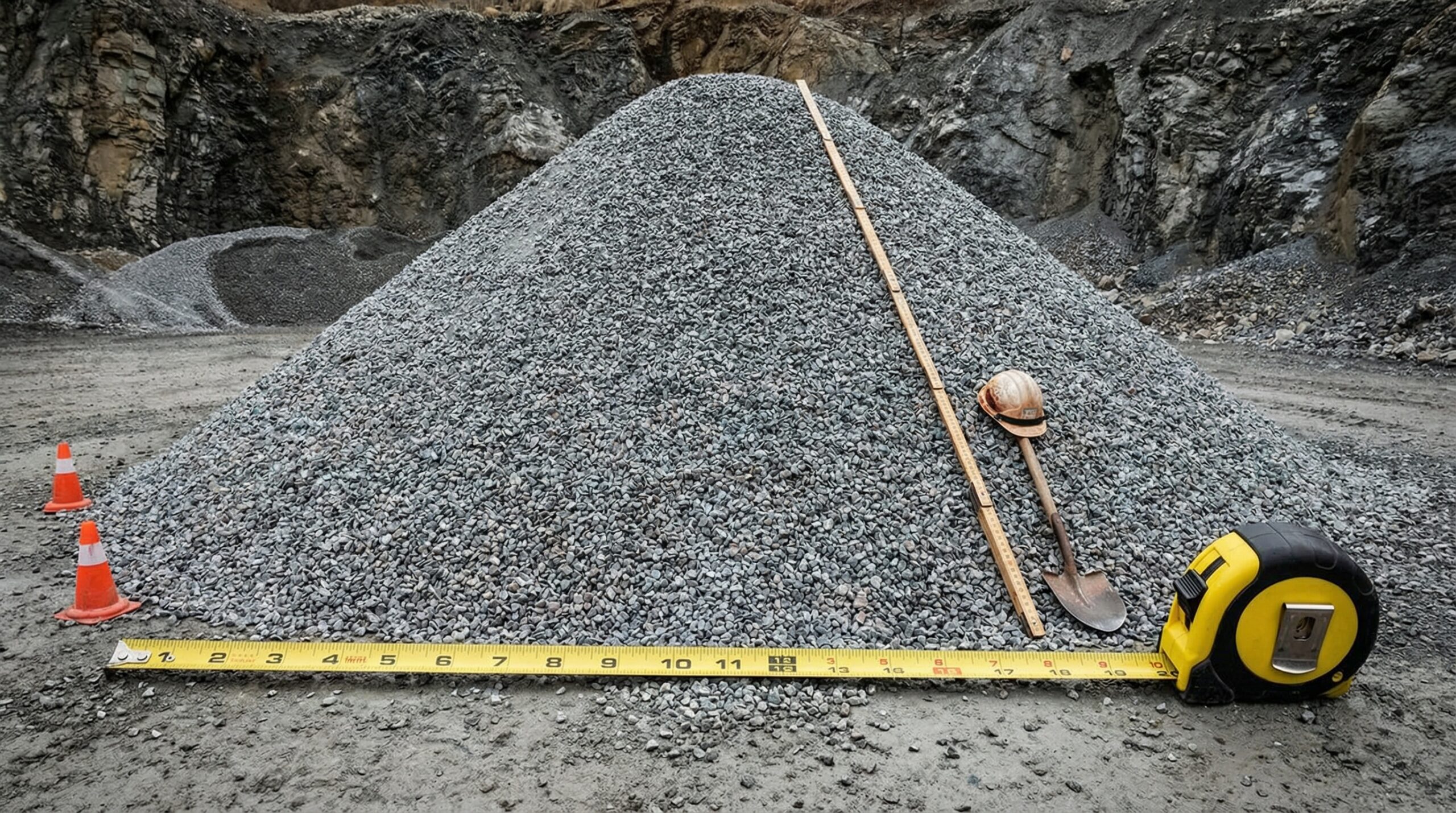
When planning your next driveway or landscaping project, you might wonder what exactly a ton of gravel looks like and whether buying in bulk makes sense. A ton of gravel typically covers about 100 square feet at 2 inches deep, roughly the size of a small bedroom. This substantial amount of material offers significant advantages over buying smaller quantities, from cost savings of 30-50% to reduced delivery trips.
Quick Answer: One ton of gravel covers approximately 100 square feet at 2 inches deep or 80 square feet at 3 inches deep, depending on the gravel type and compaction.
Understanding gravel measurements and bulk purchasing benefits helps you make smarter decisions for your project. Whether you’re creating a new driveway, improving drainage, or enhancing your landscape design, buying gravel by the ton can save you money while ensuring you have enough material to complete your work efficiently. At Hello Gravel, we specialize in simplifying the aggregate purchasing process for DIY homeowners, landscapers, contractors, and municipalities across all 50 states.
Understanding gravel measurements and coverage
Visualizing a ton of gravel becomes easier when you understand how suppliers measure and deliver this material. Most gravel weighs between 1.3 to 1.7 tons per cubic yard, meaning one ton equals roughly 0.6 to 0.75 cubic yards of material.
When delivered, a ton of pea gravel creates a pile approximately 3 feet wide, 3 feet long, and 2 feet high. Crushed stone, being denser, forms a slightly smaller pile. The exact size depends on the gravel type and moisture content, but you can expect a manageable pile that fits comfortably in most driveways or designated storage areas.
Coverage calculations help you determine your needs accurately. For a standard 3-inch deep application, one ton covers about 80 square feet. If you’re creating a thinner 2-inch layer for pathways, that same ton stretches to cover 100 square feet. These measurements assume proper compaction and minimal waste during installation.

Different gravel types affect coverage rates. Pea gravel, with its rounded stones, settles differently than angular crushed stone. River rock requires more material per square foot due to larger stone sizes and irregular settling patterns. Understanding these differences helps you order the right amount for your specific project. Hello Gravel’s online material calculator can help you determine exactly how many cubic yards or tons you need based on your project measurements. For more detailed information on calculating your needs, check out our guide on how much a yard of gravel costs.
Economic advantages of bulk gravel purchasing
The financial benefits of buying gravel by the ton become apparent when you compare bulk prices to bagged alternatives.
Suppliers offer their best rates for orders of 500 tons or more, though Hello Gravel accommodates smaller transactions as well. This bulk pricing structure exists because delivery companies can transport larger quantities more efficiently, passing those savings directly to customers. You’ll often see additional discounts for orders exceeding 20 tons. To understand the full pricing structure, explore our comprehensive guide on the cost per ton of gravel.
Transportation costs also favor bulk purchases. Instead of multiple trips to collect bagged gravel, a single delivery truck brings your entire order directly to your project site. Hello Gravel works with local pits and haulers nationwide to deliver on time, every time, with delivery available in as little as 2 business days. Most suppliers charge $50-200 for delivery, making this fee more economical when spread across larger quantities rather than multiple small orders.
Money-Saving Tip: Purchase gravel during off-peak seasons (late fall through early spring) to take advantage of lower demand pricing and better availability.
Market timing can further enhance your savings. Gravel prices fluctuate seasonally, with spring and summer months seeing increased demand and higher prices. Buying during slower periods allows you to stockpile material at lower costs while ensuring availability for future projects. Hello Gravel’s marketplace serves as a free directory of up-to-date aggregate prices, helping you make informed purchasing decisions. Learn more strategies in our article about how to get cheaper gravel and sand for your projects.
Practical benefits for project efficiency
Bulk gravel purchasing eliminates the frustration of running short during critical project phases. Having adequate material on-site prevents work delays and allows you to maintain project momentum. This becomes especially important for time-sensitive projects like preparing driveways before winter or completing drainage work before rainy seasons.
Quality consistency represents another significant advantage of bulk purchasing. When you buy from a single source, you ensure uniform color, size, and texture throughout your project. This consistency becomes crucial for visible applications like decorative pathways or driveway surfaces where material variations would be noticeable. Hello Gravel’s network of trusted suppliers ensures consistent quality across all deliveries. For driveway-specific considerations, read our guide on gravel driveway costs.
Storage flexibility allows you to work at your own pace without pressure to complete projects quickly. Properly stored gravel can last indefinitely, giving you the freedom to tackle projects in phases or save material for future maintenance needs. A designated storage area on your property becomes a valuable resource for ongoing landscaping improvements.

Professional contractors often prefer working with bulk materials because it streamlines their operations. Having sufficient gravel on-site eliminates scheduling conflicts with material deliveries and allows crews to work more efficiently without interruptions for supply runs. Hello Gravel’s dedicated account managers help contractors with quotes, scheduling, and repeat orders, making the process seamless. Discover more insights in our article on material sourcing secrets for busy contractors.
Environmental and sustainability considerations
Bulk gravel purchasing supports environmental sustainability through reduced transportation emissions. A single delivery truck carrying 20 tons of gravel produces significantly less carbon emissions than 20 separate trips to collect bagged materials. This reduction in transportation frequency directly contributes to lower overall project environmental impact.
Choosing local suppliers further enhances environmental benefits while supporting your community’s economy. Hello Gravel can source and deliver material nearby wherever your job is located, working with local pits and haulers to minimize transportation distances. This approach reduces fuel consumption while supporting local businesses and employment. Many regional suppliers also implement sustainable mining practices and land restoration programs. Find quality suppliers near you with our guide on finding the best gravel around you.
Eco-Friendly Choice: Buying bulk gravel from local suppliers can reduce transportation emissions by up to 60% compared to multiple small purchases from distant retailers.
Packaging waste reduction represents another environmental advantage of bulk purchasing. Bagged gravel generates substantial plastic waste that requires disposal, while bulk delivery eliminates this packaging entirely. For large projects, this waste reduction can be significant and aligns with sustainable construction practices.
Responsible suppliers often participate in quarry restoration programs, returning mined areas to productive use as wildlife habitats, recreational areas, or agricultural land. By choosing suppliers committed to sustainable practices, your bulk purchase supports these environmental restoration efforts. Hello Gravel’s parent company, Crowley Holdings LLC, has provided millions of tons of aggregate to the U.S. government for years, demonstrating our commitment to responsible sourcing practices. Learn more about selecting the right supplier in our guide on choosing the best gravel supply company.
Understanding what a ton of gravel looks like and the benefits of bulk purchasing empowers you to make informed decisions for your construction and landscaping projects. The combination of cost savings, project efficiency, and environmental benefits makes bulk gravel purchasing an intelligent choice for most medium to large-scale applications.
Whether you’re building a new driveway, creating garden pathways, or improving property drainage, buying gravel by the ton provides the material quantity, quality consistency, and economic advantages needed for successful project completion. The key lies in accurately calculating your needs and choosing reputable suppliers who can deliver quality materials when and where you need them. Hello Gravel makes this process simple with our online ordering system, transparent pricing, and nationwide delivery network.