Colored Gravel for Driveways Transform Your Home’s Curb Appeal

Published on: January 14, 2026

Get an estimate for your project in 60 seconds

This field is hidden when viewing the form
Security lock iconYour information is secure


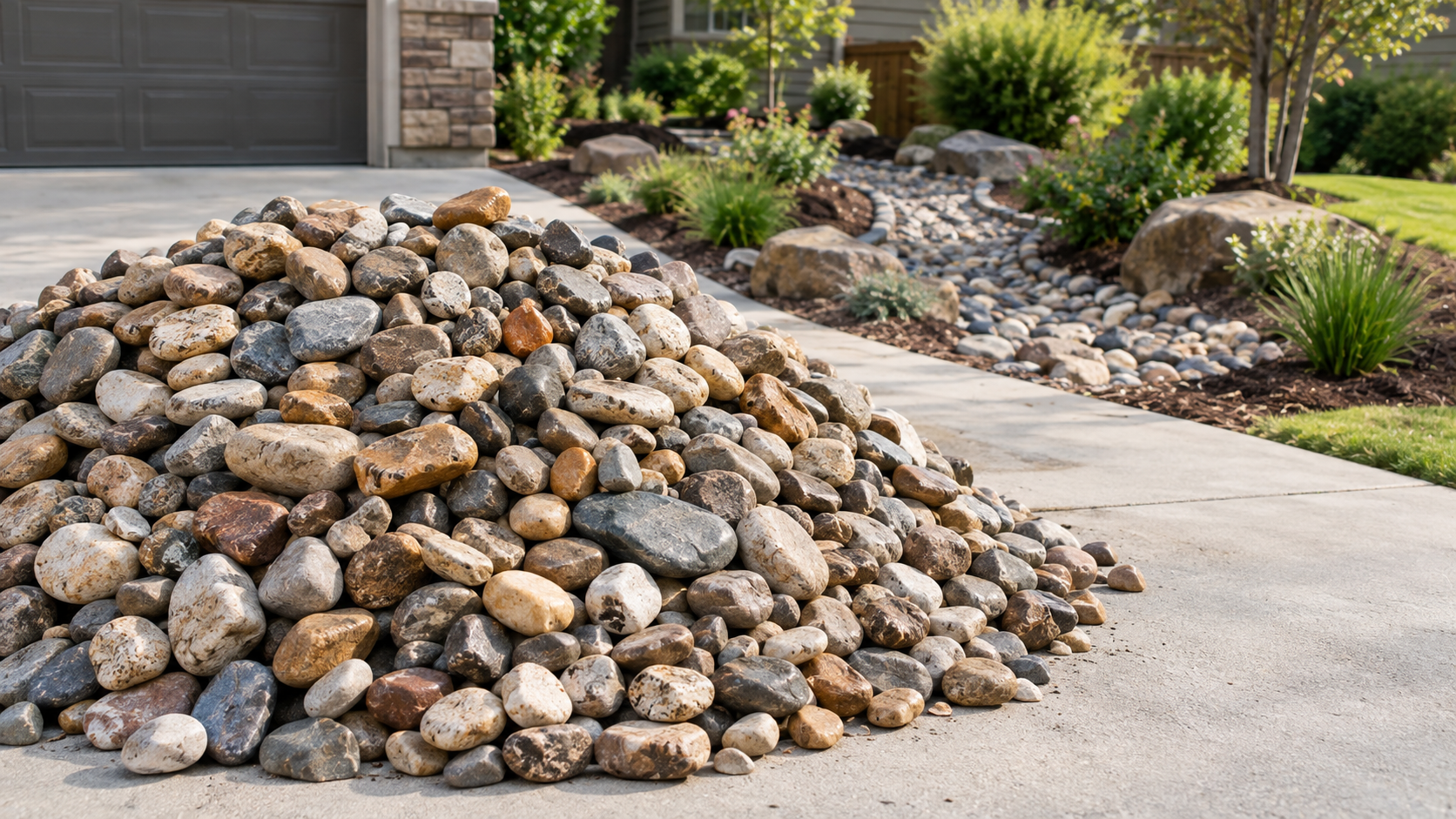
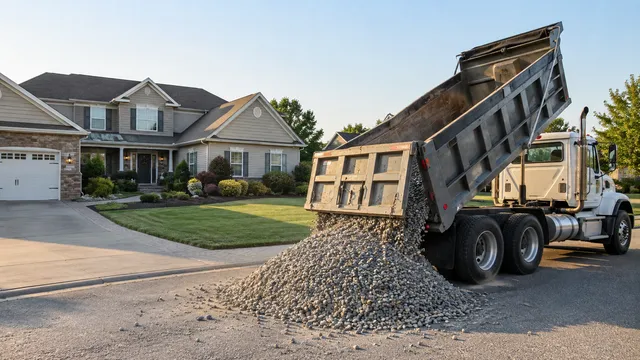
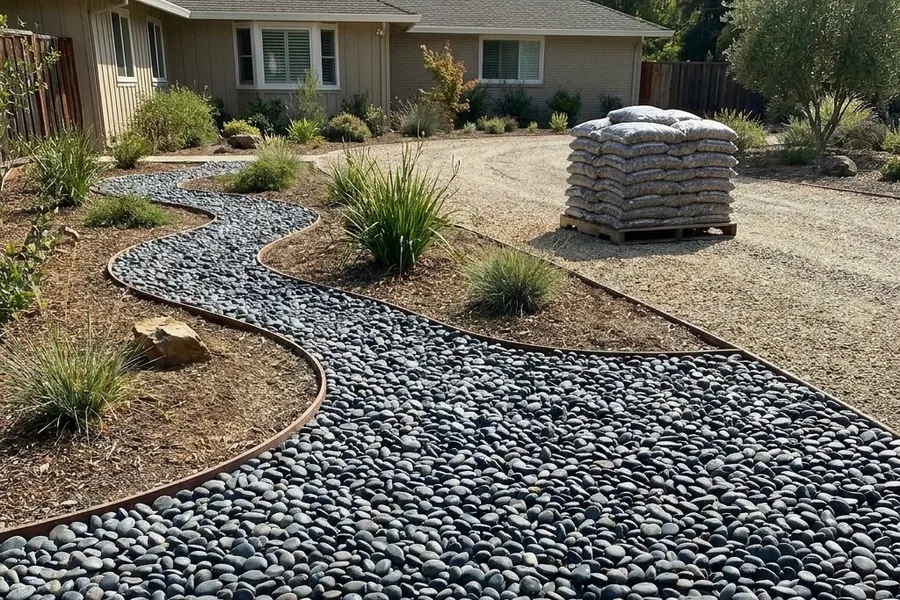
Colorful gravel driveway with modern home exterior showing various colored stones

Transform your plain driveway into a stunning focal point that neighbors will admire. Colored driveway gravel offers homeowners an affordable way to boost curb appeal while creating a durable, low-maintenance surface that lasts for decades.

Unlike traditional gray gravel, colored options come in vibrant hues ranging from warm earth tones to bold statement colors. You can choose from naturally colored stones or treated varieties that maintain their beauty through years of weather exposure. The best part? Installation typically costs 50-70% less than concrete or asphalt alternatives.

Pro Tip: Colored gravel driveways provide excellent drainage, preventing water pooling and reducing maintenance compared to solid surfaces.

This guide covers everything you need to know about selecting, installing, and maintaining colored gravel for your driveway project.

Understanding Colored Driveway Gravel Options

Colored driveway gravel comes in two main varieties that serve different aesthetic and functional needs. Natural stones like granite and limestone offer subtle earth tones, while treated gravels provide vibrant colors that make bold design statements.

The coloring process varies by manufacturer. Some stones are naturally pigmented through mineral content, while others receive dye treatments or coatings. Both options deliver long-lasting color when properly installed and maintained.

Size matters when choosing colored gravel. Smaller stones like pea gravel create smooth, comfortable walking surfaces. Larger crushed stone provides better vehicle stability and requires less frequent maintenance. Most homeowners find 3/8-inch to 3/4-inch sizes offer the best balance of appearance and functionality. For detailed guidance on selecting the right dimensions, check out our ultimate driveway gravel size chart.

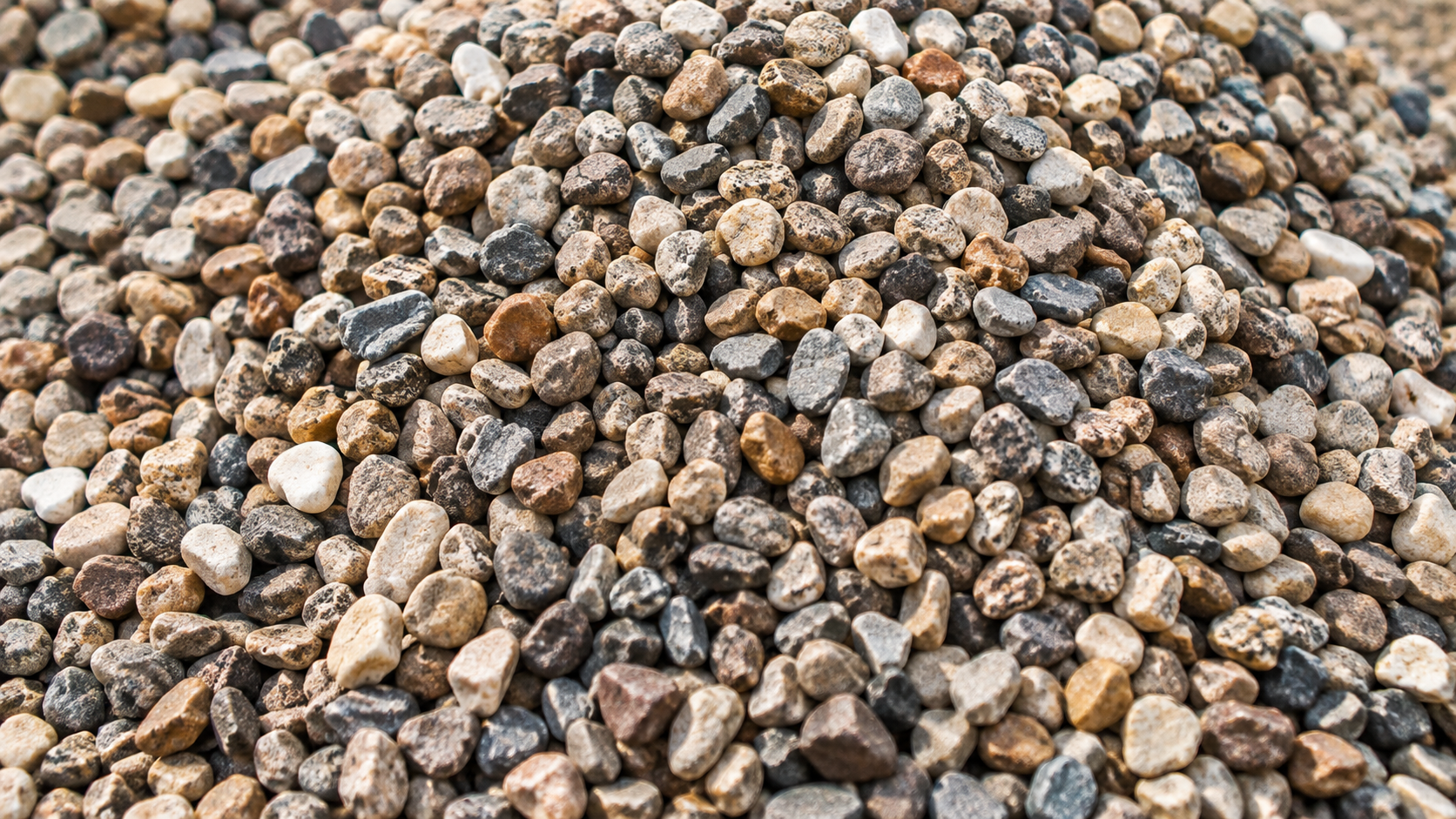
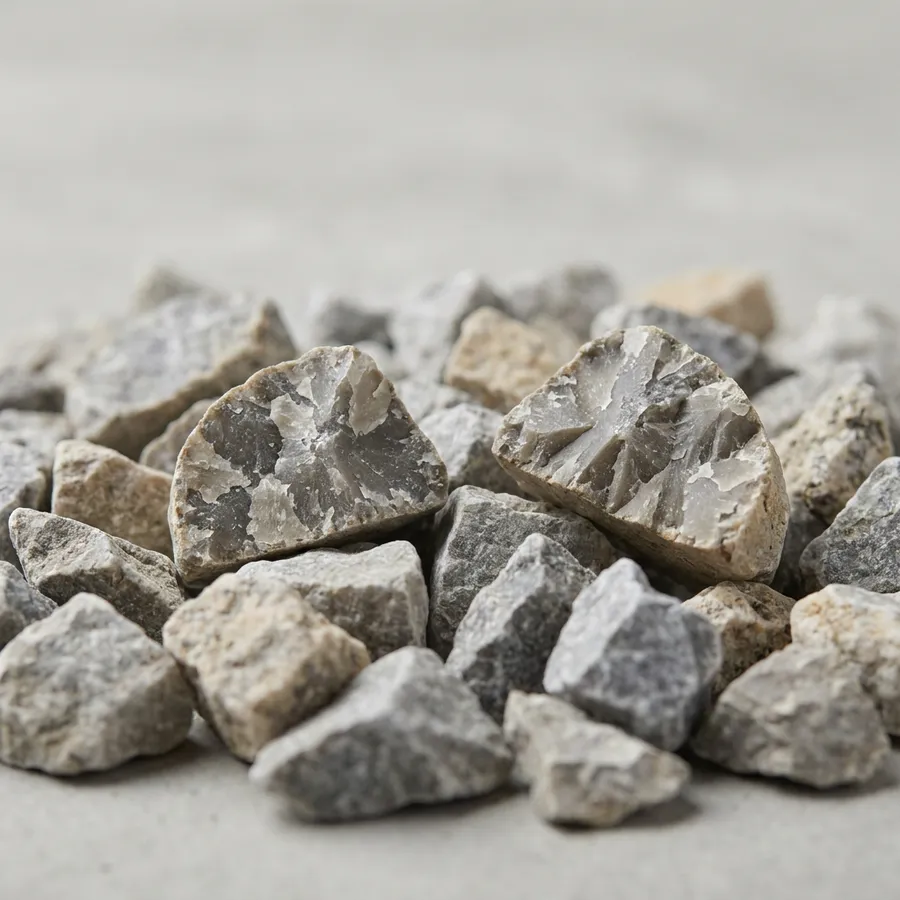
Close-up comparison of different colored gravel types showing size and texture differencesPopular colored gravel types include pea gravel in beige and brown tones, crushed stone in reds and blues, and decomposed granite in natural earth colors. Each type brings unique characteristics that affect both appearance and performance. Learn more about different types of driveway gravel to find the perfect match for your project.

Choosing the Perfect Color for Your Driveway

Your home’s exterior color palette should guide your gravel selection. Warm-toned siding pairs beautifully with brown, beige, or terra cotta gravel colors. Cool-toned exteriors complement gray, blue, or charcoal options.Consider your local climate when selecting colors. Light-colored gravels reflect sunlight and stay cooler in hot climates, making them more comfortable for walking. For a stunning modern aesthetic, explore blue driveway rock options that provide striking contrast. Dark colors absorb heat but can provide striking contrast in areas with limited sunlight.

Color Choice Best For Climate Consideration
Brown/Beige Warm exteriors All climates
Gray/Charcoal Cool exteriors Hot climates
Red/Terra Cotta Brick homes Moderate climates
Blue/Slate Modern designs All climates

Creating visual interest requires balancing contrast and harmony. A predominantly white home looks stunning with deep red or charcoal gravel, while earth-toned houses benefit from complementary natural shades. If you’re drawn to lighter tones, consider a white stone gravel driveway for timeless elegance.

Design Insight: Choose colors that enhance your landscaping too. Gravel should complement both your home and garden elements for a cohesive outdoor appearance.

Installation Process Made Simple

Proper preparation ensures your colored gravel driveway performs well for years. Start by clearing the area of vegetation, debris, and existing materials. Excavate to a depth of 4-6 inches, depending on your local frost line and expected traffic load.

Install a geotextile fabric barrier to prevent weed growth and improve stability. This step saves significant maintenance time later. Create a slight slope away from your home to ensure proper drainage and prevent water damage.

Layer installation follows a specific sequence. Apply a base layer of crushed stone for stability—understanding the best base rock for driveway applications is crucial for long-term performance. Then add your colored gravel in 2-3 inch thickness. Use a rake to distribute evenly, then compact with a tamper or roller to create a firm surface.

The entire installation typically takes one weekend for average-sized driveways. Professional installation costs range from $2-4 per square foot, while DIY projects cost approximately $1-2 per square foot for materials. Before starting, calculate how much gravel you need for your driveway to avoid ordering too much or too little.

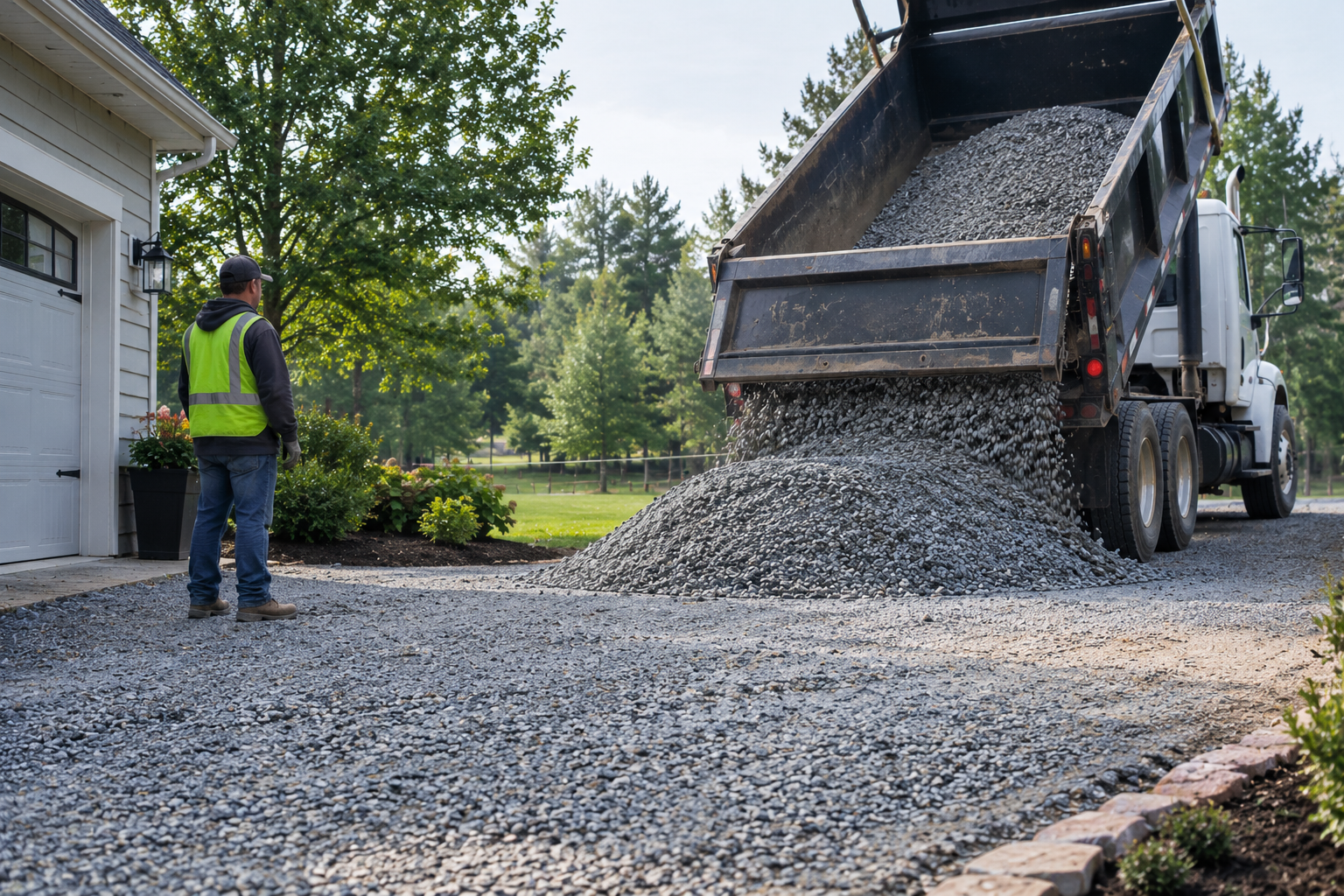
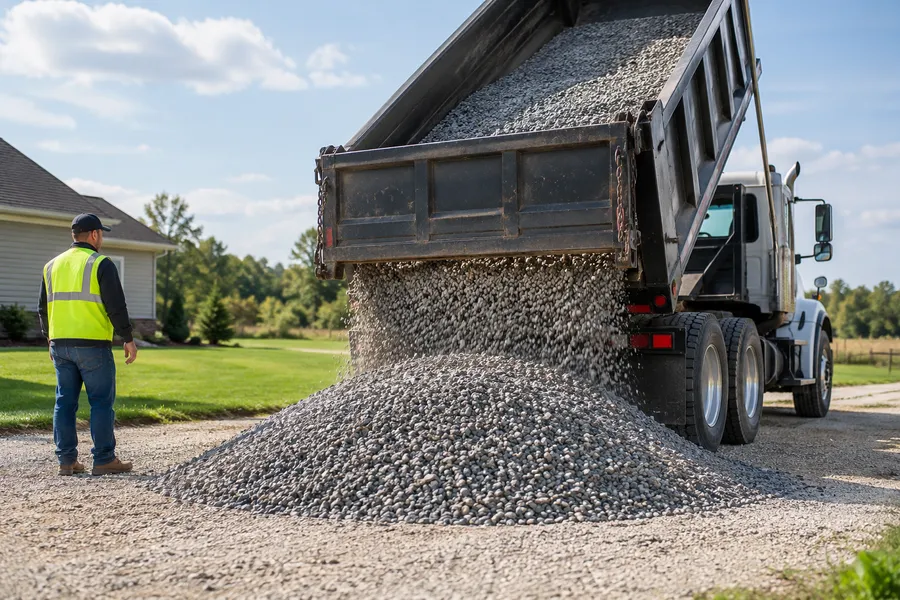
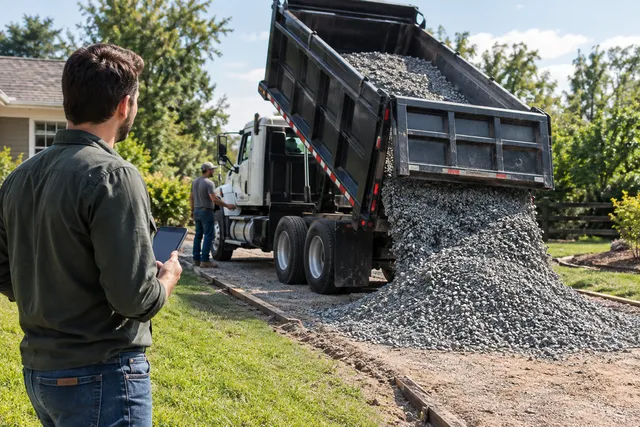
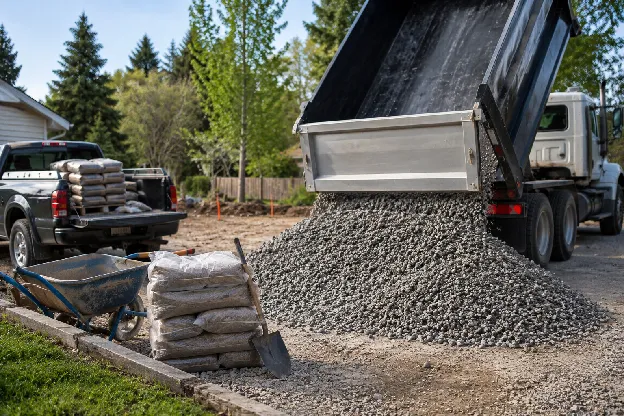
Step-by-step installation process showing gravel being spread and compacted on prepared driveway

Maintenance and Long-Term Care

Colored gravel driveways require minimal ongoing maintenance compared to other surface options. Regular raking every few months keeps the surface level and prevents rut formation. Remove debris like leaves and twigs to maintain the gravel’s visual appeal.

Inspect your driveway seasonally for areas where gravel has shifted or thinned. Add fresh material to low spots and redistribute as needed. This simple maintenance prevents larger problems and extends your driveway’s lifespan. For comprehensive maintenance strategies, read our guide on how to restore a gravel driveway.

Weed control becomes easier with proper installation, but occasional spot treatment may be necessary. Use environmentally friendly herbicides or manual removal to keep unwanted vegetation at bay. For effective solutions, explore our recommendations for the best weed killer for gravel.

Maintenance Tip: Keep extra gravel on hand for quick touch-ups. A small stockpile allows you to address minor issues before they become major problems.

With proper care, colored gravel driveways maintain their beauty and functionality for 15-20 years or more. The permeable surface helps prevent erosion while providing excellent traction in various weather conditions.

Colored gravel transforms ordinary driveways into attractive landscape features that enhance your property value and curb appeal. The combination of affordability, durability, and aesthetic flexibility makes it an excellent choice for homeowners seeking both beauty and practicality in their driveway solution.

FAQ

What are the best colored gravel options for driveways?

The best colored gravel options include pea gravel in brown and beige tones for a natural look, crushed stone in reds and blues for bold statements, and decomposed granite in earth colors for stability. Choose colors that complement your home’s exterior – warm tones like brown work well with brick homes, while cool grays and blues suit modern designs. Light colors reflect heat in hot climates, while darker options provide striking contrast.

How much does colored driveway gravel cost compared to regular gravel?

Colored driveway gravel typically costs $1-2 per square foot for DIY installation, while professional installation ranges from $2-4 per square foot. This is 50-70% less expensive than concrete or asphalt alternatives. Naturally colored stones are generally more affordable than treated varieties, but both options provide excellent value considering their 15-20 year lifespan and low maintenance requirements.

How do you maintain colored gravel driveways to prevent fading?

Maintain colored gravel driveways by raking every few months to keep the surface level, removing debris like leaves regularly, and adding fresh gravel to thin spots as needed. To prevent fading, choose UV-stable treated gravels or naturally colored stones. Avoid power washing which can strip color treatments, and keep extra gravel on hand for quick touch-ups to maintain the vibrant appearance.

What size colored gravel is best for driveways?

The best size for colored driveway gravel is 3/8-inch to 3/4-inch, which provides an optimal balance of appearance and functionality. Smaller stones like pea gravel create smooth walking surfaces but may shift under vehicle weight, while larger crushed stone offers better stability and requires less maintenance. The 3/8″ to 3/4″ range ensures good vehicle traction while maintaining visual appeal and manageable maintenance.

Author: