
Blue Driveway Rock (Types, Benefits, Installation)
Free local estimate
See delivered prices for your ZIP in 60 seconds
Tell us where the project is and we'll price this material — delivered — for your exact ZIP.
- Real delivered pricing for your ZIP — not a generic range.
- Works for any quantity — driveways, pads, drains, or full projects.
- Prefer to talk? We follow up with local availability and delivery windows.
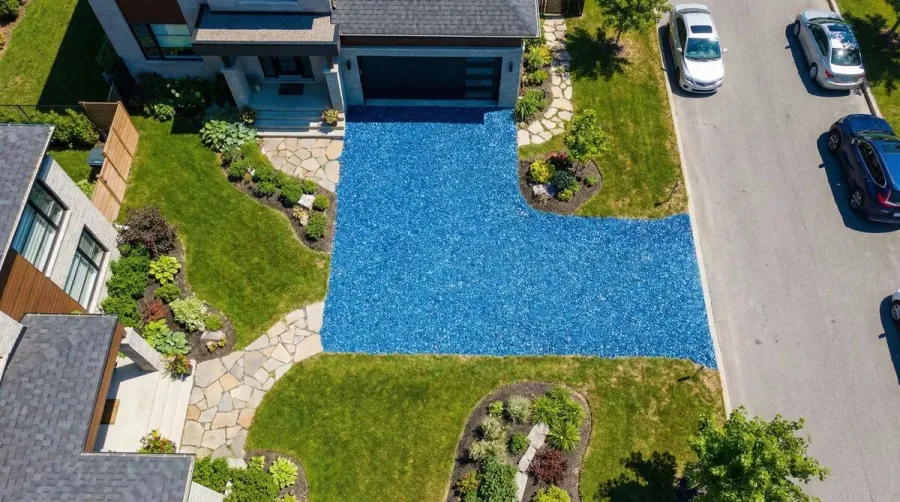
Blue driveway rock transforms ordinary driveways into stunning focal points that boost your home’s curb appeal. This unique crushed stone material combines aesthetic beauty with practical durability, making it an increasingly popular choice among homeowners. You’ll discover everything you need to know about selecting, installing, and maintaining blue driveway rock to create a distinctive entrance that lasts for years.
Quick Answer: Blue driveway rock is crushed stone with natural blue minerals that provides excellent drainage, durability, and low maintenance while creating an eye-catching driveway surface that typically costs $2-4 per square foot installed.
About Hello Gravel
Hello Gravel delivers bulk gravel, rock, dirt, and sand by the ton. Enter your ZIP code to see prices with delivery included. A local dump-truck driver places the load where access is safe; spreading is not included.
Understanding Blue Driveway Rock
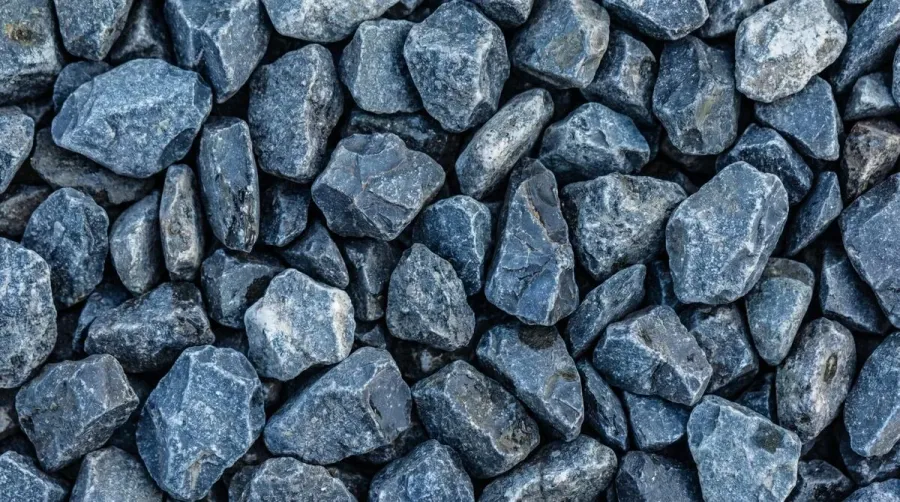
Blue driveway rock is crushed stone that gets its distinctive color from natural minerals like granite, limestone, or basalt. The crushing and screening process creates uniform pieces ranging from 3/4 inch to 1 inch in diameter, perfect for driveway applications.
The blue hue comes from specific mineral compositions found in quarries across the United States and Canada. When these rocks are processed, they maintain their natural color while providing the structural integrity needed for heavy vehicle traffic.
What sets blue driveway rock apart from standard gravel is its combination of visual appeal and functional benefits. The angular edges of crushed stone lock together when compacted, creating a stable surface that resists shifting and rutting.
Types and Selection Criteria
You have three main types of blue driveway rock to choose from, each offering different characteristics for your project.
Blue slate provides the smoothest texture and most vibrant color. Its natural sheen creates an elegant appearance that works well with modern home designs. However, slate can be more expensive than other options.
Crushed blue granite offers exceptional durability and a more rugged appearance. The rough texture provides excellent traction for vehicles and pedestrians, making it ideal for sloped driveways or areas with heavy traffic. For those interested in other granite options, our guide to granite driveway stones provides comprehensive information.
Blue limestone delivers a classic look with subtle blue-gray tones and natural veining. This option balances cost and aesthetics while providing reliable performance in various weather conditions. To learn more about optimal sizing, check out our guide on the best size limestone for driveway applications.
When selecting your blue driveway rock, consider your climate, traffic patterns, and budget. Areas with freeze-thaw cycles need harder materials like granite, while decorative applications might benefit from the refined look of slate.
| Rock Type | Durability | Cost Range | Best For |
|---|---|---|---|
| Blue Slate | Good | $3-5/sq ft | Modern homes |
| Blue Granite | Excellent | $2-4/sq ft | Heavy traffic |
| Blue Limestone | Very Good | $2.50-4/sq ft | Traditional styles |
Installation Process
Proper installation ensures your blue driveway rock performs well and looks great for years. The process begins with thorough site preparation, which is crucial for long-term success.
Start by removing existing materials and excavating to a depth of 4-6 inches. Create proper drainage by grading the surface with a slight slope away from buildings. Install geotextile fabric to prevent weed growth and separate the rock from the soil below. For optimal results, you’ll want to establish a solid foundation using the best base rock for driveway construction.
Next, spread your blue driveway rock in 2-inch lifts, working from one end to the other. Use a rake to achieve even distribution, then compact each layer with a plate compactor or hand tamper. This process may require 2-3 lifts depending on your desired final thickness. Learn more about proper techniques in our article on how to level a crushed stone base.
Pro Tip: Rent a plate compactor for best results. Hand tamping works for small areas, but mechanical compaction creates the firm, stable surface needed for vehicle traffic.
The final step involves adding edge restraints to prevent the rock from spreading into adjacent areas. You can use metal edging, concrete borders, or natural stone to create clean, defined edges that enhance your driveway’s appearance.
Maintenance and Cost Considerations
Blue driveway rock requires minimal maintenance compared to asphalt or concrete surfaces. Regular care involves removing debris with a leaf blower or rake and addressing any areas where rocks have shifted due to traffic.
Annual maintenance includes adding fresh rock to high-traffic areas and re-grading the surface if needed. Weed control is typically minimal thanks to the geotextile fabric, but occasional spot treatment may be necessary. For effective solutions, explore our recommendations for best weed killer for gravel.
The initial investment for blue driveway rock ranges from $2-4 per square foot installed, depending on your location and rock type. This includes materials, delivery, and professional installation. While the upfront cost may exceed standard gravel, the longevity and low maintenance requirements make it cost-effective over time. If you’re looking for more budget-friendly alternatives, consider reviewing our guide on cheapest gravel for driveways.
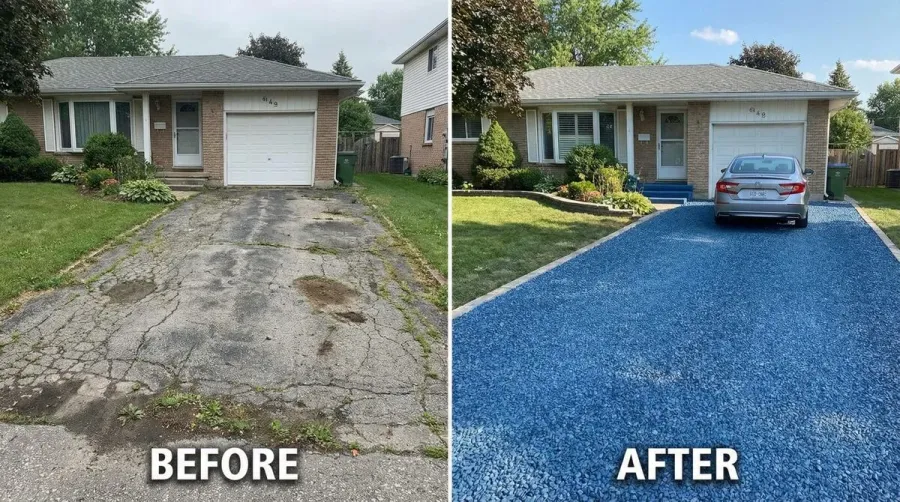
Factor in delivery costs when budgeting, as aggregate materials are heavy and transportation can add $100-300 to your project depending on distance from the supplier. To accurately plan your project, use our calculator for how much gravel do I need for a driveway.
Cost Insight: A typical 500 square foot driveway requires 8-10 tons of blue driveway rock, with total project costs ranging from $1,000-2,000 including installation.
Blue driveway rock offers an excellent balance of beauty, durability, and practicality for homeowners seeking to enhance their property’s entrance. With proper selection and installation, you’ll enjoy a distinctive driveway that requires minimal upkeep while providing years of reliable service. The investment in quality materials and professional installation pays dividends through reduced maintenance costs and increased property value.
FAQ
What size blue rock is best for driveways?
The best size for blue driveway rock is 3/4 inch to 1 inch in diameter. This size range provides optimal compaction and stability for vehicle traffic while maintaining good drainage. Smaller sizes like 3/8 inch work well for pathways, while larger pieces may not compact properly for driveway use.
How much does blue driveway rock cost per square foot?
Blue driveway rock typically costs $2-4 per square foot installed, depending on the type and location. Blue granite ranges from $2-4/sq ft, blue limestone costs $2.50-4/sq ft, and blue slate is the most expensive at $3-5/sq ft. This includes materials, delivery, and professional installation.
Does blue driveway rock require special maintenance?
Blue driveway rock requires minimal maintenance compared to asphalt or concrete. Regular care involves removing debris with a leaf blower or rake, adding fresh rock to high-traffic areas annually, and occasional re-grading if needed. The geotextile fabric installation helps prevent weed growth, making maintenance even easier.
What’s the difference between blue slate, granite, and limestone for driveways?
Blue slate offers the smoothest texture and most vibrant color with natural sheen, ideal for modern homes but more expensive. Blue granite provides exceptional durability and rough texture for excellent traction, perfect for heavy traffic areas. Blue limestone delivers a classic look with subtle blue-gray tones and natural veining, balancing cost and aesthetics.
Materials for this project
Get it delivered — dumped where you need it
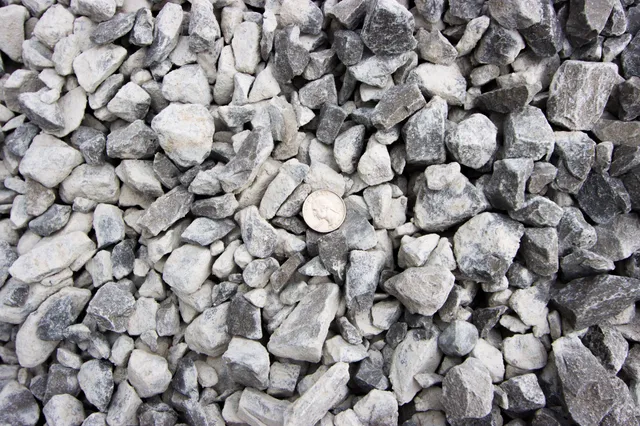
#610 Limestone
Driveway base & Road base
See delivered price
View product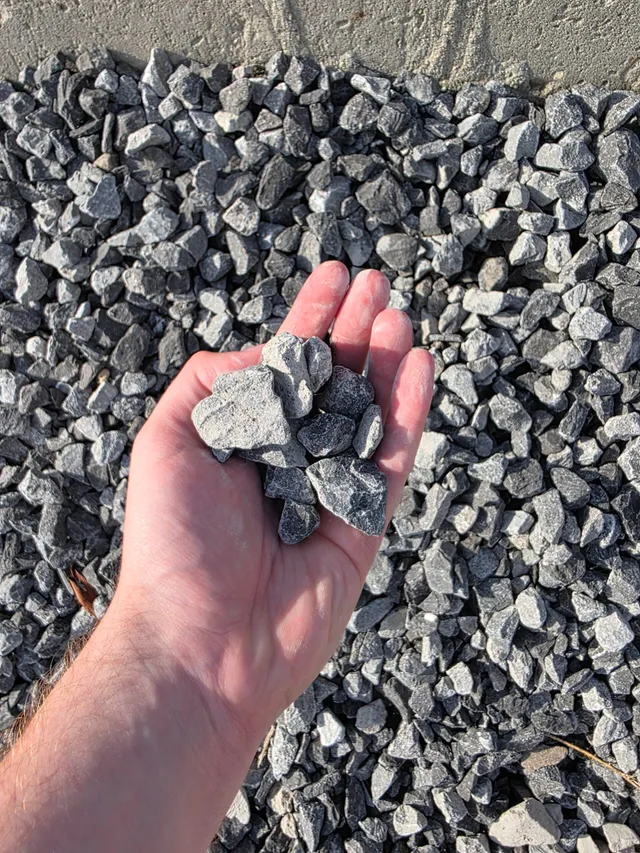
Driveway Gravel
Driveways & Parking areas
See delivered price
View product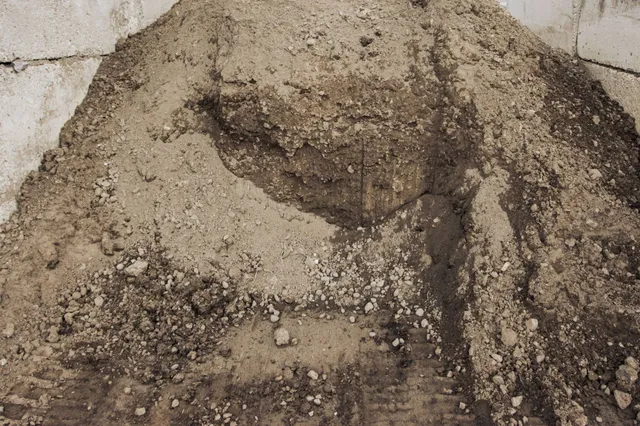
Fill Dirt
Grading & Backfill
See delivered price
View product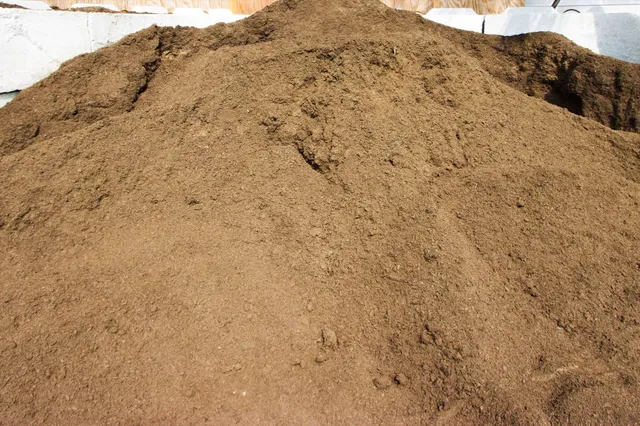
Topsoil
Lawn establishment & Garden beds
See delivered price
View product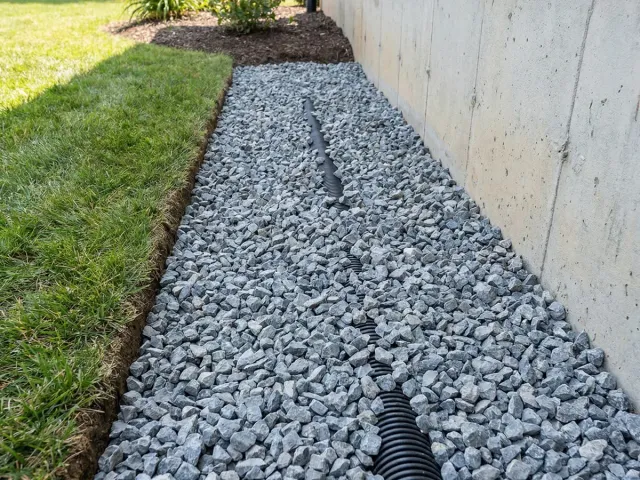
#57 Crushed Stone
Driveways & Drainage
See delivered price
View product