Driveway Stone Size Chart: Complete Guide to Choosing the Right Gravel Size
Published on: December 10, 2025
Get an estimate for your project in 60 seconds

Choosing the right stone size for your driveway can make the difference between a smooth, durable surface and one that causes vehicle damage or constant maintenance headaches. For standard residential driveways, #57 or #67 crushed stone (3/4 inch to 1 inch) works best for the top layer, while larger #3 stone (1-2 inches) provides excellent base support.
The key is understanding that different driveway types require different stone sizes. Heavy-duty driveways need larger, more angular stones for stability, while decorative driveways can use smaller, rounded stones like pea gravel. This guide includes a comprehensive stone size chart and practical recommendations to help you choose the perfect gravel for your specific needs.
Quick Tip: Most successful driveways use a three-layer system with different stone sizes for each layer – large stones for the base, medium stones for stability, and smaller stones for the driving surface.
Driveway Stone Size Chart and Quick Reference
Understanding stone sizes starts with knowing the measurement systems. Gravel is measured in inches, millimeters, and numbered grades that indicate the stone’s screening size. For a deeper dive into understanding the numbering system for gravel, check out our comprehensive guide.
| Stone Size | Grade Number | Best Use | Traffic Type | Key Benefits |
|---|---|---|---|---|
| 1/4″ – 1/2″ | Pea Gravel | Top layer, decorative | Light | Comfortable, attractive |
| 3/4″ – 1″ | #57, #67 | Top layer, standard | Medium to Heavy | Good traction, stable |
| 1″ – 2″ | #3, #4 | Base layer | All types | Excellent drainage, strong foundation |
| 2″ – 4″ | #1, #2 | Sub-base | Heavy duty | Maximum stability |
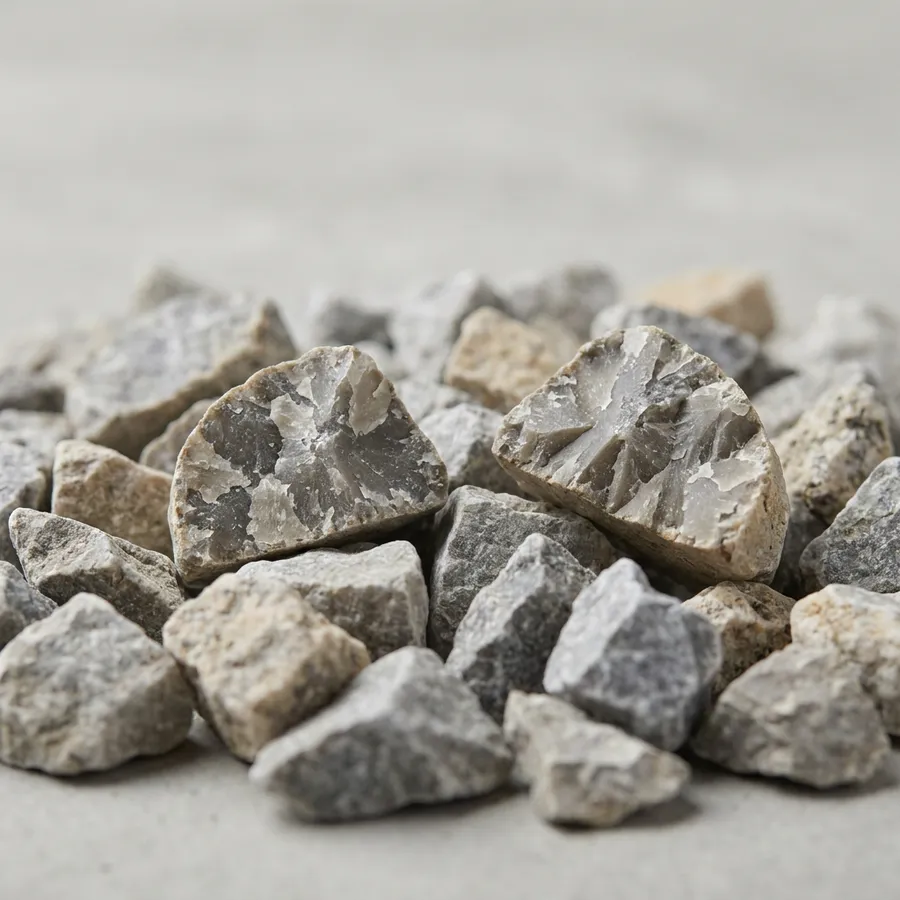
The numbered grading system comes from the screen size used to sort the stones. For example, #57 stone passes through a 1-inch screen but not a 3/4-inch screen, giving you stones that are roughly 3/4 inch to 1 inch in size.
When planning your driveway, consider that angular crushed stone compacts better and provides more stability than rounded river rock or pea gravel. However, rounded stones offer better comfort for walking and a more decorative appearance.
Best Stone Sizes for Different Driveway Types
Your driveway’s intended use should guide your stone size selection. Different scenarios require different approaches to ensure both functionality and longevity.
Standard residential driveways work best with #57 or #67 crushed stone for the surface layer. These sizes provide good traction without being uncomfortable to walk on, and they compact well under normal car traffic. You’ll want 2-3 inches of this material over a properly prepared base. To explore more about common gravel sizes and their applications, our detailed guide can help.
Heavy-duty driveways that accommodate trucks, RVs, or trailers need larger stones for stability. Use #3 or #4 stone (1-2 inches) for both base and surface layers. The larger size distributes weight better and resists rutting from heavy loads.

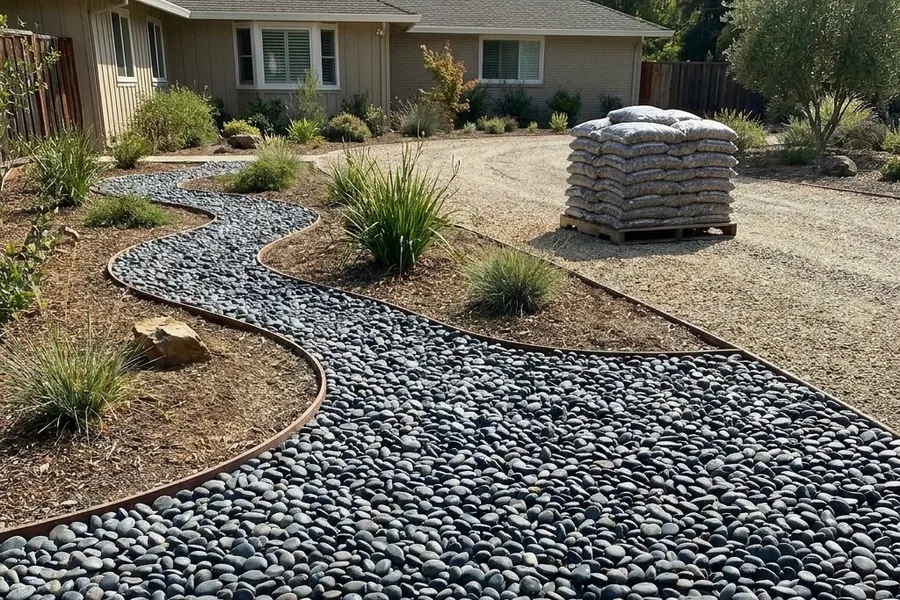
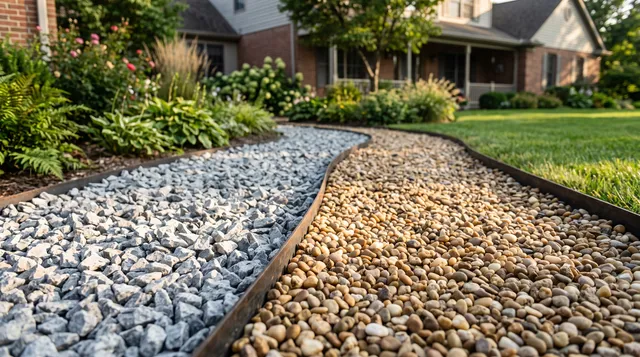
Decorative driveways with light traffic can use pea gravel or Jersey Shore gravel for an attractive appearance. However, these smaller, rounded stones require edge restraints to prevent spreading and may not be suitable for steep slopes or areas with heavy rainfall.
Steep or erosion-prone driveways benefit from angular crushed stone in the #4 to #57 range. The angular edges lock together better than rounded stones, providing better stability on slopes and resistance to washout during heavy rains.
Important: Pea gravel alone isn’t recommended for main driving surfaces as it can shift under vehicle weight, but it works well as a decorative top layer over a stable crushed stone base.
Understanding the Three-Layer Driveway System
Professional driveway construction uses three distinct layers, each with specific stone size requirements. This system ensures proper drainage, stability, and longevity. For construction projects, our comprehensive guide to construction stone sizes provides additional insights.
The base layer uses the largest stones, typically #1 or #2 grade (2-4 inches). This layer should be 4-6 inches deep and provides the foundation’s structural integrity. Large stones create spaces for water drainage while distributing weight across the subgrade.
The middle layer acts as a filter and stabilizer, using #3 or #4 stone (1-2 inches). This 2-3 inch layer prevents smaller stones from migrating into the base layer while providing additional stability. It’s crucial for preventing the surface layer from settling unevenly.
The top layer is your driving surface, typically 2-3 inches of #57, #67, or pea gravel depending on your needs. This layer provides traction, comfort, and appearance while allowing water to drain through to lower layers.
Each layer should be compacted before adding the next. Proper compaction ensures the stones lock together and create a stable, long-lasting surface that won’t develop ruts or soft spots over time.
Choosing Stone Size Based on Your Specific Conditions
Several factors beyond traffic type influence your ideal stone size selection. Climate, soil conditions, and maintenance preferences all play important roles in making the right choice.
Climate considerations are crucial for long-term success. In areas with heavy rainfall, larger stones with better drainage capabilities prevent water pooling and frost damage. Cold climates benefit from angular crushed stone that won’t shift during freeze-thaw cycles.
Soil conditions affect your base requirements. Clay soils may need larger base stones and better drainage, while sandy soils typically require less aggressive drainage but may need geotextile fabric to prevent stone migration into the subgrade.
Maintenance preferences should influence your choice between stone types. Crushed stone requires less frequent raking and stays in place better than pea gravel, but pea gravel offers easier snow removal and a more attractive appearance.

Budget considerations often favor crushed stone over decorative options. While pea gravel and specialty stones cost more initially, they may require more frequent maintenance and replacement, especially in high-traffic areas. For a visual comparison, check out our gravel size chart with pictures to see exactly what each size looks like.
Installation timing can also affect your choices. Spring installations allow for natural settling before winter, while fall installations should use well-compacted larger stones to prevent frost heaving.
Pro Tip: If you’re unsure about drainage in your area, err on the side of larger stones and better drainage – it’s much easier to add smaller stones later than to fix drainage problems after installation.
The right stone size choice depends on balancing all these factors with your specific situation. Consider consulting with local suppliers who understand your area’s soil and climate conditions, as they can provide valuable insights about what works best in your region. Our guide on sizes of gravel and their uses offers additional context for making informed decisions.
Most homeowners find success with a standard three-layer approach using #2 or #3 stone for the base, #4 stone for the middle layer, and #57 or #67 for the surface. This combination provides excellent performance for typical residential use while remaining cost-effective and relatively easy to maintain.
Remember that proper installation matters as much as stone size selection. Even the best materials won’t perform well without adequate preparation, proper depth, and thorough compaction at each stage of construction.
FAQ
What size gravel is best for a driveway?
Is pea gravel good for driveways?
How deep should driveway gravel be?
What is the difference between #57 and #67 gravel for driveways?
Author: igor