Complete Quarry Stone Size Chart for Construction Projects
Published on: January 8, 2026
Get an estimate for your project in 60 seconds

Choosing the right quarry stone size can make or break your construction project. Whether you’re building a driveway, laying a foundation, or creating drainage systems, understanding stone sizes is crucial for achieving lasting results. This guide walks you through everything you need to know about quarry stone sizes, from reading size charts to selecting the perfect stone for your specific project needs.
Quick Answer: Common quarry stone sizes range from 1/4 inch for pathways to 2-4 inches for road bases. The 3/4 inch size works best for concrete mixes and drainage, while 1/2 inch stones are ideal for utility trenches and paver bases.
Understanding quarry stone classifications
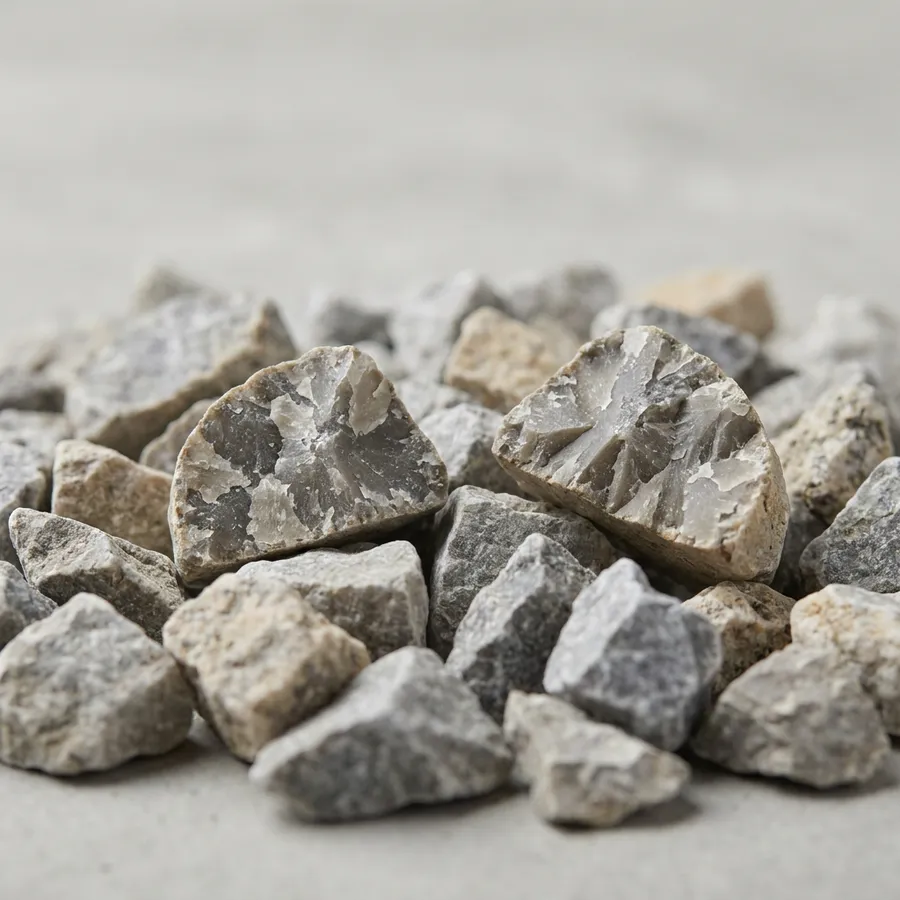
Quarry stones are classified by their largest dimension, typically measured in inches. This classification system helps you match the right stone size to your project requirements. The size directly affects how well stones compact, how water drains through them, and how stable your finished surface will be.
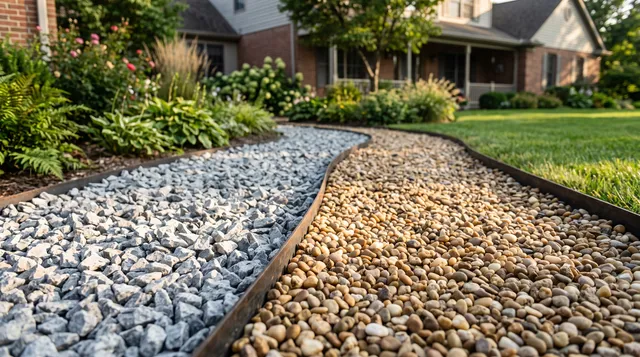
When you’re working with smaller stones like 1/4 inch, you get better compaction and smoother surfaces. These work perfectly for walkways where you want a comfortable walking surface. Larger stones around 2-4 inches provide excellent stability and drainage, making them ideal for heavy-duty applications like road construction.
The crushing process creates these different sizes through progressive breaking of larger quarry blocks. Jaw crushers, impact crushers, and cone crushers each produce slightly different stone shapes and size distributions, which affects how they perform in your project. For more details on how different stone sizes are categorized and used, explore our comprehensive guide.

Common quarry stone sizes and their uses
| Stone Size | Primary Applications | Key Benefits |
|---|---|---|
| 2-4 inches | Road base, driveway foundation | Maximum stability, excellent drainage |
| 3/4 inch | Concrete mix, drainage systems | Balanced compaction and permeability |
| 1/2 inch | Utility trenches, paver base | Good compaction, moderate drainage |
| 1/4 inch | Pathways, decorative features | Smooth surface, easy to walk on |
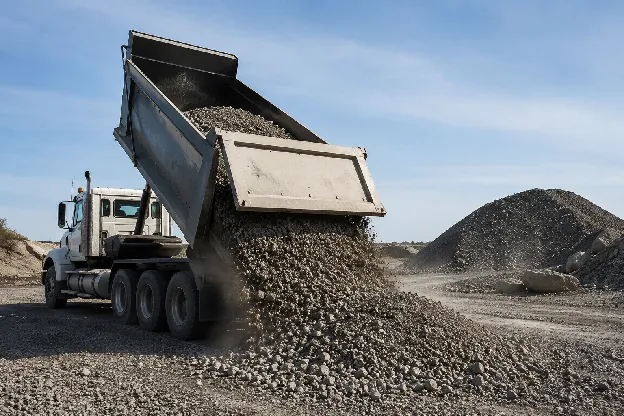
The 2-4 inch stones serve as workhorses for heavy-duty applications. Their size allows them to interlock well while creating large voids for water drainage. You’ll find these stones forming the backbone of road construction projects and serving as the foundation layer for driveways that need to support heavy vehicles.
For concrete applications, 3/4 inch stones hit the sweet spot. They’re large enough to provide structural strength but small enough to mix well with cement and sand. These stones also excel in French drains and other drainage systems where you need consistent water flow.
Pro Tip: Always consider your project’s load requirements when selecting stone size. Heavier loads require larger stones for proper weight distribution and stability.
Reading stone size charts effectively
Stone size charts typically show three key pieces of information. The size measurement tells you the stone’s diameter range. The application column suggests where each size works best. Additional notes highlight special considerations like compaction requirements or drainage properties.
When you’re reading these charts, start by identifying your project type. Road construction projects need different sizes than decorative landscaping features. Match your project requirements to the recommended applications column to narrow down your choices. Our comprehensive aggregate sizes chart provides an easy reference for matching sizes to applications.
Pay attention to any special notes about mixing different sizes. Some applications benefit from combining multiple stone sizes to achieve better compaction or improved drainage characteristics. For example, mixing 3/4 inch and 1/2 inch stones can create a more stable base than using either size alone.
The screening process during stone production affects the final size distribution. Most quarry stones include a range of sizes rather than perfectly uniform pieces. This variation actually helps with compaction and stability in most applications.
Selecting the right stone for your project
Your project’s specific requirements should drive your stone size selection. Consider three main factors when making your choice. Load-bearing needs determine whether you need larger stones for stability. Drainage requirements affect whether you want larger voids between stones or tighter compaction. Aesthetic preferences influence your choice for visible surfaces.
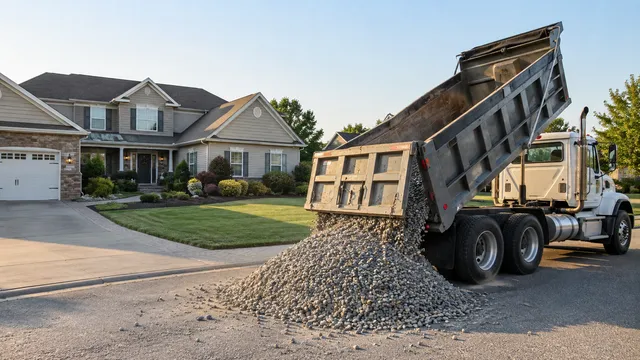
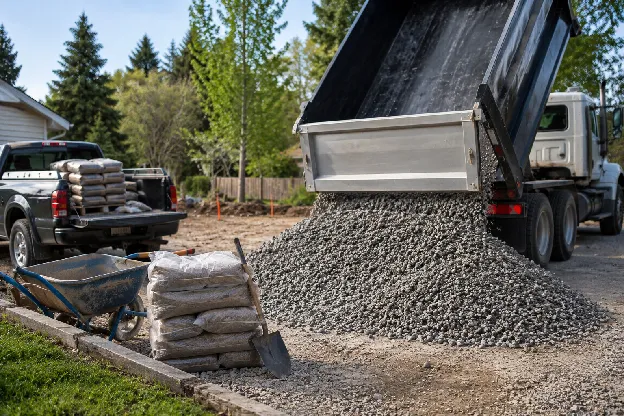
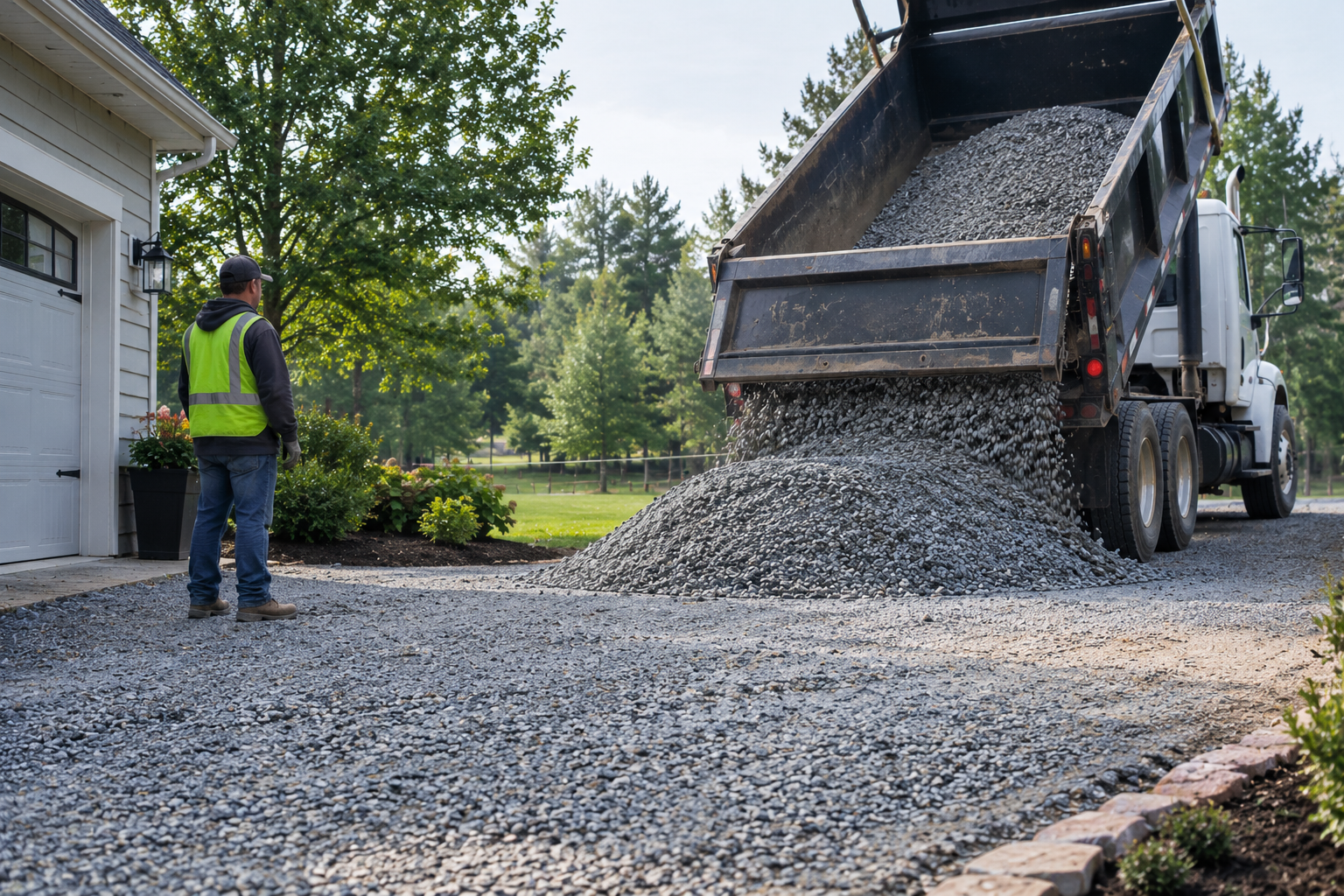
For driveway projects, you typically want a foundation layer of 2-4 inch stones topped with 3/4 inch stones for the surface. This combination provides both stability and a relatively smooth driving surface. The larger base stones handle the weight distribution while the smaller surface stones create better compaction. Learn more about selecting the perfect material with our driveway stone size chart.
Drainage projects often benefit from uniform larger sizes like 3/4 inch stones. These create consistent void spaces that allow water to flow freely without clogging. Avoid mixing too many different sizes in drainage applications as this can reduce permeability. Understanding gravel sizes and their specific uses can help you optimize your drainage system design.
Important: Always verify local building codes before selecting stone sizes for structural applications. Some jurisdictions have specific requirements for foundation materials and road base specifications.

Understanding quarry stone sizes empowers you to make informed decisions for your construction projects. The right stone size ensures proper drainage, adequate stability, and long-lasting performance. Whether you’re tackling a small landscaping project or a major construction endeavor, this knowledge helps you select materials that deliver the results you need. For additional guidance on construction stone sizes and applications, consult our detailed resources. Remember to consider your specific project requirements, local conditions, and building codes when making your final selection.
FAQ
What are the most common quarry stone sizes and their uses?
How do I read a quarry stone size chart effectively?
What size quarry stone should I use for my driveway?
Which quarry stone size is best for drainage projects?
Author: