Best Sand for Golf Course Bunkers USGA Guidelines and Top Picks
Published on: January 11, 2026
Get an estimate for your project in 60 seconds
 Your information is secure

Choosing the right sand for golf course bunkers can make or break your course’s playability and maintenance costs. The best bunker sand should have particles ranging from 0.25 to 1.0 millimeters, maintain a subangular to angular shape, and provide a minimum infiltration rate of 20 inches per hour according to USGA guidelines.
Quick Fact: Poor bunker sand selection can lead to drainage issues, inconsistent ball lies, and up to 40% higher maintenance costs for golf course superintendents.
Sand bunkers serve as both strategic hazards and drainage solutions on golf courses. The type of sand you choose affects everything from ball trajectory to maintenance frequency. Understanding USGA specifications and sand properties helps you make informed decisions that benefit both players and your maintenance budget.
Understanding bunker sand requirements
Golf course bunkers need sand that balances playability with practicality. The USGA recommends specific particle size distributions to ensure consistent performance across different weather conditions.
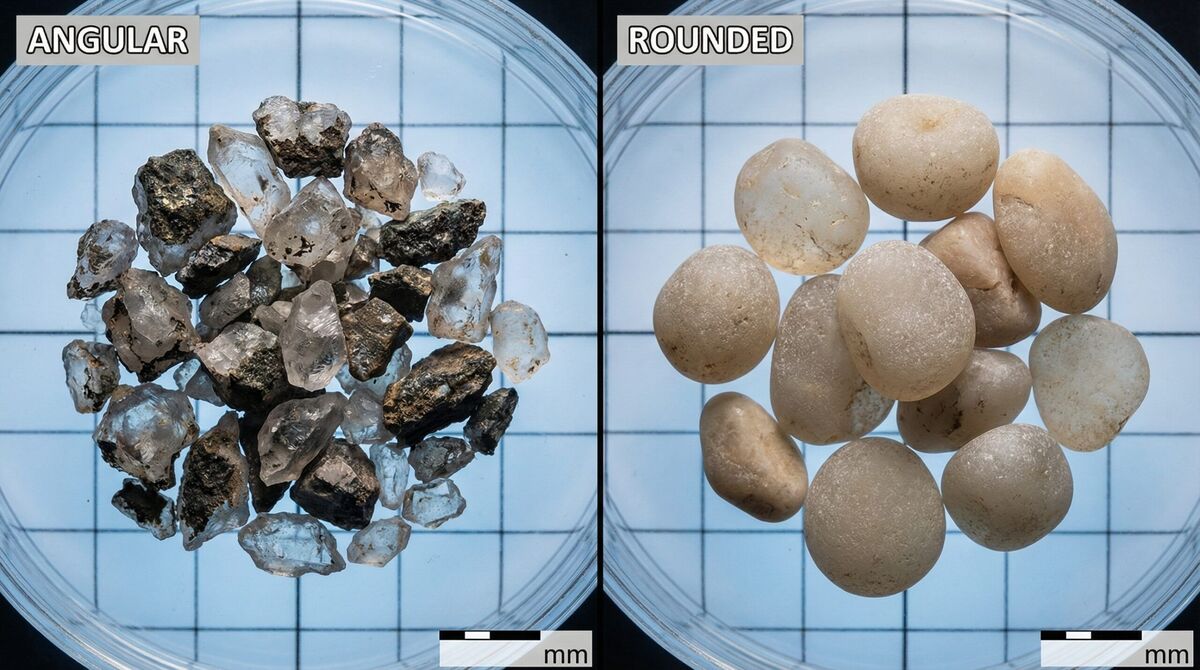
Particle size directly impacts how balls react in bunkers. Sand with particles between 0.25 and 1.0 millimeters provides the ideal balance – fine enough for good ball support but coarse enough for proper drainage. Angular particles interlock better than rounded ones, creating more stable surfaces that resist wind erosion.
The shape of sand particles matters just as much as size. Angular sand grains, like those found in crushed quartz, lock together to prevent excessive ball burial while maintaining good drainage. Rounded particles from river sources tend to shift more easily, creating inconsistent playing conditions. Understanding different types of sand used in construction can help you appreciate why particle shape is so critical for specialized applications like golf bunkers.
Key sand types for golf bunkers
White silica sand remains the most popular choice for premium golf courses. This manufactured sand offers bright aesthetics and consistent particle distribution. However, silica sand requires careful handling due to health considerations when dust becomes airborne during installation. Learn more about the benefits of using white construction sand for various applications.Crushed quartz sand provides excellent drainage and stability due to its angular particle structure. While more expensive than natural alternatives, quartz sand typically lasts longer and requires less frequent replacement. The angular edges create better ball lies and resist compaction under heavy play.
Natural river sand offers a cost-effective option but comes with trade-offs. The rounded particles don’t interlock as well, leading to more ball burial and shifting during wind or rain. However, some courses prefer the softer playing characteristics and natural appearance. For more information on this option, explore the benefits of river sand and gravel.
Pro Tip: Blended sands combine different sand types to achieve specific performance goals while managing costs effectively.
Factors affecting sand performance
Climate plays a crucial role in sand selection. Courses in high-rainfall areas need sand with superior drainage properties to prevent waterlogged bunkers. The USGA minimum infiltration rate of 20 inches per hour becomes critical in these environments. If you’re concerned about erosion, check out effective strategies for preventing sand from washing away.
Wind exposure affects different sand types differently. Finer sands blow around more easily, while coarser particles stay put but may create harder playing surfaces. Consider your course’s microclimate when evaluating options. Understanding the difference between fine sand soil and coarse sand soil can help you make the right choice.
Maintenance intensity varies significantly between sand types. Premium manufactured sands often require less frequent replacement but cost more upfront. Natural sands may need more regular attention but fit tighter budgets better.
| Sand Type | Particle Size | Drainage Rate | Typical Cost | Maintenance Level |
|---|---|---|---|---|
| White Silica | 0.3-0.8mm | 25+ in/hr | High | Low |
| Crushed Quartz | 0.25-1.0mm | 20-30 in/hr | Very High | Very Low |
| River Sand | 0.2-1.2mm | 15-25 in/hr | Low | High |

Making the right choice for your course
Start by evaluating your course’s specific needs. Consider factors like annual rainfall, wind exposure, player volume, and maintenance budget. Courses hosting tournaments may prioritize consistency over cost, while daily-play facilities might focus on durability and value.
Test potential sand options in a small area before committing to full bunker renovation. Many suppliers offer sample quantities that let you evaluate performance under your specific conditions. Pay attention to how the sand drains, how balls react, and how it maintains over several weeks. For larger projects, you may want to consider bulk sand delivery options to reduce costs.
Work with reputable suppliers who understand golf course requirements. Companies like G3 Enterprises and Holcim offer golf-specific sand products that meet USGA specifications and provide technical support for installation. Before making a final decision, review comprehensive sand cost information to ensure your budget aligns with your quality expectations.
Important: Always verify that your chosen sand meets current USGA guidelines, as specifications can change based on new research and industry best practices.
The best bunker sand for your course balances performance, aesthetics, and budget considerations. USGA-compliant sands provide the foundation for consistent playability, but your specific climate and maintenance approach will guide the final decision. Whether you choose premium silica sand for championship conditions or cost-effective blends for daily play, proper selection ensures bunkers that enhance rather than detract from the golf experience.
FAQ
What are USGA specifications for golf bunker sand?
What’s the difference between silica sand and crushed quartz for golf bunkers?
How do I choose bunker sand for wet climates?
Why is angular sand better than rounded sand for golf bunkers?
Author: