
How Much Is a Ton of Sand? 2026 Cost Guide
Free local estimate
See delivered prices for your ZIP in 60 seconds
Tell us where the project is and we'll price this material — delivered — for your exact ZIP.
- Real delivered pricing for your ZIP — not a generic range.
- Works for any quantity — driveways, pads, drains, or full projects.
- Prefer to talk? We follow up with local availability and delivery windows.
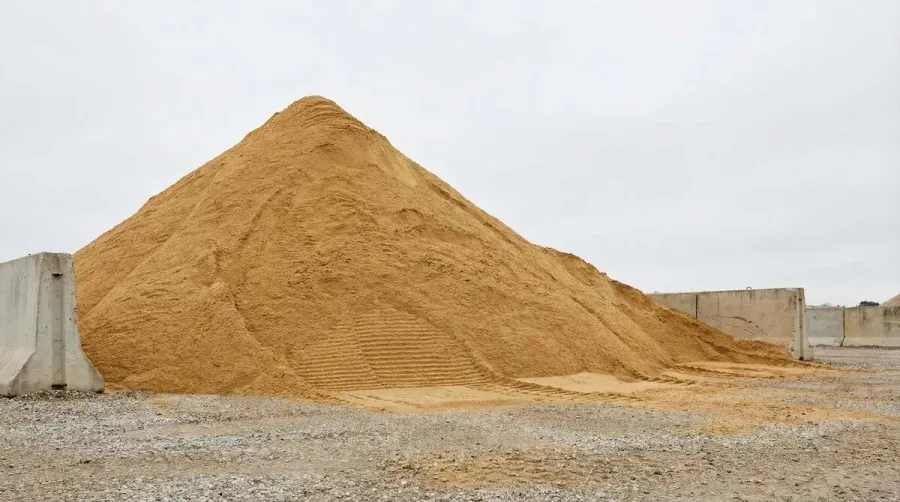
Sand prices typically range from $25 to $45 per ton for construction sand, though specialty varieties can cost significantly more. Whether you’re planning a construction project, landscaping your yard, or need sand for recreational purposes, understanding current pricing helps you budget effectively and make informed purchasing decisions.
Quick Answer: Most homeowners pay between $30-40 per ton for standard construction sand, with delivery costs adding $10-25 depending on distance and quantity ordered.
The cost of sand varies based on several key factors including type, quality, source location, and delivery requirements. Let’s explore what influences these prices and how you can get the best value for your specific project needs.
About Hello Gravel
Hello Gravel delivers bulk gravel, rock, dirt, and sand by the ton. Enter your ZIP code to see prices with delivery included. A local dump-truck driver places the load where access is safe; spreading is not included.
Understanding Sand Types and Their Price Ranges
Different sand types serve specific purposes and come with varying price points. Play sand, designed for children’s sandboxes, typically costs $35-50 per ton due to its fine screening and safety processing. Construction sand used for concrete and mortar ranges from $25-40 per ton and represents the most common purchase for building projects.Mason sand commands higher prices at $40-55 per ton because of its fine, consistent grading that’s essential for bricklaying and paver installation. Beach sand, when available for purchase, often costs $30-45 per ton but may have restrictions in coastal areas due to environmental regulations.
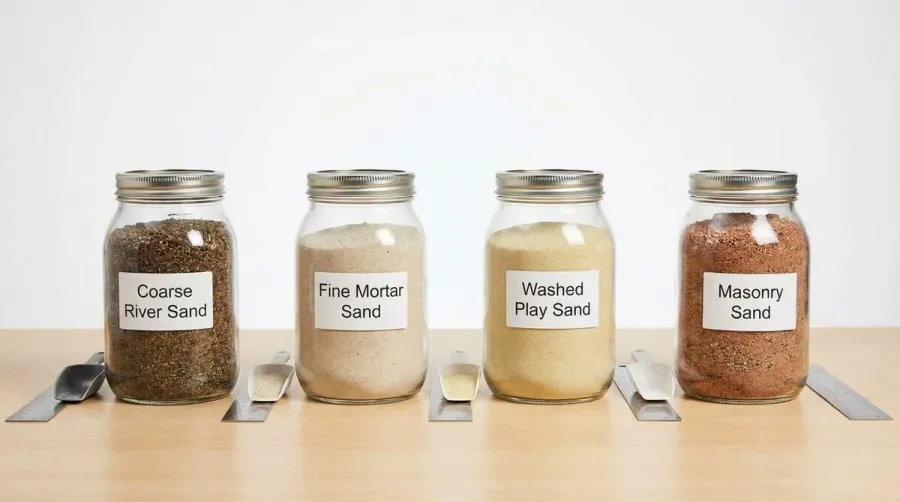 The particle size directly impacts functionality and cost. Coarser sands drain better and resist compaction, making them ideal for drainage applications. Finer sands provide smoother finishes but require more processing, which increases their price. Understanding these differences helps you choose the right sand type without overpaying for unnecessary features.
Key Factors That Influence Sand Pricing
Source location significantly affects sand costs. Locally sourced sand eliminates long-distance transportation, keeping prices competitive. Sand from nearby quarries or riverbeds typically costs 20-30% less than imported varieties. However, local availability depends on your geographic region and geological conditions.Quality standards also drive pricing differences. High-grade sand undergoes washing, screening, and testing to remove impurities and ensure consistent particle sizes. This processing adds $5-15 per ton compared to unprocessed sand but provides better performance for critical applications like concrete mixing or precision masonry work.
Cost Tip: Buying during off-peak seasons (late fall through early spring) can save 10-15% on sand prices when construction demand is lower.
Transportation represents a major cost component, especially for bulk orders. Delivery charges typically range from $50-150 for local deliveries but can exceed $300 for long-distance transport. The delivery method also matters – standard dump truck delivery costs less than specialized equipment for precise placement.
Bulk Purchasing vs Small Quantity Orders
Bulk purchasing offers substantial savings for larger projects. Orders of 10 tons or more typically receive 15-25% discounts compared to per-ton pricing. Suppliers prefer bulk orders because they maximize truck capacity and reduce handling costs, savings they often pass to customers.
| Order Size | Price Per Ton | Delivery Cost | Total Savings |
|---|---|---|---|
| 1-3 tons | $40-45 | $75-100 | Baseline |
| 5-10 tons | $35-40 | $100-125 | 10-15% |
| 15+ tons | $30-35 | $125-150 | 20-25% |
Small quantity purchases work better for minor projects or when storage space is limited. However, you’ll pay premium pricing and potentially higher per-ton delivery costs. Consider coordinating with neighbors for shared deliveries to achieve bulk pricing benefits even for smaller individual needs.
Storage considerations matter for bulk purchases. Sand should be covered to prevent contamination and moisture absorption. Proper storage and drainage around sand piles help maintain sand quality and prevent waste that could offset your bulk savings.
Smart Strategies for Reducing Sand Costs
Timing your purchase strategically can yield significant savings. Construction demand peaks during spring and summer, driving prices higher. Ordering during winter months often provides 10-20% discounts, though weather may limit delivery options in some regions.
Getting multiple quotes remains essential for competitive pricing. Contact at least three suppliers and compare not just base prices but total delivered costs. Some suppliers offer price matching or additional services like spreading that add value beyond the lowest quote.

Consider alternative sand sources that meet your project requirements. Recycled concrete sand costs 20-30% less than virgin sand for many applications. Local quarries may offer direct sales that bypass distributor markups. Just ensure any alternative meets your project’s specifications and local building codes.
Consolidating orders with other materials can reduce delivery costs. Many suppliers offer discounts when you purchase sand along with gravel, mulch, or other aggregates. This approach works particularly well for comprehensive landscaping projects requiring multiple materials.
Pro Tip: Ask suppliers about their “will call” pricing – picking up sand yourself can save $50-100 in delivery fees for smaller quantities.
Understanding sand costs helps you budget accurately and avoid overpaying for your construction or landscaping projects. When ordering bulk sand, focus on matching sand type to your specific needs, compare total delivered costs from multiple suppliers, and consider timing and quantity strategies to maximize your investment. With proper planning, you can secure quality sand at competitive prices that keep your project on budget and on schedule.
FAQ
How much does sand cost per ton in 2026?
Sand prices typically range from $25-$45 per ton for standard construction sand. Play sand costs $35-$50 per ton due to safety processing, while mason sand ranges from $40-$55 per ton. Specialty sands like frac sand can cost significantly more, ranging from $25-$200 per ton depending on quality and processing requirements.
What factors affect sand pricing the most?
The main factors influencing sand prices include source location (locally sourced sand costs 20-30% less), quality standards and processing (washing and screening adds $5-15 per ton), transportation distance (delivery charges range from $50-300), and order quantity (bulk orders of 10+ tons receive 15-25% discounts).
Is buying sand in bulk worth it?
Yes, bulk purchasing offers substantial savings for larger projects. Orders of 10 tons or more typically receive 15-25% discounts compared to per-ton pricing, with orders of 15+ tons saving 20-25%. However, you need adequate storage space and should cover sand to prevent contamination and moisture absorption.
When is the best time to buy sand for lower prices?
The best time to purchase sand is during off-peak seasons, particularly late fall through early spring when construction demand is lower. This timing can save 10-20% on sand prices. Additionally, winter months often provide the best discounts, though weather may limit delivery options in some regions.
Materials for this project
Get it delivered — dumped where you need it
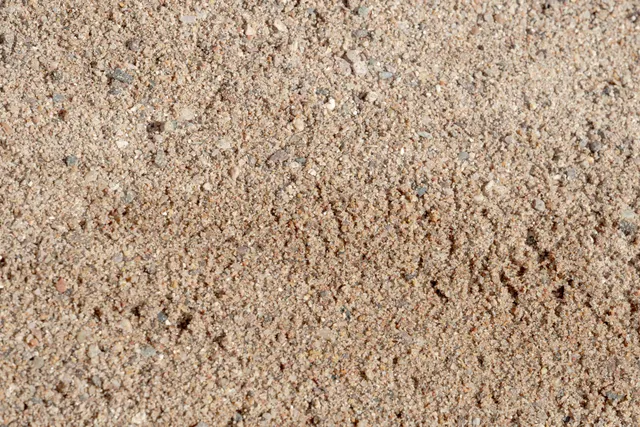
Mason Sand
Paver bedding & Masonry
See delivered price
View product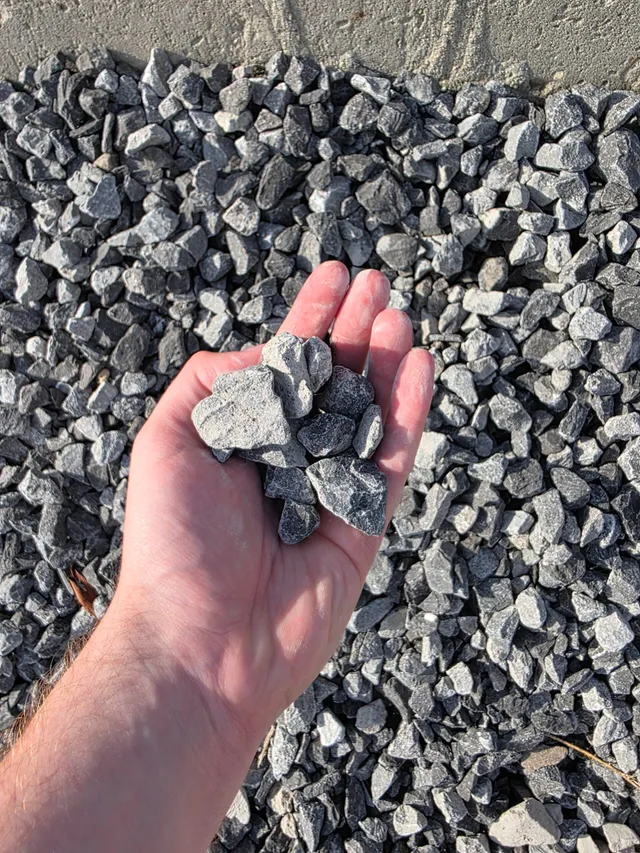
Driveway Gravel
Driveways & Parking areas
See delivered price
View product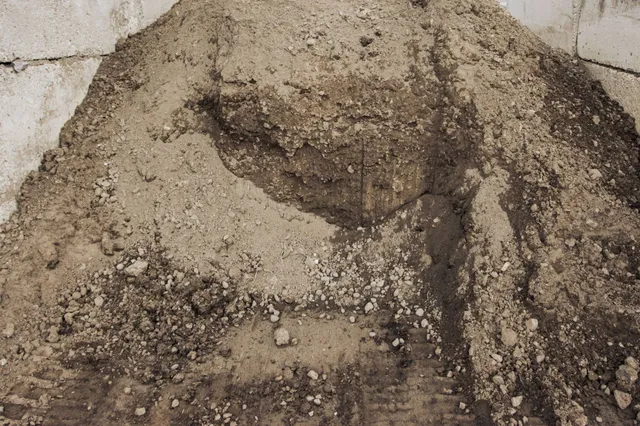
Fill Dirt
Grading & Backfill
See delivered price
View product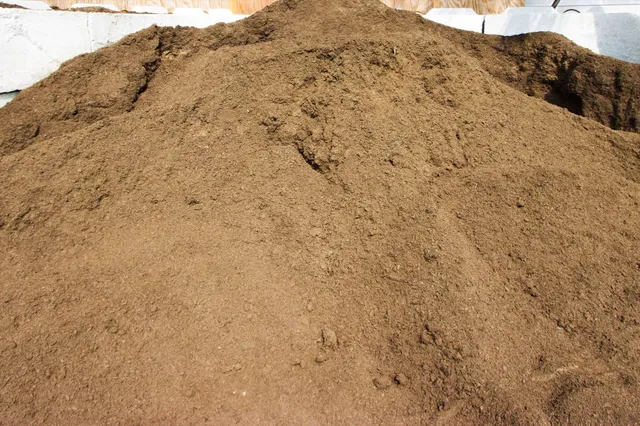
Topsoil
Lawn establishment & Garden beds
See delivered price
View product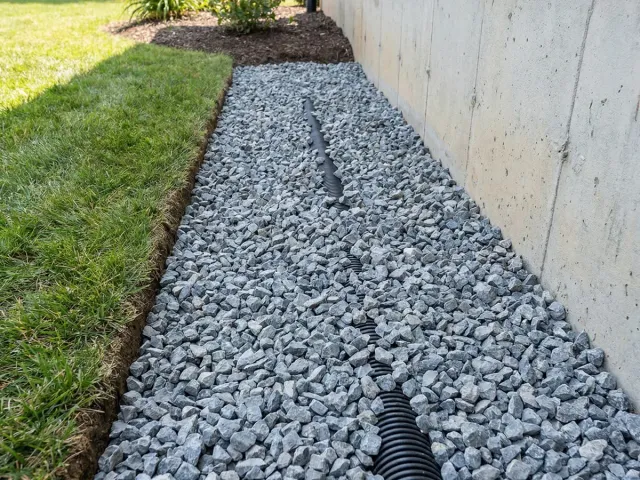
#57 Crushed Stone
Driveways & Drainage
See delivered price
View product