
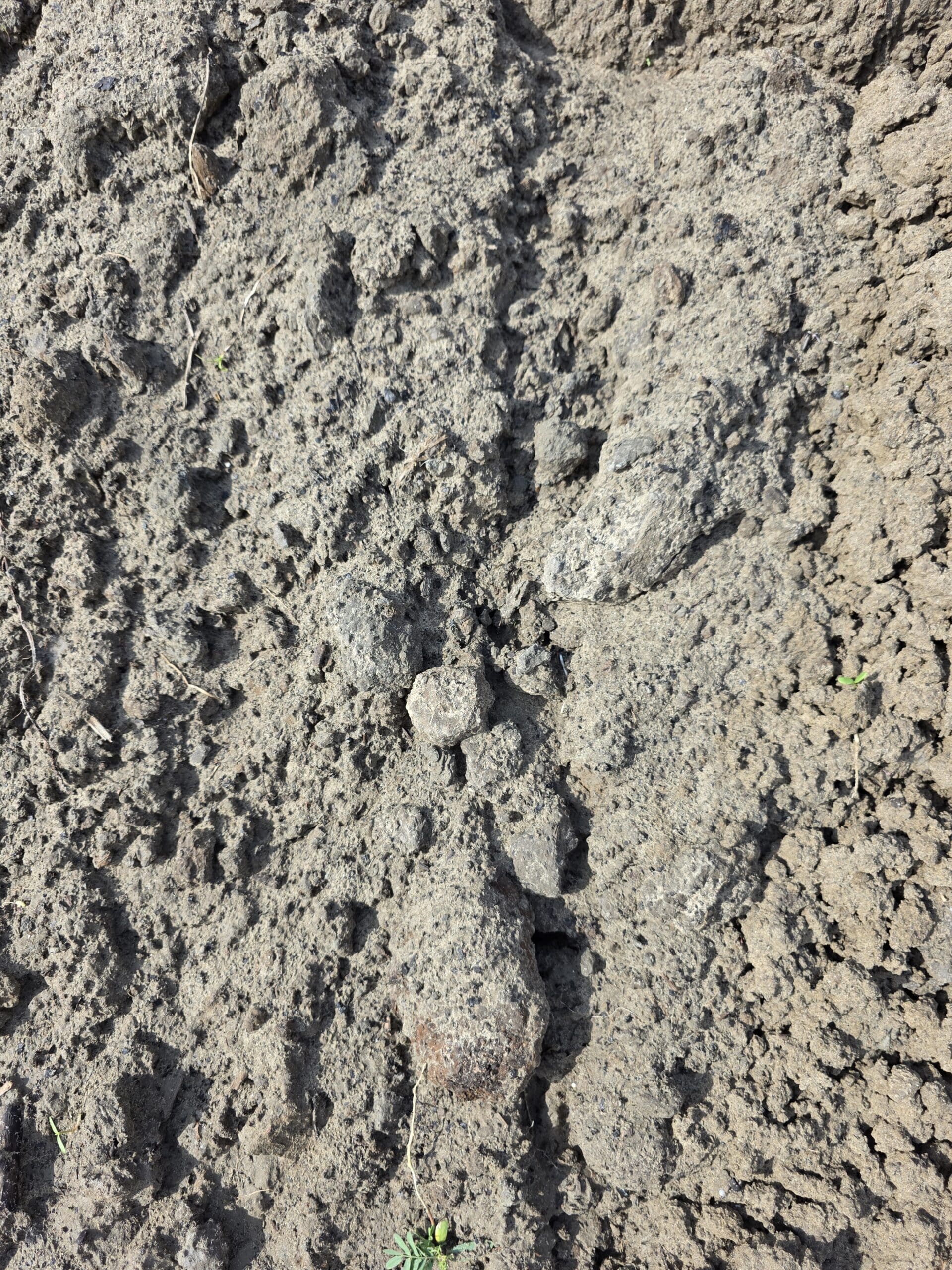


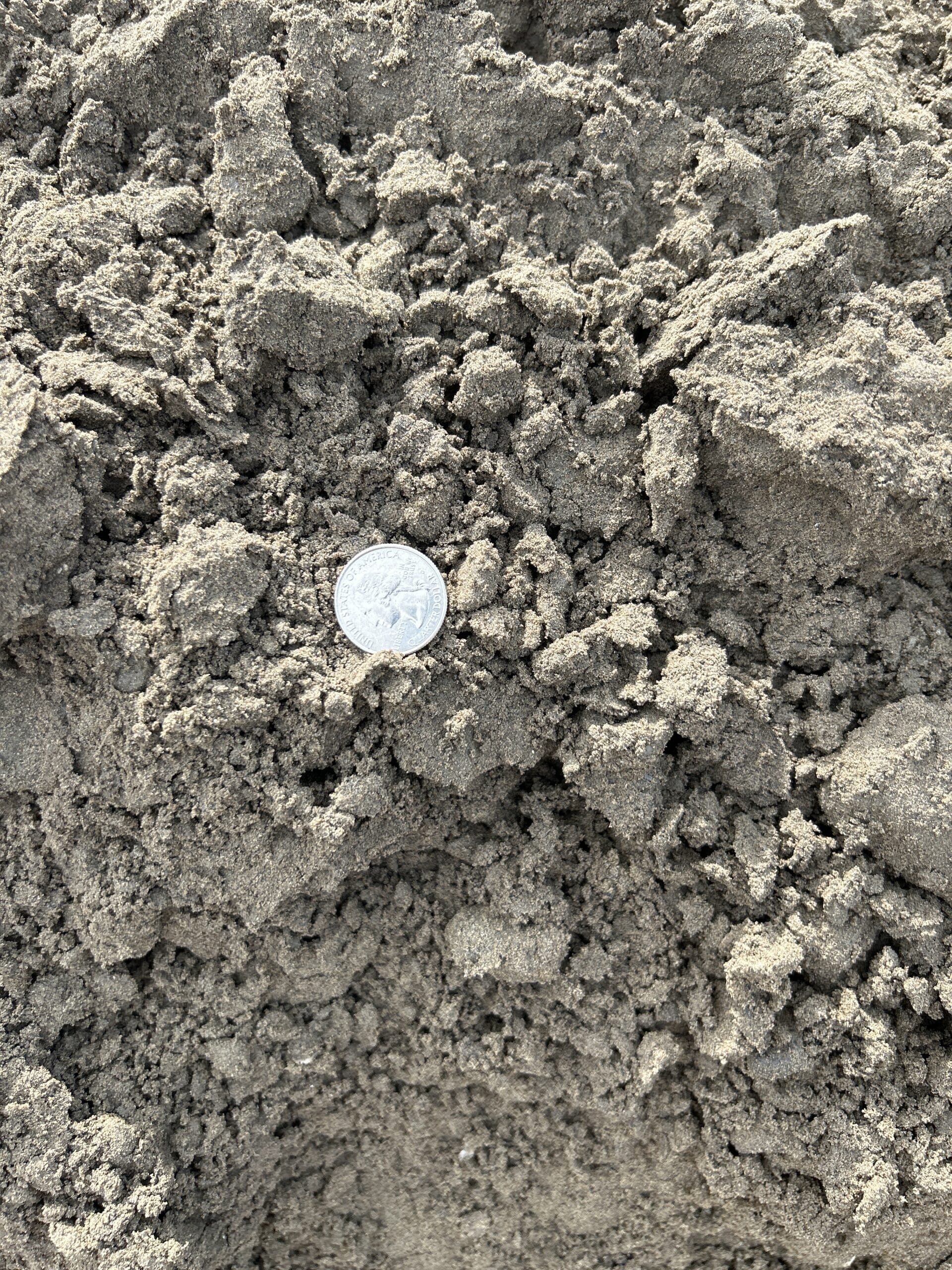

Versatile, lower-grade soil commonly used for volume and elevation changes in various construction and landscaping projects. Great for leveling or grading ground, backfilling pools and filling ditches, and evening out low points or depressions on your property.
What's your delivery address?
Related Materials Available in Lake Los Angeles, CA
Fill Dirt: Built For High Desert Conditions • Fast Local Fill Dirt Delivery Options
Fill Dirt
Versatile, lower-grade soil commonly used for volume and elevation changes in various construction and landscaping projects. Great for leveling or grading ground, backfilling pools and filling ditches, and evening out low points or depressions on your property.
How Hello Gravel Works?
Simple, fast, and reliable fill dirt delivery in Lake Los Angeles
Find Your Material
Browse our products or take our quiz.
Calculate Amount Needed
Use our calculator to determine quantity. Calculator found on any product page.
Schedule Delivery
Choose your preferred date and time frame. Place your order online. We will call to confirm within 24 hours.
Materials Delivered
We source materials locally through our trusted supplier network and deliver straight to your home or job site.
Get an estimate for your project in 60 seconds
 Your information is secure
Why Lake Los Angeles Chooses Hello Gravel
Trusted by homeowners and contractors throughout Lake Los Angeles

Free Local Delivery
Free local delivery via dump truck using our trusted supplier network.

Local Quality Standards
Materials are quality checked to ensure 100% satisfaction.

Local Support Team
We will be with you through delivery. Call us any time if you need to make any changes to your order.

Quick Turnaround
Most deliveries within 2-4 business days. If you need a rush delivery, give us a call!
Why Lake Los Angeles Homeowners Choose Hello Gravel
Lake Los Angeles is a small but growing high-desert community with a population of 12,755, experiencing steady expansion at about 0.71% annually. The area sits in hardiness zone 8b and enjoys 286 sunny days per year with only 7.40 inches of annual rainfall, factors that shape how yards are graded, planted, and drained. Homeowners here regularly take on grading, driveway builds, retaining-wall backfill, and yard leveling to manage runoff and prevent erosion. Because local projects must handle long dry periods and occasional heavy storms, quality aggregates are essential—well-graded fill dirt reduces settling, improves compaction, and creates a stable subgrade that protects landscaping and structures over time.Popular Projects in Lake Los Angeles This Season
- Driveway Base Fill Dirt15 tons
- Yard Leveling Fill Dirt12 tons
- Shed Pad Fill Dirt3 tons
- Pool Backfill Fill Dirt25 tons
- Septic Mound Fill Dirt60 tons
Lake Los Angeles Quick Facts
- 📍 Location: Los Angeles-Long Beach, CA
- 🏘️ Population: 12,755
- 🏡 Metro Area: 2.5+ million
- 🌧️ Annual Rainfall: 7.40 inches
- ☀️ Sunny Days: 286/year
- 🌡️ Hardiness Zone: 8b
- 🏗️ Growth Rate: 0.71% annually
- 🚛 Delivery Coverage: Citywide delivery available
Best Times for Lake Los Angeles Projects
- Oct–Nov: Stable Fall Compaction
- Feb–Apr: Moisture Aids Compaction
- May–Sept: Difficult Compaction
- Dec–Jan: Wet Winter Limits
Summer Tip: Request low-organic, well-graded fill dirt and plan to compact it in thin lifts; top with gravel or mulch to limit erosion and moisture loss in Lake Los Angeles' sunny, dry climate.
Material Calculator for Lake Los Angeles Projects
Calibrated for desert landscaping and Lake Los Angeles property sizes
Quantity Recommendations
Orders Under 5 Tons - Add 20% extra to your estimated gravel needs.
5+ Ton Orders - Add around 10% to ensure enough additional material on hand.
Want to ensure you order the right amount?
Get a callback from our specialist during business hours. Enter your details below!
Looking for Fill Dirt in Lake Los Angeles ?
Frequently Asked Questions - Lake Los Angeles Fill Dirt Delivery
Everything you need to know about fill dirt delivery in Lake Los Angeles.
Local prices for fill dirt delivery in the Los Angeles-Long Beach area commonly fall in a range, with fill dirt often costing about $15 to $40 per cubic yard (roughly $20 to $50 per ton depending on density and supplier). Delivery may be free in some parts of the metro area but for Lake Los Angeles you should expect a delivery fee that often ranges from about $50 to $250 depending on distance and access; tailgate spreading is optional and may incur an additional flat fee or per-load charge, typically quoted case-by-case. Hello Gravel shows exact pricing and delivery options at checkout and can provide a customized quote for spreading when available.
Prices vary by supplier and exact material, but a common range for loose fill dirt in the metro area is about $15 to $40 per cubic yard. A good rule of thumb is that 1 cubic yard of loose dirt weighs roughly 1.2 to 1.4 tons, so expect roughly $12 to $45 per ton depending on local density, compaction, and supplier markups.
To raise 1,000 sq ft by 6 inches you need about 18.5 cubic yards (1,000 sq ft x 0.5 ft = 500 cubic feet; 500 / 27 = 18.5 cu yd). Using a common conversion of about 1.3 tons per cubic yard, that is roughly 24 tons of fill dirt, but on a sloped lot you should add 10% to 20% extra to account for unevenness and compaction, so plan for about 26 to 29 tons. Always measure onsite and order a little extra to allow for settling and grading waste.
Fill dirt is not a good wearing or structural surface for a driveway; it typically lacks the compaction stability and drainage that crusher run or class II road base provide. For a durable driveway in Lake Los Angeles' dry, sandy conditions, use engineered base materials (crusher run or class II) compacted in lifts, and place fill dirt only as underlying grade if needed, usually beneath geotextile and a properly compacted base course. For driveways that will carry vehicles, local contractors recommend geotextile separation and a 4 to 6 inch compacted base of road base or crusher run on top.
Loose fill dirt often does not compact as well on very loose, sandy desert soils; light, dry sand can be difficult to achieve the compaction needed for structural work. For foundations, slabs, or other load-bearing uses, engineers commonly call for engineered fill (specified material and compaction targets) and compaction testing; for non-structural grading, properly placed and compacted native-compatible fill may be acceptable. We recommend consulting a local engineer or contractor early on to determine whether engineered fill and testing are required for your project.
Longevity depends on compaction, slope, and surface treatment: uncompacted or loosely placed fill on exposed slopes can erode or settle within a single rainy season, while well-compacted fill used as subgrade can remain stable for many years. Homeowners often find they need minor regrading or top-up within 1 to 3 years if the area sees runoff or wind erosion, but properly compacted and finished areas typically only need maintenance after several years or after major storms. Adding erosion control (mulch, seed, retaining edges) and good drainage will extend the time between maintenance.
Fill dirt is fine-grained and holds moisture; it is useful for raising grades but does not promote drainage and can contribute to erosion if placed on slopes without protection. Crushed rock and clean drain rock are coarse, free-draining materials that shed water, reduce hydrostatic pressure, and resist erosion when used behind walls or on drainage swales. On hillsides, contractors typically use fill dirt to build grade but rely on crushed rock, geotextile, and vegetation or hardscapes for drainage and erosion control.
Lake Los Angeles is in unincorporated Los Angeles County, so grading, hauling, and certain amounts of earthwork may trigger county permits or plan checks; thresholds and rules can vary by parcel and hillside zoning. Local roads may have weight limits, time-of-day restrictions, or special routing for heavy trucks; if access is tight we may need to arrange smaller trucks or offload locations. Always check with Los Angeles County Building and Safety or the local planning department before major deliveries, and tell Hello Gravel about any access limits so we can coordinate the correct truck and timing.
Fill dirt can be used as bulk backfill behind low, non-structural walls, but most contractors prefer granular, free-draining backfill (clean gravel or crush) immediately behind the wall to reduce hydrostatic pressure. When fill dirt is used, it should be placed in 6 to 12 inch lifts and compacted to local compaction targets (commonly 90% to 95% relative compaction depending on the design), and drainage—such as perforated pipe, gravel drainage zone, and a geotextile—should be installed to protect the wall. For structural retaining walls or walls over a certain height, consult the project engineer for exact specs and testing requirements.
Hello Gravel requires a minimum order of 3 tons, and many local suppliers and haulers can handle small loads but may charge a small-load or short-haul fee. Delivery fees for Lake Los Angeles vary with distance, road access, and whether offloading or spreading is requested; expect typical fees in the roughly $50 to $250 range for local deliveries, and get a zip-code-based quote on the Hello Gravel site for an exact price. If access is restricted or a smaller truck is needed, mention that when ordering so we can provide an accurate delivery plan and fee estimate.
As of today, we require 2 business days for delivery.
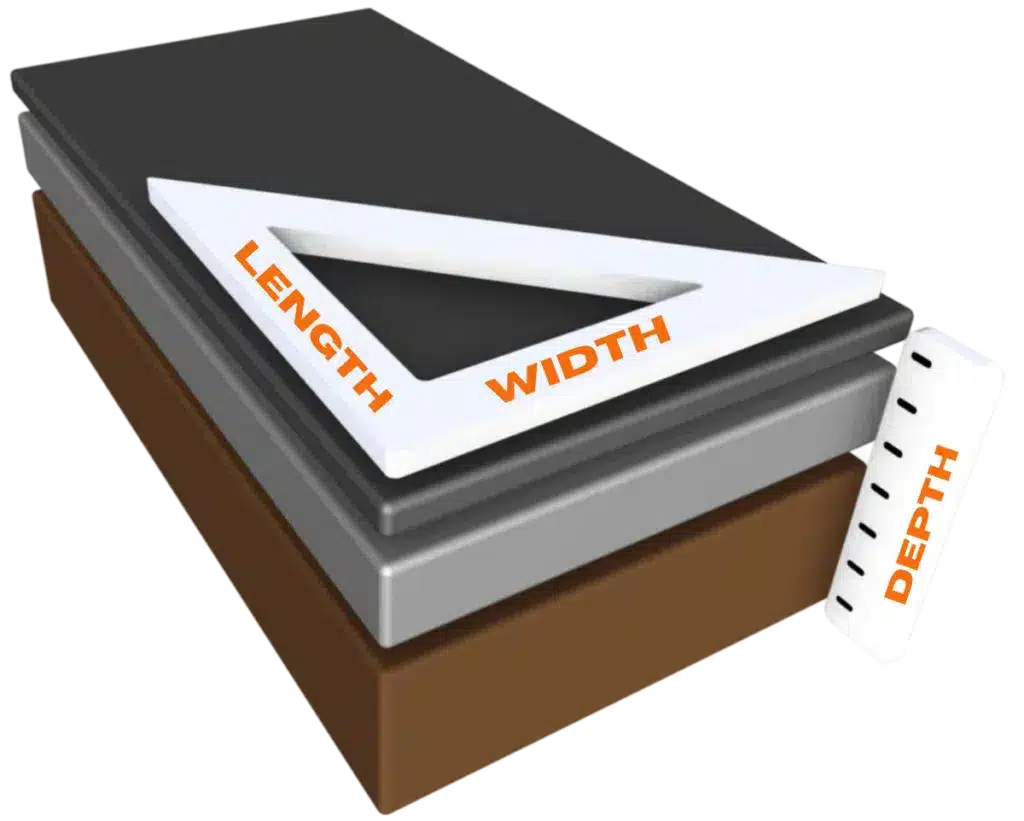
Use our material calculator here: https://hellogravel.com/calculator/ to enter the length, width and depth measurements of your project. It will automatically calculate the cubic yards/tons needed. If you are unsure how much to order, contact our team for guidance.
Please type in your zip code on any product screen and it will let you know if we service your area. The chances are that we do!
The material will be delivered via dump truck. If your order is under 20 tons, then it will likely be just one dump truck load. If your order is more than 20 tons, it will be more than one dump truck load.
Absolutely! Try our aggregate quiz here: https://hellogravel.com/aggregate-quiz/ Alternatively,you can call us, chat with us (box in the bottom right corner of the website), or email us!
We cannot get out of the truck and manually spread it. However, depending on the location, safety, and comfortability of the driver – we may be able to tailgate spread your material. This involves pulling the truck forward as material is being dumped to make it easier for you to distribute material after delivery.
The minimum order size is 3 tons.
Hassle Free! Our goal is to make the buying process for gravel and other aggregates as easy and seamless as possible. Enter your zip code on our site, select how much material you need (see below FAQ’s to determine order size), select the date and time frame you would like your material delivered at Checkout, and place your order with any major credit card. After the order is placed our in-house support team will contact you to confirm the details. We will send additional confirmations on the day before and the day of delivery. On delivery day, a dump truck will arrive to dump the materials at your specified location. We request that you have someone available to accept the delivery so that we can make sure to dump it in the correct location. That’s it!
No, because we are a national supplier, we utilize our existing network of suppliers across the country. Therefore, the materials will likely be delivered from a contracted trucking company.
We specialize in making the aggregate buying process as easy and seamless as possible by managing the process from end to end. We have a network of suppliers that we source the materials from where we have negotiated rates. However, we do charge a markup and because of this you may be able to find the materials cheaper on your own. But if you want a hassle free experience, then we are for you!
Please fill out the Quote Request form and we will work up a quote for you! https://hellogravel.com/quote-form/
Although uncommon, due to regional sourcing, the type and color of our materials may vary somewhat from the images on our website, reflecting the unique geological offerings of your area. Please communicate any specifications you desire to our team so we can consider them during the sourcing process.
Please contact our customer service team promptly if you experience any delivery or product quality issues. We will work to resolve them satisfactorily.
We are headquartered in New Orleans, LA. However, we have a network of suppliers across the country from which we provide the materials.
Delivery Coverage by ZIP Code
Browse the list to confirm delivery availability
We Also Deliver To Nearby Cities
+1037 more cities
Get an estimate for your project in 60 seconds
Your information is secure