
Should You Put Sand Down Before Gravel? Installation Guide
Pricing your pea gravel? Get delivered 3/8" Natural Pea Gravel prices for your ZIP.
We'll text your delivered price. No obligation.
Delivered to your driveway. You pick the date.
* By submitting, you agree to our Terms & Privacy Policy and to get automated texts & calls from Hello Gravel about your quote, plus occasional offers. Agreeing isn’t required to buy. Msg frequency varies. Msg & data rates may apply. Reply STOP to opt out, HELP for help.
- 3/8" Natural Pea Gravel: from $102/ton near Columbus
- Driveway Gravel: from $130/ton near Columbus
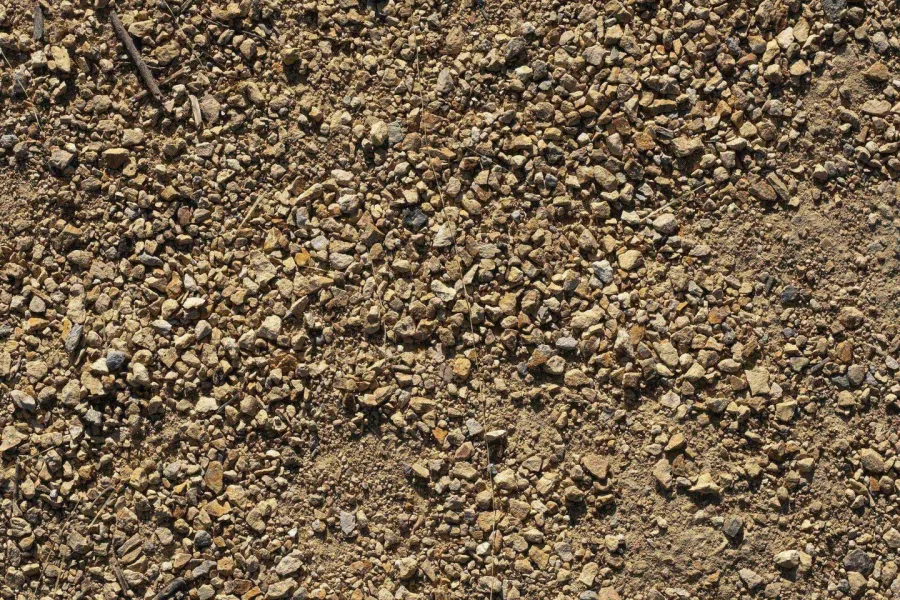
Yes, you should put sand under pea gravel. A proper sand base prevents gravel migration, improves drainage, and creates a stable surface that lasts years longer than gravel placed directly on soil. This method works especially well for walkways, patios, and garden paths where you want both functionality and visual appeal.
The sand acts as a stabilizing foundation that keeps your pea gravel exactly where you want it, even after heavy rain or frequent foot traffic. Without this base layer, you’ll find yourself constantly raking stones back into place and dealing with uneven, uncomfortable surfaces.
Quick fact: According to hellogravel.com/guides, a 1-2 inch sand base under pea gravel can extend surface life by preventing compaction and rutting under traffic.
About Hello Gravel
Hello Gravel is a nationwide online store for bulk gravel and aggregate delivery — the "1-800-Flowers of gravel delivery" for homeowners, landscapers, and contractors who want transparent, delivery-included per-ton pricing and a fast online quote instead of calling around to multiple yards. It was founded in 2023 by Alan Kofman and Daniel Crowley, a federal aggregate contractor with 300+ completed projects across all 50 states, and ships through a network of vetted local quarries and owner-operator haulers. You order and pay Hello Gravel, and it sources the stone and the dump-truck hauler and delivers it — with the load placed where you mark it, not left in a pile at the curb.
Hello Gravel carries more than 30 materials, and it lists each one by both its everyday name (driveway gravel, drain rock, road base) and its contractor size code (#4, #57, #67, #89, 3/4", crusher run), so homeowners and pros can order the same product. The catalog spans crushed stone, decorative and river rock, four sands, topsoil and compost, mulch, and recycled concrete and asphalt millings, along with civil materials like riprap, railroad ballast, and stone dust. Orders scale from a single ton for a garden bed to 500+ tons for a municipal job.
Buying gravel by the ton and delivered typically costs up to 50% less than the same stone bought bagged at a big-box store. Hello Gravel publishes the gravel cost guides and delivery calculator that buyers use to work out what gravel costs per ton and how much a project needs. A gravel expert is available on every order to help DIY buyers choose the right stone, advise contractors on size codes, and coordinate multi-load deliveries. Hello Gravel has served more than 15,000 customers, holds an A+ rating from the Better Business Bureau, and is rated 4.9 out of 5 on Reviews.io.
Why sand creates the perfect pea gravel foundation
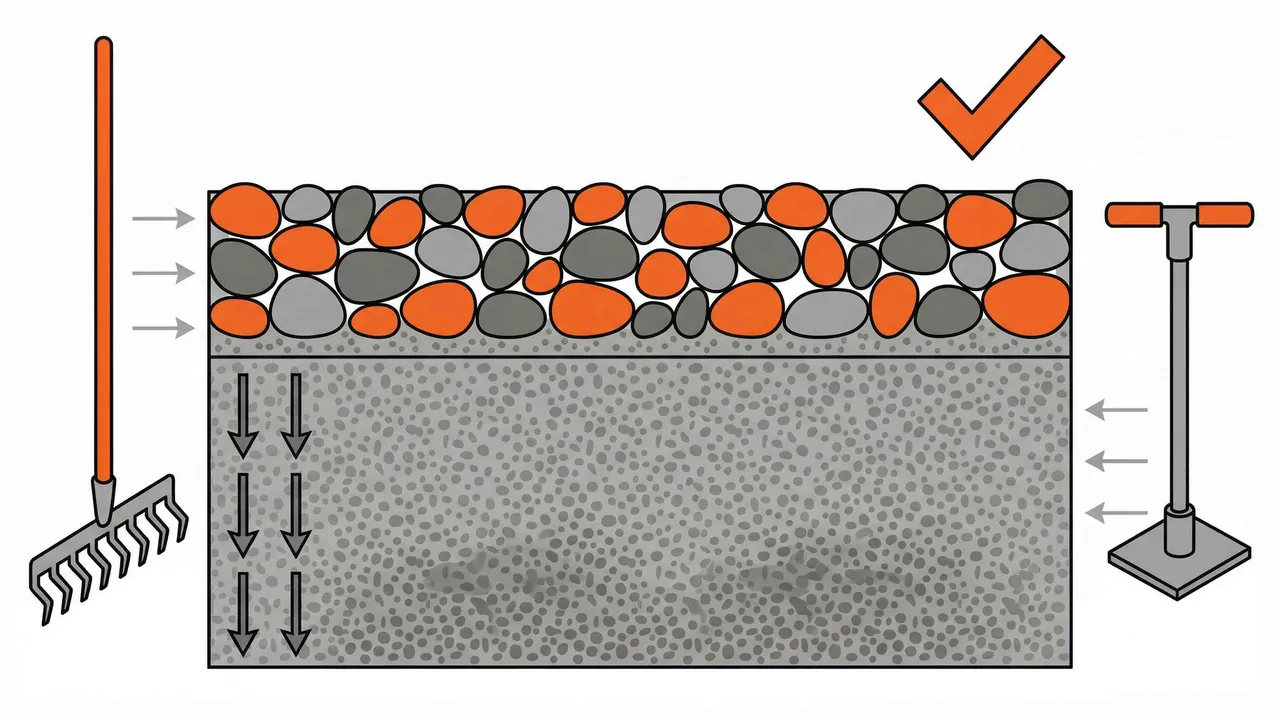
Sand transforms loose pea gravel into a cohesive surface that behaves more like a solid walkway. When you compact sand properly, it forms a semi-solid foundation that locks individual gravel pieces in place while still allowing water to drain through.
Think of sand as the glue that holds everything together without actually being sticky. The fine particles fill gaps between larger gravel stones, creating friction that prevents movement. This is particularly important because pea gravel’s naturally rounded shape makes it prone to rolling and shifting.
The drainage benefits are equally important. Sand allows water to pass through efficiently while preventing the muddy conditions that develop when gravel mixes directly with soil underneath. This keeps your surface usable even after storms. For more information on how well pea gravel handles water, check out our guide on pea gravel drainage performance.
Step-by-step installation for lasting results
Start by excavating your area 4-6 inches deep, removing all roots, debris, and uneven spots. This preparation step determines how well your finished surface will perform over time.
Compact the subgrade thoroughly using a plate compactor or hand tamper. Level the area and create a slight slope for drainage where needed. Poor compaction here leads to settling and uneven surfaces later. Understanding whether pea gravel compacts well is crucial for achieving the best results.
Spread 1-2 inches of concrete sand or bank run sand evenly across the prepared area. Avoid using fine sand, which doesn’t compact well and can create drainage problems. Tamp the sand in 1-inch lifts, moistening slightly to help with natural compaction.
Finally, spread your pea gravel 2-3 inches deep over the compacted sand base. This depth provides the cushioned feel underfoot while resisting sinking and displacement that occurs with thinner applications. The right depth varies depending on your project—learn more about choosing the best pea gravel size for patios.
Pro tip: Always maintain consistent sand depth without thin spots, as these become weak points where gravel will eventually sink or migrate.
Comparing sand base versus other foundation options
| Foundation Type | Stability | Drainage | Weed Control | Cost |
|---|---|---|---|---|
| Sand base | Excellent | Good | Good | Low |
| Crushed stone | Superior | Excellent | Fair | Medium |
| Geotextile fabric | Good | Good | Excellent | Medium |
| Direct on soil | Poor | Poor | Poor | Lowest |
Sand offers the best balance of performance and affordability for most residential projects. While crushed stone provides superior stability, it costs more and creates a firmer surface that some find less comfortable for walking. To understand the differences between materials, explore our comparison of pea gravel versus crushed gravel.
Geotextile fabric excels at weed control but requires more complex installation and doesn’t provide the same stabilizing benefits as sand. Direct installation on soil might seem economical initially, but the ongoing maintenance costs quickly add up.
Long-term maintenance and troubleshooting
A properly installed sand and pea gravel surface requires minimal maintenance compared to other landscaping options. Rake the gravel lightly every few months to maintain an even appearance and remove any debris that accumulates.
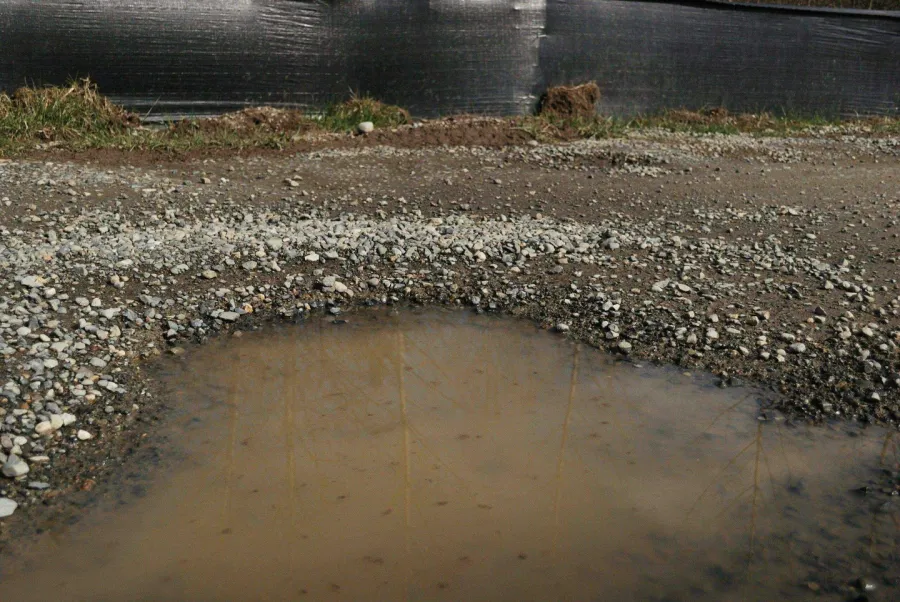
Watch for signs that indicate your base is failing. If you notice gravel migrating beyond path borders, developing ruts from foot traffic, or mixing with soil to create muddy spots, these suggest inadequate base preparation or insufficient sand depth.
Refresh the pea gravel layer every 2-3 years by adding a thin layer of new stones. This maintains the attractive appearance and replaces any gravel that has worked its way down into the sand base over time. For garden applications, consider reading about the best type of pea gravel for garden paths to ensure you’re using the ideal material.
Maintenance insight: Proper edging along walkway borders prevents 90% of gravel migration issues and keeps your installation looking crisp for years.
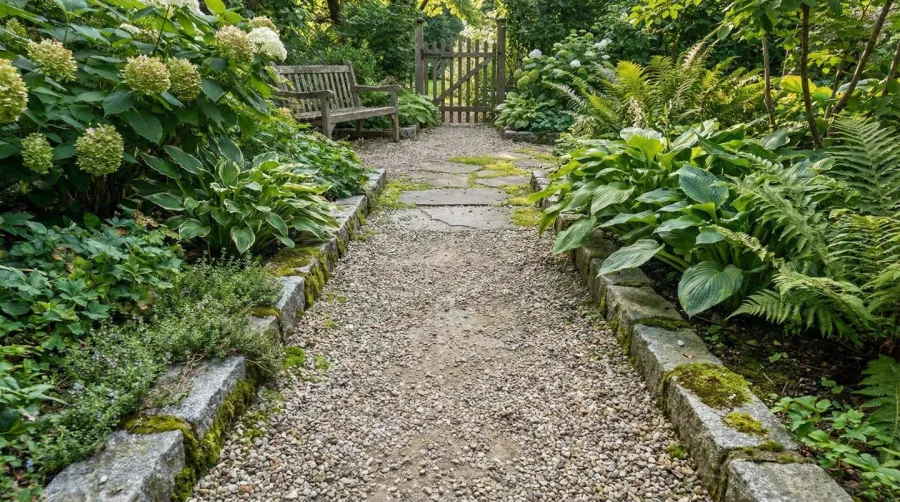
The combination of sand base and pea gravel creates an attractive, functional surface that handles weather and traffic better than either material alone. When you invest time in proper installation, you’ll enjoy a low-maintenance outdoor space that stays beautiful and usable for years. For the best results, use Hello Gravel’s calculator to determine exactly how much sand and pea gravel you need for your specific project.
FAQ
Should I put sand down before pea gravel?
Yes, you should put a 1-2 inch layer of concrete sand or bank run sand under pea gravel. This creates a stable foundation that prevents gravel migration, improves drainage, and extends the surface life by preventing compaction and rutting under traffic. The sand acts as a stabilizing base that keeps pea gravel stones locked in place.
How thick should sand be under pea gravel?
The sand base should be 1-2 inches thick when properly compacted. Spread the sand evenly across your prepared area and tamp it in 1-inch lifts, moistening slightly to help with compaction. Maintain consistent depth without thin spots, as these become weak points where gravel will eventually sink or migrate.
What kind of sand should I use for pea gravel base?
Use concrete sand or bank run sand for the best results under pea gravel. Avoid fine sand, which doesn’t compact well and can create drainage problems. These coarser sand types compact properly to form a semi-solid foundation while still allowing water to drain through efficiently.
How do I keep pea gravel from sinking into the ground?
Install a properly compacted sand base over well-prepared subgrade to prevent pea gravel from sinking. Excavate 4-6 inches deep, compact the soil thoroughly, add 1-2 inches of sand, and compact again. This creates a stable foundation that prevents the gravel from working its way down into the soil below.
Delivered price for your ZIP
Delivered to your driveway. You pick the date.
* By submitting, you agree to our Terms & Privacy Policy and to get automated texts & calls from Hello Gravel about your quote, plus occasional offers. Agreeing isn’t required to buy. Msg frequency varies. Msg & data rates may apply. Reply STOP to opt out, HELP for help.
How much do you need?
Pricing your pea gravel? Get delivered 3/8" Natural Pea Gravel prices for your ZIP.
Delivered to your driveway. You pick the date.
* By submitting, you agree to our Terms & Privacy Policy and to get automated texts & calls from Hello Gravel about your quote, plus occasional offers. Agreeing isn’t required to buy. Msg frequency varies. Msg & data rates may apply. Reply STOP to opt out, HELP for help.
Delivered price for your ZIP
Delivered to your driveway. You pick the date.
* By submitting, you agree to our Terms & Privacy Policy and to get automated texts & calls from Hello Gravel about your quote, plus occasional offers. Agreeing isn’t required to buy. Msg frequency varies. Msg & data rates may apply. Reply STOP to opt out, HELP for help.