Best Pea Gravel Types for Garden Paths

Published on: January 2, 2026

Get an estimate for your project in 60 seconds

This field is hidden when viewing the form
Security lock iconYour information is secure


Pea gravel garden path overview

Wondering which pea gravel is best for your garden path? The answer depends on your specific needs, but generally, 3/8-inch river pea gravel offers the perfect balance of comfort, drainage, and visual appeal for most garden walkways.

Creating a beautiful garden path doesn’t have to break the bank or require constant upkeep. Pea gravel provides an affordable, low-maintenance solution that adds texture and charm to any landscape. This small, rounded stone material comes in several varieties, each offering unique benefits for different garden styles and functional requirements.

Quick Tip: For high-traffic garden paths, choose coarser pea gravel (3/8 to 5/8 inch) for better stability, while finer pea pebbles work best for decorative or low-traffic areas.

Understanding which type works best for your specific situation will help you create a pathway that looks great and stands the test of time. Let’s explore your options and what makes each type special.

Understanding pea gravel varieties

Pea gravel gets its name from its pea-sized appearance, typically ranging from 1/8 inch to 5/8 inch in diameter. These smooth, rounded stones are created through natural weathering or mechanical processing of larger rocks like granite, limestone, or basalt. To better understand the full spectrum of options available, check out our comprehensive guide to pea gravel sizes and colors.

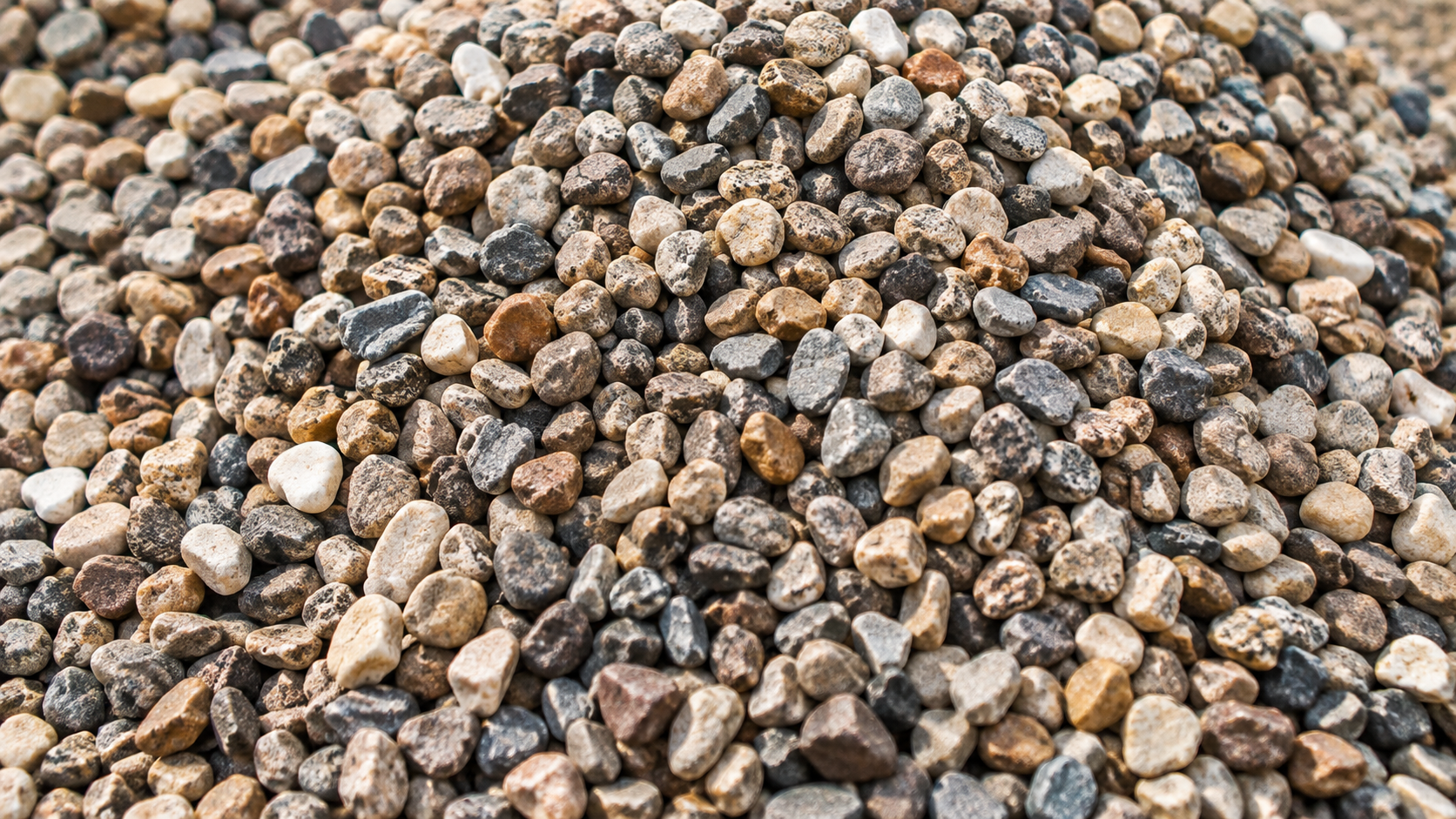
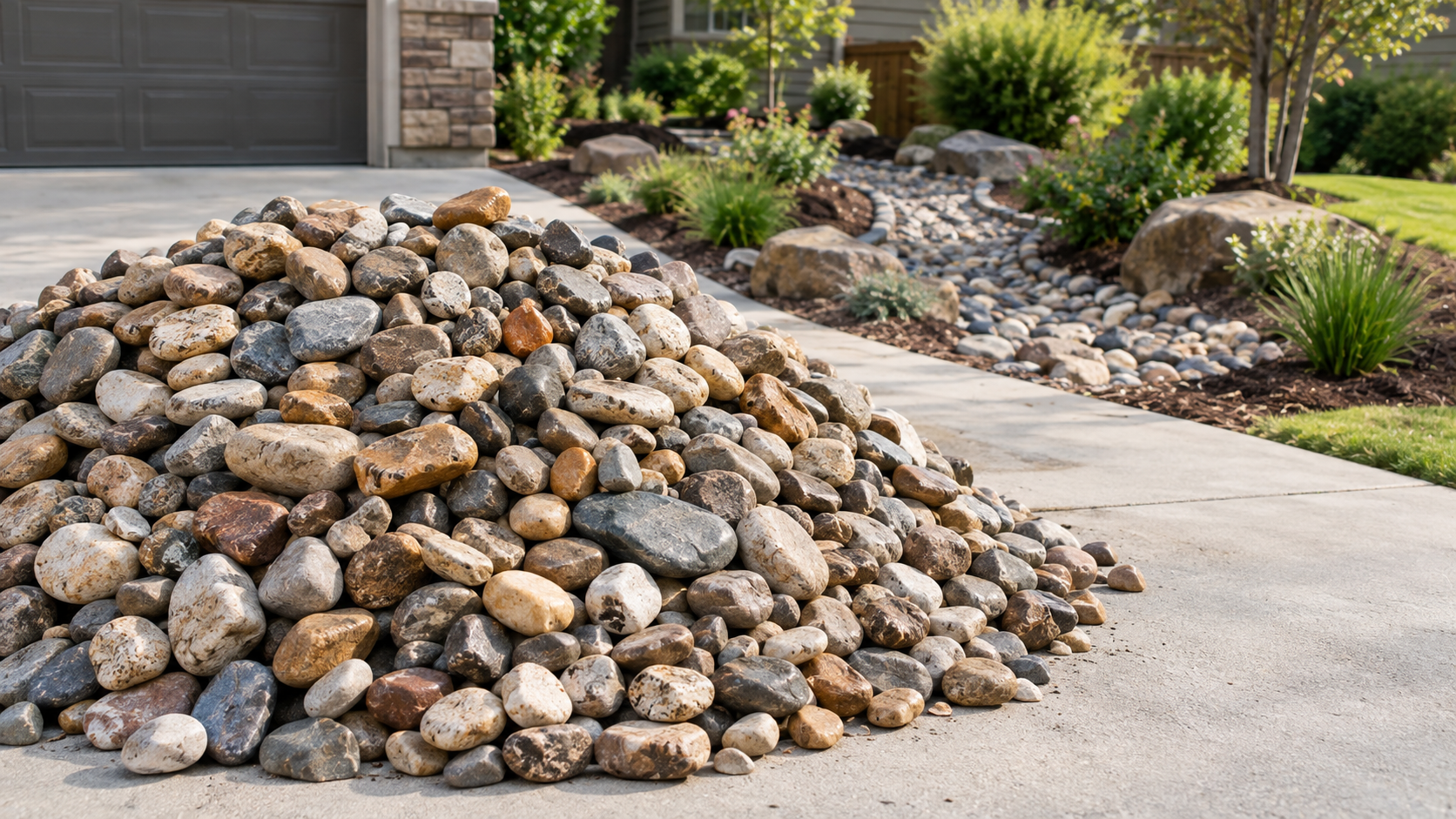
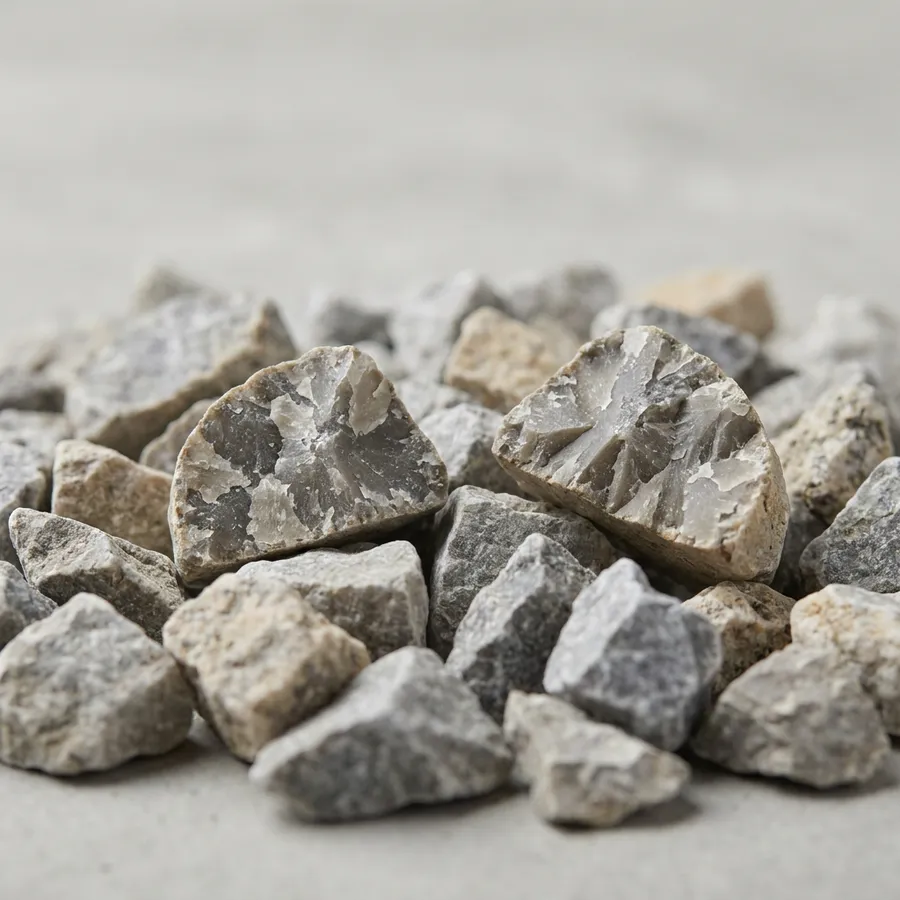
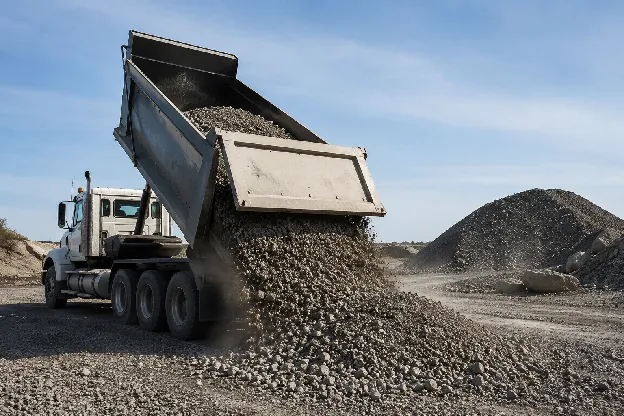
River pea gravel represents the premium option for garden paths. Sourced from riverbeds, these stones have been naturally smoothed by flowing water over thousands of years. The result is perfectly rounded stones with a polished appearance that feels comfortable underfoot. While more expensive than other options, river pea gravel offers unmatched elegance and a natural look that complements both formal and informal garden designs. Learn more about the differences in our pea gravel vs. river rock comparison.Pea gravel mix combines different stone types and sizes, creating visual interest through varied textures and colors. This option typically costs less than pure river gravel while still providing good drainage and stability. The mixed composition creates a mosaic-like effect that works particularly well in cottage-style or naturalistic gardens.Different pea gravel types comparison

Pea pebbles are the smallest option, usually measuring 1/8 to 1/4 inch in diameter. These tiny stones create a refined, almost sand-like appearance that works beautifully in formal garden settings or areas where you want a more subtle texture. However, their small size means they can shift more easily under foot traffic.

Choosing the right type for your needs

Your garden’s soil type plays a crucial role in determining which pea gravel works best. Heavy clay soils that retain water benefit from coarser gravel that promotes better drainage. Sandy soils that drain quickly work well with finer options that help retain some moisture around plant roots. If drainage is a primary concern, explore our guide on what type of pea gravel is best for drainage.

Consider your garden’s overall aesthetic when making your choice. Formal gardens with structured plantings and clean lines pair beautifully with uniform pea pebbles. Natural or cottage-style gardens benefit from the varied textures of mixed gravel or the organic appeal of river stones. For those seeking a specific color palette, gray pea gravel and white pea gravel offer elegant options for landscaping projects.

Think about how you’ll use the path. Daily foot traffic requires stable, larger stones that won’t shift or scatter. Decorative paths used occasionally can accommodate finer materials that prioritize appearance over heavy-duty performance.

Consider This: Wheelchair accessibility requires a firm, stable surface, making 3/8-inch river pea gravel the best choice for universal design.

Color coordination matters too. Most pea gravel comes in neutral earth tones ranging from beige and tan to gray and brown. River gravel often displays the most color variation, while manufactured options tend toward more uniform hues. For a warm, natural aesthetic, consider sand colored pea gravel.

Installation and maintenance essentials

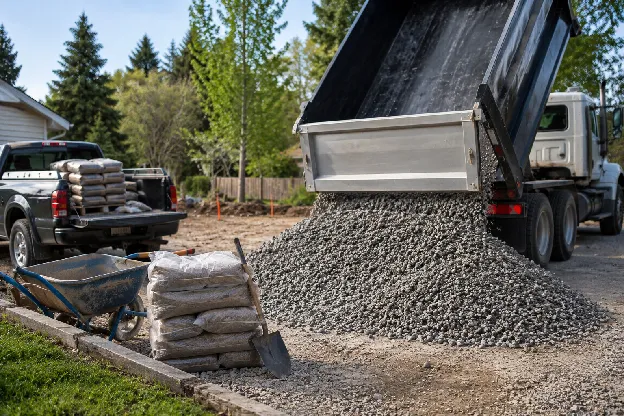
Proper installation ensures your pea gravel path looks great and functions well for years. Start by clearing the path area of vegetation and debris, then level the ground to create a stable foundation. Understanding what to put under pea gravel is crucial for long-term success.

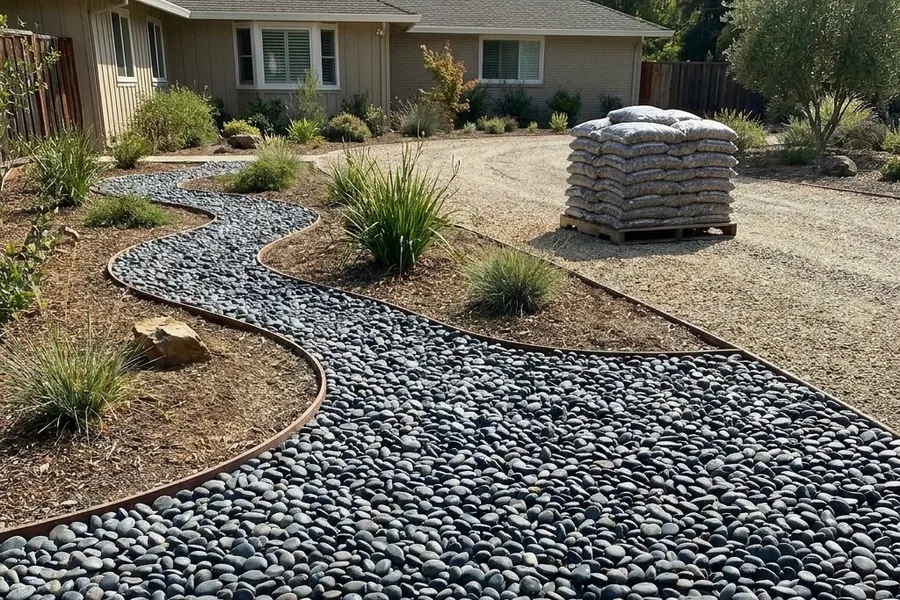
Edge containment prevents gravel from spreading into surrounding garden beds. Metal, plastic, or wooden edging materials work well, with the choice depending on your garden’s style and budget.

Apply pea gravel to a depth of 2 to 3 inches for optimal coverage and stability. This depth provides enough material for comfortable walking while preventing the underlying soil from showing through.

Regular maintenance keeps your path looking its best. Rake the surface monthly to redistribute stones and remove debris like fallen leaves. Hand-pull any weeds that emerge, focusing on removing the entire root system to prevent regrowth.

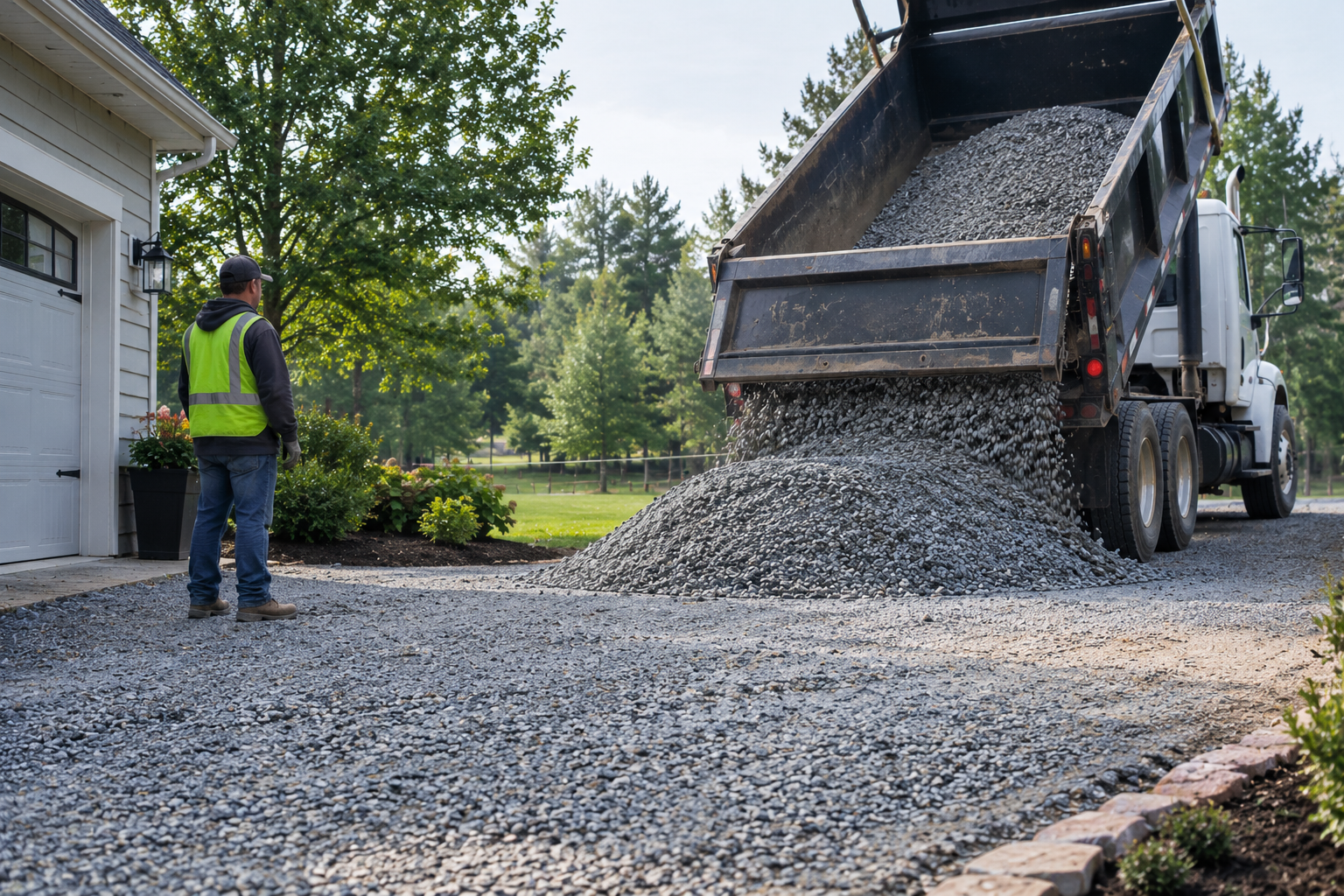
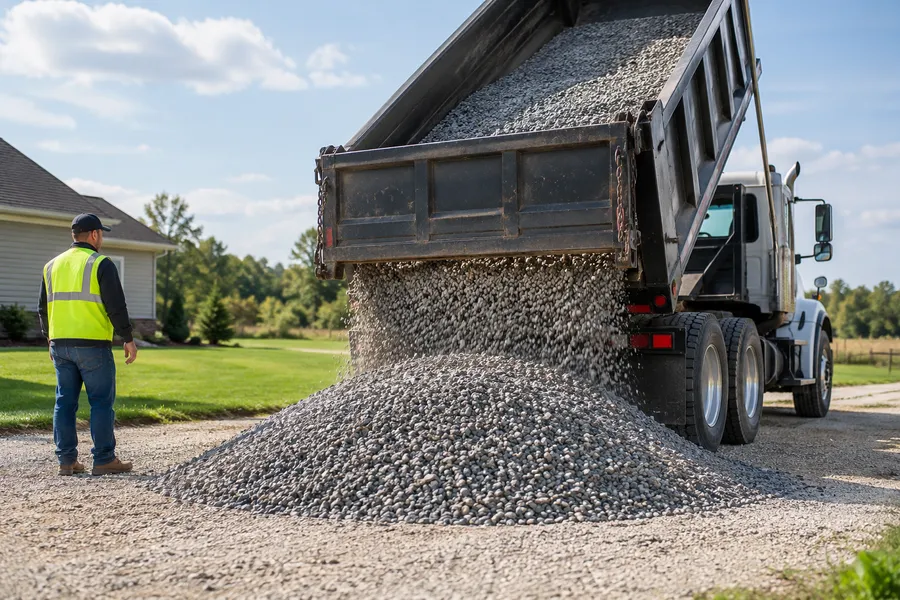
Pea gravel path installation process

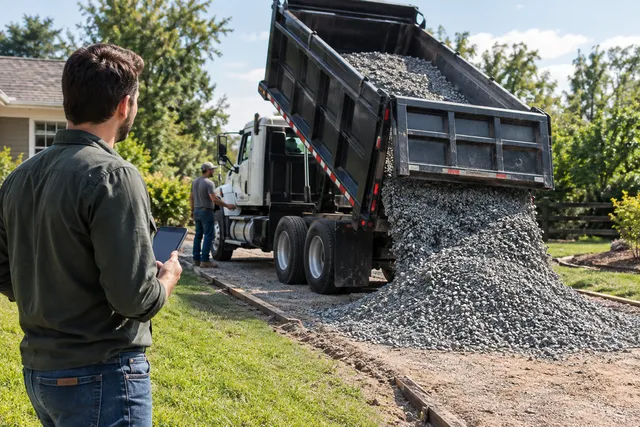
Seasonal care involves adding fresh gravel as needed to maintain proper depth. High-traffic areas may require annual top-ups, while low-use paths might need attention every few years.

Benefits that make pea gravel worthwhile

Pea gravel paths offer significant advantages over traditional paving materials. The permeable surface allows rainwater to soak into the ground naturally, reducing runoff and helping prevent erosion. This environmental benefit becomes increasingly important as communities focus on sustainable landscaping practices. If you’re wondering about its drainage capabilities, our article on does pea gravel drain well provides detailed information.

Maintenance requirements stay minimal compared to concrete or asphalt surfaces. You won’t deal with cracking, sealing, or major repairs. Simple raking and occasional weeding keep the path looking fresh and inviting. For those considering other options, our pea gravel vs. mulch comparison can help you make an informed decision.

Cost effectiveness makes pea gravel accessible for most budgets. Initial material costs run significantly lower than pavers or poured surfaces, and installation often works as a DIY project for handy homeowners.

The natural appearance blends seamlessly with garden plantings, creating a cohesive look that enhances rather than competes with your landscape design. Unlike hard surfaces that can create heat islands, pea gravel stays cool and comfortable even on hot summer days.

Choosing the right pea gravel for your garden path comes down to balancing your aesthetic preferences, functional needs, and budget considerations. River pea gravel offers premium quality and appearance, mixed gravel provides good value with visual interest, and pea pebbles deliver refined elegance for formal settings. With proper installation and minimal maintenance, any of these options will create a beautiful, functional pathway that enhances your garden’s appeal for years to come.

FAQ

What size pea gravel is best for garden paths?

3/8-inch pea gravel is optimal for most garden paths as it provides the perfect balance of comfort underfoot, stability, and drainage. For high-traffic areas, choose coarser sizes (3/8 to 5/8 inch) for better stability, while finer pea pebbles (1/8 to 1/4 inch) work best for decorative or low-traffic areas.

Is pea gravel good for walkways?

Yes, pea gravel is excellent for walkways due to its smooth, rounded texture that’s comfortable underfoot, excellent drainage properties, and low maintenance requirements. However, it requires proper edging to prevent shifting and may not be ideal for wheelchair accessibility or heavy foot traffic without stabilization.

How do you keep pea gravel in place on a path?

Install proper edging using metal, plastic, or wooden borders to contain the gravel. Apply pea gravel to a depth of 2-3 inches over a stable base, and consider using landscape fabric underneath to prevent weeds. Regular raking helps redistribute stones and maintain an even surface.

How thick should pea gravel be for a garden path?

Apply pea gravel to a depth of 2-3 inches for optimal coverage and stability. This depth provides enough material for comfortable walking while preventing the underlying soil from showing through. High-traffic areas may require annual top-ups to maintain proper depth.

Author: