Sand Colored Pea Gravel for Landscaping Benefits, Uses and Installation Guide
Published on: January 5, 2026
Get an estimate for your project in 60 seconds
 Your information is secure
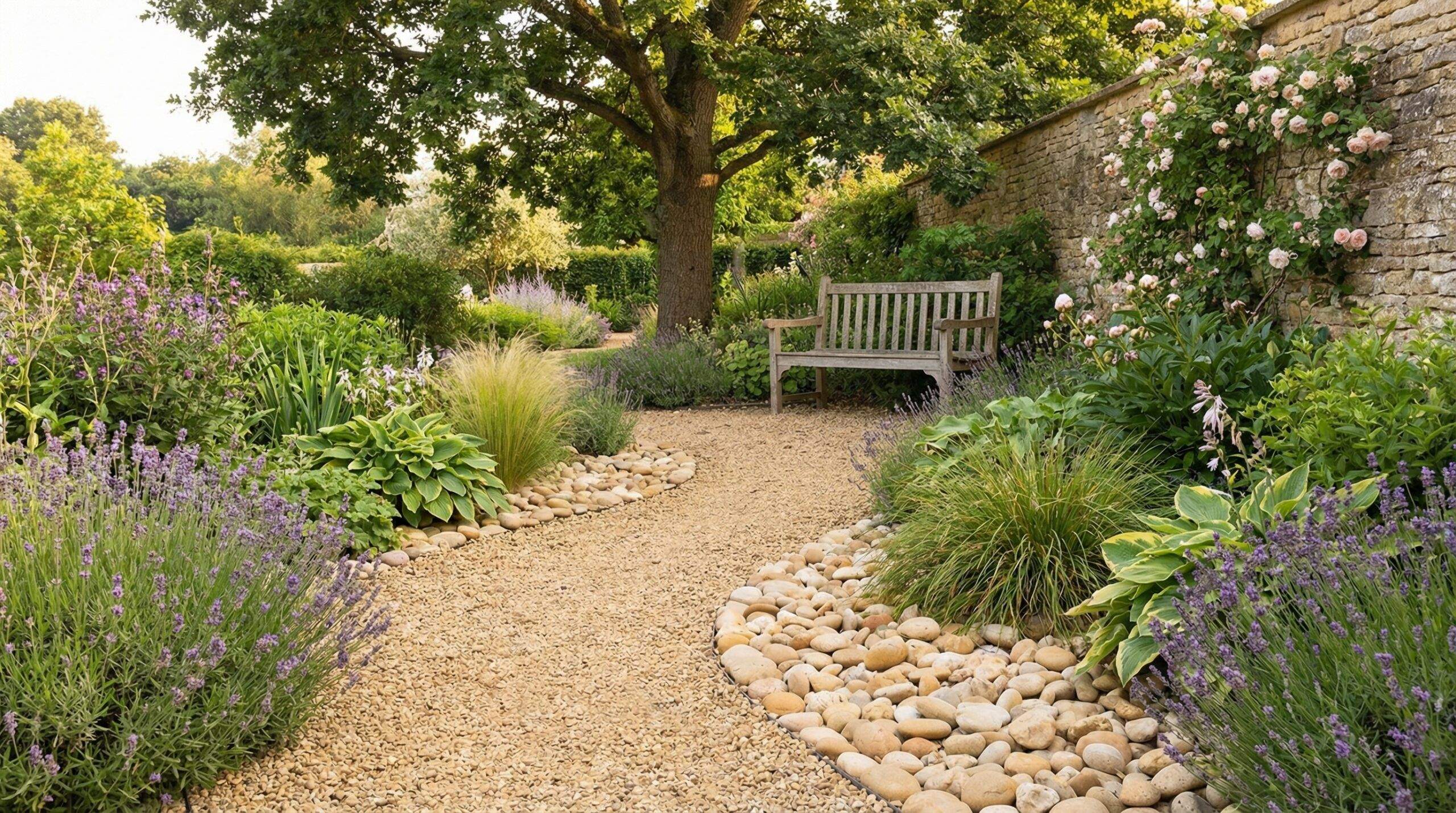
Sand colored pea gravel offers the perfect combination of natural beauty and practical functionality for your landscaping projects. This smooth, rounded aggregate material ranges from 1/8 to 3/8 inches in diameter and features warm beige to light tan tones that complement virtually any outdoor design. Whether you’re planning a garden pathway, patio area, or decorative border, sand colored pea gravel provides excellent drainage while creating an elegant, low-maintenance surface that feels comfortable underfoot.
Quick Fact: Sand colored pea gravel compacts naturally to create stable surfaces while allowing water to drain freely, making it ideal for both decorative and functional landscaping applications.
What is sand colored pea gravel
Sand colored pea gravel consists of small, naturally rounded stones that have been smoothed by water erosion over time. These pebbles typically measure between 1/8 and 3/8 inches in diameter, making them roughly the size of a pea. The stones originate from riverbeds and coastal areas where constant water movement creates their characteristic smooth texture and rounded edges.
The natural color palette ranges from warm beige to light tan, with subtle variations that add visual interest without overwhelming your landscape design. Unlike angular crushed stone, pea gravel’s smooth surface makes it comfortable to walk on barefoot and safe for children’s play areas. To understand how sand colored pea gravel compares to other options, explore our guide on the various colors and sizes of pea gravel.
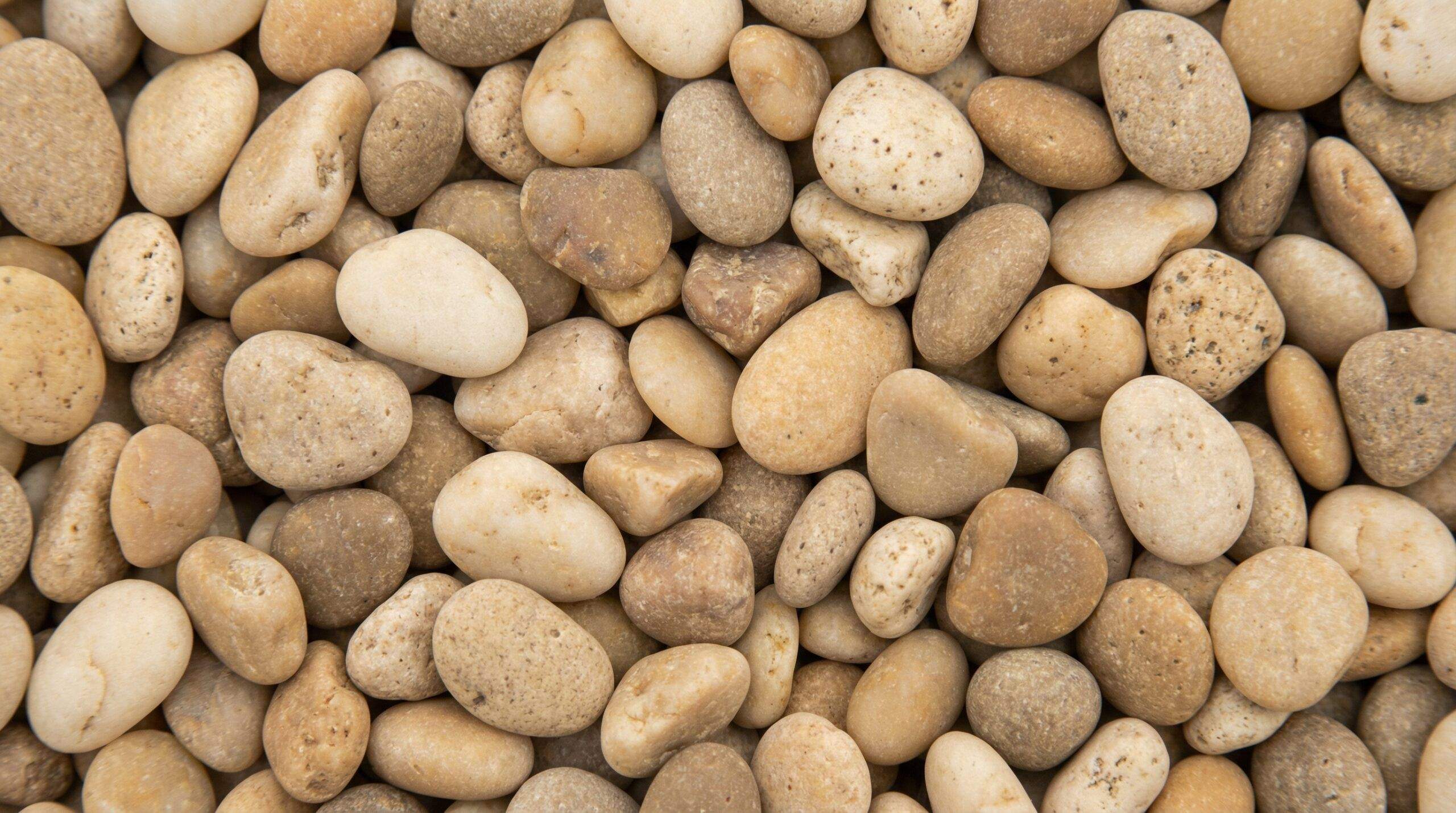 The material’s small size allows individual stones to interlock naturally when compacted, creating a stable surface that resists shifting while maintaining excellent permeability for water drainage.
Key benefits of using sand colored pea gravel
Sand colored pea gravel delivers multiple advantages that make it a smart choice for landscaping projects. The material requires minimal maintenance once installed, needing only occasional raking to maintain an even surface. Its natural composition resists erosion and doesn’t decompose like organic mulches, providing long-lasting performance.
The neutral color palette works seamlessly with various design styles, from rustic cottage gardens to modern minimalist landscapes. The soft tones won’t compete with colorful plantings or architectural features, instead providing an elegant backdrop that enhances your overall design. If you’re considering alternatives, learn more about pea gravel as a landscaping mulch alternative.
Environmental Benefit: Pea gravel’s permeable surface reduces stormwater runoff by allowing rainwater to filter naturally into the ground, supporting local groundwater systems.
From a practical standpoint, sand colored pea gravel offers excellent drainage properties that prevent water pooling and reduce maintenance issues. For detailed information on drainage performance, check out our article on whether pea gravel drains well. The material stays cool underfoot during hot weather, unlike concrete or asphalt surfaces that absorb and radiate heat.
Best landscaping applications
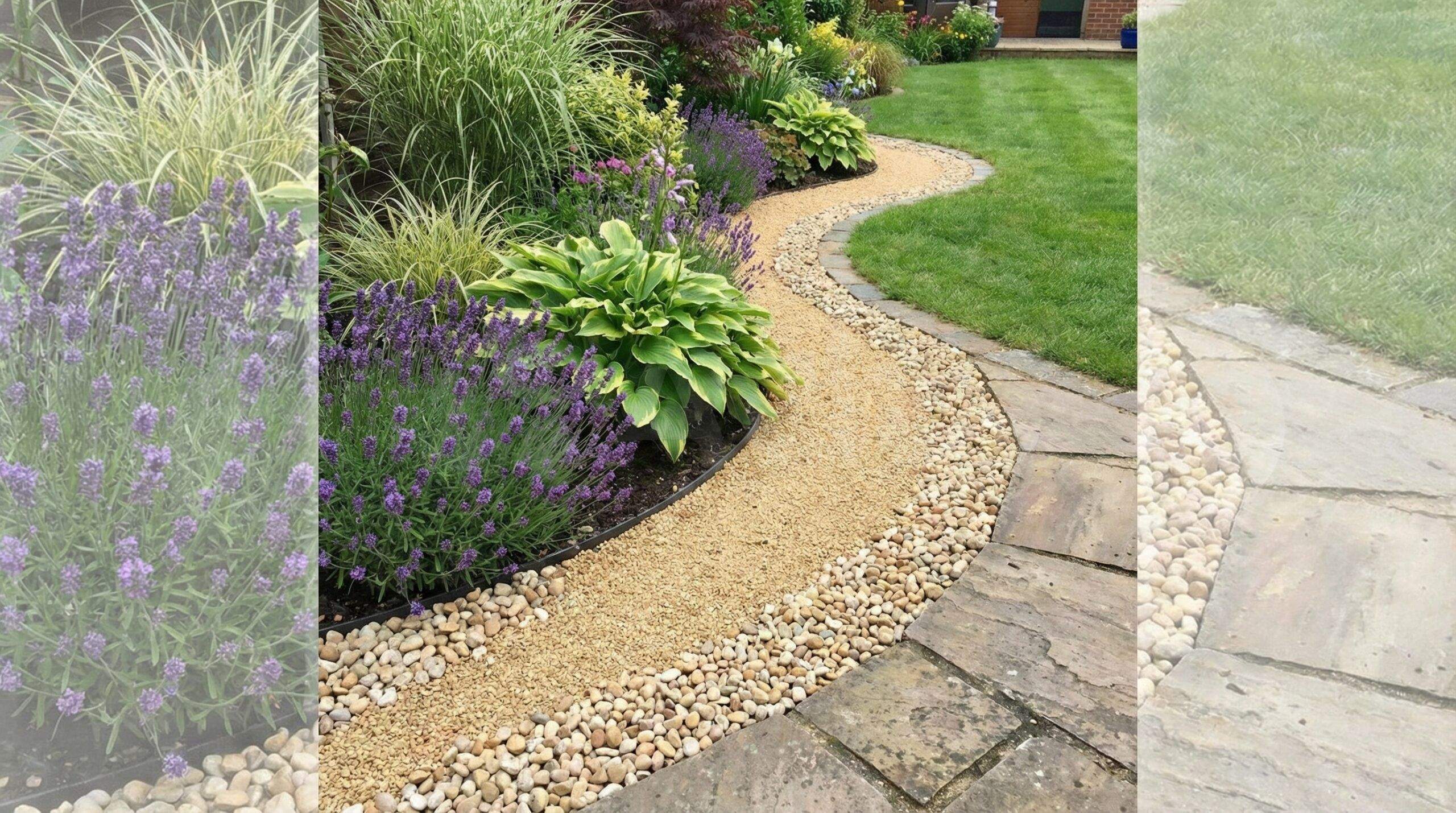
Sand colored pea gravel excels in numerous landscaping applications where you need both beauty and functionality. Garden pathways benefit from the material’s comfortable walking surface and natural drainage, while the neutral color complements surrounding plantings without creating visual competition. For specific guidance on pathway projects, see our comprehensive guide on what type of pea gravel is best for a garden path.
For patio areas, pea gravel provides a cost-effective alternative to traditional hardscaping materials. The surface remains stable under furniture while offering better drainage than solid surfaces. Many homeowners use it as a base material under outdoor dining sets or seating areas. Learn more about the best pea gravel size for a patio to ensure optimal results.
Decorative borders around flower beds or tree plantings showcase the material’s aesthetic appeal while providing practical weed suppression. The stones create a clean edge that defines planting areas without requiring ongoing maintenance like traditional mulches.
Playground surfaces represent another excellent application, as the smooth stones provide cushioning for falls while draining quickly after rain. The material meets safety standards for residential play areas when installed at proper depths. For playground projects, consult our guide on the best pea gravel size for a playground.
Installation and maintenance guide
Installing sand colored pea gravel requires proper site preparation for long-lasting results. Start by excavating the area to a depth of 2-3 inches for pathways or 3-4 inches for areas that will support vehicles. Remove all vegetation and debris, then compact the soil base using a hand tamper or plate compactor.
Install landscape fabric over the prepared base to prevent weed growth while allowing water drainage. Secure the fabric edges with landscape staples, ensuring complete coverage without gaps. For more detailed information on proper base preparation, read our article on what to put under pea gravel. Pour the pea gravel evenly across the surface, spreading it with a rake to achieve consistent depth.
| Installation Step | Depth Required | Tools Needed |
|---|---|---|
| Excavation | 2-4 inches | Shovel, rake |
| Base preparation | Compact existing soil | Hand tamper |
| Fabric installation | Single layer | Landscape staples |
| Gravel placement | 2-3 inches | Rake, wheelbarrow |
Compact the installed gravel lightly using a hand tamper, working in sections to ensure even distribution. Avoid over-compacting, which can reduce drainage effectiveness. To understand compaction characteristics better, see our article on whether pea gravel compacts well.
Maintenance Tip: Rake your pea gravel surface monthly to redistribute stones and maintain an even appearance, especially after heavy rains or high traffic periods.
Regular maintenance involves raking to smooth out any uneven areas and adding fresh material as needed to maintain proper depth. Remove any debris or leaves that accumulate on the surface, and spot-treat any weeds that emerge through gaps in the landscape fabric.
Sand colored pea gravel transforms ordinary outdoor spaces into functional, beautiful areas that require minimal ongoing care. The material’s versatility, durability, and natural appeal make it an excellent investment for homeowners seeking practical landscaping solutions that enhance their property’s value and usability. With proper installation and basic maintenance, your pea gravel surfaces will provide years of reliable performance while maintaining their attractive appearance.
FAQ
What is the difference between sand colored pea gravel and regular pea gravel?
How much sand colored pea gravel do I need for my project?
Does sand colored pea gravel get hot in summer weather?
How long does sand colored pea gravel last in landscaping?
Author: