
Pea Gravel Gazebo and Pergola Bases Complete Guide for 2026
Guide handoff
Want help applying this guide to your project?
Share your ZIP and what you need help with. We'll use this guide as context when we follow up.
- 1 This guide gives us the context you were reading.
- 2 Ask about pricing, material choice, delivery timing, or quantity.
- 3 Keep it broad if you are still figuring out the project.
Planning a gazebo or pergola project and wondering about the best foundation option? You’re not alone in considering pea gravel as a base material. The short answer is yes, pea gravel can work as a foundation for many gazebos and pergolas, but success depends on your structure size, soil conditions, and proper installation techniques.
Quick Fact: Pea gravel bases work best for smaller to medium structures on stable, well-draining soil. Larger or heavier installations typically require concrete slabs or pier foundations for optimal stability.
Pea gravel offers excellent drainage and a natural aesthetic that many homeowners love. However, understanding when it’s appropriate and how to install it correctly makes the difference between a stable, long-lasting foundation and one that shifts or settles over time. This guide walks you through everything you need to know about using pea gravel for your outdoor structure project.
Understanding pea gravel as a foundation material
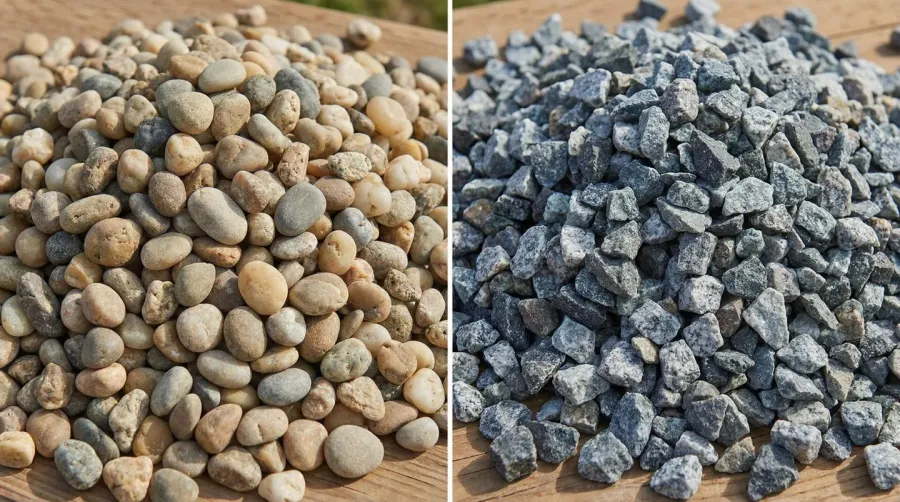
Pea gravel consists of small, smooth stones roughly 3/8 inch in diameter. These rounded stones create a naturally draining surface that prevents water accumulation around your gazebo or pergola posts. The smooth texture feels comfortable underfoot and comes in various colors to complement your landscape design.
What sets pea gravel apart from other gravel types is its drainage capability. Water flows freely through the spaces between stones, eliminating puddles that could damage wooden posts or metal hardware over time. This drainage benefit makes pea gravel particularly attractive for areas that receive heavy rainfall or have naturally moist soil conditions.
However, the same rounded shape that provides comfort and drainage can also create stability challenges. Unlike angular crushed stone that locks together when compacted, pea gravel tends to shift under weight. This characteristic means you’ll need proper installation techniques and sometimes additional base layers to create a stable foundation.
Comparing pea gravel to other foundation options
Before committing to pea gravel, consider how it stacks up against other popular foundation choices. Each option has distinct advantages depending on your specific situation and structure requirements.
| Foundation Type | Best For | Stability | Drainage | DIY Difficulty |
|---|---|---|---|---|
| Pea gravel pad | Small to medium structures | Moderate | Excellent | Easy |
| Concrete slab | Large, permanent structures | High | Poor | Moderate |
| Patio stones | Medium structures, decorative | High | Good | Easy |
| Concrete piers | Heavy or wind-exposed structures | Very High | Good | Hard |
Concrete slabs provide maximum stability but require more skill, time, and money to install properly. They also create drainage issues unless you incorporate proper slopes and drainage systems. Patio stones offer a middle ground with good stability and easier installation than concrete, though they cost more than gravel options.
Consider This: If your gazebo will support a hot tub or you live in a high-wind area, concrete piers or a full slab foundation will serve you better than any gravel option.
Pea gravel shines when you want an affordable, DIY-friendly option that provides natural drainage. For comparison, using crushed stone as a base for your gazebo or pergola project offers better compaction and stability, while using gravel as a base for your gazebo or pergola project provides similar drainage benefits with different aesthetic options.
Step-by-step installation process
Creating a stable pea gravel base requires attention to detail during each installation phase. Proper preparation prevents most common problems like shifting, settling, and uneven surfaces that plague poorly installed gravel foundations.
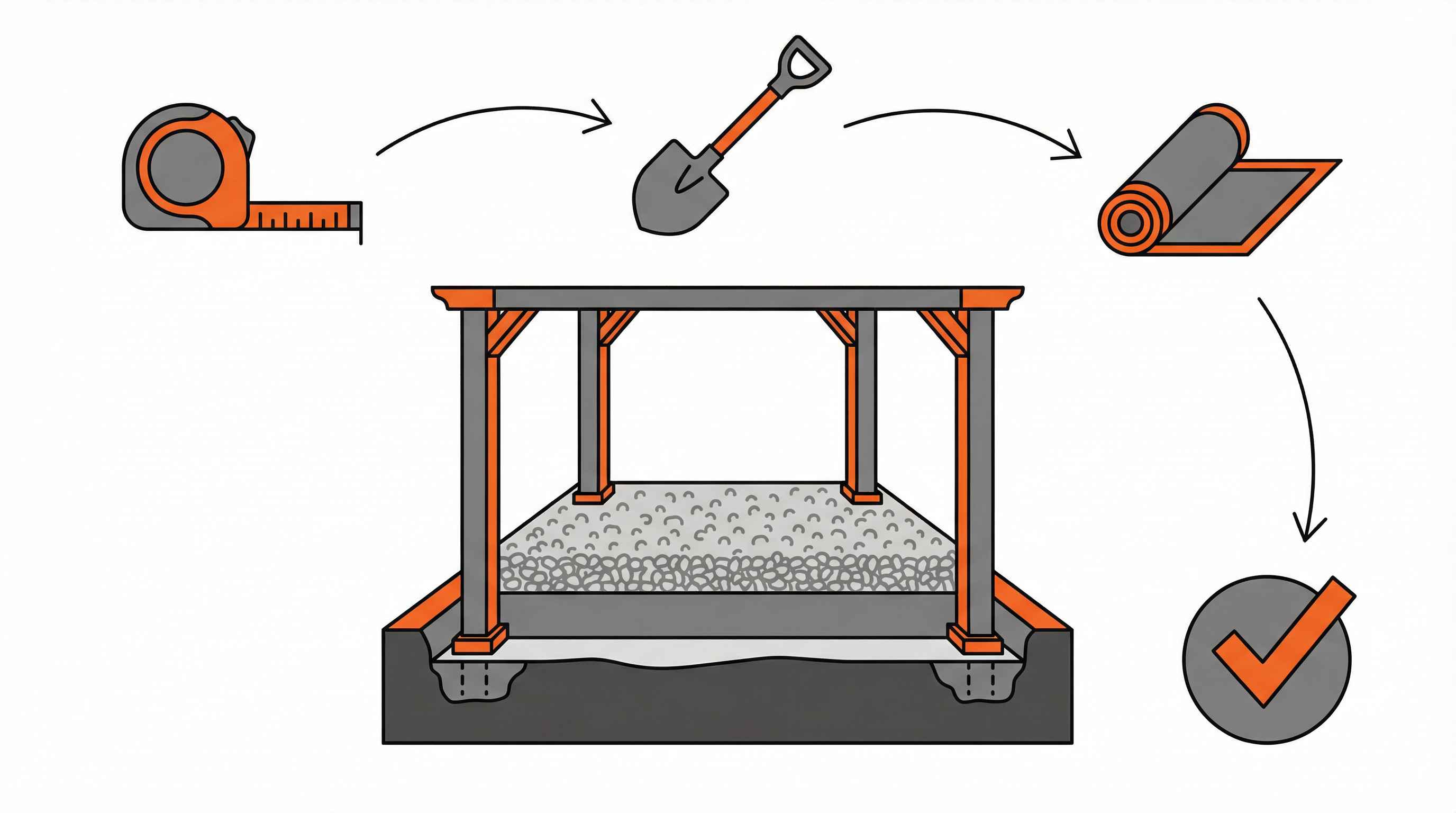
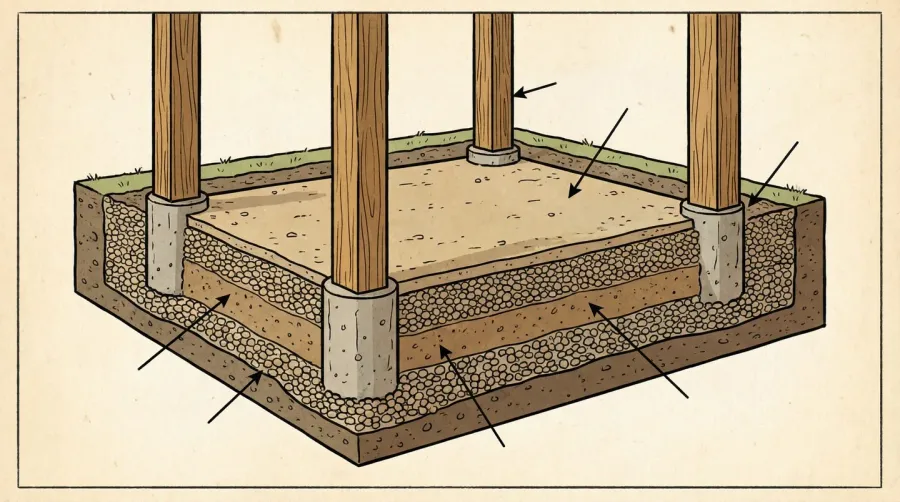
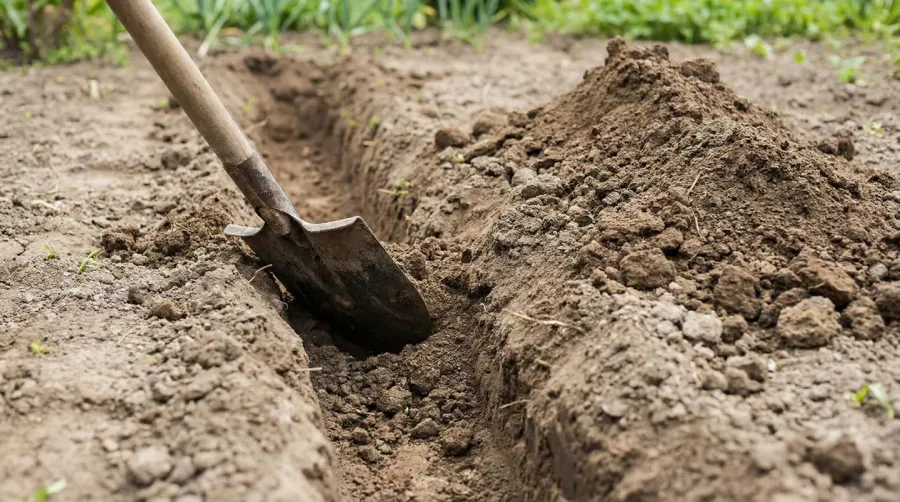
Start by marking your area slightly larger than your gazebo or pergola footprint. Remove all grass, weeds, and organic material within the marked boundaries. Excavate to a depth of 4-6 inches, creating a level surface that slopes slightly away from the center for drainage.
Install solid edging around the perimeter using pressure-treated lumber, metal strips, or heavy-duty plastic edging. This border prevents gravel migration and maintains clean lines. The edging should align with your finished gravel height to create a professional appearance.
Add a 2-inch layer of 3/4-inch crushed stone as your base layer, especially if you have soft or clay soil. Rake this material level and compact it thoroughly using a hand tamper or plate compactor. This angular stone creates a stable foundation that won’t shift like pea gravel alone. If you’re interested in learning more about crushed stone applications, using crushed stone as a sub-base for deck projects offers valuable insights into proper base preparation.
Lay landscape fabric over the compacted base to suppress weeds while allowing water drainage. Overlap seams by several inches and secure with landscape staples. Finally, add 2-3 inches of pea gravel, rake level, and lightly compact. Avoid making the pea gravel layer too thick, as this creates an unstable walking surface.
When pea gravel works best and when to avoid it
Pea gravel foundations excel in specific situations but aren’t suitable for every gazebo or pergola project. Understanding these limitations helps you make the right choice for your particular circumstances.
Choose pea gravel when you have a smaller gazebo or pergola on stable, well-draining soil. This foundation type works well for structures under 12×12 feet that won’t support heavy loads like hot tubs or extensive lighting systems. The natural drainage and softer appearance complement casual outdoor living spaces beautifully. For similar outdoor projects, consider how pea gravel can be used for a shed foundation or pea gravel for fire pit areas.
Avoid pea gravel foundations for large structures over 12×16 feet, heavy installations, or areas with poor soil drainage. Clay soil that holds water or very sandy soil that shifts easily both create problems for gravel-based foundations. Similarly, if you live in an area with severe weather conditions like high winds or heavy snow loads, concrete piers or slabs provide necessary stability.
Safety Note: Most building codes require gazebo and pergola posts to extend below the frost line in cold climates, regardless of surface material. Check local requirements before starting your project.
Consider your long-term maintenance preferences too. Pea gravel requires periodic raking to maintain level surfaces and occasional top-ups as stones settle or migrate. If you prefer a set-and-forget foundation, concrete options might suit you better despite higher initial costs. For alternative foundation materials, explore using decomposed granite as a base for gazebo or pergola projects or using limestone as a base for gazebo or pergola projects.
The key to success with pea gravel lies in matching the foundation type to your specific project requirements. When properly installed in suitable conditions, pea gravel creates an attractive, functional base that can last for many years with minimal maintenance.
Ready to start your gazebo or pergola project with quality pea gravel? Hello Gravel provides reliable delivery of properly graded materials to ensure your foundation performs as expected. Our team can help calculate the right quantities and provide installation guidance to support your DIY project success.
FAQ
Can you put a gazebo directly on pea gravel?
Yes, you can put a gazebo on pea gravel, but it works best for smaller, lightweight structures. For permanent or heavy gazebos, we recommend using pea gravel as a top layer over a compacted crushed stone base with proper concrete footings for the posts. This provides the drainage benefits of pea gravel while ensuring structural stability.
How deep should pea gravel be for a gazebo base?
For a stable gazebo base, use 4-6 inches of compacted crushed stone as your foundation layer, topped with 2-3 inches of pea gravel. This layered approach provides both structural stability from the crushed stone and the drainage and aesthetic benefits of pea gravel on the surface.
Do you need landscape fabric under pea gravel for a gazebo?
Yes, landscape fabric is recommended under pea gravel for gazebo bases. It helps prevent weeds from growing through the gravel while still allowing proper drainage. Install the fabric over your compacted base layer before adding the pea gravel, and secure it with landscape staples.
Is pea gravel better than concrete for a gazebo base?
Pea gravel and concrete each have advantages depending on your needs. Pea gravel offers excellent drainage, lower cost, and easier DIY installation, making it ideal for smaller structures. Concrete provides maximum stability for large, permanent gazebos but costs more and requires professional installation. Many homeowners choose a hybrid approach with concrete footings and pea gravel surfacing.