
How to determine your quarry's value in 2026
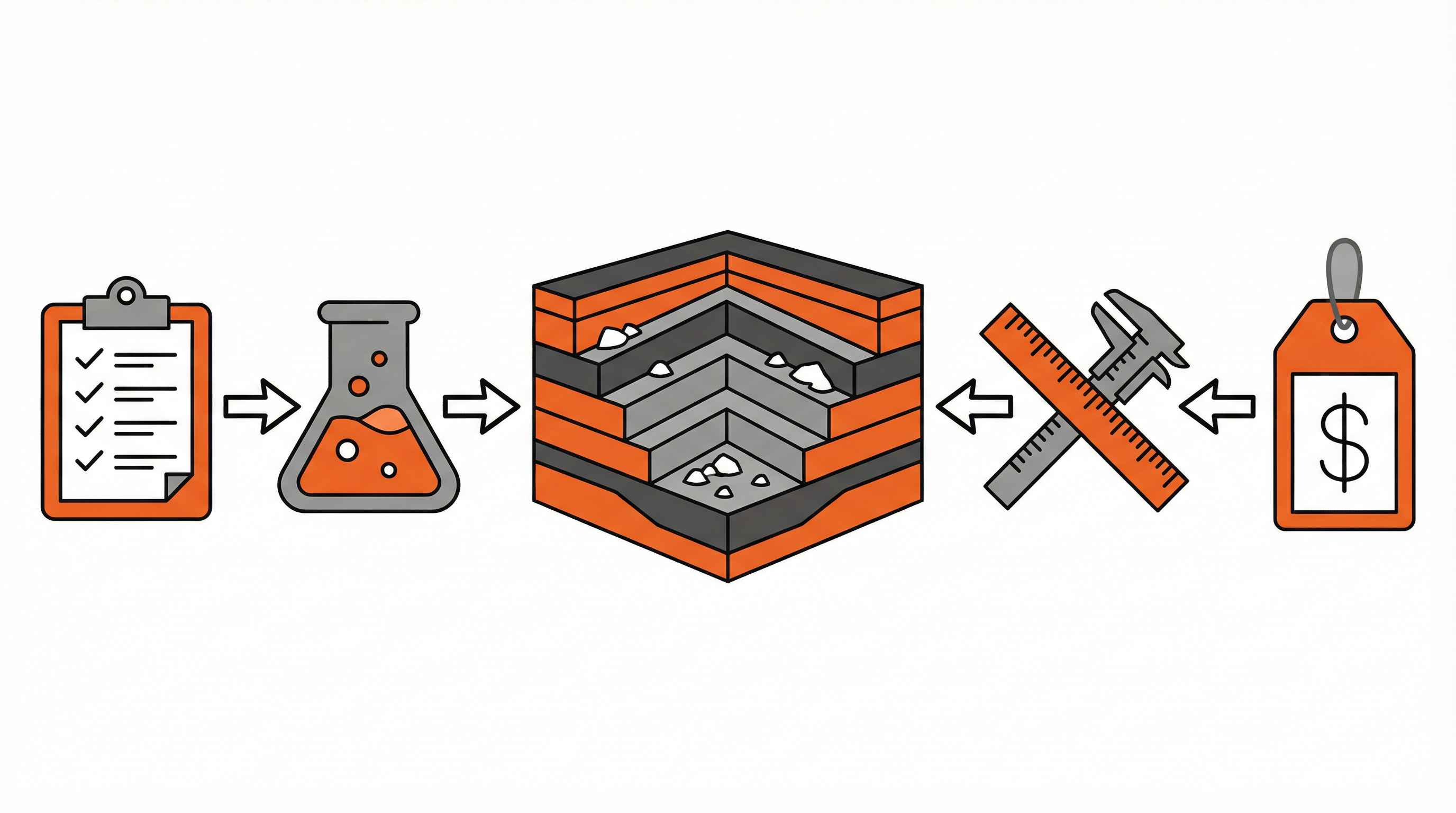
Guide handoff
Want help applying this guide to your project?
Share your ZIP and what you need help with. We'll use this guide as context when we follow up.
- 1 This guide gives us the context you were reading.
- 2 Ask about pricing, material choice, delivery timing, or quantity.
- 3 Keep it broad if you are still figuring out the project.
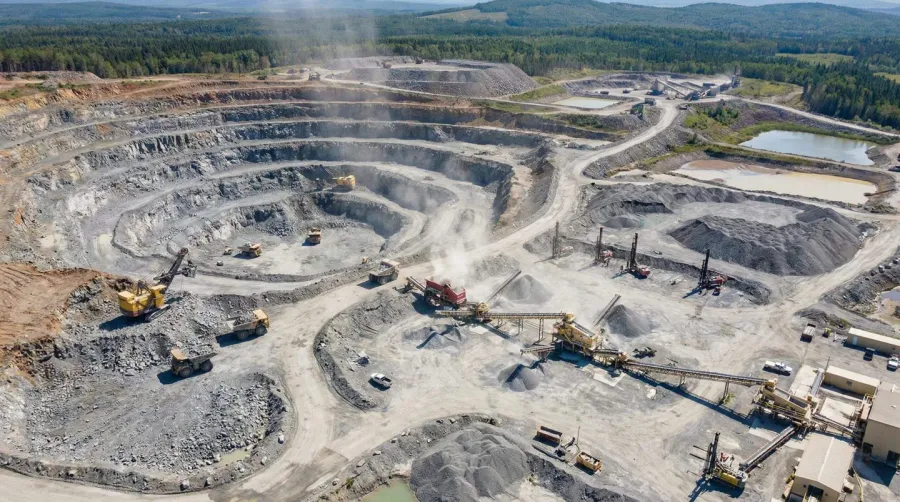
Understanding your quarry’s worth is essential whether you’re planning to sell, seeking investment, or simply want to know your asset’s current market value. Quarry valuation involves multiple approaches that consider everything from reserve quality to location advantages.
Quick answer: Most quarries are valued using three main approaches – income-based (4-6x EBITDA), market comparison ($10-40 per annual ton produced), and asset-based (replacement cost minus liabilities). Location, reserves, and production capacity are the primary value drivers.
The valuation process requires careful analysis of your operation’s unique characteristics, from geological reserves to equipment condition. Each quarry presents different challenges and opportunities that directly impact its market value.
Key factors that drive quarry value
Your quarry’s location significantly influences its market value. Operations near major highways, urban centers, or transportation hubs typically command higher prices due to reduced transportation costs. According to dealstream.com, quarries with superior location access can see premiums of 10-25% above comparable remote operations.
Reserve quality and quantity form the foundation of any valuation. Higher-grade materials that meet construction specifications fetch premium prices in the market. The total tonnage of proven reserves directly correlates with long-term revenue potential. Understanding the quarrying process from extraction to construction helps operators maximize the value of their reserves.
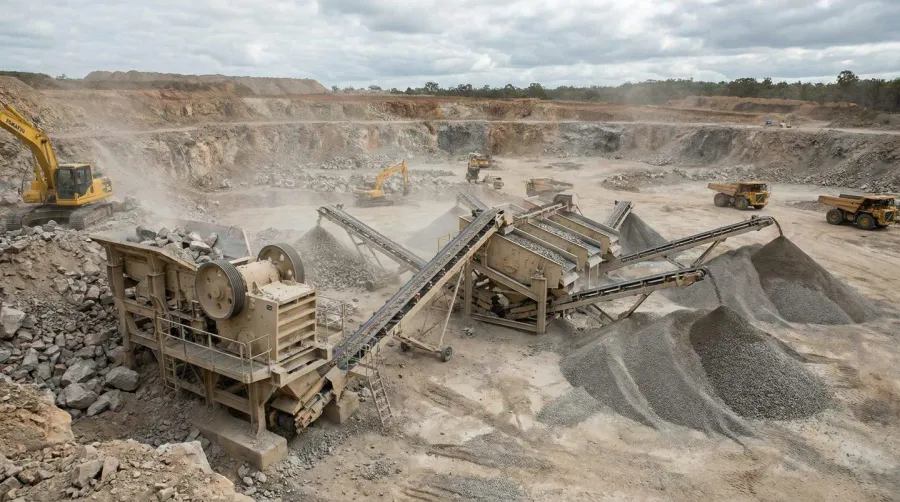
Production capacity matters just as much as what’s in the ground. Modern equipment and efficient processing systems increase operational value. Quarries with outdated machinery or limited throughput capacity often trade at discounts to reflect necessary capital investments.
Market demand in your region affects pricing power and sales volume. Areas experiencing construction growth or infrastructure development typically support higher quarry valuations due to sustained material demand. Exploring the benefits and operations of a sand and gravel pit can provide insights into optimizing your operation for maximum profitability.
Industry insight: Environmental compliance and permitting status can impact value by 5-15%. Quarries with robust permits and proven reclamation plans attract premiums, while those facing regulatory uncertainty may see discounts up to 20%.
Income approach valuation method
The income approach focuses on your quarry’s earning potential and cash flow generation. This method multiplies normalized EBITDA by industry multiples, typically ranging from 4.0x to 6.0x depending on operational stability and market position.
To apply this approach, calculate your quarry’s average EBITDA over the past three years, adjusting for one-time expenses or unusual items. Larger operations with diversified customer bases often command higher multiples due to reduced business risk. Understanding how a rock quarry makes money is crucial for accurately projecting future income streams.
Consider future income potential when using this method. Quarries with long-term contracts or expansion opportunities may justify premium valuations. However, operations facing declining reserves or market challenges typically receive lower multiples.
The income approach works best for profitable quarries with predictable cash flows. If your operation has irregular earnings or is in startup phase, other valuation methods may provide more accurate assessments.
Market comparison approach
Market-based valuation compares your quarry to recent sales of similar operations in your region. This approach provides real-world pricing benchmarks but requires finding truly comparable transactions.
Key comparison factors include annual production volume, reserve size, material type, and geographic location. According to hellogravel.com, quarries often trade at $10-40 per annual ton of production capacity, with variations based on operational efficiency and market conditions.
Recent transaction data helps establish current market pricing trends. However, finding exact comparables can be challenging since each quarry has unique characteristics affecting its value.
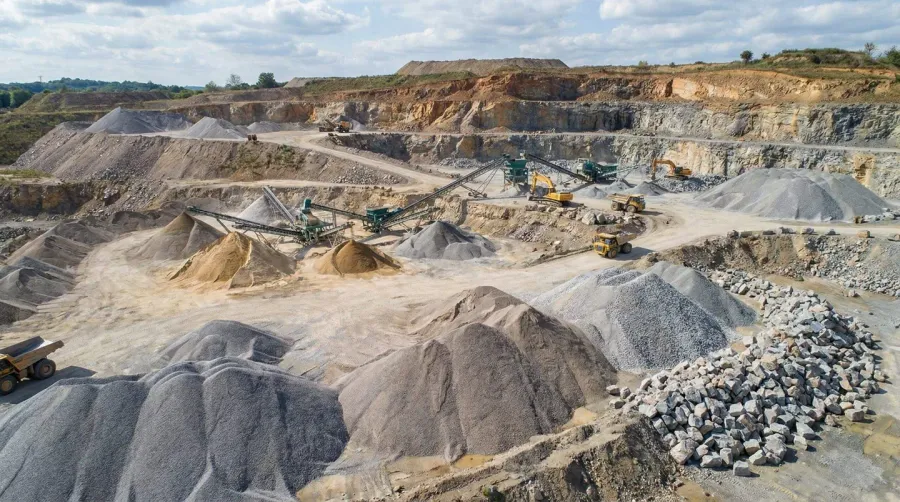
This approach works particularly well in active markets with regular quarry transactions. In regions with limited sales activity, market comparisons become less reliable for establishing fair value. Types of machinery in the quarry industry can significantly impact operational efficiency and therefore market value.
Valuation tip: Combine market data with your quarry’s specific advantages or disadvantages. Superior equipment, better permits, or prime location can justify pricing above market averages.
Asset-based valuation considerations
The asset approach calculates value by summing all tangible assets minus liabilities and restoration obligations. This method provides a baseline value but may not capture operational synergies or market premiums.
Major asset categories include land value, mining equipment, processing machinery, buildings, and infrastructure. Professional appraisals help establish current replacement costs for equipment and facilities. Understanding how wash plants work can help you better assess the value of your processing equipment.
Environmental liabilities require careful assessment in asset-based valuations. Future reclamation costs, bonding requirements, and potential remediation expenses reduce net asset value. The environmental impacts of quarrying and potential solutions should be carefully considered when calculating long-term liabilities.
| Valuation Method | Typical Range | Best Used For |
|---|---|---|
| Income (EBITDA Multiple) | 4.0x – 6.0x | Profitable operations |
| Market (Per Annual Ton) | $10 – $40 | Active market areas |
| Asset (Replacement Cost) | Varies by assets | Underperforming quarries |
This approach often serves as a floor value, particularly for underperforming or undeveloped quarries where earnings-based methods may understate asset worth.
Understanding your quarry’s value requires analyzing multiple factors and applying appropriate valuation methods. Whether you’re considering a sale or simply want to understand your investment, professional valuation services can provide detailed assessments tailored to your specific operation. The key is choosing the right approach based on your quarry’s operational status, market conditions, and intended use of the valuation. For those looking to maximize profitability, learning how to make money in the dirt business can provide valuable insights into optimizing your quarry operations.
FAQ
How much is my quarry worth?
Quarry value depends on multiple factors including reserve size and quality, location, production capacity, and market demand. Most quarries are valued using three approaches: income-based (4-6x EBITDA), market comparison ($10-40 per annual ton produced), and asset-based (replacement cost minus liabilities). A professional appraisal considering your specific operation’s characteristics will provide the most accurate valuation.
What factors most significantly affect quarry valuation?
Location is the primary value driver, with quarries near highways and urban centers commanding 10-25% premiums due to reduced transportation costs. Reserve quality and quantity form the foundation of value, while production capacity and modern equipment significantly impact operational worth. Environmental compliance and permitting status can affect value by 5-15%, with robust permits attracting premiums.
Which valuation method is best for my quarry?
The income approach (4-6x EBITDA) works best for profitable quarries with predictable cash flows. Market comparison ($10-40 per annual ton) is ideal in active markets with recent comparable sales. Asset-based valuation serves as a floor value for underperforming or undeveloped quarries. Most professional appraisals combine all three methods for a comprehensive assessment.
How do environmental liabilities impact quarry value?
Environmental liabilities including future reclamation costs, bonding requirements, and potential remediation expenses directly reduce net asset value. Quarries facing regulatory uncertainty may see value discounts up to 20%, while those with proven reclamation plans and robust environmental compliance attract premiums. These factors must be carefully assessed in any valuation.