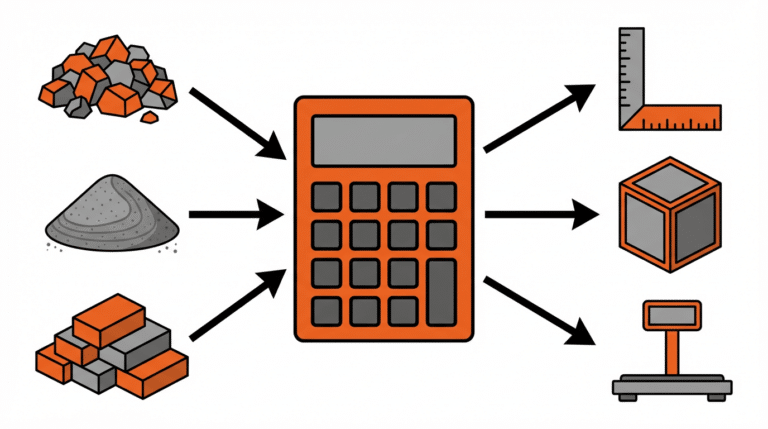
How Many Cubic Yards in a Ton of Fill Dirt Complete Guide
Get an estimate for your project in 60 seconds
 Your information is secure

Planning a construction or landscaping project and wondering how many cubic yards are in a ton of fill dirt? One ton of fill dirt typically equals 0.74 to 1 cubic yard, depending on the soil composition and moisture content. Dry fill dirt averages about 1 ton per cubic yard, while wet or clay-heavy dirt can weigh up to 1.5 tons per cubic yard.
Understanding this conversion helps you order the right amount of material, avoid costly delivery delays, and stay within budget. Whether you’re building foundations, grading land, or filling depressions, knowing the exact relationship between weight and volume ensures your project runs smoothly.
Quick Answer: For most projects, assume 1 ton of fill dirt equals approximately 0.8 to 1 cubic yard. This accounts for typical moisture content and gives you a reliable planning estimate.
Understanding fill dirt weight and volume basics
Fill dirt is the subsoil layer found beneath topsoil, consisting mainly of sand, clay, and broken-down rock particles. Unlike topsoil, it contains minimal organic matter, making it stable and ideal for creating solid foundations or filling low areas in your landscape.
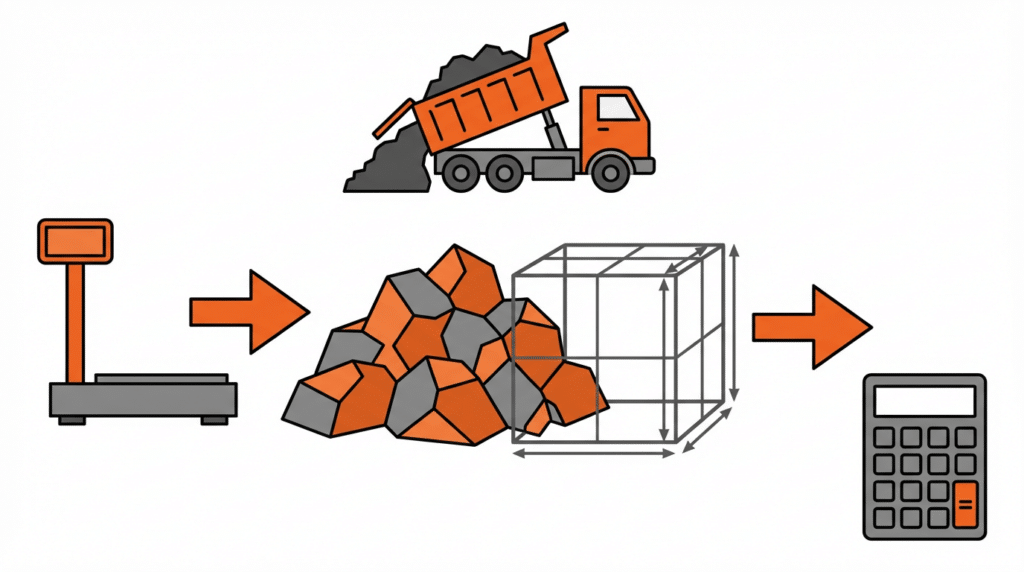
The relationship between tons and cubic yards isn’t straightforward because weight varies significantly based on soil composition. A cubic yard measures volume (a 3x3x3 foot cube), while a ton measures weight (2,000 pounds). Think of it like comparing a cubic yard of feathers versus rocks – same space, different weights.
Most suppliers sell fill dirt by the cubic yard, but transportation companies work with weight limits. This is why understanding the conversion becomes crucial when planning deliveries and calculating project costs. At Hello Gravel, we work with local pits and haulers nationwide to ensure accurate material calculations and on-time delivery for your project needs. If you need help determining the exact volume for your project, a fill dirt volume calculator can simplify the process.
Factors that affect fill dirt weight per cubic yard
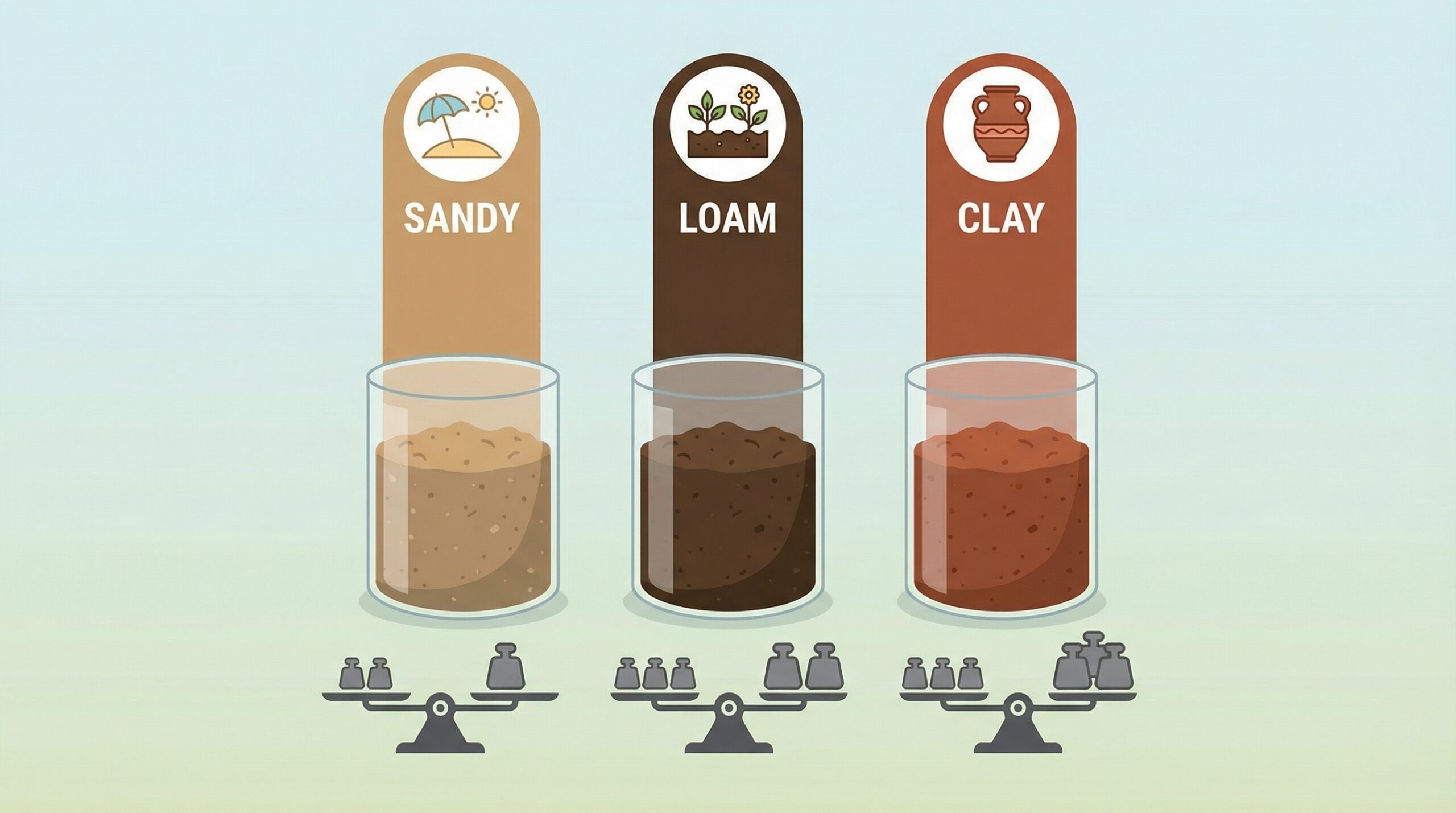
Several key factors determine how much your fill dirt weighs, directly impacting your cubic yards per ton calculation. Moisture content plays the biggest role, with water adding substantial weight to soil. Recent rainfall or irrigation can increase weight by 20-50% compared to dry conditions.
Soil composition creates the foundation weight difference. Clay-heavy soils pack densely and weigh more than sandy compositions. The mineral content and particle size distribution also influence the final weight per cubic yard.
| Soil Type | Weight per Cubic Yard | Cubic Yards per Ton |
|---|---|---|
| Dry sandy fill dirt | 2,600 lbs | 0.77 cubic yards |
| Dry clay fill dirt | 2,800 lbs | 0.71 cubic yards |
| Moist mixed fill dirt | 3,000 lbs | 0.67 cubic yards |
Compaction level affects both density and weight. Loose, uncompacted fill dirt weighs less than mechanically compacted soil. Most delivery trucks provide loose fill dirt, but construction sites often require proper compaction for stability. Understanding fill dirt yards per ton ratios helps you account for these variations.
Pro Tip: Always ask your supplier about the moisture content and composition of their fill dirt. This information helps you calculate more accurate conversions for your specific project needs.
Step by step conversion calculation
Converting tons to cubic yards requires knowing your fill dirt’s approximate weight per cubic yard. Start with this simple formula: Cubic Yards = Tons ÷ (Weight per cubic yard ÷ 2,000 pounds).
For example, if you have 5 tons of moderately moist fill dirt weighing 2,800 pounds per cubic yard: 5 ÷ (2,800 ÷ 2,000) = 5 ÷ 1.4 = 3.6 cubic yards. This calculation gives you the volume that 5 tons of this specific fill dirt will occupy.
When working with dry fill dirt averaging 2,400 pounds per cubic yard, the math becomes: 5 tons ÷ (2,400 ÷ 2,000) = 5 ÷ 1.2 = 4.2 cubic yards. Notice how the drier soil gives you more volume per ton.
Always add 10-15% extra to account for settling and compaction. This buffer prevents project delays and additional delivery costs when your fill dirt compacts more than expected. For precise measurements, you can use a fill dirt calculator in tons to ensure accuracy.

Practical ordering and project planning tips
When ordering fill dirt, communicate clearly with your supplier about your project requirements. Specify whether you need the material for foundation work, general filling, or landscaping, as this affects the type and compaction level you’ll receive.
Consider your delivery truck’s weight capacity alongside volume limits. A standard dump truck might handle 10-12 cubic yards but only 15-20 tons depending on the vehicle. Knowing both measurements helps you optimize deliveries and reduce costs. Hello Gravel’s online platform makes this process simple – you can order in minutes with transparent pricing and delivery scheduling options, including morning (7 am – 12 pm) or afternoon (12 pm – 5 pm) windows. Learning how to measure fill dirt properly ensures you order the right amount.
Budget Smart: Order fill dirt by cubic yards when possible, as this measurement typically offers better value. However, verify the weight to ensure your delivery truck can handle the load safely.
For large projects, schedule multiple smaller deliveries rather than trying to move everything at once. This approach gives you better control over material placement and reduces the risk of soil sitting too long and absorbing moisture, which increases weight and handling difficulty. With Hello Gravel’s nationwide coverage and 2-4 business day delivery capability, you can coordinate deliveries efficiently across all 50 states.
Plan your project timeline around weather conditions. Wet seasons increase fill dirt weight and make handling more challenging, while dry periods offer lighter, easier-to-work material that maximizes your cubic yards per ton ratio. A fill dirt yard calculator can help you determine the exact quantity needed based on your project dimensions.
Understanding the conversion between tons and cubic yards of fill dirt empowers you to make informed decisions for your construction or landscaping project. Remember that one ton typically yields 0.74 to 1 cubic yard, but always account for your specific soil type and moisture conditions. With accurate calculations and proper planning, you can order the right amount of material and keep your project on track and within budget.