
Crushed Concrete vs Concrete Washout for Driveways 2025
Guide handoff
Want help applying this guide to your project?
Share your ZIP and what you need help with. We'll use this guide as context when we follow up.
- 1 This guide gives us the context you were reading.
- 2 Ask about pricing, material choice, delivery timing, or quantity.
- 3 Keep it broad if you are still figuring out the project.
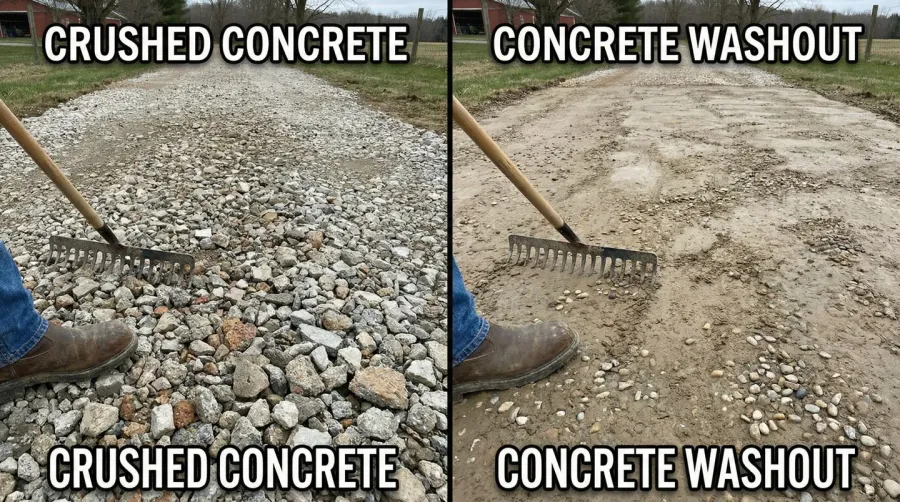
Choosing between crushed concrete and concrete washout for your driveway can feel overwhelming, especially when you’re trying to balance cost, durability, and environmental impact. Both materials offer budget-friendly alternatives to traditional gravel, but they serve different purposes and perform differently under various conditions.
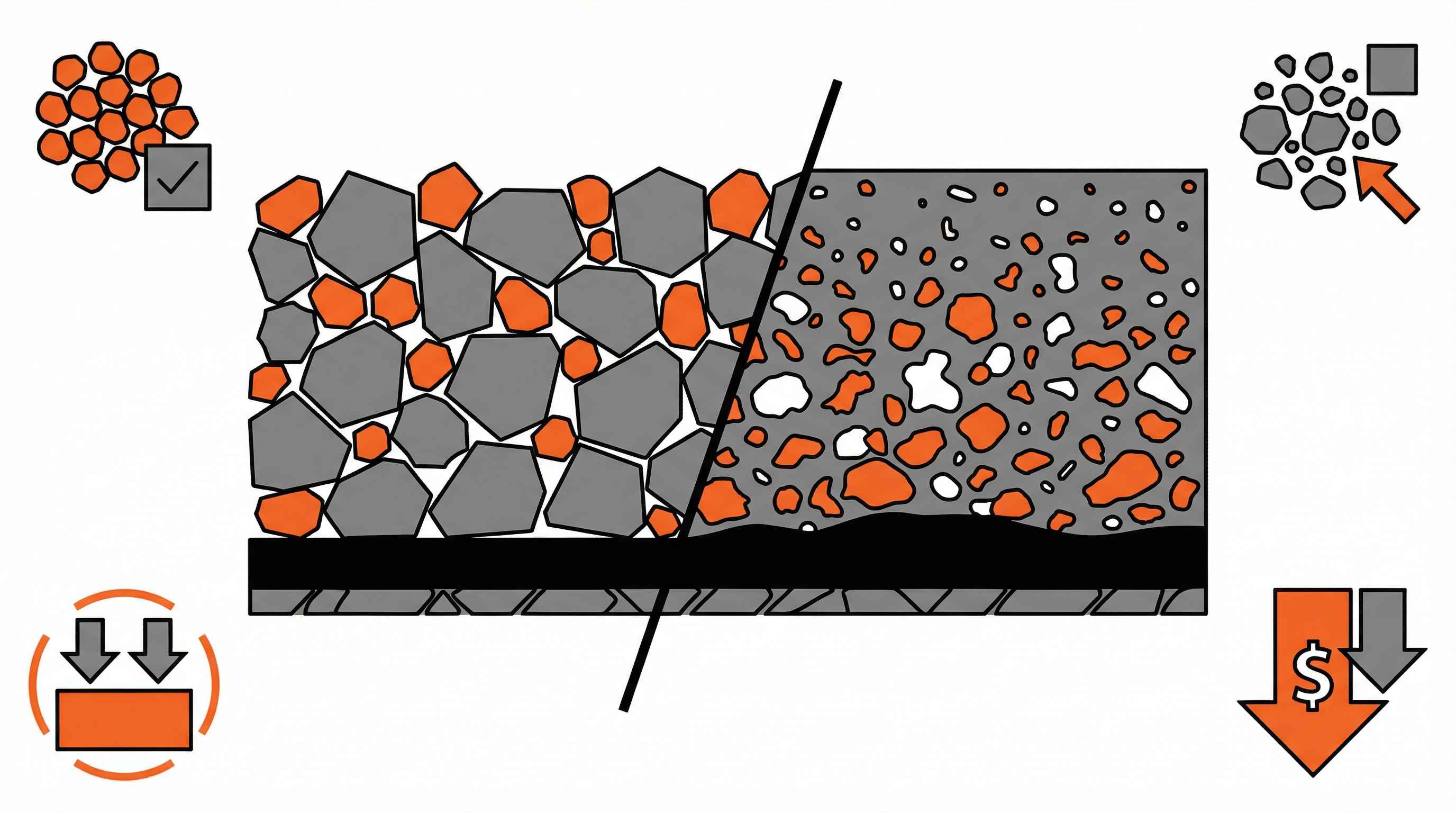
Crushed concrete is recycled concrete aggregate that’s been processed and graded for construction use, while concrete washout is the leftover material from concrete truck cleaning that’s been processed for reuse. For most residential driveways, crushed concrete provides better long-term durability and compaction, making it ideal for heavy traffic areas. Concrete washout works well for light-duty applications and temporary access roads where cost is the primary concern.
Quick Answer: Crushed concrete typically performs better for permanent driveways due to superior compaction and durability, while concrete washout suits budget-conscious projects with lighter traffic demands.
Let’s break down the key differences to help you make the right choice for your specific project.
What is crushed concrete and how is it made
Crushed concrete, also known as recycled concrete aggregate, comes from breaking down old concrete structures like demolished buildings, sidewalks, and roadways. The process involves crushing these materials into various sizes and screening them to remove contaminants like rebar and debris.
This recycling process makes crushed concrete an environmentally friendly option that reduces landfill waste while providing a cost-effective alternative to virgin aggregate materials. The resulting product typically contains angular particles that interlock well when compacted, creating a stable surface that can handle vehicle traffic.
You’ll commonly find crushed concrete used for driveways, parking areas, road base, and as a foundation layer under pavers or concrete slabs. Its versatility and proven performance make it a popular choice for both residential and commercial projects. To understand the full range of options available, explore the different types of crushed concrete and their specific applications.
Understanding concrete washout material
Concrete washout originates from the cleaning process of concrete trucks and equipment after delivering fresh concrete to job sites. This leftover material contains cement, sand, gravel, and water that gets washed out to prevent hardening inside the equipment.
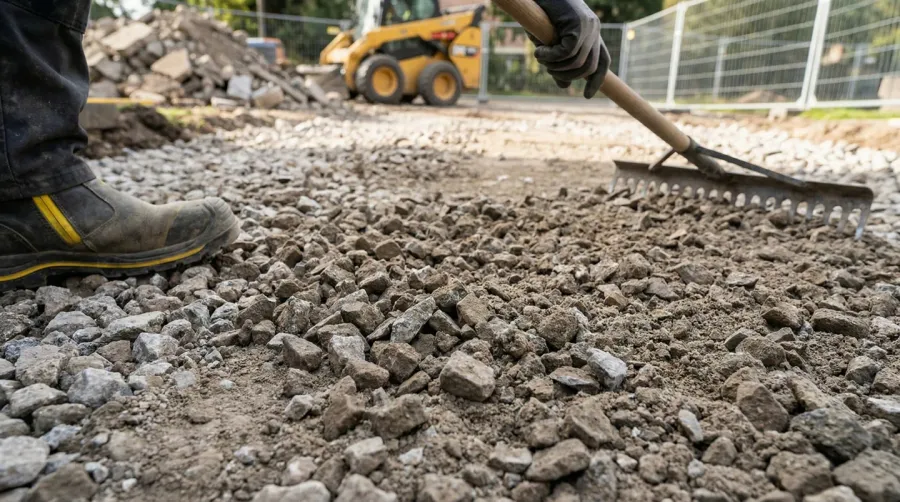
Raw washout requires processing before it becomes usable aggregate. The material needs time to cure and dry, followed by screening to remove excess fines and any contaminants. Some washout may contain chemical admixtures from the original concrete mix, which is why proper processing and sourcing from reputable suppliers matters.
Once processed, concrete washout can serve as fill material, base for light-duty driveways, or temporary access roads. While it offers sustainability benefits by reusing waste material, it generally doesn’t achieve the same compaction density or durability as properly graded crushed concrete.
The quality of washout varies significantly depending on the source concrete and processing methods used, making supplier selection crucial for project success.
Key differences in performance and cost
| Factor | Crushed Concrete | Concrete Washout |
|---|---|---|
| Cost per yard | Moderate | Lower |
| Durability | High | Moderate |
| Compaction | Excellent | Good |
| Best use | Heavy traffic driveways | Light duty access |
The performance gap between these materials becomes most apparent in demanding applications. Crushed concrete’s angular particles create superior interlock when compacted, resulting in a more stable surface that resists rutting and washouts during heavy rains.
Cost-wise, concrete washout typically runs 20-30% less than crushed concrete since it’s essentially a waste byproduct. However, this initial savings might not translate to long-term value if you need frequent maintenance or replacement due to surface degradation. For a detailed cost analysis, check out our comparison of crushed concrete versus gravel pricing to understand how these materials stack up financially.
Consider This: While washout costs less upfront, crushed concrete often provides better value over time due to reduced maintenance needs and longer lifespan.
For drainage performance, both materials allow water infiltration, but crushed concrete maintains its structure better during freeze-thaw cycles common in many climates. This stability reduces the risk of surface heaving and pothole formation that can plague poorly compacted surfaces.
Choosing the right material for your driveway project
Your decision should start with evaluating your specific needs and site conditions. Consider the expected traffic load, climate factors, and budget constraints before making a choice.
For driveways that will see daily car traffic, occasional delivery trucks, or heavy equipment, crushed concrete provides the durability and stability you need. Its superior compaction characteristics make it particularly suitable for steep slopes or areas prone to erosion. If you’re considering other base materials, you might want to compare crushed concrete with road base to determine which offers better performance for your specific application.
Concrete washout works well for farm roads, seldom-used access drives, or temporary construction routes where appearance and maximum longevity aren’t primary concerns. It’s also a good choice when budget constraints are significant and traffic will be minimal.
Climate plays a crucial role in material selection. Areas with heavy rainfall, frequent freeze-thaw cycles, or expansive soils benefit from crushed concrete’s stability. In contrast, dry climates with light traffic can successfully use washout material with proper installation. For projects requiring premium base materials, consider reviewing the differences between crushed concrete and crusher run for optimal compaction results.
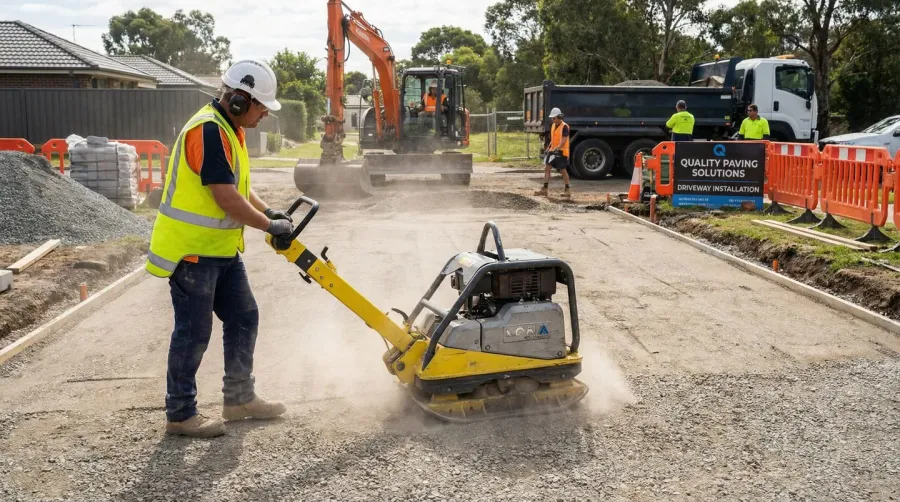
Installation Tip: Regardless of material choice, proper base preparation and mechanical compaction are essential for long-term performance and preventing washouts.
When sourcing either material, work with established suppliers who can provide information about the source concrete and processing methods. Hello Gravel offers both crushed concrete and processed washout materials with transparent sourcing and quality standards, helping you make an informed decision based on your project requirements.
The choice between crushed concrete and concrete washout ultimately depends on balancing your performance needs with budget considerations. For most residential driveways where longevity and appearance matter, crushed concrete provides the better long-term value despite higher upfront costs. If you’re still weighing your options, our guide on which is cheaper: crushed concrete or gravel can help you make a more informed financial decision.
Frequently Asked Questions
Is crushed concrete good for driveways?
Yes, crushed concrete is an excellent driveway material when properly installed and compacted. The angular, recycled concrete pieces interlock to create a firm surface that resists washout, rutting, and potholes, often offering similar performance to traditional gravel at a lower cost and with a smaller environmental footprint.
Can you use concrete washout for a driveway?
You can use properly processed concrete washout for a driveway, but it’s usually best for temporary access roads or low-traffic areas. After the washout has been contained, dried, and screened, the solid material can act as a budget-friendly base. However, it’s less consistent and less durable than high-quality crushed concrete for long-term residential driveways.
How thick should a crushed concrete driveway be?
For light residential vehicles, a crushed concrete driveway should be 4-6 inches thick. For areas expecting heavier traffic like delivery trucks or equipment, increase the thickness to 6-8 inches or more. Install in compacted lifts for best performance and always prepare a proper base by removing organic material and establishing adequate drainage.
Is concrete washout environmentally safe to use?
Raw, liquid concrete washout must be properly contained because of its high pH and potential environmental impacts. However, once the material has been properly treated, dried, and processed into solid aggregate, it can be reused safely as base or fill material in accordance with local regulations. Always source from suppliers who follow proper processing procedures.