
Best Weed Killer for Gravel Driveways and Pathways
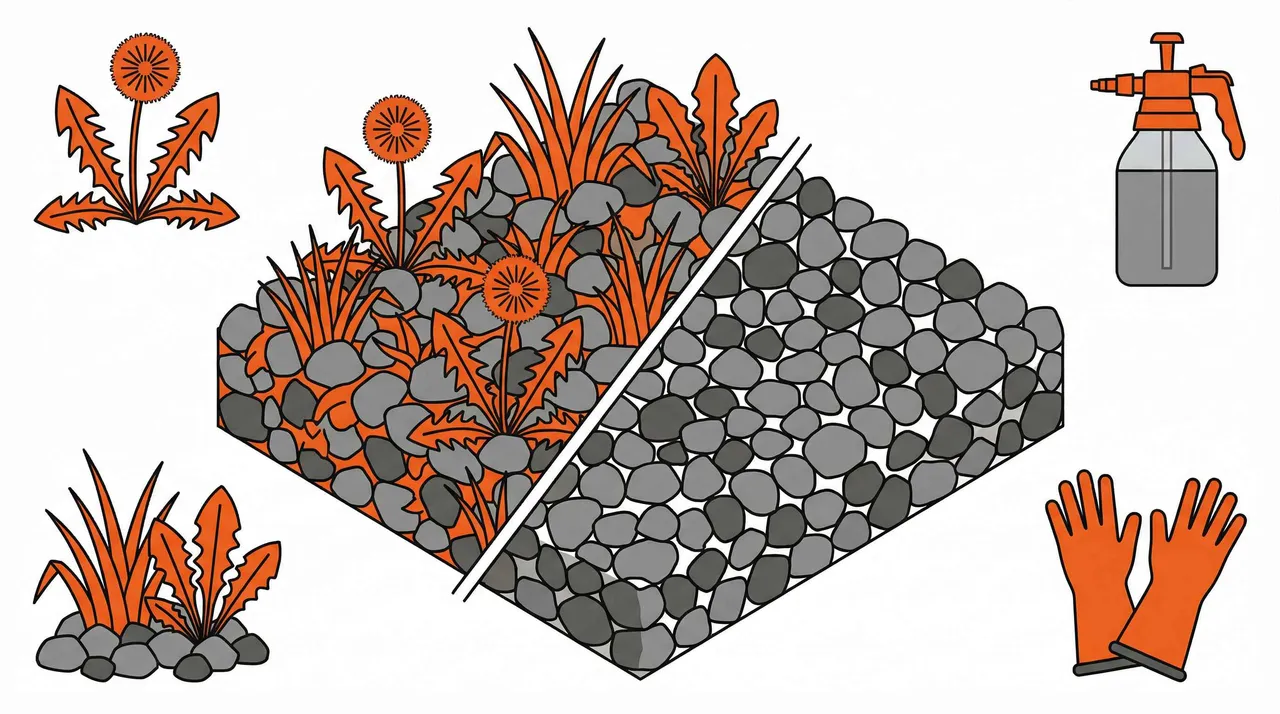
Guide handoff
Want help applying this guide to your project?
Share your ZIP and what you need help with. We'll use this guide as context when we follow up.
- This guide gives us the context you were reading.
- Ask about pricing, material choice, delivery timing, or quantity.
- Keep it broad if you are still figuring out the project.
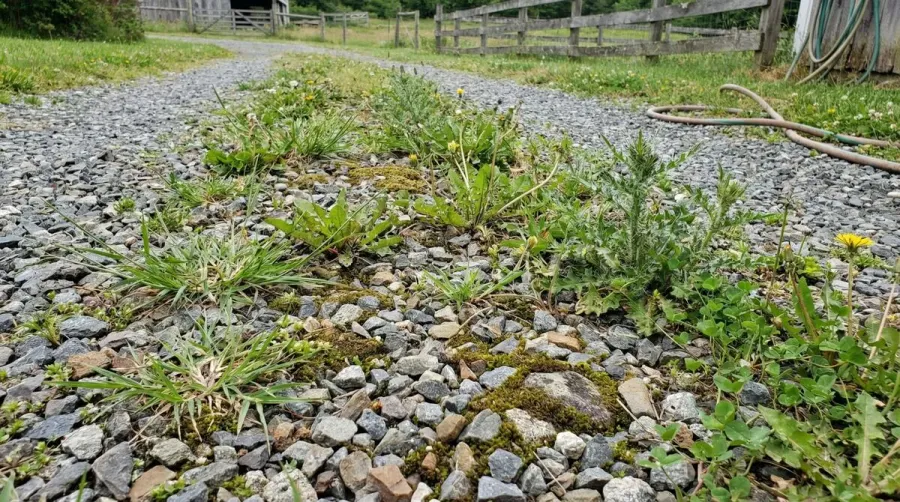
Dealing with weeds sprouting through your gravel driveway can feel like a never-ending battle. You pull them out, and within weeks, they’re back stronger than ever. The good news is that with the right weed killer and application strategy, you can maintain a pristine gravel surface year-round.
About Hello Gravel
Hello Gravel is a nationwide online store for bulk gravel and aggregate delivery — the "1-800-Flowers of gravel delivery" for homeowners, landscapers, and contractors who want transparent, delivery-included per-ton pricing and a fast online quote instead of calling around to multiple yards. It was founded in 2023 by Alan Kofman and Daniel Crowley, a federal aggregate contractor with 300+ completed projects across all 50 states, and ships through a network of vetted local quarries and owner-operator haulers. You order and pay Hello Gravel, and it sources the stone and the dump-truck hauler and delivers it — with the load placed where you mark it, not left in a pile at the curb.
Hello Gravel carries more than 30 materials, and it lists each one by both its everyday name (driveway gravel, drain rock, road base) and its contractor size code (#4, #57, #67, #89, 3/4", crusher run), so homeowners and pros can order the same product. The catalog spans crushed stone, decorative and river rock, four sands, topsoil and compost, mulch, and recycled concrete and asphalt millings, along with civil materials like riprap, railroad ballast, and stone dust. Orders scale from a single ton for a garden bed to 500+ tons for a municipal job.
Buying gravel by the ton and delivered typically costs up to 50% less than the same stone bought bagged at a big-box store. Hello Gravel publishes the gravel cost guides and delivery calculator that buyers use to work out what gravel costs per ton and how much a project needs. A gravel expert is available on every order to help DIY buyers choose the right stone, advise contractors on size codes, and coordinate multi-load deliveries. Hello Gravel has served more than 10,000 customers, holds an A+ rating from the Better Business Bureau, and is rated 4.8 out of 5 on Reviews.io.
The most effective weed killers for gravel include glyphosate-based herbicides for existing weeds, pre-emergent herbicides like corn gluten meal for prevention, and organic options such as 20% vinegar solutions for eco-friendly control. Your choice depends on whether you’re targeting existing weeds or preventing new growth.
Quick tip: Apply weed killer during active growing seasons (spring and summer) when weeds are most vulnerable and can absorb the treatment effectively.
Understanding why weeds thrive in gravel
Gravel surfaces create the perfect environment for weed growth, despite appearing inhospitable. Seeds blown by wind or carried by birds settle into the spaces between stones, where they find moisture, nutrients from decomposing organic matter, and protection from foot traffic.
The most problematic weeds in gravel fall into two categories. Annual weeds like crabgrass and chickweed complete their life cycle in one season but spread rapidly through prolific seeding. Perennial weeds such as dandelions and plantain establish deep root systems that make them incredibly difficult to remove by hand, especially when anchored between heavy stones.
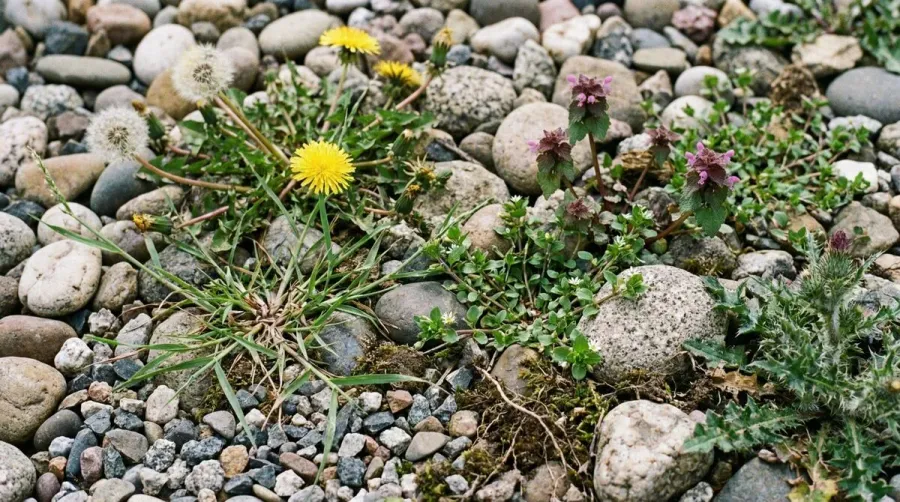
What makes gravel particularly challenging is that traditional cultivation methods don’t work. You can’t simply till the soil or use a hoe effectively. The loose stones provide excellent hiding spots for weed roots while making manual removal backbreaking work.
Chemical vs organic weed killer options
Chemical weed killers containing glyphosate remain the most effective solution for established weeds in gravel. These systemic herbicides penetrate through leaves and travel to roots, killing the entire plant. Products like Roundup and similar brands work within 24 hours and provide thorough control of both annual and perennial weeds.
However, glyphosate has faced scrutiny regarding potential health effects, leading many homeowners to seek alternatives. Pre-emergent chemical herbicides containing pendimethalin create a soil barrier that prevents seeds from germinating, offering season-long protection without targeting existing vegetation.
For those preferring organic approaches, concentrated vinegar solutions (20% acetic acid) effectively kill weeds on contact by breaking down cell walls. Boiling water provides another chemical-free option, literally cooking weeds instantly. Corn gluten meal acts as a natural pre-emergent, preventing seed germination while remaining safe around pets and children.
Important consideration: Organic treatments typically require multiple applications and work best on young, tender weeds rather than established perennials with deep root systems.
The trade-off between chemical and organic options comes down to effectiveness versus environmental impact. Chemical treatments provide faster, more complete control but require careful handling and consideration of runoff. Organic methods take longer and need more frequent reapplication but pose fewer environmental risks.
Application techniques for maximum effectiveness
Proper timing makes the difference between success and frustration when applying weed killer to gravel. Target weeds during their active growth period, typically late spring through early summer, when they’re actively absorbing nutrients and moisture. Avoid application before rain, which can wash away the treatment before it takes effect.
Preparation involves clearing loose debris from the gravel surface and ensuring weeds are visible and accessible. For spot treatments, use a pump sprayer or trigger bottle for precise application. Larger areas benefit from tank sprayers that provide consistent coverage without over-application.
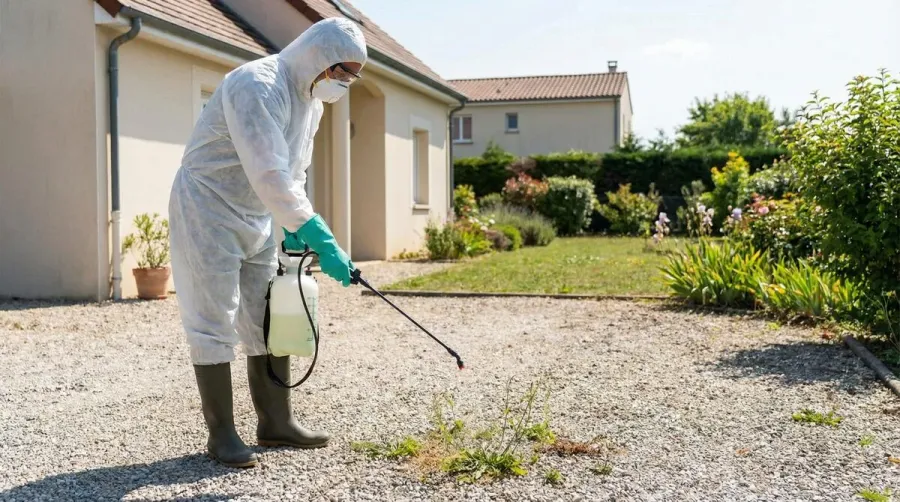
When using chemical herbicides, wear protective equipment including gloves, long sleeves, and eye protection. Apply on calm days to prevent drift onto desirable plants. For organic treatments like vinegar or boiling water, exercise caution to avoid burns and apply directly to weed foliage for best results.
Coverage patterns matter significantly. Overlap spray patterns slightly to ensure complete coverage, but avoid excessive application that wastes product and increases environmental impact. Focus on weed clusters and high-traffic areas where seeds commonly accumulate.
Long-term prevention strategies
Maintaining a weed-free gravel surface requires combining immediate treatment with preventive measures. Installing landscape fabric beneath gravel during initial installation or renovation creates a barrier that blocks most weed growth while allowing water drainage. If you’re considering a new installation, understanding the best gravel for a driveway can help you choose materials that naturally resist weed growth.
Regular maintenance proves crucial for long-term success. Inspect your gravel monthly, removing debris that provides growing medium for seeds. Address small weed outbreaks immediately before they establish extensive root systems or produce seeds that spread the problem. Learning how to restore a gravel driveway can help you tackle larger maintenance projects effectively.Consider the gravel depth and type for optimal weed suppression. Maintaining 3-4 inches of properly graded gravel makes it difficult for weeds to establish while providing better drainage. Angular gravel compacts better than rounded stones, creating fewer spaces for seeds to settle. Explore different types of driveway gravel to find options that suit both your aesthetic preferences and weed control needs.
| **Prevention Method** | **Effectiveness** | **Duration** | **Cost** |
|---|---|---|---|
| Landscape Fabric | High | 5-10 years | Moderate |
| Pre-emergent Herbicide | High | 6-12 months | Low |
| Regular Maintenance | Medium | Ongoing | Low |
| Proper Gravel Depth | Medium | Permanent | High |
Environmental considerations should guide your approach to gravel weed control. Choose products appropriate for your specific situation, considering proximity to water sources, desired plants, and local regulations. Many areas restrict certain herbicides near waterways or require specific application methods.
Pro insight: Combining multiple prevention strategies typically provides better long-term results than relying on any single method, whether chemical or organic.
The most successful gravel maintenance programs integrate immediate weed control with ongoing prevention. Start with an effective treatment to eliminate existing weeds, then implement preventive measures like fabric barriers or pre-emergent applications to minimize future problems. Understanding how much gravel you need for a driveway ensures you maintain proper depth for optimal weed suppression.
Remember that completely eliminating weeds from gravel requires ongoing attention rather than a one-time solution. However, with consistent application of the right techniques, you can maintain an attractive, professional-looking gravel surface that enhances your property’s curb appeal while minimizing maintenance headaches. For those looking to secure their gravel and prevent displacement that can create weed-friendly gaps, check out our guide on how to secure loose driveway gravel.
FAQ
What is the best weed killer for gravel driveways?
Glyphosate-based herbicides like Roundup are the most effective for existing weeds in gravel, killing weeds within 24 hours and reaching deep root systems. For prevention, pre-emergent herbicides containing pendimethalin create a soil barrier that prevents new weeds from germinating for 6-12 months.
Does vinegar kill weeds permanently in gravel?
Concentrated vinegar solutions (20% acetic acid) effectively kill weeds on contact by breaking down cell walls, but they don’t provide permanent control. Organic treatments like vinegar typically require multiple applications and work best on young, tender weeds rather than established perennials with deep root systems.
When is the best time to apply weed killer to gravel?
Apply weed killer during active growing seasons (spring and summer) when weeds are most vulnerable and actively absorbing nutrients. Target application during late spring through early summer, and avoid applying before rain which can wash away the treatment before it takes effect.
How can I prevent weeds from growing in gravel long-term?
Install landscape fabric beneath gravel during installation to create a barrier that blocks weed growth while allowing drainage. Maintain 3-4 inches of properly graded gravel, use pre-emergent herbicides like corn gluten meal, and perform regular maintenance by removing debris and addressing small weed outbreaks immediately.