
Gravel Bulk Prices 2026 Complete Cost Guide and Money-Saving Tips
Guide handoff
Want help applying this guide to your project?
Share your ZIP and what you need help with. We'll use this guide as context when we follow up.
- 1 This guide gives us the context you were reading.
- 2 Ask about pricing, material choice, delivery timing, or quantity.
- 3 Keep it broad if you are still figuring out the project.
When you’re planning a construction or landscaping project, understanding gravel bulk prices can save you hundreds of dollars. Gravel typically costs between $15 to $75 per ton, but the final price depends on several key factors including type, quality, location, and quantity purchased.
Quick Answer: Expect to pay $30-55 per cubic yard for pea gravel, $40-75 for crushed stone, and $45-100 for river rock in 2026, with bulk discounts available for larger orders.
Whether you’re building a driveway, creating garden pathways, or working on drainage systems, this guide will help you navigate gravel pricing and find the best deals for your specific needs.
Understanding gravel bulk pricing basics
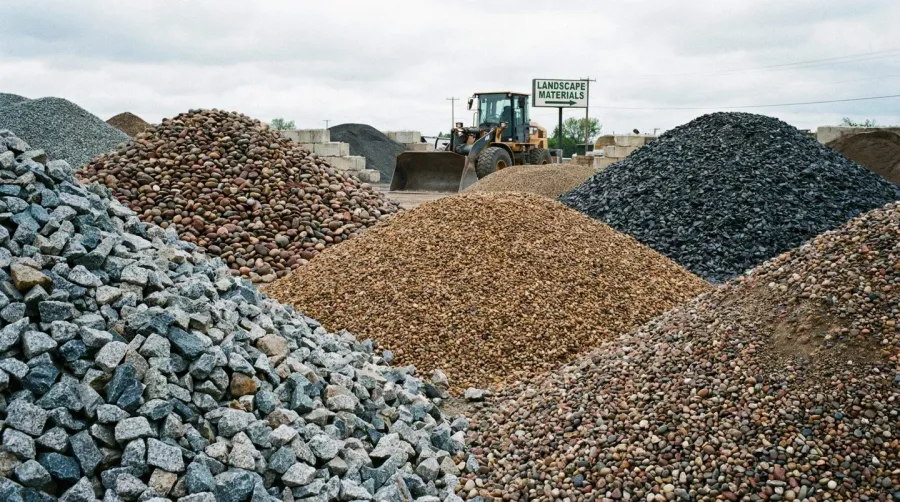
Gravel pricing follows a simple principle: the more you buy, the less you pay per unit. Suppliers typically sell gravel by the cubic yard or ton, with significant discounts available for bulk purchases.
Most suppliers offer their best rates when you purchase 10 tons or more. This bulk pricing structure exists because it’s more cost-effective for suppliers to deliver larger quantities in fewer trips. You’ll often see price breaks at 5 tons, 10 tons, and 20+ tons.
The base price you see advertised rarely includes everything you’ll pay. Delivery fees, which can range from $50 to $200 depending on distance, are typically added separately. Some suppliers also charge fuel surcharges or weekend delivery premiums. For a comprehensive understanding of how to order sand and gravel, consider reviewing the complete ordering process.
Key factors that affect gravel costs
Several variables influence what you’ll ultimately pay for gravel, and understanding these can help you make smarter purchasing decisions.
Type and size matter significantly. Pea gravel costs less to produce than river rock because it requires minimal processing. Crushed stone falls somewhere in the middle. Larger gravel sizes often cost more due to additional screening and sorting requirements. Learn more about different types of gravel for construction to make an informed choice.
Quality grades impact pricing. Premium gravel with consistent sizing, minimal dust, and attractive appearance commands higher prices. Construction-grade gravel costs less but may not be suitable for decorative applications.
Location creates price variations. Areas near quarries typically have lower prices due to reduced transportation costs. Remote locations can see prices increase by 20-50% due to delivery expenses.
Money-Saving Tip: If you live within 20 miles of a quarry, you can often save $10-20 per ton compared to areas requiring longer hauls.
Seasonal demand affects availability. Spring and summer see peak construction activity, driving prices up. Fall and winter often bring lower prices as demand decreases.
Types of gravel and their 2026 pricing
Different gravel types serve specific purposes and come with varying price points. Here’s what you can expect to pay for the most common options.
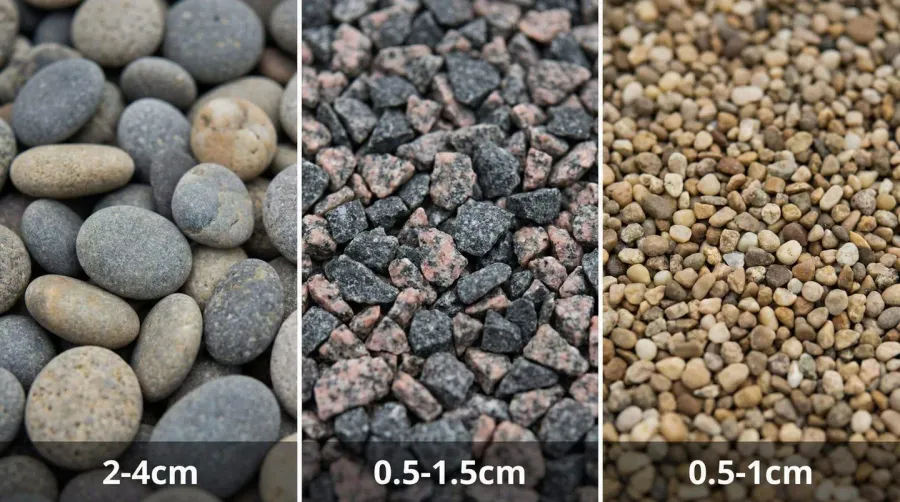
Pea gravel remains popular for landscaping projects due to its smooth, rounded texture. Expect to pay $30-55 per cubic yard in 2026. It’s perfect for pathways, playground surfaces, and decorative borders around plants. If you’re considering using pea gravel for a fire pit area, it provides excellent drainage and aesthetic appeal.
Crushed stone offers excellent stability for driveways and construction bases. Pricing ranges from $40-75 per cubic yard depending on the stone type and processing level. Limestone and granite are common options, with granite typically costing more. For those wondering about the best crushed stone size for a foundation, size selection is crucial for structural integrity.
River rock commands premium prices of $45-100 per cubic yard due to its natural beauty and smooth finish. The wide price range reflects variations in size, color, and rarity of specific rock types.
| Gravel Type | Price Range (per cubic yard) | Best Uses |
|---|---|---|
| Pea Gravel | $30-55 | Landscaping, pathways |
| Crushed Stone | $40-75 | Driveways, construction |
| River Rock | $45-100 | Decorative features |
Calculating your gravel needs and costs
Getting accurate quantity estimates prevents overbuying or running short on materials. The calculation process is straightforward once you understand the basics.
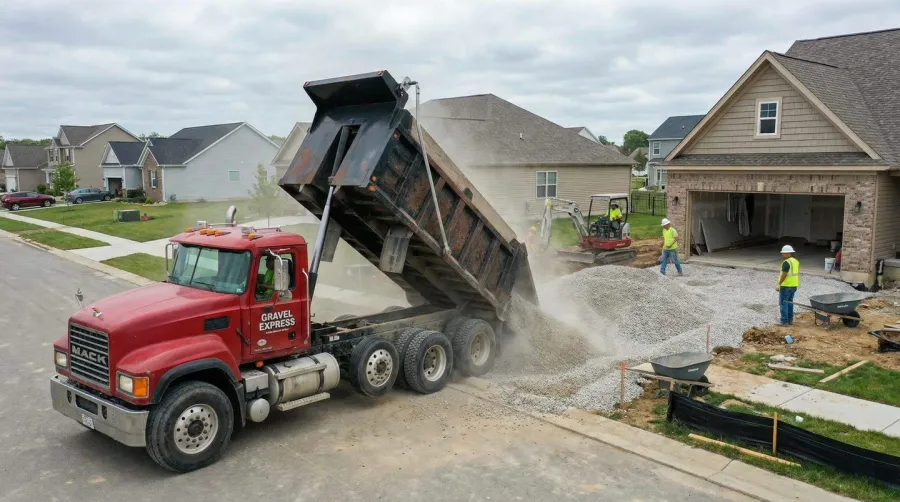
Start by measuring your project area in feet. For rectangular spaces, multiply length times width times depth (in feet). Divide this number by 27 to convert cubic feet to cubic yards, since gravel is typically sold by the cubic yard.
For example, a 20-foot by 30-foot driveway with 3-inch depth needs: 20 × 30 × 0.25 ÷ 27 = 5.6 cubic yards. Always round up and add 10% extra for compaction and waste.
Don’t forget additional costs beyond the gravel itself. Delivery typically adds $75-150 to your total bill. If you need the gravel spread or graded, labor costs can add $2-5 per cubic yard. Equipment rental for DIY projects might cost $100-300 per day. Understanding what is the best gravel size for drainage can help you select the right material for your specific application.
Pro Tip: Many suppliers offer free delivery for orders over a certain amount, typically 10-15 tons. This threshold often makes bulk buying worthwhile even for smaller projects.
Proven strategies to reduce gravel costs
Smart timing and purchasing strategies can significantly reduce your gravel expenses without compromising quality.
Buy during off-peak seasons. Late fall and winter often bring 10-20% discounts as suppliers clear inventory and construction demand drops. Plan non-urgent projects for these periods when possible.
Negotiate with multiple suppliers. Get quotes from at least three suppliers and use competing offers to negotiate better prices. Many suppliers will match or beat competitor pricing, especially for larger orders. Learn how to sell gravel from the supplier’s perspective to better understand pricing strategies.
Consider direct quarry purchases. Buying directly from quarries eliminates middleman markups, potentially saving 15-25% on material costs. However, you’ll need to arrange your own transportation or pay quarry delivery fees.
Explore recycled alternatives. Crushed concrete and recycled asphalt often cost 20-40% less than virgin materials while providing similar performance for many applications. These options also support environmental sustainability. Check out information on using crushed concrete for cost-effective solutions.
Coordinate with neighbors. Organizing group purchases with neighbors can help everyone reach bulk pricing tiers. Split delivery costs and negotiate better rates through increased volume.
Understanding gravel bulk pricing helps you make informed decisions that balance cost, quality, and project requirements. By considering factors like timing, supplier selection, and material alternatives, you can achieve significant savings while ensuring your project’s success. Remember that the cheapest option isn’t always the best value – factor in delivery costs, material quality, and long-term durability when making your final decision.
FAQ
How much does bulk gravel cost per yard in 2026?
Bulk gravel costs $30-75 per cubic yard in 2026, depending on the type. Pea gravel ranges from $30-55 per cubic yard, crushed stone costs $40-75 per cubic yard, and river rock ranges from $45-100 per cubic yard. Buying in bulk quantities of 10 tons or more provides significant discounts compared to smaller purchases.
What is the cheapest gravel for driveways?
Crushed stone is typically the most cost-effective option for driveways, ranging from $40-75 per cubic yard. Construction-grade crushed stone offers the best value as it provides excellent stability and drainage while costing less than premium decorative options. Recycled crushed concrete can be 20-40% cheaper than virgin materials while providing similar performance.
How do I calculate how much gravel I need for my project?
To calculate gravel needed, measure your project area: Length (feet) × Width (feet) × Depth (feet) ÷ 27 = cubic yards required. For example, a 20×30 foot driveway with 3-inch depth needs: 20 × 30 × 0.25 ÷ 27 = 5.6 cubic yards. Always add 10% extra for compaction and waste to ensure you have sufficient material.
When is the best time to buy gravel to save money?
Late fall and winter are the best times to buy gravel, with potential savings of 10-20% due to reduced construction demand. Spring and summer see peak pricing due to high construction activity. Planning non-urgent projects for off-peak seasons can result in significant cost savings, and suppliers often offer better negotiation flexibility during slower periods.