Free Crushed Concrete Calculator – Square Feet to Tons Converter
Published on: December 18, 2025
Get an estimate for your project in 60 seconds

Calculating how much crushed concrete you need for your project doesn’t have to be complicated. Whether you’re planning a driveway, foundation base, or landscaping project, getting accurate material estimates saves you time, money, and prevents costly delays from running short on supplies.
Quick Answer: To calculate crushed concrete needs, multiply length × width × depth (in feet), divide by 27 for cubic yards, then multiply by 1.3 tons per cubic yard. Add 10-15% extra for compaction and waste.
Pro Tip: Crushed concrete weighs approximately 130 pounds per cubic foot, making it slightly lighter than virgin gravel while providing similar structural benefits at a lower cost.
Understanding crushed concrete density and coverage
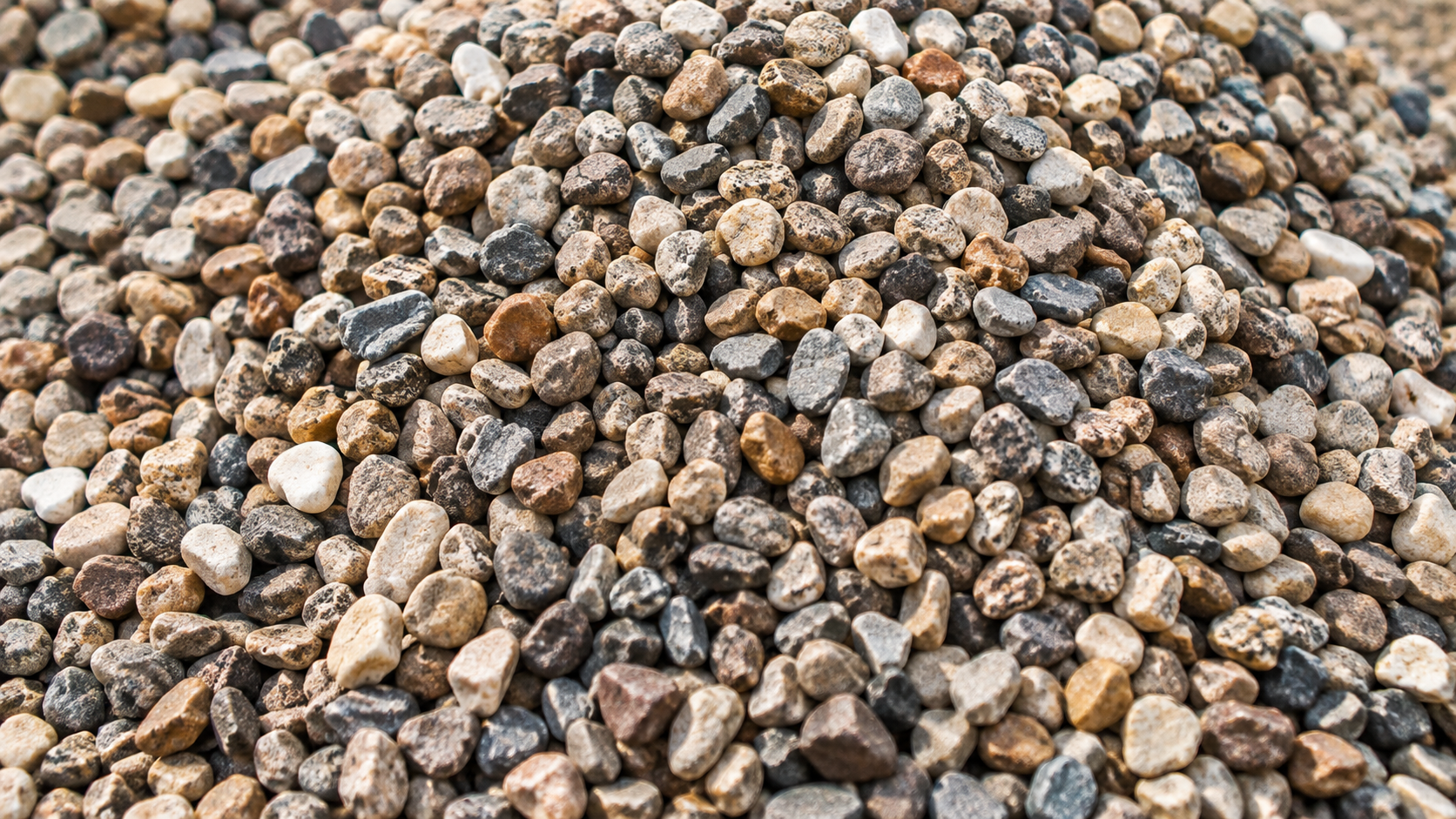
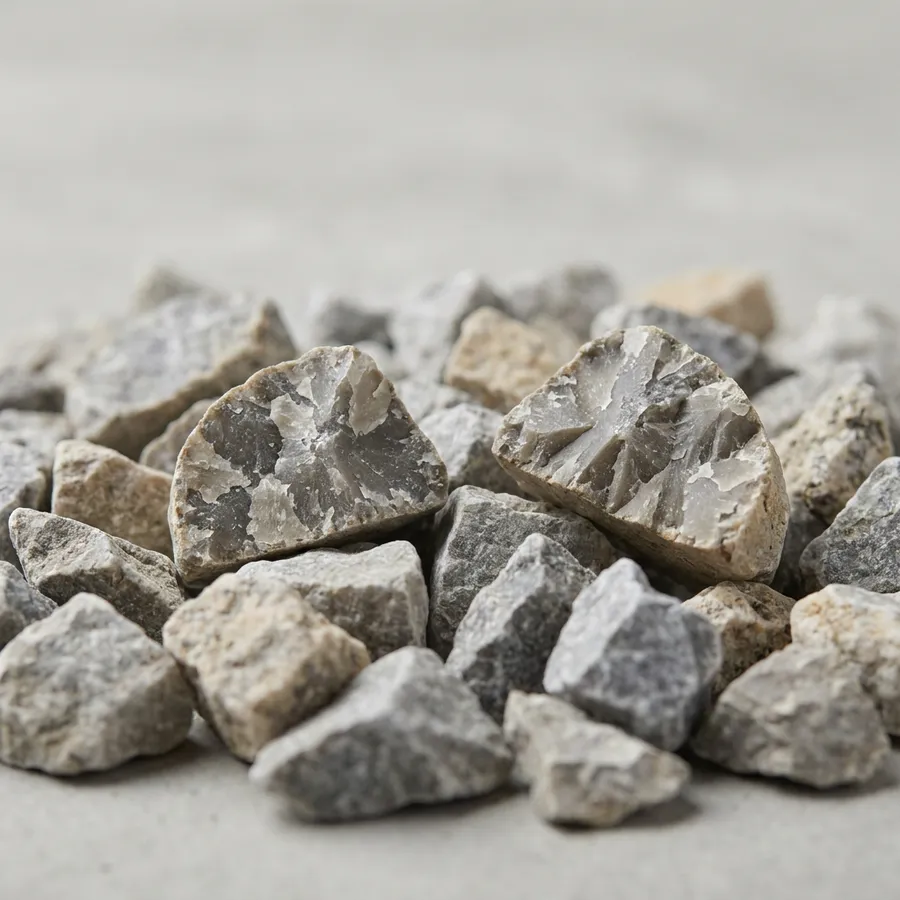
Crushed concrete is recycled material created by breaking down old concrete structures and screening them into various sizes. This sustainable alternative to virgin aggregate offers excellent value for construction projects while reducing environmental impact.
The key to accurate calculations lies in understanding density. Crushed concrete typically weighs 130-145 pounds per cubic foot, depending on the size and compaction level. This translates to roughly 1.3 tons per cubic yard when properly compacted. Understanding the conversion from crushed concrete cubic yards to tons is essential for accurate project planning.
For coverage calculations, one cubic yard of crushed concrete covers approximately 100 square feet at 3 inches deep, or 80 square feet at 4 inches deep. These measurements help you convert between square footage and volume requirements.

Step-by-step calculation process
Getting accurate estimates requires following a systematic approach that accounts for your project’s specific dimensions and requirements.
Start by measuring your project area carefully. Use a tape measure to determine the length and width in feet, then decide on the appropriate depth based on your project type. Driveways typically need 4-6 inches, while walkways can use 2-3 inches.
Next, calculate the volume by multiplying length × width × depth (all in feet). This gives you cubic feet, which you’ll need to convert to cubic yards by dividing by 27. For example, a 20-foot by 10-foot area at 4 inches deep equals 66.7 cubic feet, or 2.47 cubic yards. If you’re working with metric measurements, you can learn about converting crushed concrete tonnes to m3 for international projects.
Finally, convert to tons by multiplying cubic yards by 1.3, then add 10-15% extra for compaction and waste. This buffer ensures you have enough material to complete your project without delays. Similar to how you would calculate fill dirt with compaction, accounting for settling is crucial.
| Project Dimensions | Volume (Cu Yd) | Weight (Tons) | Coverage (Sq Ft) |
|---|---|---|---|
| 20′ × 10′ × 4″ | 2.5 | 3.3 | 200 |
| 30′ × 12′ × 3″ | 3.3 | 4.3 | 360 |
| 15′ × 8′ × 6″ | 2.2 | 2.9 | 120 |
Common project applications and requirements
Different projects require varying depths and preparation methods, affecting your total material needs and costs.
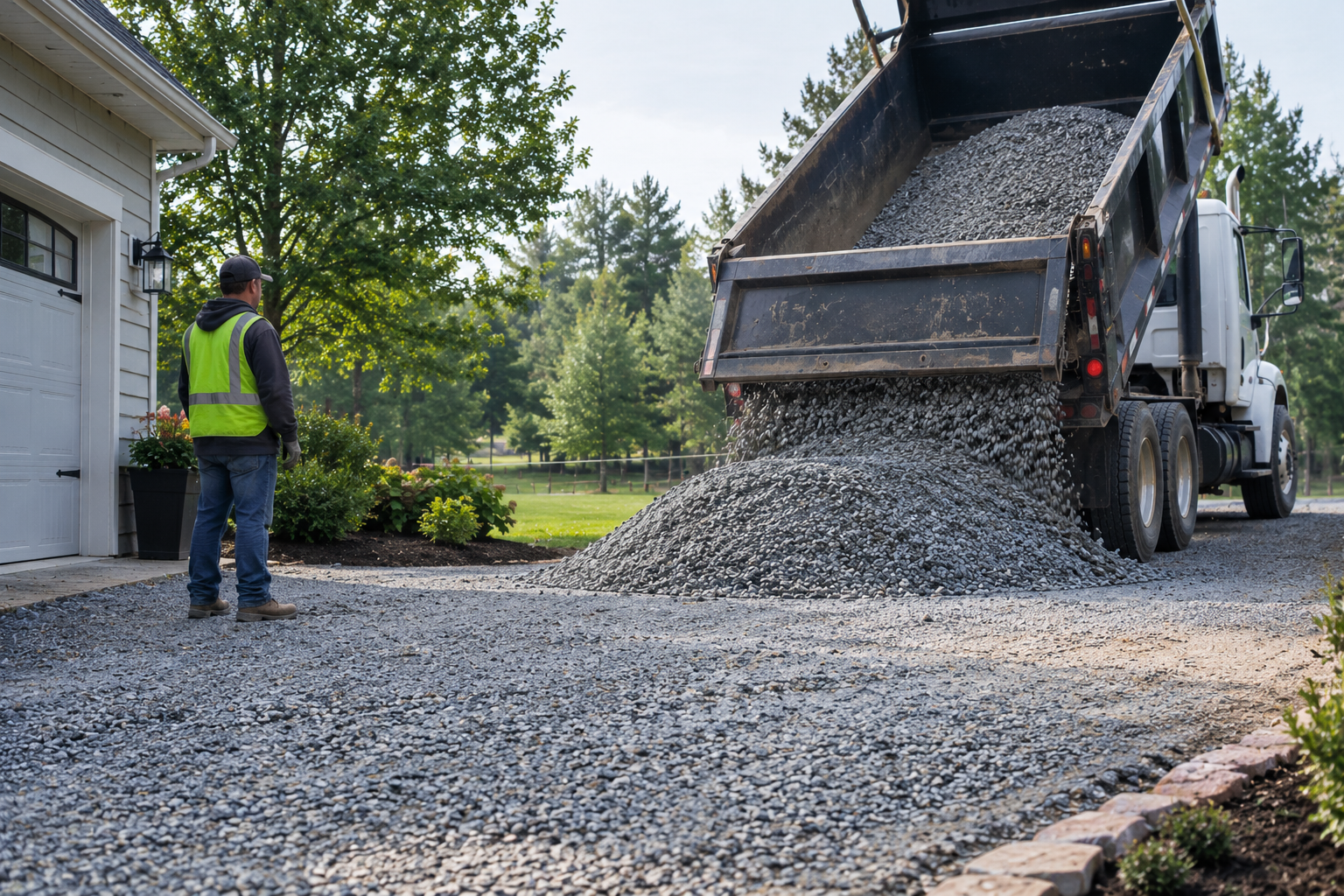
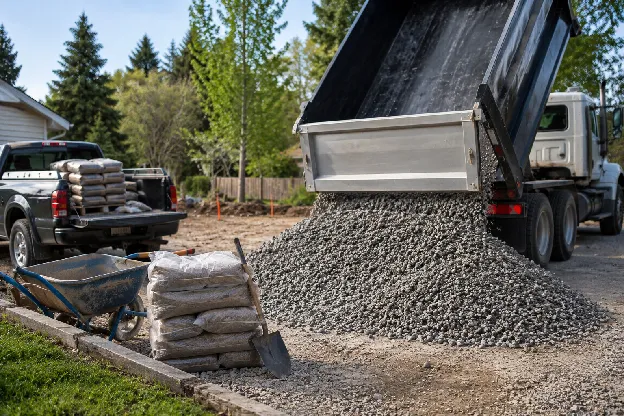
Driveway projects typically need the most material, requiring 4-6 inches of crushed concrete over a properly prepared base. This depth provides adequate support for vehicle traffic while ensuring long-term durability. A standard two-car driveway (20′ × 20′) at 4 inches deep requires approximately 5 cubic yards or 6.5 tons of material. When ordering, knowing how many crushed concrete yards per ton helps verify supplier quotes.
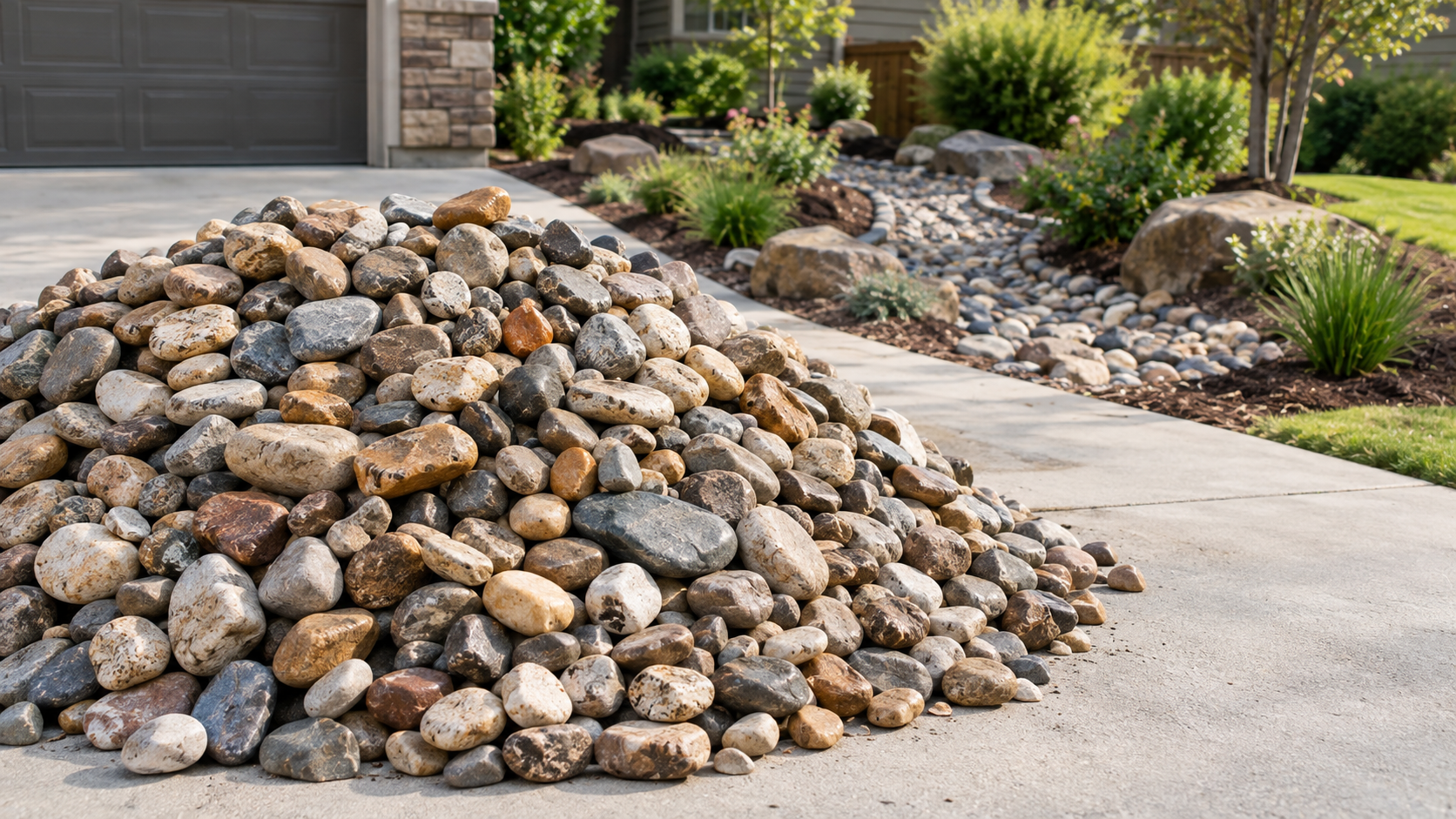
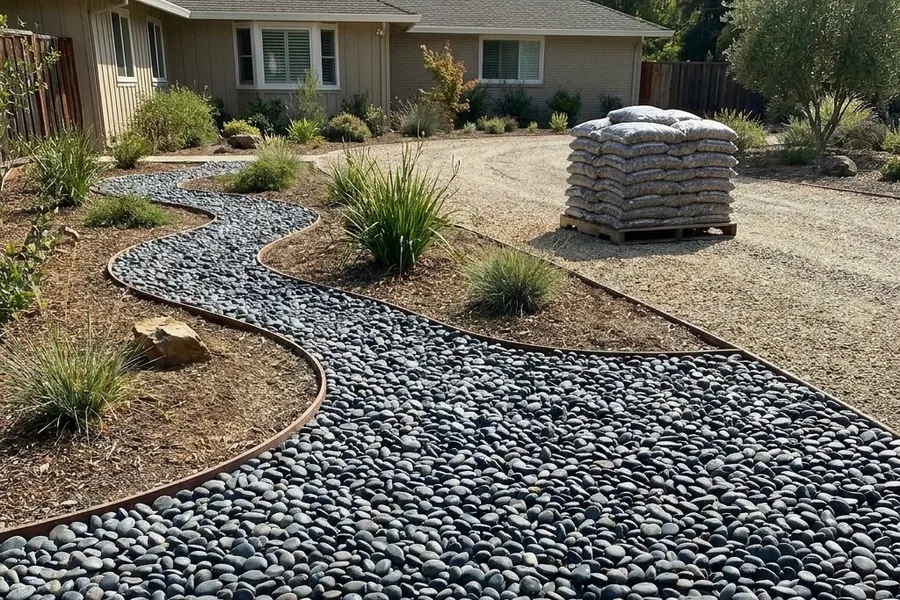
Foundation and patio bases usually need 3-4 inches of crushed concrete for proper drainage and stability. The material creates a level, well-draining surface that prevents settling and moisture issues. Walkways and garden paths can use just 2-3 inches, making them more economical while still providing excellent results.
Cost Consideration: Crushed concrete typically costs 30-50% less than virgin gravel while providing similar performance, making it an excellent choice for budget-conscious projects.

Getting accurate quotes and ordering
Once you’ve calculated your material needs, the next step involves getting competitive quotes and arranging delivery to your project site.
Most suppliers price crushed concrete by the ton, with costs varying based on your location, quantity, and delivery distance. Bulk orders typically offer better per-ton pricing, so consider coordinating with neighbors if you have similar projects planned. If you need to work backwards from weight, you can convert crushed concrete tons to cubic yards to verify volume requirements.
When requesting quotes, provide your calculated tonnage including the waste factor, project timeline, and delivery address. This information helps suppliers give you accurate pricing and schedule appropriate delivery trucks. Many suppliers offer online quote forms that streamline this process and provide quick estimates. For projects involving other materials, learning how to calculate cubic yards of gravel uses similar principles.
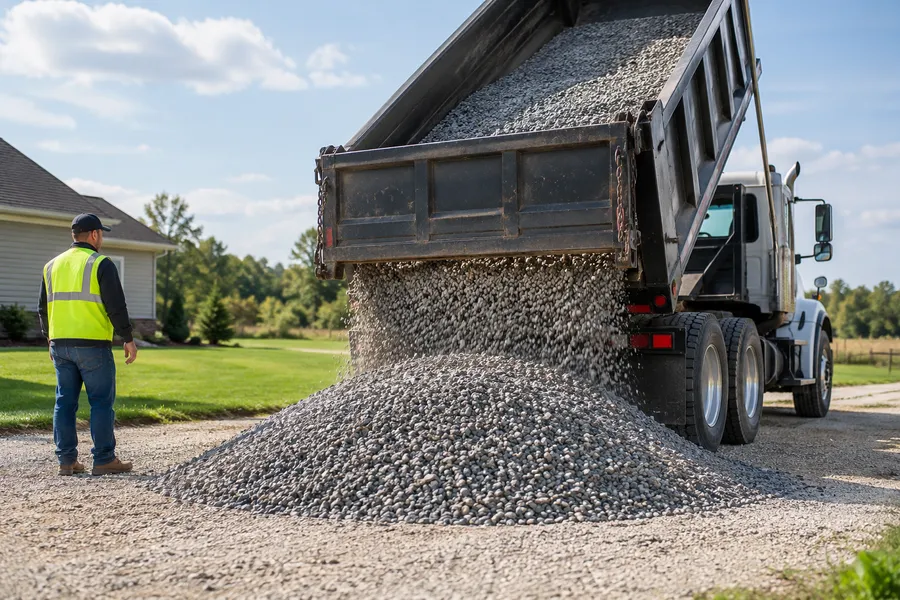
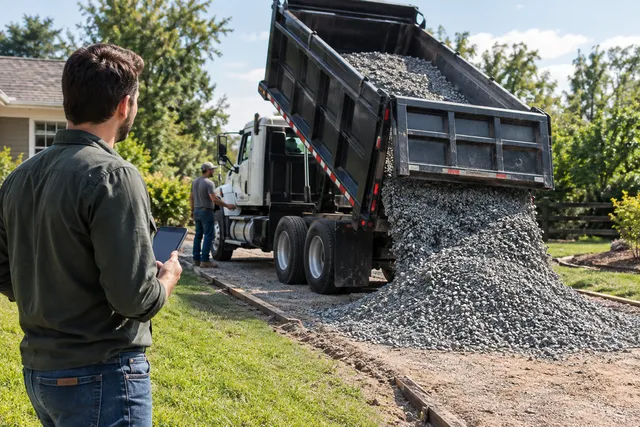
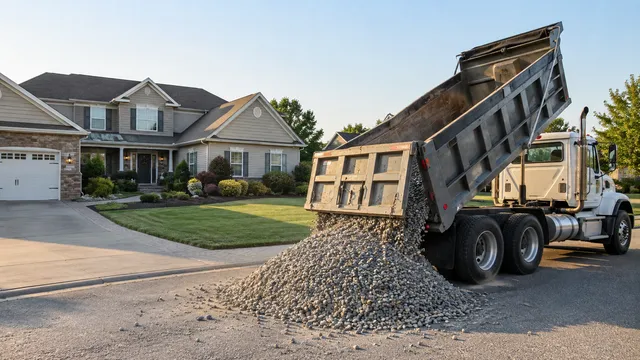
Delivery Tip: Standard delivery trucks carry 10-15 tons, so plan your project timeline around full truck loads to minimize delivery fees and ensure efficient material handling.
Remember to prepare your delivery area in advance, ensuring trucks can access the site safely and materials can be placed close to your work area. This preparation reduces labor costs and keeps your project on schedule.
Getting your crushed concrete calculations right from the start sets your project up for success. With proper planning and accurate estimates, you’ll have the right amount of material delivered when you need it, keeping your project moving smoothly from start to finish.
FAQ
How do I calculate crushed concrete needed for my square footage?
What is the weight of crushed concrete per square foot?
How much crushed concrete do I need for a typical driveway?
Is crushed concrete more cost-effective than virgin gravel?
Author: igor