How to Convert Fill Dirt from Cubic Yards to Tons

Published on: December 18, 2025

Get an estimate for your project in 60 seconds

This field is hidden when viewing the form
Security lock iconYour information is secure


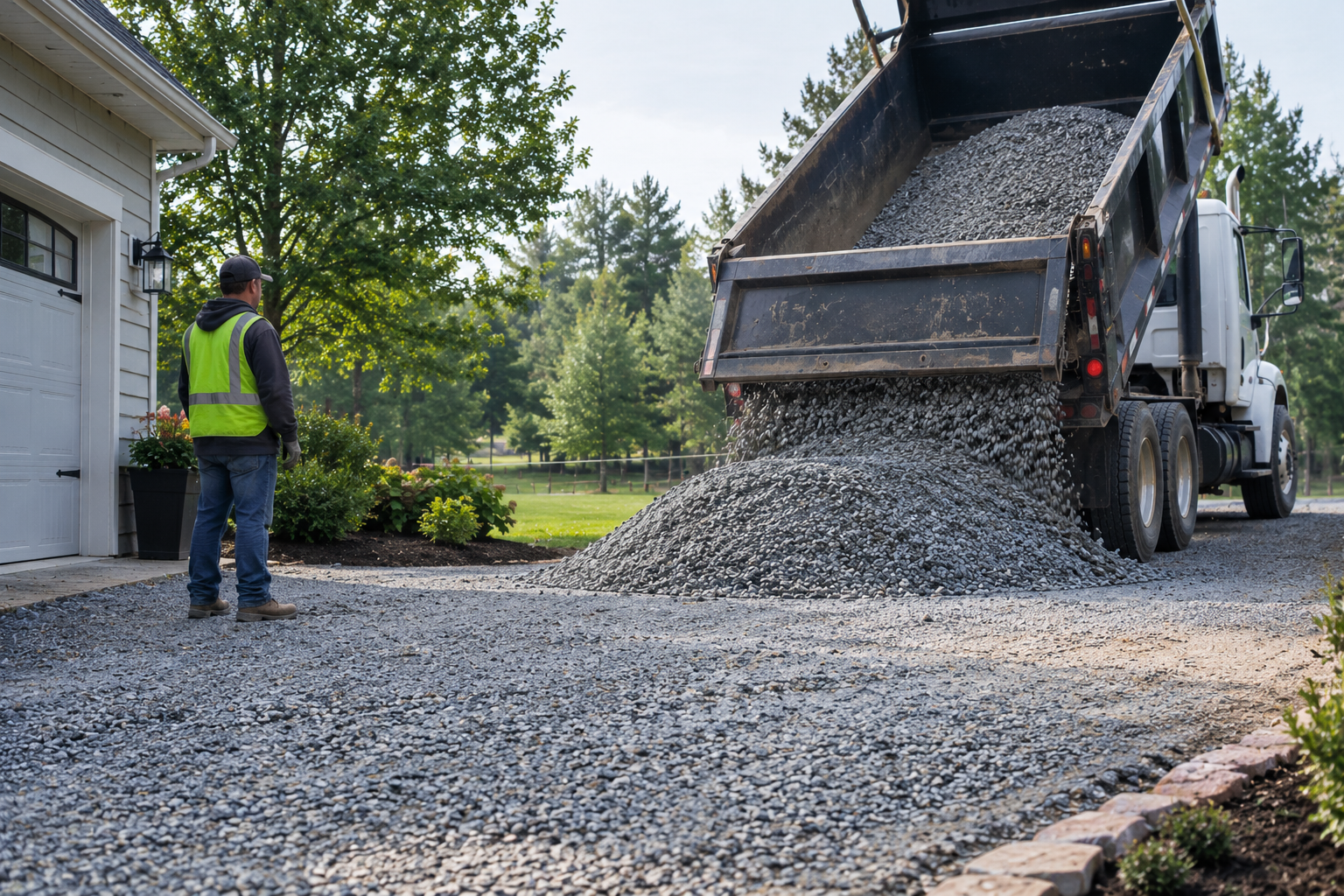
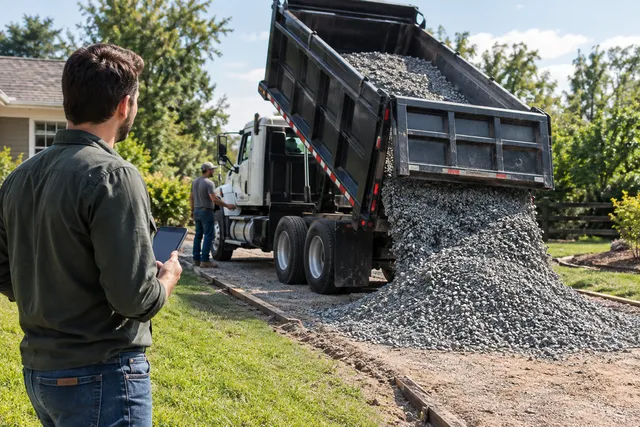
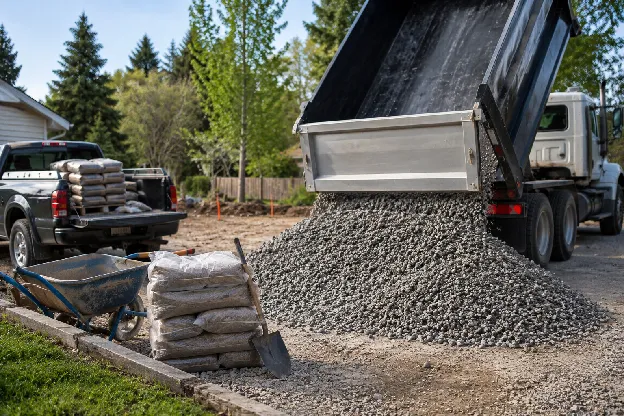
Fill dirt conversion calculator showing cubic yards to tons calculation

Converting fill dirt from cubic yards to tons might seem straightforward, but it’s more complex than you’d think. The key difference is that cubic yards measure volume while tons measure weight, and the weight of fill dirt varies significantly based on moisture content and composition.

One cubic yard of dry fill dirt typically weighs between 2,000 to 2,400 pounds (1 to 1.2 tons), while wet fill dirt can weigh up to 3,000 pounds (1.5 tons) or more. Understanding this conversion is essential for accurately estimating material costs and ensuring you order the right amount for your project.

Quick Answer: For most projects, multiply your cubic yards by 1.2 to get a reliable estimate in tons. This accounts for typical fill dirt density and provides a small buffer.

What is fill dirt and why does weight matter

Fill dirt is subsoil found beneath the topsoil layer, consisting primarily of sand, clay, and broken-down rock particles. Unlike topsoil, it contains minimal organic matter, making it stable and ideal for creating solid foundations or filling low areas.

The weight variation in fill dirt comes from several factors. Clay-heavy fill dirt holds more moisture and weighs significantly more than sandy fill dirt. Fresh excavation typically contains more moisture than aged, dried material. Even the particle size affects density, with finely ground dirt packing tighter than coarse material.

When you’re planning a project, knowing the weight helps you understand transportation costs, equipment requirements, and structural load considerations. A truck that can carry 10 tons might handle 8-10 cubic yards of dry fill dirt but only 6-7 cubic yards when wet.

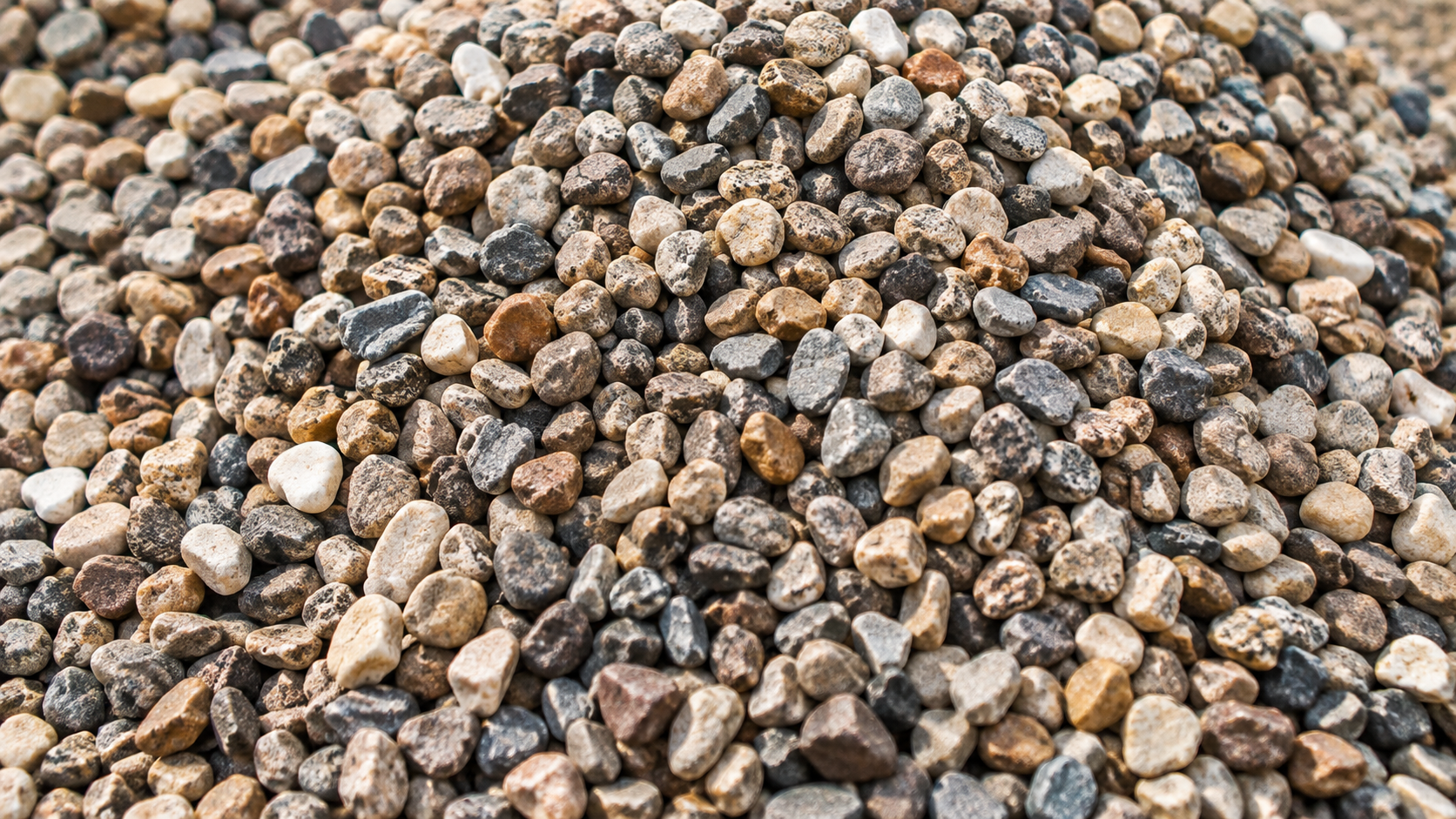
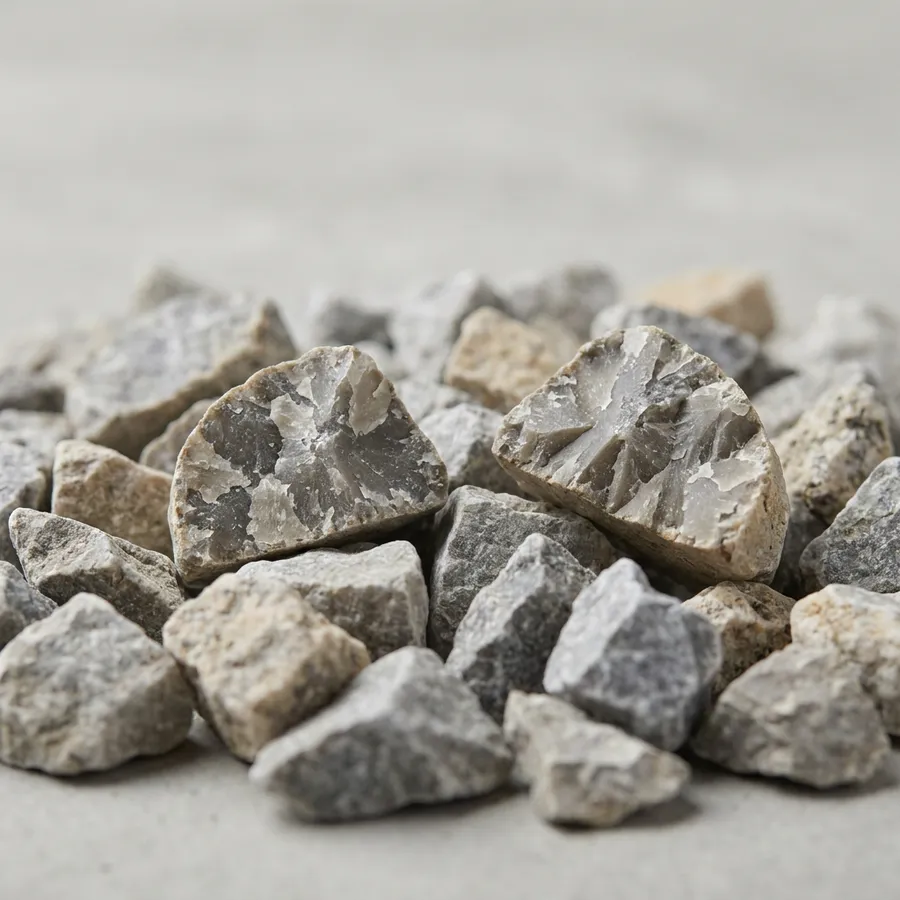
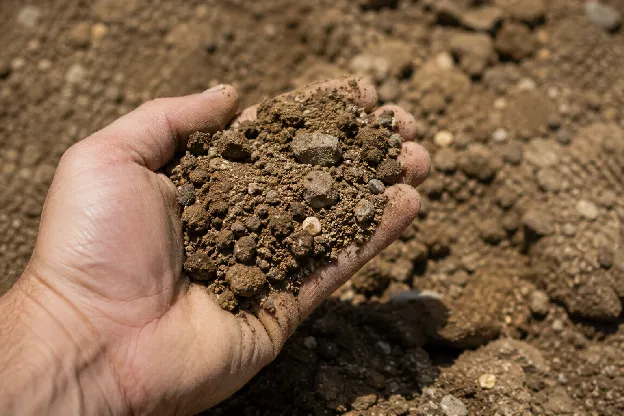
Different types of fill dirt showing clay, sandy, and mixed compositions

Step-by-step conversion process

Converting cubic yards to tons requires knowing your fill dirt’s density. Start by calculating your project volume in cubic yards using the formula: Length × Width × Depth (all in feet) ÷ 27 = cubic yards.

Next, determine your fill dirt’s approximate weight per cubic yard. Dry fill dirt averages 2,000-2,400 pounds per cubic yard, while moist dirt ranges from 2,400-2,800 pounds. Wet or clay-heavy dirt can reach 3,000+ pounds per cubic yard.

Apply this simple formula: Cubic Yards × (Weight per cubic yard ÷ 2,000) = Tons. For example, if you need 10 cubic yards of moderately moist fill dirt at 2,600 pounds per cubic yard: 10 × (2,600 ÷ 2,000) = 13 tons.

Always add 10-15% extra to account for compaction and waste. This buffer ensures you don’t run short during your project.

Understanding density factors that affect weight

Several factors significantly impact fill dirt density and your final conversion calculations. Moisture content is the biggest variable, potentially adding 20-50% to the weight. Clay content increases density because clay particles pack tightly and retain water.

Compaction level also matters. Loose fill dirt weighs less per cubic yard than compacted material. If you’re measuring existing compacted fill, it will be denser than freshly delivered loose dirt. For projects requiring precise calculations, consider using a fill dirt calculator with compaction to account for settling.

Pro Tip: Always ask your supplier about the moisture content and composition of their fill dirt. This information helps you make more accurate weight calculations.

Fill Dirt Type Weight per Cubic Yard Tons per Cubic Yard
Dry sandy fill 2,000-2,200 lbs 1.0-1.1 tons
Average fill dirt 2,200-2,600 lbs 1.1-1.3 tons
Wet clay-heavy fill 2,800-3,200 lbs 1.4-1.6 tons

Common conversion scenarios and examples

Let’s walk through typical project scenarios to make these conversions practical. For a small landscaping project requiring 5 cubic yards of standard fill dirt, you’d need approximately 5.5-6.5 tons, depending on moisture content.

A larger foundation backfill project needing 25 cubic yards would require roughly 27.5-32.5 tons. The range accounts for different dirt compositions and moisture levels you might encounter. If you’re working on sloped terrain, you’ll need to calculate fill dirt on a slope to determine accurate volume requirements.

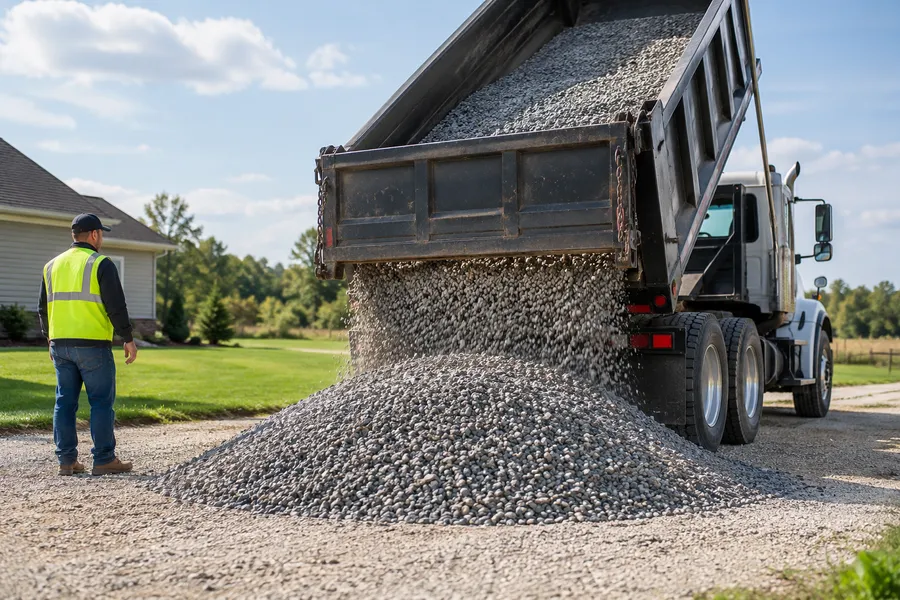
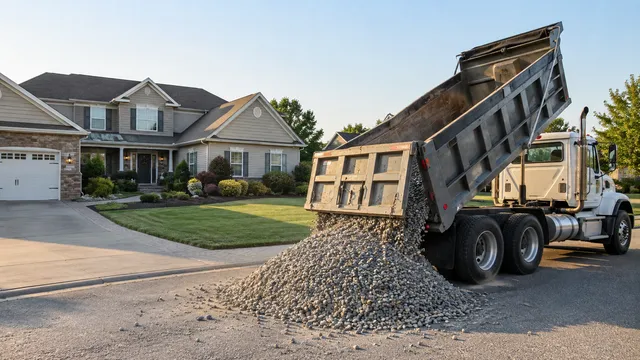
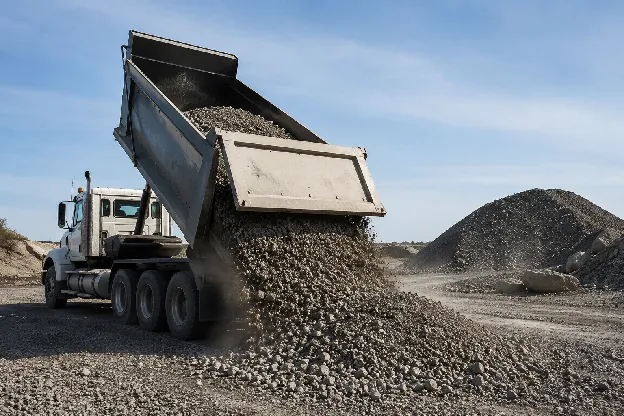
Construction site with fill dirt being delivered and measured

When ordering from suppliers, communicate in both units. Say something like “I need approximately 10 cubic yards, which should be around 12-13 tons of fill dirt.” This approach helps ensure you and your supplier are aligned on quantities. Understanding how to calculate fill dirt needed for your specific project will help you communicate more effectively with suppliers.

Remember: It’s better to slightly overestimate than run short. Extra fill dirt can always be used elsewhere on your property, but stopping work to order more creates delays and additional delivery costs.

Converting fill dirt from cubic yards to tons doesn’t have to be complicated when you understand the key factors. Focus on getting accurate measurements of your project area, ask suppliers about their dirt’s composition and moisture content, and always include a reasonable buffer in your calculations. Similar conversion principles apply to other materials like crushed concrete from cubic yards to tons, making these skills transferable across different construction materials. With these fundamentals, you’ll confidently order the right amount of material for successful project completion.

FAQ

How many tons are in a cubic yard of fill dirt?

A cubic yard of dry fill dirt typically weighs between 1 to 1.2 tons (2,000-2,400 pounds). Wet fill dirt can weigh up to 1.5 tons or more per cubic yard. The exact weight depends on moisture content, clay composition, and compaction level. For most projects, use 1.2 tons per cubic yard as a reliable estimate.

What’s the formula to convert cubic yards of fill dirt to tons?

Use this formula: Tons = Cubic Yards × (Weight per cubic yard ÷ 2,000). For example, if you have 10 cubic yards of fill dirt weighing 2,400 pounds per cubic yard: 10 × (2,400 ÷ 2,000) = 12 tons. Always confirm the specific density with your supplier for accurate calculations.

Why does fill dirt weight vary so much?

Fill dirt weight varies due to moisture content, soil composition, and compaction level. Clay-heavy fill dirt retains more water and weighs more than sandy fill dirt. Wet dirt can weigh 20-50% more than dry dirt. Compacted fill dirt is also denser than loose material, affecting the total weight per cubic yard.

How much extra fill dirt should I order?

Always order 10-15% extra fill dirt to account for compaction, settling, and waste. This buffer ensures you don’t run short during your project. It’s better to have slightly more material than to face delays and additional delivery costs from ordering more later.

Author: igor