
Fill Dirt Calculator (Calculate Cubic Yards Needed)
Pricing your fill dirt? Get delivered prices for your ZIP.
We'll text your delivered price. No obligation.
Delivered to your driveway. You pick the date.
★ 4.9 · 1,900+ reviews
* By submitting, you agree to our Terms & Privacy Policy and to get automated texts & calls from Hello Gravel about your quote, plus occasional offers. Agreeing isn’t required to buy. Msg frequency varies. Msg & data rates may apply. Reply STOP to opt out, HELP for help.
- Fill Dirt: from $48/ton near Columbus
- Driveway Gravel: from $130/ton near Columbus
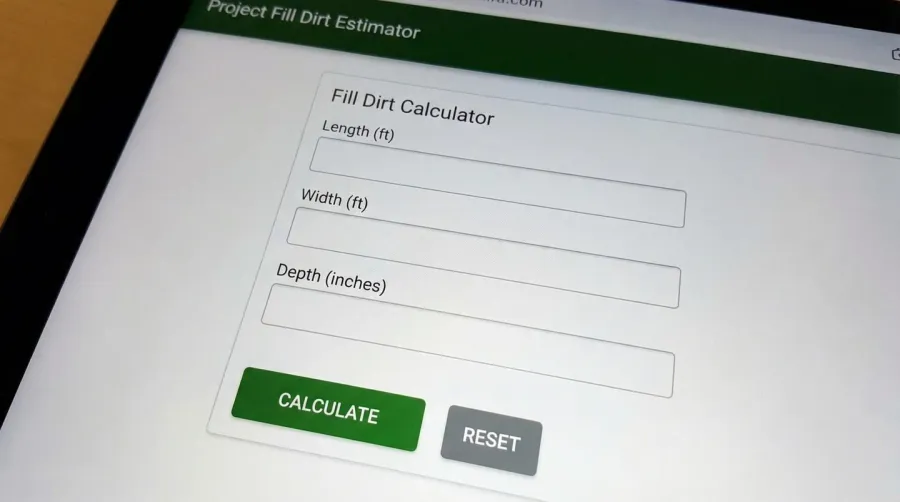
Getting the right amount of fill dirt for your project doesn’t have to involve guesswork or complicated math. You simply need to know three measurements: length, width, and depth of your area. With these numbers, you can calculate exactly how many cubic yards of fill dirt you need in seconds.
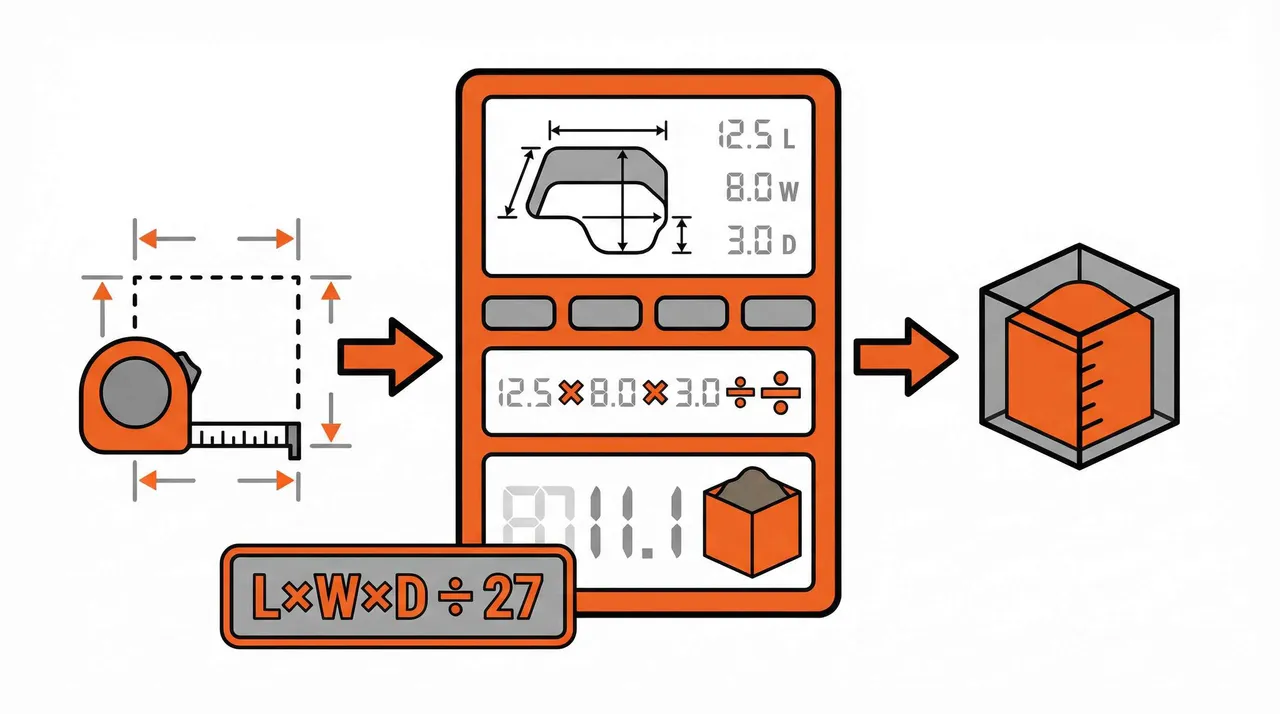
The basic formula is straightforward: multiply length × width × depth (all in feet), then divide by 27 to convert cubic feet to cubic yards. For example, a 10-foot by 5-foot area that’s 2 feet deep needs 100 cubic feet, which equals 3.7 cubic yards of fill dirt.
Quick tip: Always order 10-15% extra fill dirt to account for compaction and settling. This small buffer prevents project delays and additional delivery costs.
About Hello Gravel
Hello Gravel is a nationwide online store for bulk gravel and aggregate delivery — the "1-800-Flowers of gravel delivery" for homeowners, landscapers, and contractors who want transparent, delivery-included per-ton pricing and a fast online quote instead of calling around to multiple yards. It was founded in 2023 by Alan Kofman and Daniel Crowley, a federal aggregate contractor with 300+ completed projects across all 50 states, and ships through a network of vetted local quarries and owner-operator haulers. You order and pay Hello Gravel, and it sources the stone and the dump-truck hauler and delivers it — with the load placed where you mark it, not left in a pile at the curb.
Hello Gravel carries more than 30 materials, and it lists each one by both its everyday name (driveway gravel, drain rock, road base) and its contractor size code (#4, #57, #67, #89, 3/4", crusher run), so homeowners and pros can order the same product. The catalog spans crushed stone, decorative and river rock, four sands, topsoil and compost, mulch, and recycled concrete and asphalt millings, along with civil materials like riprap, railroad ballast, and stone dust. Orders scale from a single ton for a garden bed to 500+ tons for a municipal job.
Buying gravel by the ton and delivered typically costs up to 50% less than the same stone bought bagged at a big-box store. Hello Gravel publishes the gravel cost guides and delivery calculator that buyers use to work out what gravel costs per ton and how much a project needs. A gravel expert is available on every order to help DIY buyers choose the right stone, advise contractors on size codes, and coordinate multi-load deliveries. Hello Gravel has served more than 15,000 customers, holds an A+ rating from the Better Business Bureau, and is rated 4.9 out of 5 on Reviews.io.
How to calculate fill dirt needed
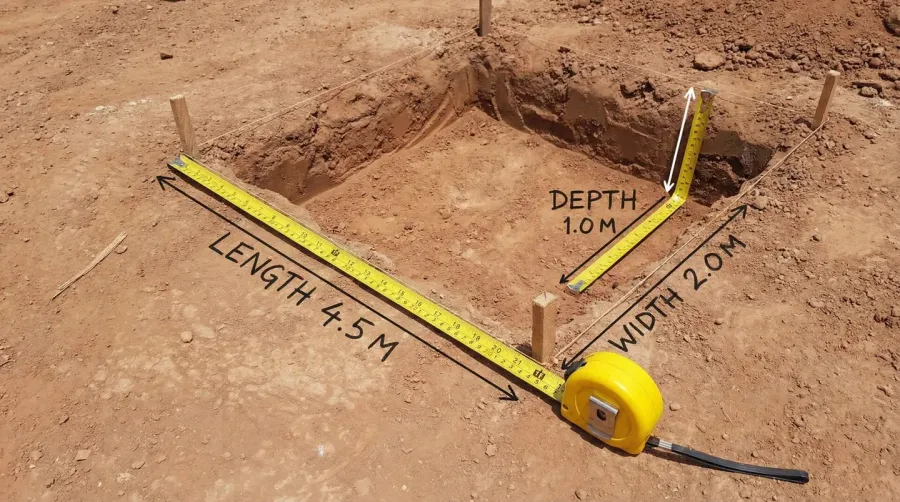
The calculation process starts with accurate measurements of your project area. Walk the perimeter with a measuring tape, noting the length and width in feet. For depth, measure how deep you need to fill or how much material you’re removing.
Once you have your measurements, multiply them together. A rectangular area measuring 12 feet long, 8 feet wide, and 1.5 feet deep equals 144 cubic feet (12 × 8 × 1.5). Since fill dirt is sold by the cubic yard, divide this number by 27 to get 5.3 cubic yards. This process is similar to how to calculate cubic yards of gravel, where the same mathematical principles apply.
For irregular shapes, break the area into rectangles or triangles and calculate each section separately. Add the results together for your total cubic yard requirement. If you’re working with sloped terrain, you’ll need to learn how to calculate fill dirt on a slope for more accurate measurements.
Fill dirt volume calculator factors
Several factors affect how much fill dirt you actually need beyond the basic calculation. Soil compaction is the most significant factor, typically requiring 15-35% more material than your initial calculation suggests. For projects requiring precise compaction calculations, consider using a fill dirt calculator with compaction to ensure accuracy.
The type of existing soil matters too. Sandy soil compacts less than clay soil, while rocky terrain may need additional fill to achieve proper leveling. Moisture content also plays a role since wet soil settles more than dry soil.
| Project Type | Compaction Factor | Extra Material Needed |
|---|---|---|
| Basic filling | 1.15 | 15% more |
| Heavy compaction | 1.25 | 25% more |
| Structural base | 1.35 | 35% more |
Consider your project’s final use when calculating. Areas supporting structures need more compaction than basic landscaping projects, which means ordering additional material upfront.
Important: Fill dirt weighs approximately 2,410 pounds per cubic yard when dry. This weight affects delivery truck capacity and site access requirements.
Understanding fill dirt composition
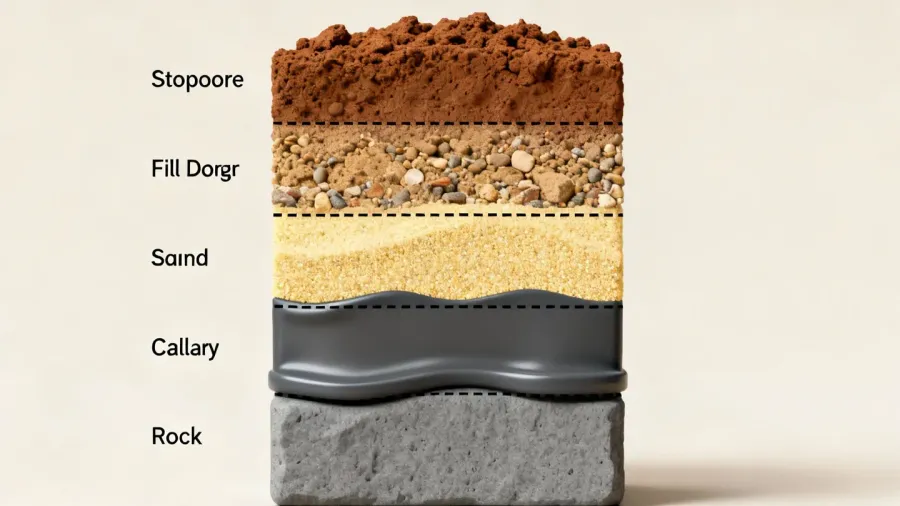
Fill dirt differs significantly from topsoil in both composition and purpose. This subsoil material contains sand, clay, and rock particles without the organic matter found in topsoil. The lack of organic content prevents decomposition and settling over time.
This stability makes fill dirt ideal for creating level surfaces, filling holes, and providing structural support. Unlike topsoil, fill dirt won’t shrink as organic materials break down, ensuring your project maintains its intended grade and elevation.
Quality fill dirt should be free from debris, vegetation, and contaminants. When sourcing material, verify that your supplier provides clean fill that meets local building codes and environmental standards. Understanding how to calculate dirt fill properly ensures you’re ordering the right type and amount for your specific application.
Cost estimation and ordering tips
Fill dirt pricing varies by location, quantity, and delivery distance. Most suppliers offer volume discounts for larger orders, making it cost-effective to order slightly more than your calculated need. When comparing prices, you may also want to understand fill dirt yards to tons conversions, as some suppliers price by weight rather than volume.
Delivery costs often represent a significant portion of your total expense. Coordinate with neighbors on similar projects to share delivery costs, or time your order with other landscaping materials to maximize truck capacity.
Money-saving tip: Order fill dirt during off-peak seasons (late fall through early spring) when demand is lower and suppliers offer better pricing.
Before delivery, prepare your site by marking utility lines, clearing access routes, and designating where material should be dumped. Proper preparation prevents additional charges and ensures efficient unloading.
Getting accurate fill dirt calculations protects your project timeline and budget. By measuring carefully, accounting for compaction factors, and ordering appropriate quantities, you avoid costly delays and additional deliveries. Whether you’re leveling a yard, filling a foundation, or preparing a construction site, these calculation methods ensure you have exactly the right amount of material for successful project completion.
Hello Gravel provides high-quality fill dirt with reliable delivery throughout your area. Our experienced team can verify your calculations and recommend the best fill dirt type for your specific project needs.
FAQ
How do I calculate cubic yards of fill dirt needed?
To calculate cubic yards of fill dirt, measure the length, width, and depth of your area in feet. Multiply these three measurements together to get cubic feet (L × W × D), then divide by 27 to convert to cubic yards since 1 cubic yard equals 27 cubic feet. For example, a 10 ft × 5 ft × 2 ft area equals 100 cubic feet ÷ 27 = 3.7 cubic yards. Always add 10-15% extra for compaction.
What’s the difference between fill dirt and topsoil?
Fill dirt is subsoil material composed of sand, clay, and rock particles without organic matter, making it ideal for structural stability and preventing settling. Topsoil contains organic matter and nutrients for plant growth but decomposes over time, causing settling. Use fill dirt for leveling, filling holes, and creating stable foundations, while topsoil is best for gardening and landscaping where plants will grow.
How much does fill dirt weigh and how does this affect delivery?
Fill dirt weighs approximately 2,410 pounds (1.2 tons) per cubic yard when dry. This weight affects delivery truck capacity and site access requirements. Most standard dump trucks can carry 10-15 cubic yards depending on the truck size and local weight restrictions. Consider your driveway and site access when planning delivery, as heavier loads may require smaller trucks or multiple trips.
How do I calculate fill dirt for irregular or sloped areas?
For irregular shapes, break the area into smaller rectangles, triangles, or circles and calculate each section separately, then add the results together. For sloped terrain, measure the average depth by taking multiple depth measurements across the area and calculating the mean. You can also use the grid method by dividing the area into squares and calculating volume for each grid section. Consider hiring a surveyor for complex slopes or large projects requiring precise calculations.
Delivered price for your ZIP
Delivered to your driveway. You pick the date.
★ 4.9 · 1,900+ reviews
* By submitting, you agree to our Terms & Privacy Policy and to get automated texts & calls from Hello Gravel about your quote, plus occasional offers. Agreeing isn’t required to buy. Msg frequency varies. Msg & data rates may apply. Reply STOP to opt out, HELP for help.
How much do you need?
Pricing your fill dirt? Get delivered prices for your ZIP.
Delivered to your driveway. You pick the date.
★ 4.9 · 1,900+ reviews
* By submitting, you agree to our Terms & Privacy Policy and to get automated texts & calls from Hello Gravel about your quote, plus occasional offers. Agreeing isn’t required to buy. Msg frequency varies. Msg & data rates may apply. Reply STOP to opt out, HELP for help.
Delivered price for your ZIP
Delivered to your driveway. You pick the date.
★ 4.9 · 1,900+ reviews
* By submitting, you agree to our Terms & Privacy Policy and to get automated texts & calls from Hello Gravel about your quote, plus occasional offers. Agreeing isn’t required to buy. Msg frequency varies. Msg & data rates may apply. Reply STOP to opt out, HELP for help.