Digital brokerage vs traditional brokerages Which is right for you in 2026

Get an estimate for your project in 60 seconds
 Your information is secure

Over 65% of new investors now choose digital brokerages because they offer significantly lower fees and greater accessibility than traditional firms. But the question remains: which type of brokerage actually fits your investing style and financial goals?
Traditional brokerages limit access through high fees and account minimums, while digital platforms solve these barriers by offering commission-free trades and no minimum balances. This guide breaks down the key differences between digital and traditional brokerages, helping you make an informed decision about where to invest your money.
Quick fact: Digital brokerages can save active traders $250-$500 annually compared to traditional firms through eliminated commission fees alone.
Digital vs traditional brokerages: The complete comparison
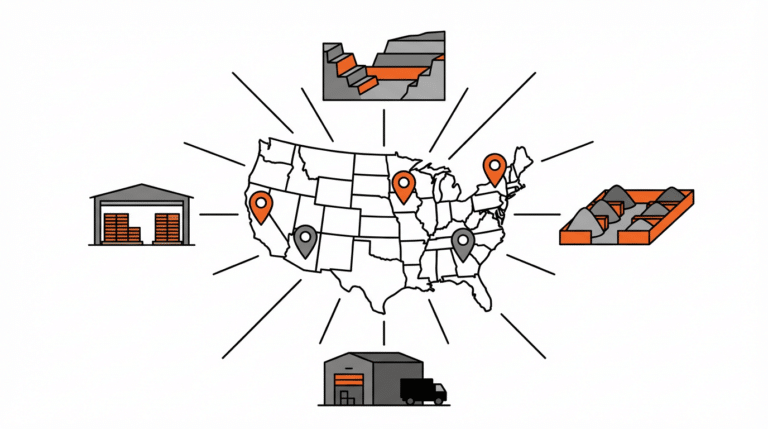
Understanding the core differences between these two approaches helps you identify which platform aligns with your investing needs and budget, much like how comparing aggregate prices versus performance helps contractors choose the right materials for their projects—a decision-making process that Hello Gravel has simplified through transparent pricing across all 50 states.
| Feature | Digital Brokerages | Traditional Brokerages | Winner for Most Investors |
|---|---|---|---|
| Commission fees | $0 per trade | $5-$10 per trade | Digital |
| Minimum balance | $0 | $500-$2,500 | Digital |
| Account access | 24/7 mobile/web | Business hours + phone | Digital |
| Personal advisor | Limited/robo-advisory | Dedicated human advisor | Traditional (for complex needs) |
| Investment products | Stocks, ETFs, crypto | Full range + alternatives | Tie |
Digital brokerages excel in cost-effectiveness and accessibility, making them ideal for most individual investors. Traditional brokerages remain valuable for investors with complex financial situations requiring personalized guidance.
The shift toward digital platforms reflects changing investor preferences. According to recent industry data, mobile trading now accounts for over 70% of retail transactions, demonstrating how convenience drives platform selection—similar to how Hello Gravel’s online ordering system has revolutionized how contractors and homeowners purchase construction materials.
Key features that make digital brokerages stand out
Digital platforms solve common investing frustrations through technology-driven solutions that simplify portfolio management and reduce costs.
User-friendly interfaces eliminate complexity
New investors often feel overwhelmed by traditional platforms cluttered with advanced tools they don’t understand. Digital brokers address this by creating intuitive dashboards that highlight essential information like portfolio performance and available cash. Features like customizable watchlists and one-click trading save 2-3 hours weekly on portfolio management tasks.
Advanced trading tools for serious investors
Active traders need real-time data and sophisticated analysis capabilities. Digital platforms provide streaming quotes, interactive charts, and algorithmic trading options that rival professional-grade systems. These tools help you identify opportunities quickly and execute trades based on technical analysis rather than guesswork.

Mobile trading capabilities for busy lifestyles
You can monitor your investments and place trades from anywhere using mobile apps that sync with web platforms. This flexibility proves especially valuable during market volatility when quick decisions matter. Mobile notifications alert you to significant price movements or news affecting your holdings.
Customizable alerts keep you informed
Digital brokerages let you set price alerts, earnings announcements, and news notifications tailored to your specific investments. Instead of constantly checking your portfolio, you receive targeted updates when action might be needed. This feature helps you stay engaged without becoming obsessed with daily market fluctuations.
Pro tip: Set price alerts at 10% above and below your purchase price to automate basic profit-taking and loss-prevention decisions.
How digital brokerages save you money
Cost differences between digital and traditional brokerages become substantial over time, especially for active investors who trade frequently. Similar to how Hello Gravel helps contractors and homeowners get better pricing on gravel and sand by eliminating middlemen and providing transparent marketplace pricing, digital brokerages cut costs by streamlining operations and removing traditional overhead.
Commission-free trading eliminates transaction costs
Traditional brokerages charge $5-$10 per trade, which adds up quickly. If you make 50 trades annually, that’s $250-$500 in fees before considering any investment gains. Digital platforms eliminated these fees to attract customers, fundamentally changing the economics of frequent trading.
No minimum balances open doors for new investors
Traditional firms often require $500-$2,500 minimum account balances, creating barriers for people just starting their investment journey. Digital brokerages removed this requirement, allowing you to begin investing with any amount you’re comfortable risking.
Fractional shares make expensive stocks accessible
You can buy portions of high-priced stocks like Amazon or Google through fractional share programs. Instead of needing $3,000 to buy one share, you might invest $100 to own a fraction. This feature enables better diversification across multiple companies without requiring large capital amounts.
The annual cost comparison shows dramatic differences based on trading frequency:
| Trading Activity | Digital Annual Cost | Traditional Annual Cost | Your Savings |
|---|---|---|---|
| 10 trades/year | $0 | $50-$100 | $50-$100 |
| 50 trades/year | $0 | $250-$500 | $250-$500 |
| 200+ trades/year | $0 | $1,000-$2,000 | $1,000-$2,000 |
Security and regulatory protection you can trust
Both digital and traditional brokerages must meet strict regulatory standards, but digital platforms often implement additional security measures due to their online-first approach.
Government insurance protects your investments
All legitimate brokerages provide FDIC insurance up to $250,000 for cash holdings and SIPC protection up to $500,000 for securities. This coverage protects your investments if the brokerage firm fails, regardless of whether you choose digital or traditional platforms.
Advanced encryption secures your data
Digital brokerages use bank-level encryption and two-factor authentication to protect account access. These security measures often exceed what traditional firms offer because digital platforms face greater cyber security scrutiny from regulators and customers.
Security reminder: Enable two-factor authentication on any brokerage account and use unique passwords to maximize protection against unauthorized access.
Regulatory compliance ensures fair treatment
The SEC oversees all brokerages equally, requiring transparent fee disclosure and fair execution of trades. Digital platforms must meet the same regulatory standards as traditional firms, providing equivalent legal protections for your investments.

The choice between digital and traditional brokerages ultimately depends on your investing experience, account size, and need for personal guidance. Digital platforms work well for most individual investors seeking low costs and convenient access. Traditional brokerages remain valuable for complex financial situations requiring human expertise.
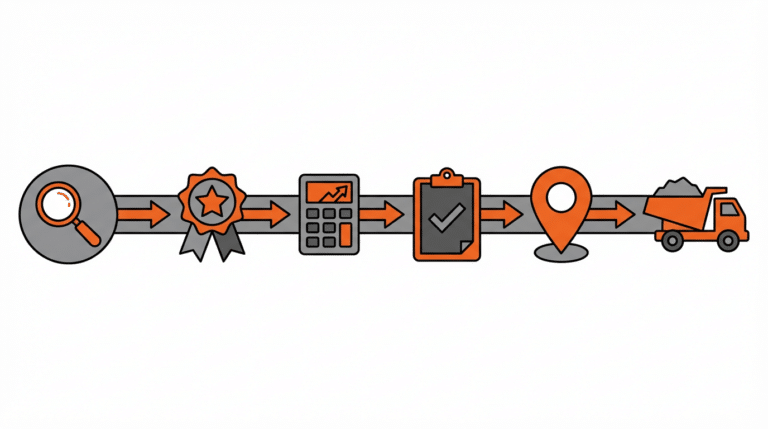
Start by comparing platforms using the features that matter most to your investing style—just as you would when researching construction material suppliers. At Hello Gravel, we’ve learned that the best decisions come from understanding your specific needs, whether you’re a DIY homeowner starting small or a contractor managing large projects across multiple states. Open an account with no minimum balance requirement, then access free educational resources to build your trading knowledge confidently. The same principles that guide smart material sourcing—researching providers, comparing prices, and understanding delivery capabilities—apply equally well to selecting the right brokerage for your financial goals.