Crushed Concrete Weight Per Yard – Complete Guide for 2026

Get an estimate for your project in 60 seconds
 Your information is secure

Understanding crushed concrete weight is essential for any construction or landscaping project you’re planning. On average, crushed concrete weighs approximately 2,400 pounds per cubic yard when dry, but this can vary significantly based on several factors. Whether you’re building a driveway, creating a foundation, or working on road construction, knowing the exact weight helps you calculate material needs, transportation costs, and project logistics accurately.
Key Fact: Crushed concrete typically weighs between 2,000 to 2,600 pounds per cubic yard, with moisture content being the primary factor affecting weight variations.
This comprehensive guide will walk you through everything you need to know about crushed concrete weight, from basic calculations to the factors that influence these measurements. You’ll learn how to estimate the right amount for your project and understand why weight matters in construction applications.
What is crushed concrete and why does weight matter
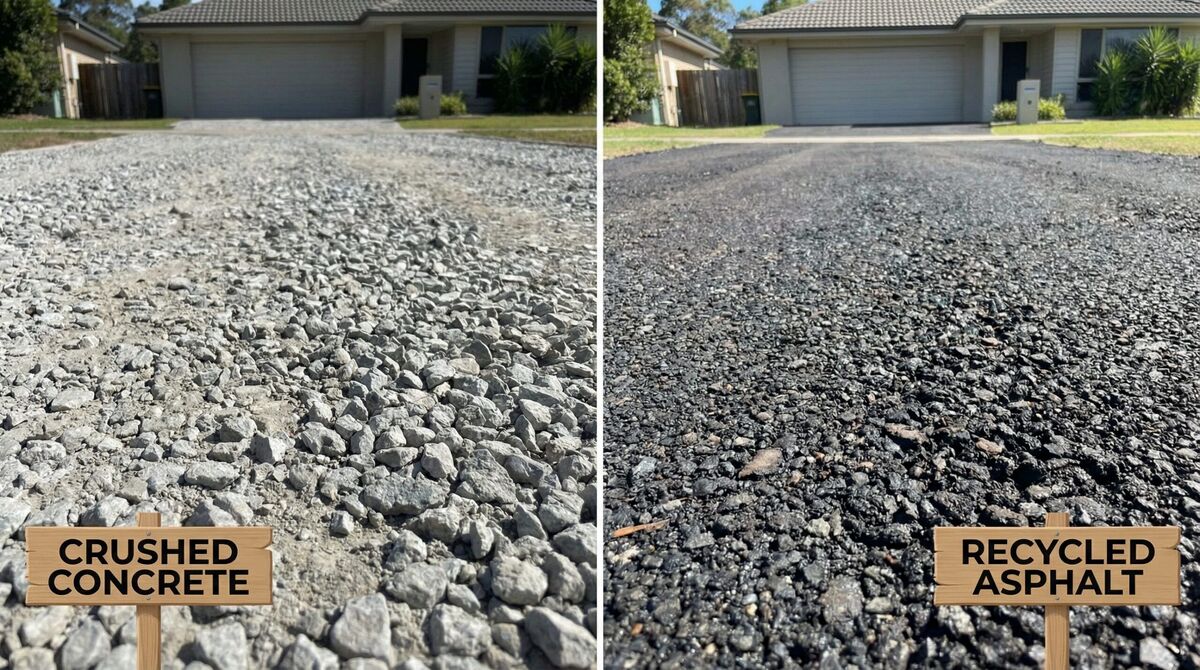
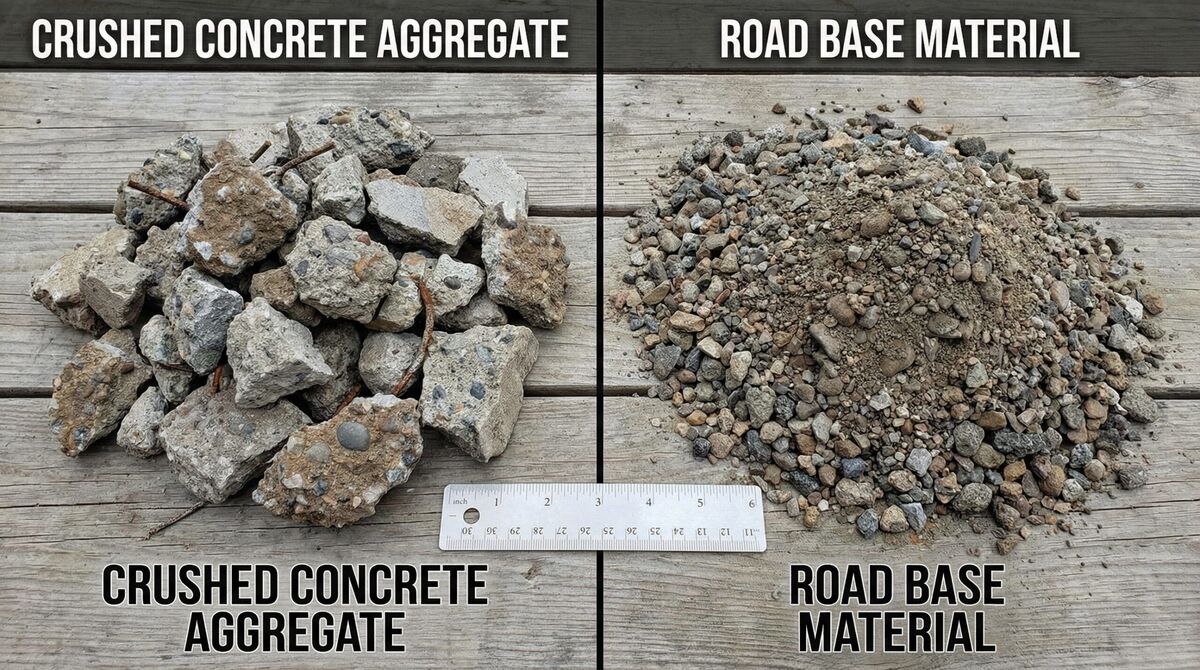
Crushed concrete, also known as recycled concrete aggregate (RCA), is an environmentally friendly material created by crushing demolished concrete structures. According to hellogravel.com, this sustainable alternative to natural aggregate has gained popularity due to its cost-effectiveness and environmental benefits.
The weight of crushed concrete directly impacts several critical aspects of your project. Transportation costs increase with heavier loads, affecting your overall budget. Equipment requirements also depend on weight – you’ll need appropriate machinery to handle and spread the material effectively. Additionally, structural calculations for foundations and load-bearing applications require precise weight measurements to ensure safety and compliance with building codes.

Understanding weight variations helps you avoid common project pitfalls like ordering insufficient material or exceeding vehicle weight limits during delivery. This knowledge becomes particularly important when working with larger quantities or when precise load calculations are necessary for engineering specifications. For more detailed information about the material’s properties, check out our guide on crushed concrete density.
Average weight per cubic yard and variations
The standard weight of crushed concrete ranges from 2,000 to 2,600 pounds per cubic yard, with 2,400 pounds being the most commonly cited average. However, these numbers can fluctuate based on the specific characteristics of your material.
| Condition | Weight Range (lbs/yard) | Typical Weight (lbs/yard) |
|---|---|---|
| Dry crushed concrete | 2,000 – 2,400 | 2,200 |
| Wet crushed concrete | 2,400 – 2,600 | 2,500 |
| Compacted | 2,300 – 2,700 | 2,550 |
Different aggregate sizes also affect the overall weight. Smaller crushed concrete pieces tend to pack more densely, resulting in higher weights per cubic yard. Conversely, larger chunks create more air spaces, reducing the overall density and weight. Understanding crushed concrete unit weight helps you make more accurate calculations for your specific project needs.
Important Note: Always account for a 10-15% weight variation when planning your project to ensure adequate material ordering and transportation capacity.
The moisture content plays a particularly significant role in weight calculations. Wet crushed concrete can weigh 200-400 pounds more per cubic yard than dry material, which significantly impacts transportation and handling requirements.
Key factors that affect crushed concrete weight
Several factors influence the final weight of crushed concrete, and understanding these helps you make more accurate project estimates. The size of the aggregate pieces is perhaps the most controllable factor – smaller pieces create denser packing, while larger pieces leave more air gaps. Learning about different crushed concrete types can help you select the right material for your application.
Moisture content varies depending on storage conditions and weather exposure. Fresh crushed concrete from indoor storage typically contains less moisture than material stored outdoors. The type of original concrete also matters – lightweight concrete produces lighter crushed aggregate compared to standard concrete made with dense aggregates.
The crushing process itself affects weight distribution. Well-graded crushed concrete with a mix of different sizes typically weighs more per cubic yard than uniformly sized material. The presence of steel reinforcement remnants, though usually removed during processing, can occasionally increase weight in some batches.

Compaction level during placement significantly impacts the final weight per cubic yard. Loose crushed concrete weighs less than the same material after proper compaction. This factor becomes crucial when calculating quantities for projects requiring specific compaction standards, especially when using crushed concrete as a sub base.
How to calculate crushed concrete weight for your project
Calculating the weight of crushed concrete for your project involves a straightforward formula: Weight = Volume × Density. Start by measuring your project area in feet – length, width, and depth. Convert these measurements to cubic yards by dividing the total cubic feet by 27.
For example, if you need to cover an area 30 feet long, 20 feet wide, and 6 inches deep, your calculation would be: (30 × 20 × 0.5) ÷ 27 = 11.1 cubic yards. Multiplying this by the average weight of 2,400 pounds per cubic yard gives you approximately 26,640 pounds or 13.3 tons of material. To better understand how much area this will cover, refer to our comprehensive guide on crushed concrete coverage.
When planning transportation, remember that most dump trucks can carry 10-15 tons safely. For the example above, you’d need two truck loads to deliver your material. Always add 5-10% extra material to account for compaction and waste during installation.
Consider seasonal factors in your calculations. Winter projects may require accounting for frozen ground conditions, while summer installations might need extra material due to increased compaction requirements. These practical considerations ensure your project stays on schedule and within budget.
Understanding crushed concrete weight empowers you to make informed decisions about material quantities, transportation logistics, and project planning. Whether you’re working on a small residential driveway or a large commercial foundation, accurate weight calculations form the foundation of successful project execution. The key is accounting for all variables – from moisture content to compaction requirements – while maintaining a reasonable safety margin in your material estimates.

 Chance Kittrell