Road Base vs Gravel for Driveways and Construction Projects
Published on: January 18, 2026
Get an estimate for your project in 60 seconds
 Your information is secure
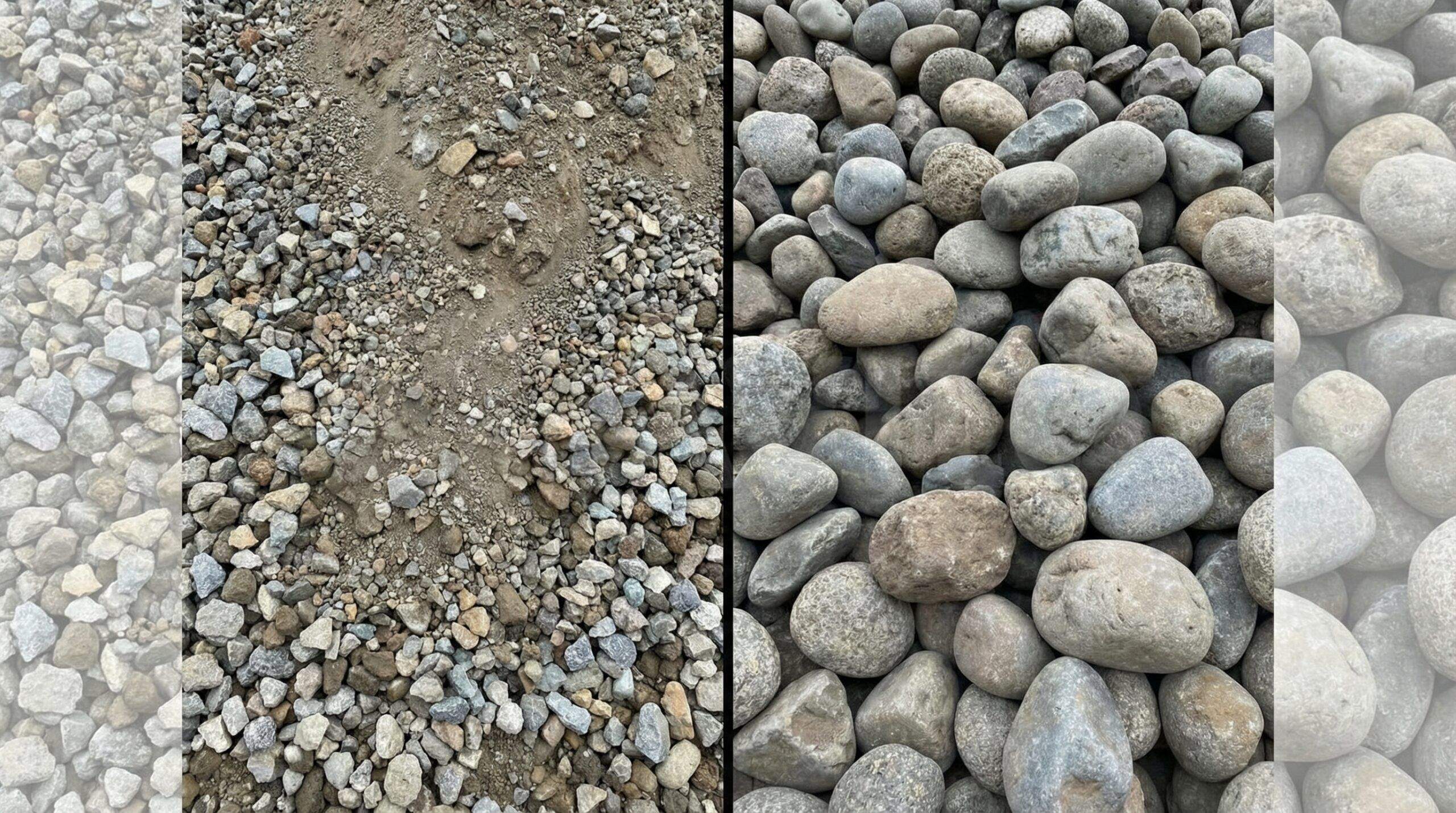
Choosing between road base and gravel can make or break your construction project. Road base is a compacted mixture of crushed stone engineered for heavy-duty stability, while gravel consists of loose rock fragments ideal for drainage and lighter applications. Understanding these differences helps you select the right material for your specific needs and budget.
Quick insight: Road base costs 20-30% more upfront than gravel but often saves money long-term through reduced maintenance and superior durability under heavy loads.
Both materials serve essential roles in construction, but they excel in different scenarios. Road base provides the structural foundation needed for driveways with regular truck traffic, while gravel offers excellent drainage for walkways and decorative landscaping. The choice depends on your project requirements, expected traffic load, and long-term maintenance preferences.
What is road base and when should you use it
Road base, also known as aggregate base or road rock, consists of carefully engineered crushed stone mixed with fine particles. According to hellogravel.com, this material typically contains crushed limestone or granite ranging from 1½ inches down to fine particles, specifically designed for compaction and load-bearing applications.
The engineering behind road base ensures maximum density when compacted. The varied particle sizes create a tight-locking system where larger stones provide structure while smaller particles fill voids, creating a solid foundation capable of supporting heavy vehicles and equipment.
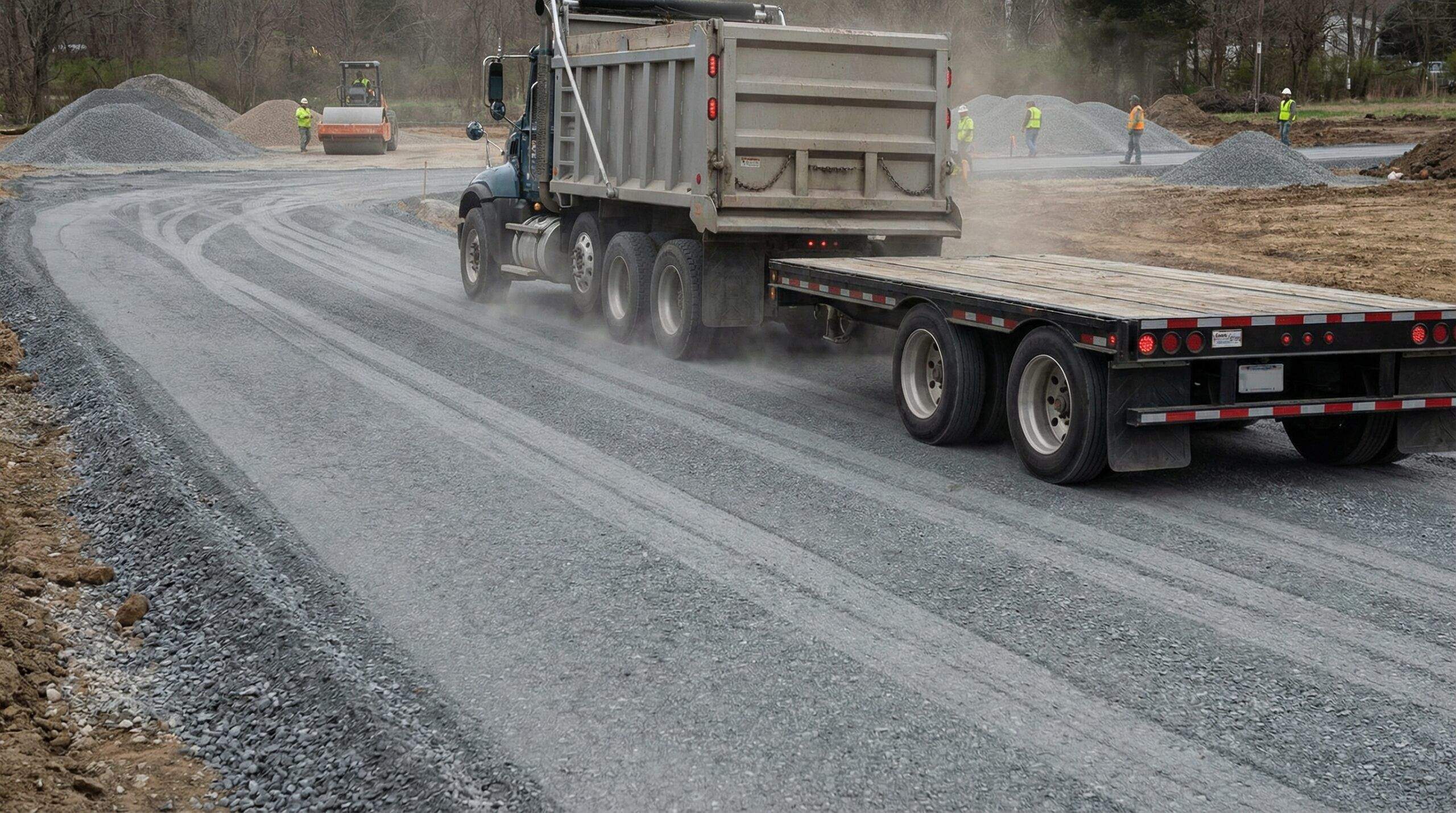
You should choose road base for driveways expecting regular heavy traffic, commercial parking lots, and foundations under concrete or asphalt. The material excels in situations requiring long-term stability and minimal maintenance, making it ideal for permanent installations where durability outweighs initial cost considerations.
Understanding gravel composition and applications
Gravel consists of naturally formed or loosely crushed rock fragments, typically including sand and clay particles. Unlike the engineered precision of road base, gravel maintains a more natural composition that provides excellent drainage characteristics through its varied particle sizes and angular shapes.
The loose structure of gravel allows water to flow freely between particles, preventing puddle formation and reducing mud issues during wet weather. This natural drainage capability makes gravel particularly valuable for areas where water management is a priority over maximum load-bearing capacity.
Gravel works best for residential driveways with light vehicle traffic, decorative landscaping applications, temporary access roads, and filling gaps between pavers. For more specific applications, understanding different gravel types and sizes can help you choose the most appropriate material for your project needs. The material offers versatility and easy installation, though it may require periodic maintenance like raking or adding fresh material to maintain appearance and functionality.
Key differences that impact your project choice
The fundamental differences between road base and gravel affect every aspect of your project from installation to long-term performance. Understanding these distinctions helps you make an informed decision based on your specific requirements.
| Factor | Road Base | Gravel |
|---|---|---|
| Composition | Engineered crushed stone mix | Natural rock fragments |
| Compaction | Excellent density when compacted | Moderate compaction ability |
| Load bearing | Supports heavy vehicles and equipment | Best for cars and light trucks |
| Drainage | Good with proper grading | Excellent natural drainage |
| Cost per ton | $20-35 | $15-25 |
Composition differences create distinct performance characteristics. Road base’s engineered gradation allows for superior compaction, creating surfaces that resist rutting and maintain shape under stress. Gravel’s natural composition provides better drainage but may shift over time, especially under heavy loads.
Installation requirements also differ significantly. Road base demands proper equipment and technique to achieve maximum compaction, while gravel installation is more straightforward but may require more frequent maintenance to address settling and displacement. When comparing crusher run versus 57 stone, you’ll notice similar performance distinctions based on particle gradation.
Cost consideration: While gravel costs less initially, road base often proves more economical for high-traffic applications due to reduced maintenance needs and longer service life.
Making the right choice for your specific project
Your project type and expected usage should drive material selection more than cost alone. Consider the long-term implications of your choice, including maintenance requirements and performance expectations.For residential driveways with typical car traffic, gravel provides excellent value while offering superior drainage compared to many alternatives. Popular options like 3/4″ gravel versus pea gravel each offer unique benefits depending on your aesthetic and functional requirements. The material handles daily vehicle use effectively and creates an attractive, natural appearance that complements most home styles.
Choose road base when your project involves regular heavy vehicles, steep grades where erosion resistance is critical, or areas requiring maximum stability. Commercial applications, RV access, and foundations for permanent structures benefit from road base’s superior load-bearing capacity and durability. Understanding how crushed rock sizes are used in different applications can further inform your decision.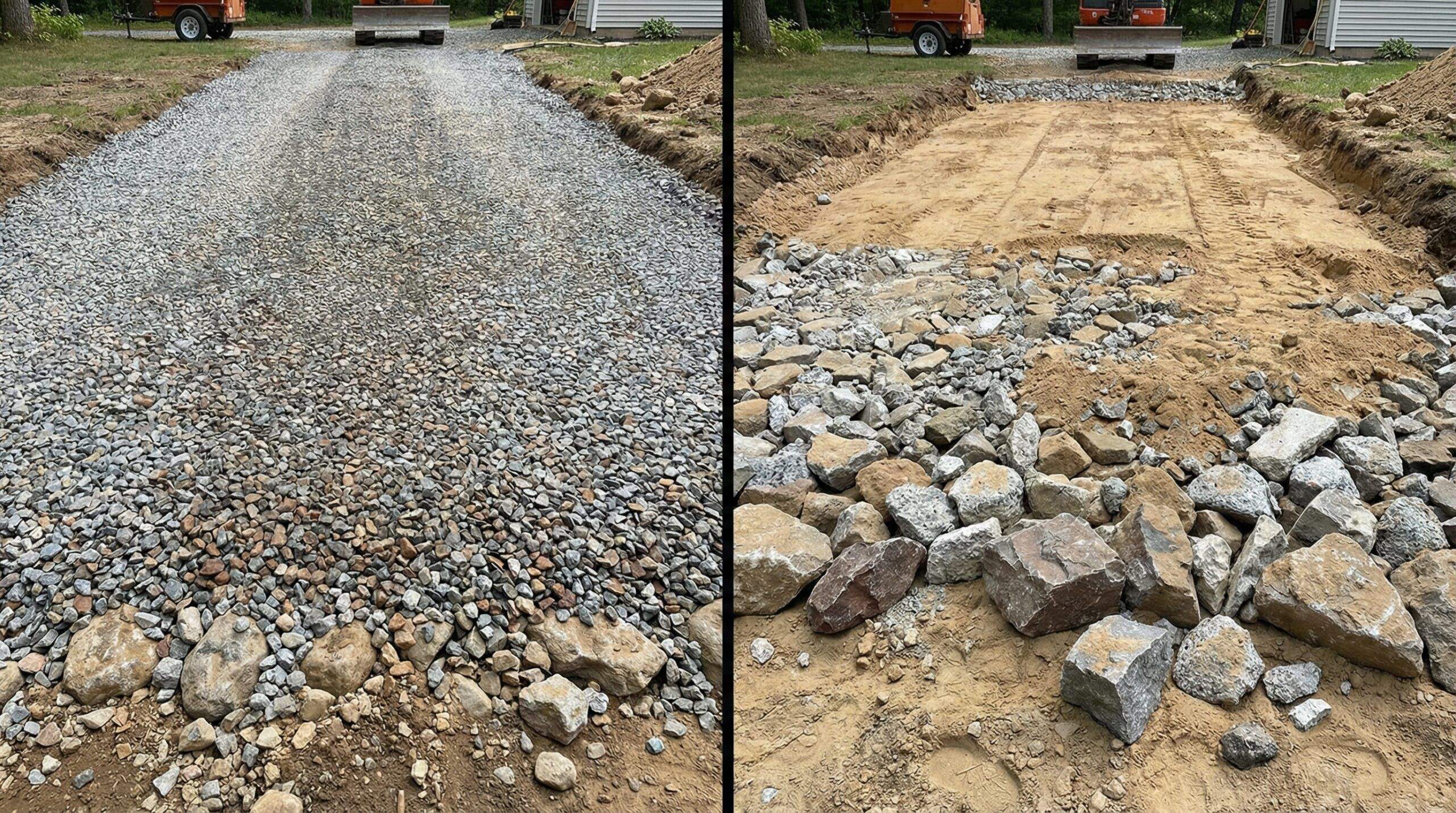
Both materials require proper installation thickness for optimal performance. Plan for 4-6 inches of compacted material for residential applications and 6-8 inches for commercial or heavy-duty use. Proper subgrade preparation and moisture control during installation are essential regardless of which material you choose.
The decision ultimately balances your budget, traffic requirements, and maintenance preferences. Gravel offers an environmentally friendly choice with good performance for lighter applications, while road base provides maximum durability for demanding conditions. Consider consulting with material suppliers to determine the best option for your specific site conditions and project goals. For projects requiring specific stone sizes, comparing options like #57 versus #67 crushed stone can help you optimize performance.
Hello Gravel can help you determine the right material and quantity for your specific needs, ensuring your project starts with the proper foundation for long-term success.
FAQ
What is the main difference between road base and gravel?
Which is better for driveways – road base or gravel?
Is road base more expensive than gravel?
Can I use gravel instead of road base for my project?
Author: