Complete Guide to Gravel Types and Sizes for Your Next Project

Published on: January 21, 2026

Get an estimate for your project in 60 seconds

This field is hidden when viewing the form
Security lock iconYour information is secure


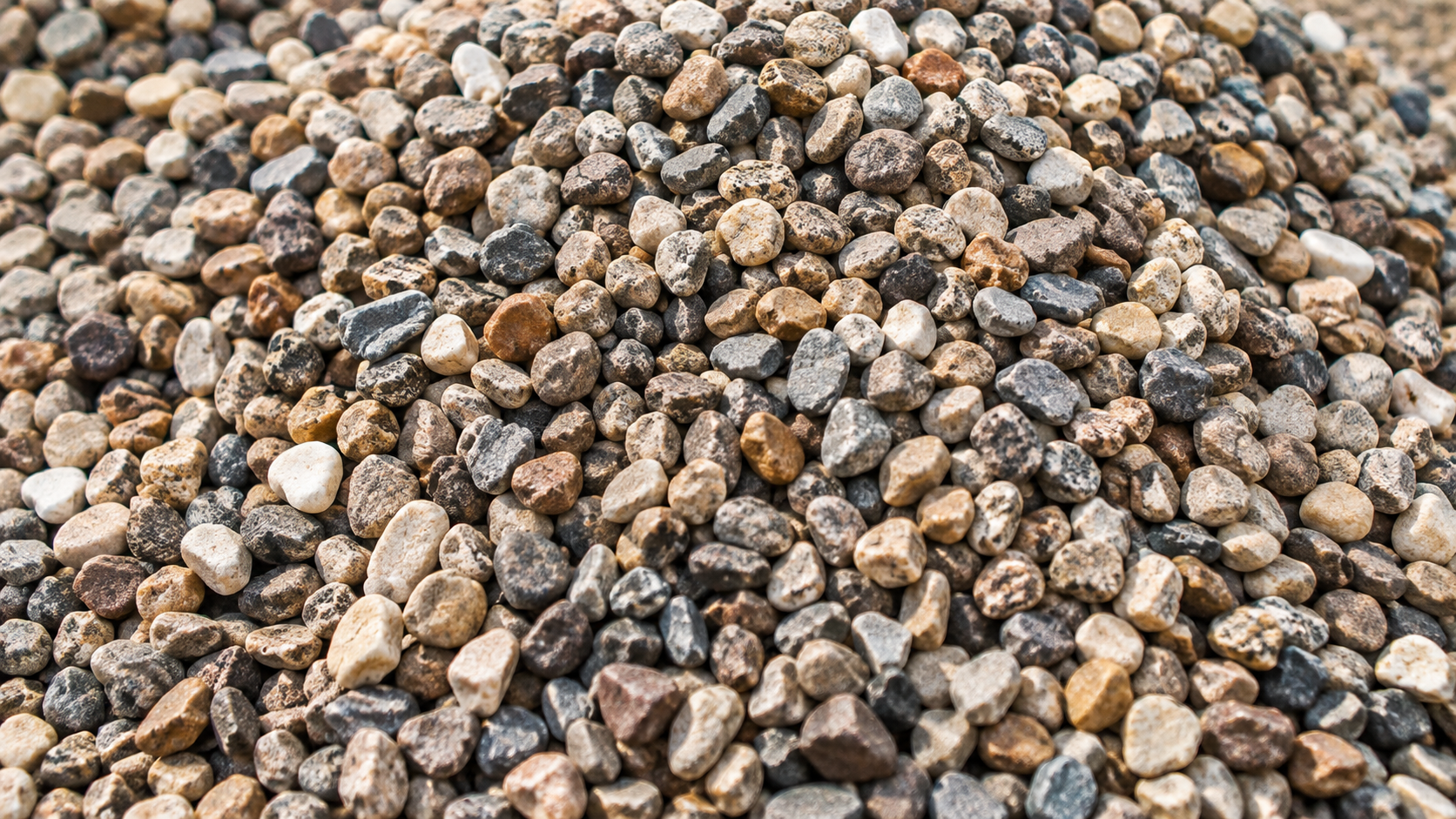
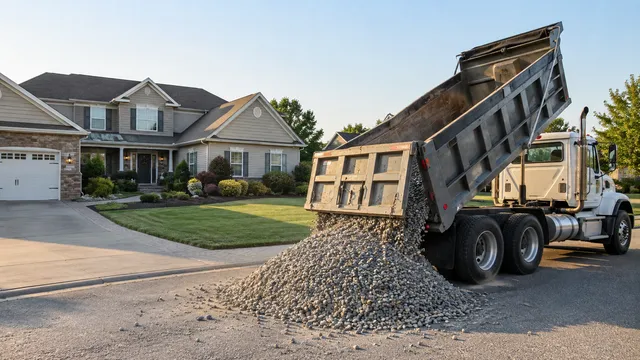
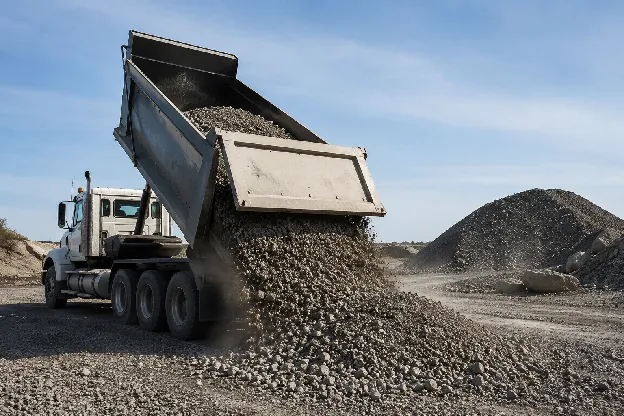
Various types of gravel displayed in organized sections showing different sizes and textures

Gravel is one of the most versatile materials you can use for construction and landscaping projects. Whether you’re planning a new driveway, creating garden pathways, or building a solid foundation, understanding the different types of gravel and their sizes will help you make the right choice for your specific needs.

From small pea gravel perfect for decorative features to large crushed stone ideal for heavy-duty applications, each type serves distinct purposes. The size of gravel particles directly affects drainage, stability, and overall performance in your project.

Quick Fact: Gravel particles range from 2mm to 75mm in diameter, with each size category offering unique benefits for different applications like walkways, driveways, and drainage systems.

This guide walks you through everything you need to know about gravel types, sizes, and how to select the perfect material for your project. You’ll discover which gravel works best for specific applications and learn practical tips for making informed decisions.

Understanding what gravel is and why it matters

Gravel consists of small rock fragments formed through natural erosion and weathering processes. These fragments are larger than sand but smaller than cobbles, creating a material that balances stability with drainage capabilities.

The composition of gravel varies depending on the source rocks. Common materials include granite, limestone, sandstone, and basalt. Each brings unique characteristics to the final product. Granite adds durability and strength, while limestone provides aesthetic appeal with its light color. Sandstone excels in water absorption and drainage, and basalt contributes dark color and angular shapes.

What makes gravel so valuable in construction and landscaping is its ability to provide excellent drainage while maintaining structural integrity. Water passes through gravel easily, preventing pooling and reducing erosion risks. This porous nature, combined with its load-bearing capacity, makes gravel essential for creating stable surfaces that can handle both foot traffic and vehicles.

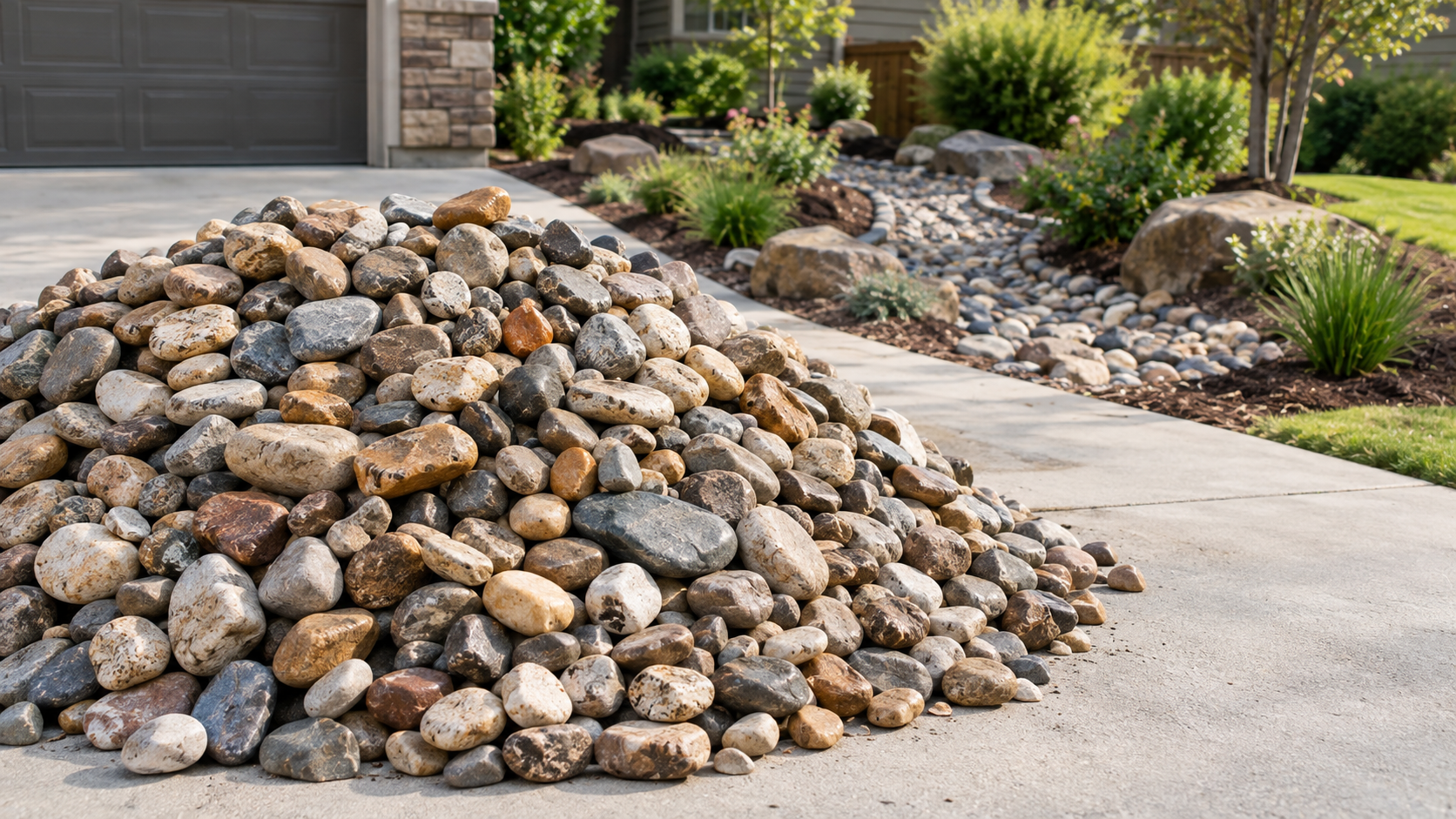
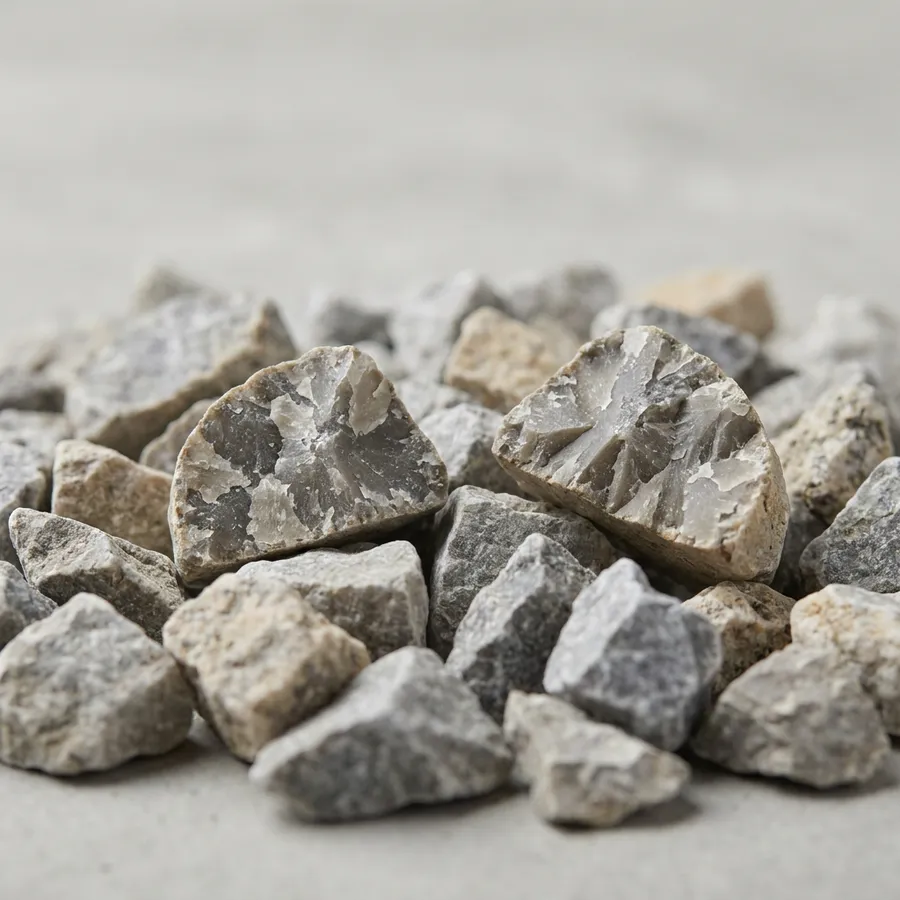
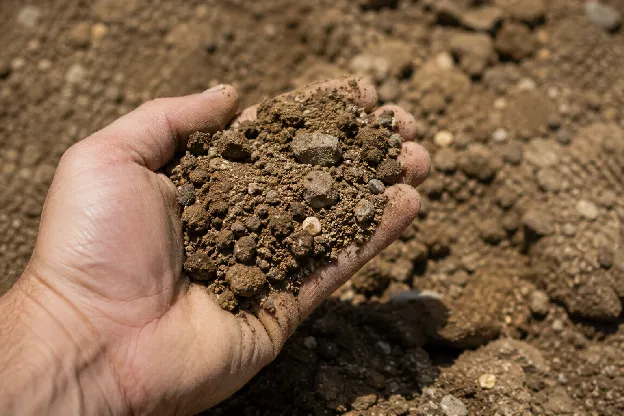
Close-up view of different rock fragments showing granite limestone sandstone composition

Popular gravel types and their best uses

Pea gravel stands out as the most popular decorative option. These small, rounded stones measure about 3/8 inch in diameter and feel smooth underfoot. You’ll find pea gravel perfect for garden pathways, patio areas, and decorative borders around plants. However, it doesn’t compact well, so avoid using it for driveways or high-traffic areas where stability is crucial. If you’re deciding between different decorative options, check out our comparison of 3/4″ gravel vs pea gravel to understand which works best for your specific application.Crushed stone gravel offers the best balance of functionality and aesthetics. Created by mechanically crushing larger rocks, it features angular shapes that interlock when compacted. This makes crushed stone ideal for driveway bases, parking areas, and road construction. The angular edges also work well for landscaping projects where you want clean, defined lines. To learn more about comparing crushed rock gravel sizes and how they’re used, explore the different numbered classifications available.River rock gravel brings natural beauty to any project. Sourced from riverbeds, these stones have smooth, rounded surfaces and come in various sizes and colors. River rock works wonderfully for water features, dry creek beds, and decorative garden areas. The smooth surface makes it less suitable for areas requiring traction or heavy traffic.

Decomposed granite gravel combines natural appearance with practical functionality. This weathered granite material resembles coarse sand and compacts well while maintaining permeability. You’ll appreciate decomposed granite for pathways, patios, and driveways where you want a natural look with good stability.

Pro Tip: Choose pea gravel for decorative areas, crushed stone for functional surfaces, river rock for aesthetic features, and decomposed granite when you need both beauty and durability.

Gravel sizes and their specific applications

Small gravel measuring 1/4 to 1/2 inch works best for surface applications. You’ll use this size for walkway top layers, patio surfaces, and areas where comfort matters. Small gravel provides stable footing while allowing efficient water drainage. It’s also perfect for creating attractive drainage ditches or dry creek beds in landscaping projects.

Medium gravel ranging from 1/2 to 1 inch serves as excellent base material. This size compacts well and supports heavier loads, making it ideal for driveway foundations, roadway bases, and pathway substructures. Popular options in this category include #57 and #67 crushed stone, which have distinct characteristics. Understanding the key differences between #57 vs. #67 crushed stone can help you select the right material for your base layer needs. In landscaping, medium gravel adds texture and visual interest as accent material around garden beds or rock gardens.

Large gravel measuring 1 to 3 inches handles heavy-duty applications. You’ll need this size for road construction, major drainage systems, and fill material for large projects. The weight and size of large gravel create solid foundations that resist shifting. In landscaping, large gravel works well for creating natural-looking dry riverbeds or as architectural elements in retaining walls.

Gravel Size Diameter Best Applications Key Benefits
Small 1/4 – 1/2 inch Walkways, patios Comfort, drainage
Medium 1/2 – 1 inch Driveway base Compaction, stability
Large 1 – 3 inches Heavy construction Load bearing, durability

Choosing the right gravel for your project

Start by identifying your project’s primary purpose. Are you creating a decorative feature, building a functional driveway, or establishing a stable foundation? Decorative projects often benefit from pea gravel or river rock, while functional applications require crushed stone or decomposed granite.

Consider your local climate and weather patterns. Areas with heavy rainfall need gravel with superior drainage properties. Regions experiencing freeze-thaw cycles require materials that can withstand expansion and contraction without breaking down. For driveway projects, you might want to explore the differences between gravel and road base to determine which provides better performance in your climate.

Think about maintenance requirements and long-term performance. Some gravel types need regular replenishment, while others maintain their appearance and function for years with minimal care. Factor in your willingness to perform ongoing maintenance when making your selection. For comprehensive information on various options, consult the ultimate guide to rock sizes to understand everything you need to know about selecting the right material.

Planning Tip: Match gravel size to traffic levels – use small gravel for light foot traffic, medium for regular vehicle use, and large for heavy-duty applications requiring maximum stability.

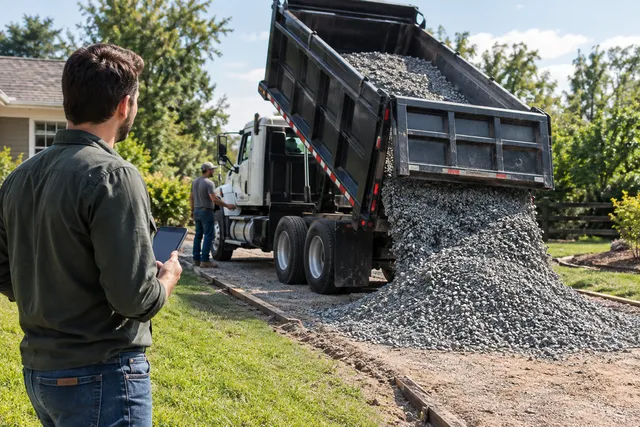
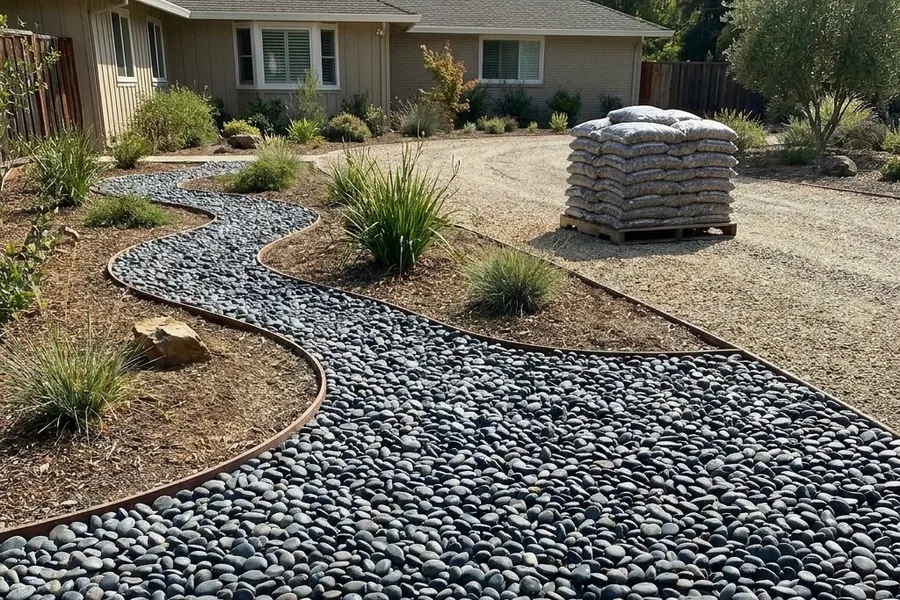
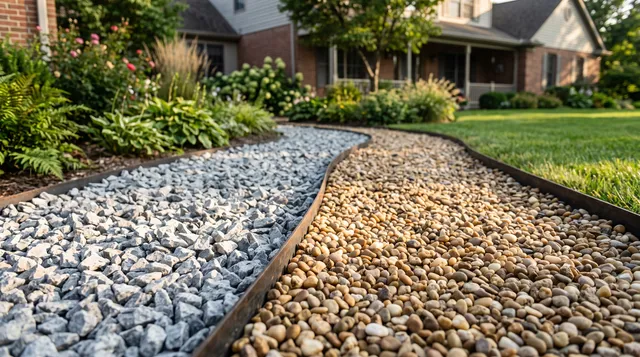
Side by side comparison showing different gravel applications including driveway pathway and garden border

Budget considerations also play a role in gravel selection. While premium options like river rock cost more initially, they may provide better long-term value in the right applications. Basic crushed stone offers excellent performance at lower cost for functional projects.

Aesthetic compatibility with your existing landscape matters too. Choose colors and textures that complement your home’s architecture and surrounding plants. Neutral tones work well with most designs, while bold colors can create striking focal points.

Understanding gravel types and sizes empowers you to make confident decisions for your construction or landscaping project. Whether you need the decorative appeal of pea gravel, the functionality of crushed stone, the natural beauty of river rock, or the versatility of decomposed granite, selecting the right material ensures your project’s success. Consider your specific needs, local conditions, and long-term goals to choose gravel that delivers both performance and visual appeal for years to come.

FAQ

What are the main types of gravel and their best uses?

The main types include pea gravel (3/8 inch rounded stones perfect for decorative pathways and garden borders), crushed stone (angular fragments ideal for driveway bases and high-traffic areas), river rock (smooth stones excellent for water features and landscaping), and decomposed granite (weathered granite that compacts well for natural-looking pathways and patios).

How do I choose the right gravel size for my project?

Choose small gravel (1/4 to 1/2 inch) for walkways and surface applications, medium gravel (1/2 to 1 inch) for driveway bases and foundations, and large gravel (1 to 3 inches) for heavy-duty construction and major drainage systems. Match the size to your traffic levels and load requirements for optimal performance.

What factors should I consider when selecting gravel?

Consider your project’s primary purpose (decorative vs. functional), local climate and drainage needs, traffic levels, maintenance requirements, budget constraints, and aesthetic compatibility with your existing landscape. Areas with heavy rainfall need superior drainage properties, while freeze-thaw regions require durable materials.

What is the difference between crushed stone and natural gravel?

Crushed stone features angular shapes from mechanical crushing that interlock when compacted, making it ideal for bases and high-traffic areas. Natural gravel has rounded edges from erosion and provides excellent drainage but doesn’t compact as well, making it better suited for decorative applications and areas where drainage is the priority.

Author: