Can You Use Sand as a Base for a Basketball Court? What to Use Instead
Published on: December 12, 2025
Get an estimate for your project in 60 seconds

Building a basketball court in your backyard or community space requires careful planning, especially when choosing the right base material. You might wonder if sand could work as an affordable foundation option for your court project.
Sand alone should not be used as the primary base for a basketball court. While sand offers excellent drainage, it lacks the stability needed for a durable playing surface. The best approach is using compacted crushed stone as your base layer, topped with concrete or asphalt for the actual court surface.
Quick fact: Most professional court installers recommend a 4-6 inch compacted aggregate base under concrete or asphalt slabs for optimal stability and drainage.
For portable basketball hoops, however, sand works perfectly as a base filler and is often preferred over water for its weight and freeze resistance.
Why your basketball court base matters so much
The foundation of your basketball court directly impacts everything from player safety to long-term maintenance costs. Think of it like building a house – you wouldn’t put your foundation on shifting sand, and the same principle applies to basketball courts.
A proper base provides structural stability that prevents cracking, settling, and uneven surfaces that could cause injuries. When players make quick cuts or land from jumps, they need a consistent, level surface that won’t shift under pressure.
Your base also manages water drainage around the court. Poor drainage leads to puddles, ice formation in winter, and eventual damage to your court surface. A well-designed base system channels water away from the playing area while maintaining structural integrity.

The problem with using sand as your main base
Sand might seem like an attractive option because it’s inexpensive and drains water quickly. However, these apparent benefits come with significant drawbacks that make sand unsuitable as a primary court base.
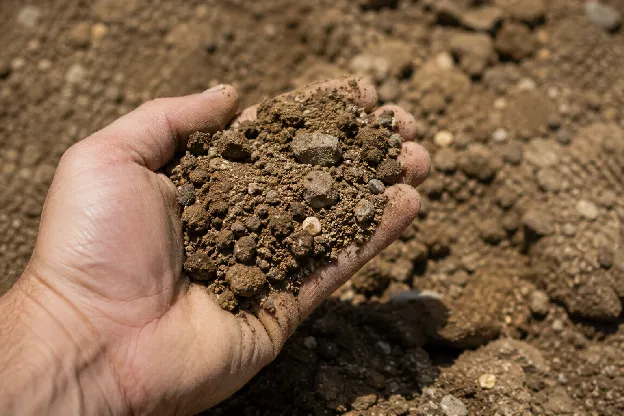
The biggest issue is stability. Sand particles don’t lock together like crushed stone, which means your base will shift and settle over time. This movement creates dips, high spots, and uneven areas that affect ball bounce and player safety.
Weather makes these problems worse. Heavy rain can wash sand away from your court edges, while freeze-thaw cycles cause sand to move and lose its supporting capacity. You’ll find yourself constantly releveling and adding more material.
Important consideration: In areas with freeze-thaw cycles, saturated sand can expand and contract, leading to significant surface movement and potential safety hazards.
Sand also lacks the load-bearing capacity needed for heavy use. While it might work initially, repeated play will cause rutting and depressions that require expensive repairs. If you’re considering sand for other outdoor projects, you might want to explore using sand as a base for playground equipment or sand for a fire pit area where stability requirements are different.
Better base materials for lasting courts
Instead of sand, focus on proven base materials that provide the stability and durability your court needs. These options cost more upfront but save money and frustration over the long term.
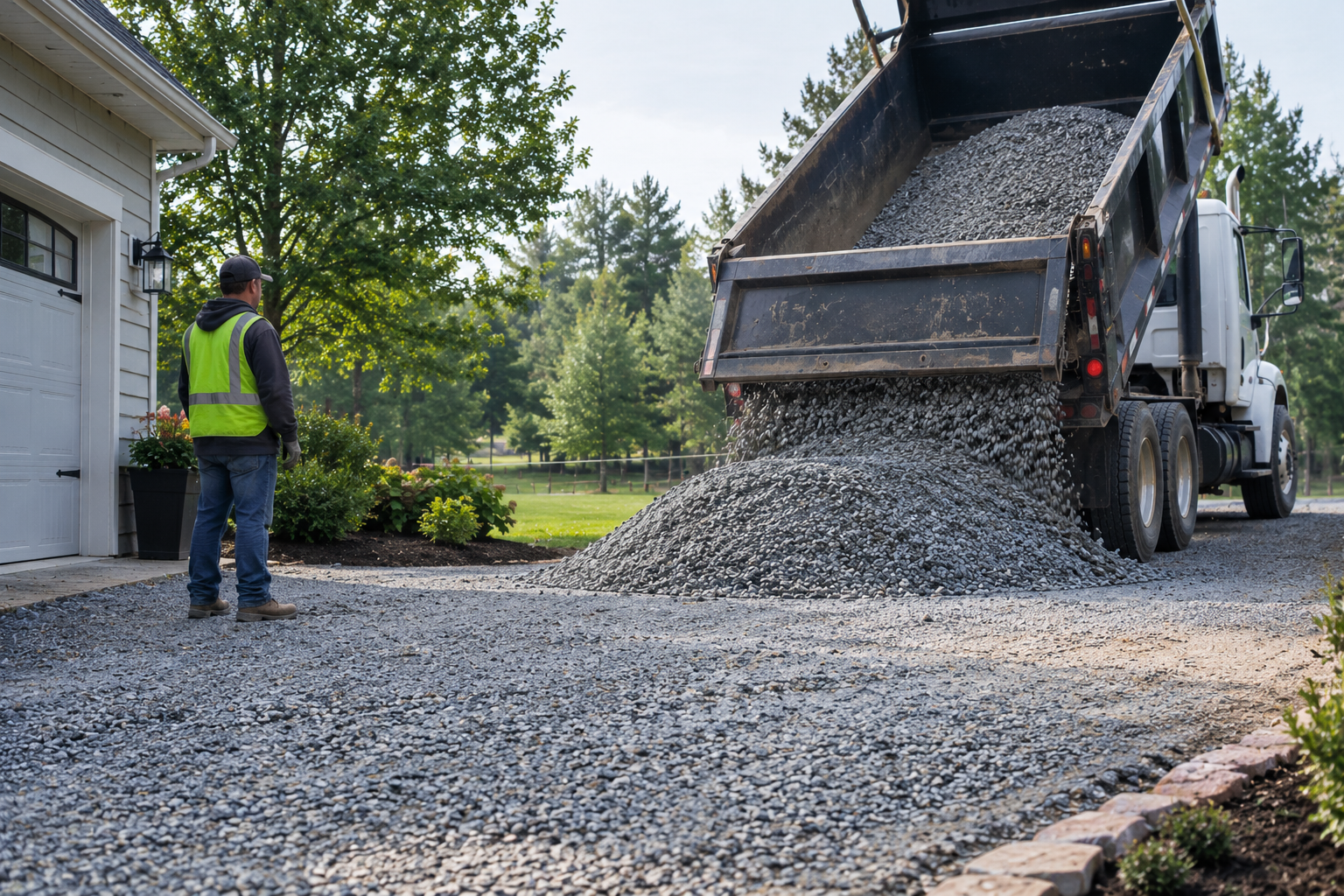
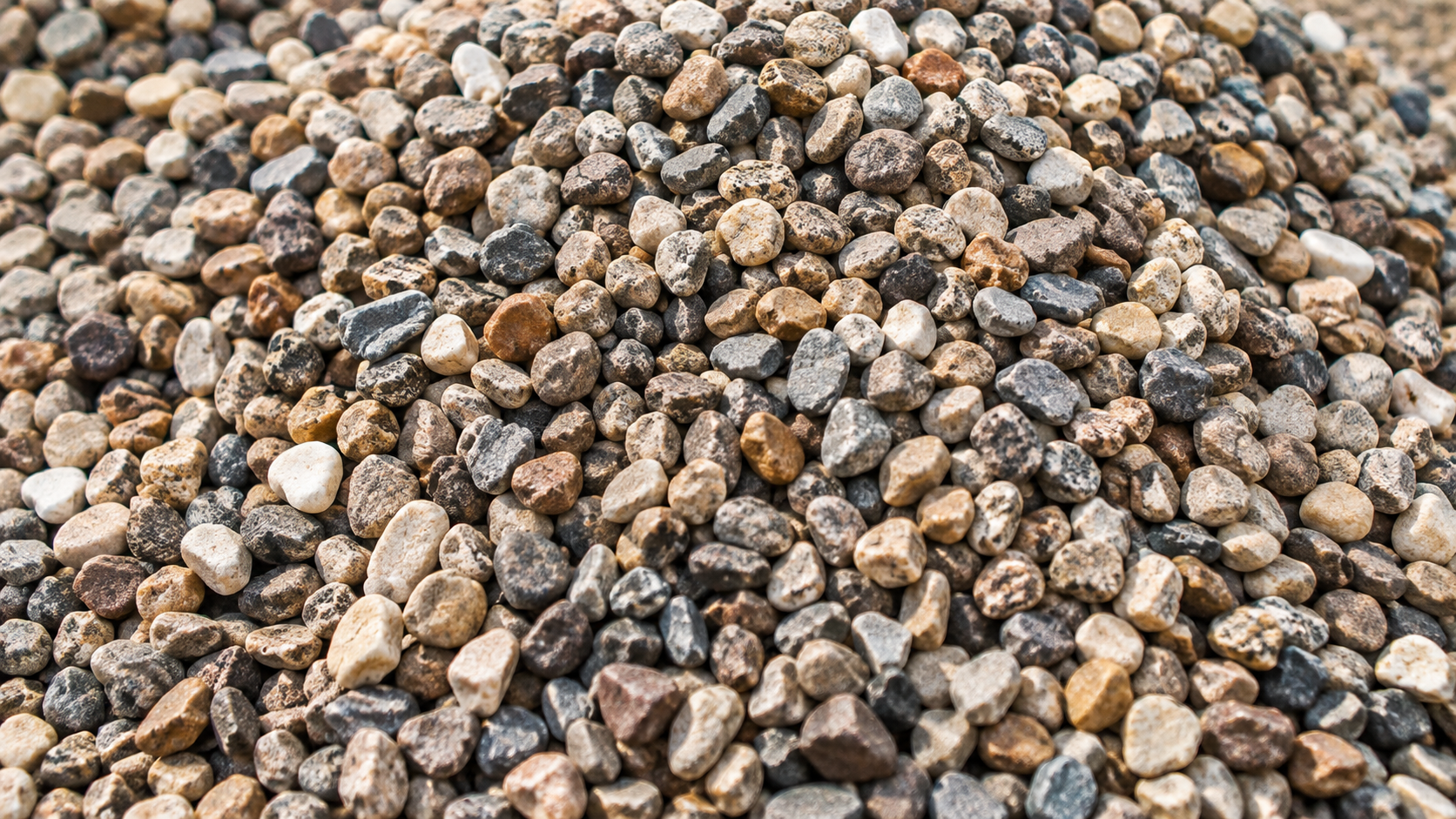
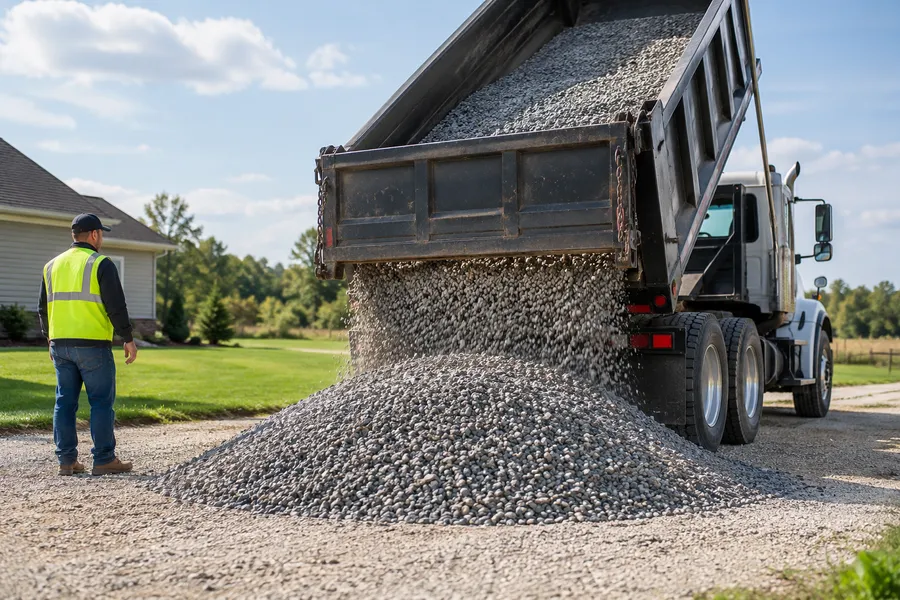
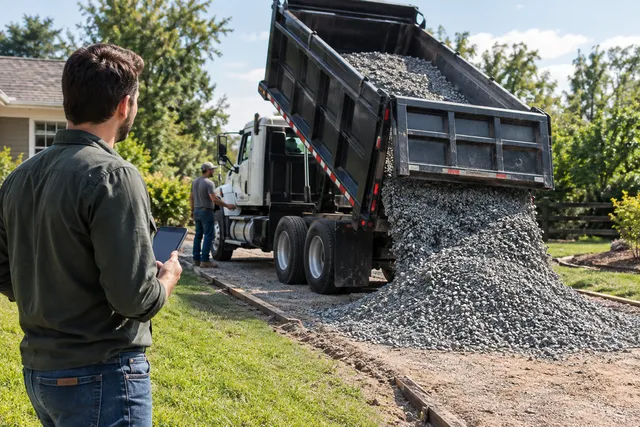
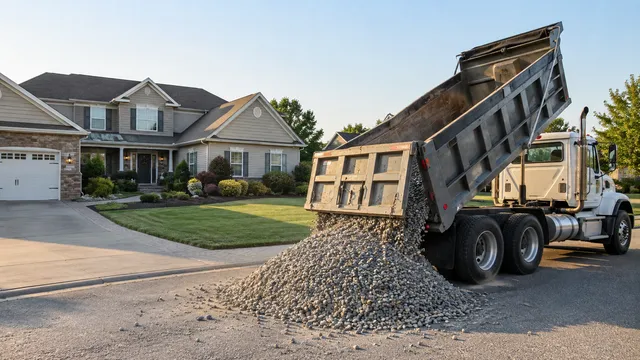
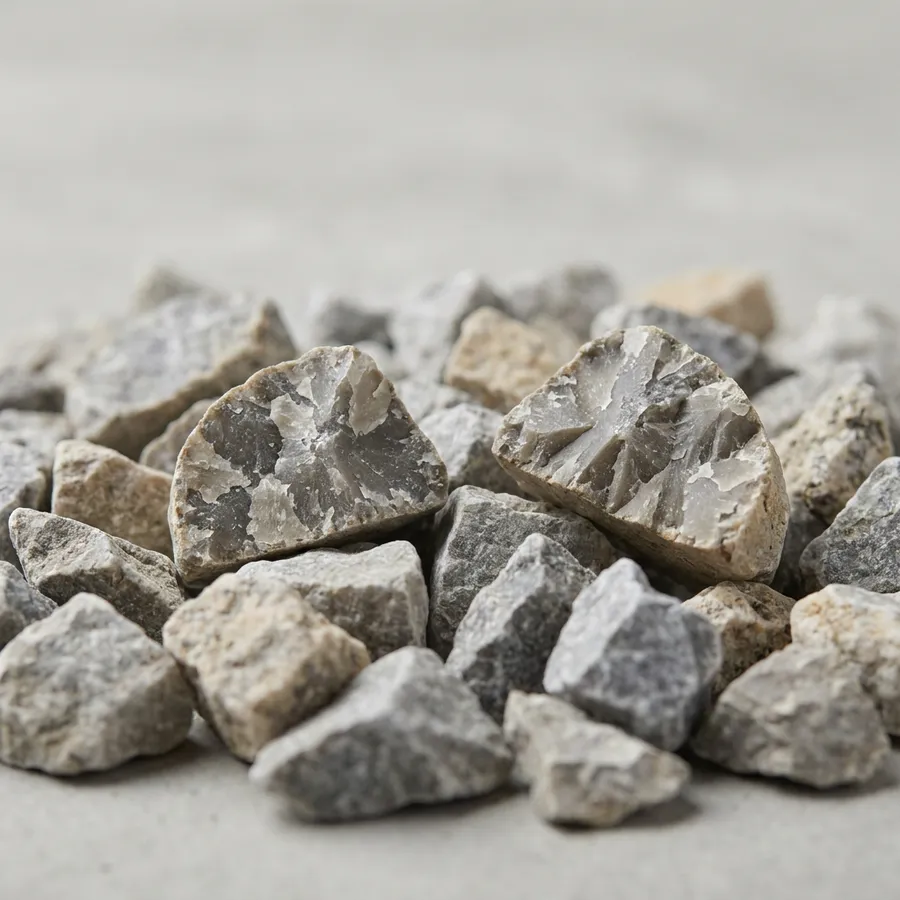
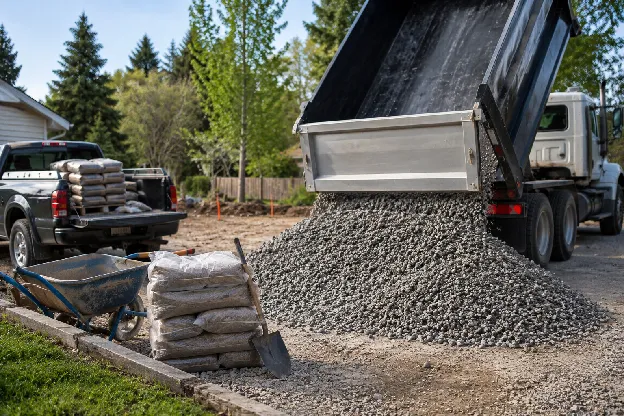
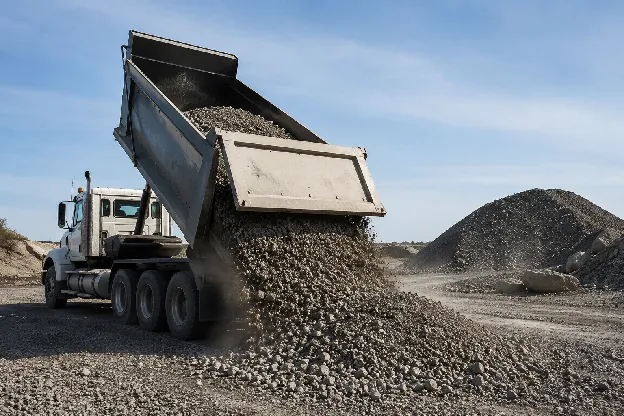
Compacted crushed stone forms the gold standard for basketball court bases. This material locks together when properly compacted, creating a stable platform that resists movement and provides excellent drainage. Most contractors use a 4-6 inch layer of crushed stone as the foundation for any permanent court. Using coarse aggregate for a basketball court base provides similar benefits with excellent compaction characteristics.
Concrete slabs offer the most durable option for serious players. A properly poured concrete base can last 20+ years with minimal maintenance. The smooth, consistent surface provides excellent ball bounce and player traction, making it ideal for competitive play.
Asphalt bases provide a cost-effective middle ground between concrete and basic materials. Asphalt offers good stability and performance at roughly 60-70% of concrete’s cost. While it requires more maintenance than concrete, a quality asphalt court can serve your family for many years.
For enhanced performance, many homeowners choose engineered court surfaces like acrylic or rubber systems installed over concrete or asphalt bases. These surfaces provide better shock absorption and traction while maintaining the stability of a proper base.
| Base Type | Cost Level | Stability | Lifespan | Best For |
|---|---|---|---|---|
| Sand Only | Low | Poor | 1-2 years | Not recommended |
| Compacted Stone + Concrete | High | Excellent | 20+ years | Serious players |
| Compacted Stone + Asphalt | Medium | Good | 10-15 years | Family courts |
| Engineered Systems | High | Excellent | 15-20 years | Multi-sport use |
When sand does work for basketball
While sand fails as a primary court base, it excels in specific basketball-related applications. Understanding these appropriate uses helps you make informed decisions about your project.
For portable basketball hoops, sand serves as an excellent base filler. Most portable systems require 200-400 pounds of ballast in their base, and sand provides several advantages over water. It won’t freeze in winter, doesn’t leak if the base cracks, and provides more stable weight distribution.
When filling a portable hoop base with sand, you’ll typically need 8-16 bags of 50-pound play sand, depending on your system’s capacity. Always check your manufacturer’s specifications for exact requirements and maximum safe fill weights. For more details on this specific application, check out our guide on using sand as a base for a flagpole, which shares similar principles.
Pro tip: Use dry play sand rather than construction sand for portable hoops, as it flows better and contains fewer impurities that could damage your base over time.
Sand can also serve as a thin leveling layer in some court construction projects. Professional installers sometimes use 0.5-1 inch of sand over compacted stone to create a perfectly smooth surface before laying pavers or certain tile systems. However, this application requires specific engineering specifications and isn’t suitable for DIY projects.

Hello Gravel provides the aggregate materials you need for a proper basketball court foundation. Our crushed stone products offer the stability and drainage characteristics that professional court builders rely on. Whether you’re planning a simple backyard court or a community facility, our team can help you select the right base materials for your specific project requirements and local conditions. We also offer materials for related projects like bocce ball court surfaces and outdoor exercise area ground cover.
Ready to build a court that will last for years? Contact our aggregate specialists to discuss your project and get a customized material recommendation based on your court size, intended use, and local climate factors.
FAQ
Can sand be used as the primary base for a basketball court?
What is the best base material for an outdoor basketball court?
Should I use sand or water in my portable basketball hoop base?
How many bags of sand do I need for a basketball hoop base?
Author: igor