Best Aggregates for Gardening Gravel, Sand & More for Healthy Soil
Published on: January 16, 2026
Get an estimate for your project in 60 seconds
 Your information is secure
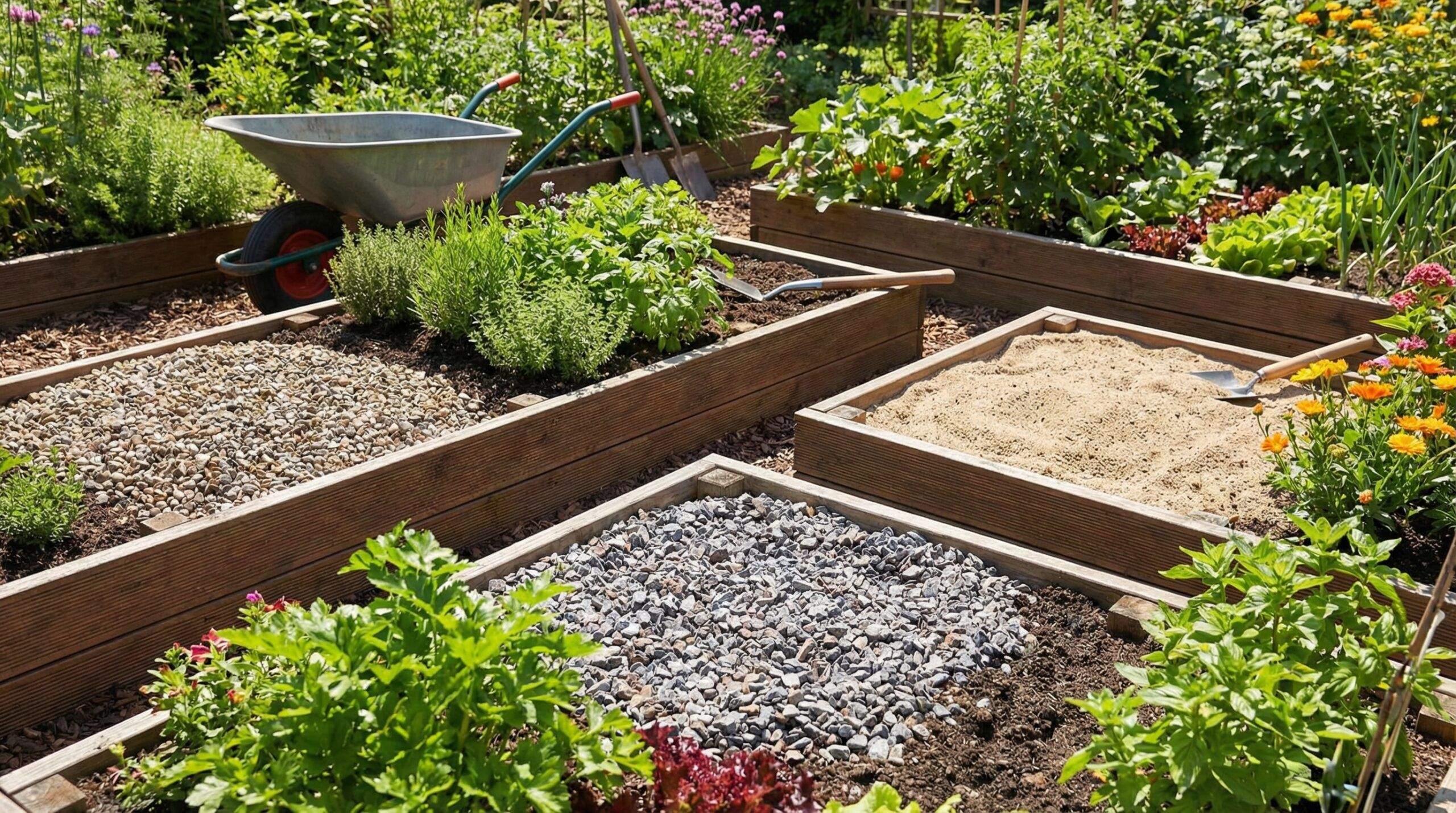
Your garden’s success depends on more than just the plants you choose. The foundation beneath them plays a crucial role in determining whether your plants thrive or struggle. Soil aggregates are the secret ingredient that many gardeners overlook, yet they can transform your garden’s health and productivity.
Aggregates are materials like gravel, sand, and crushed stone that improve soil structure, drainage, and nutrient availability. Think of them as the building blocks that create the perfect environment for your plants’ roots to flourish. When you understand how to use these materials effectively, you’ll see dramatic improvements in plant growth and soil quality.
Quick Answer: The best aggregates for gardening include gravel for drainage, sand for clay soil improvement, crushed stone for alkaline-loving plants, and decomposed granite for pathways. Your choice depends on your soil type, plant needs, and climate conditions.
What are soil aggregates and why do they matter
Soil aggregates are clusters of soil particles bound together by organic matter, minerals, or other binding agents. When individual particles of sand, silt, and clay combine, they create these larger structures that fundamentally change how your soil behaves.
These clusters create pore spaces throughout your soil, which serve as highways for air, water, and nutrients. Without proper aggregation, your soil becomes either too compacted (preventing root growth) or too loose (allowing nutrients to wash away). The right balance creates an environment where plants can establish strong root systems and access everything they need to grow.
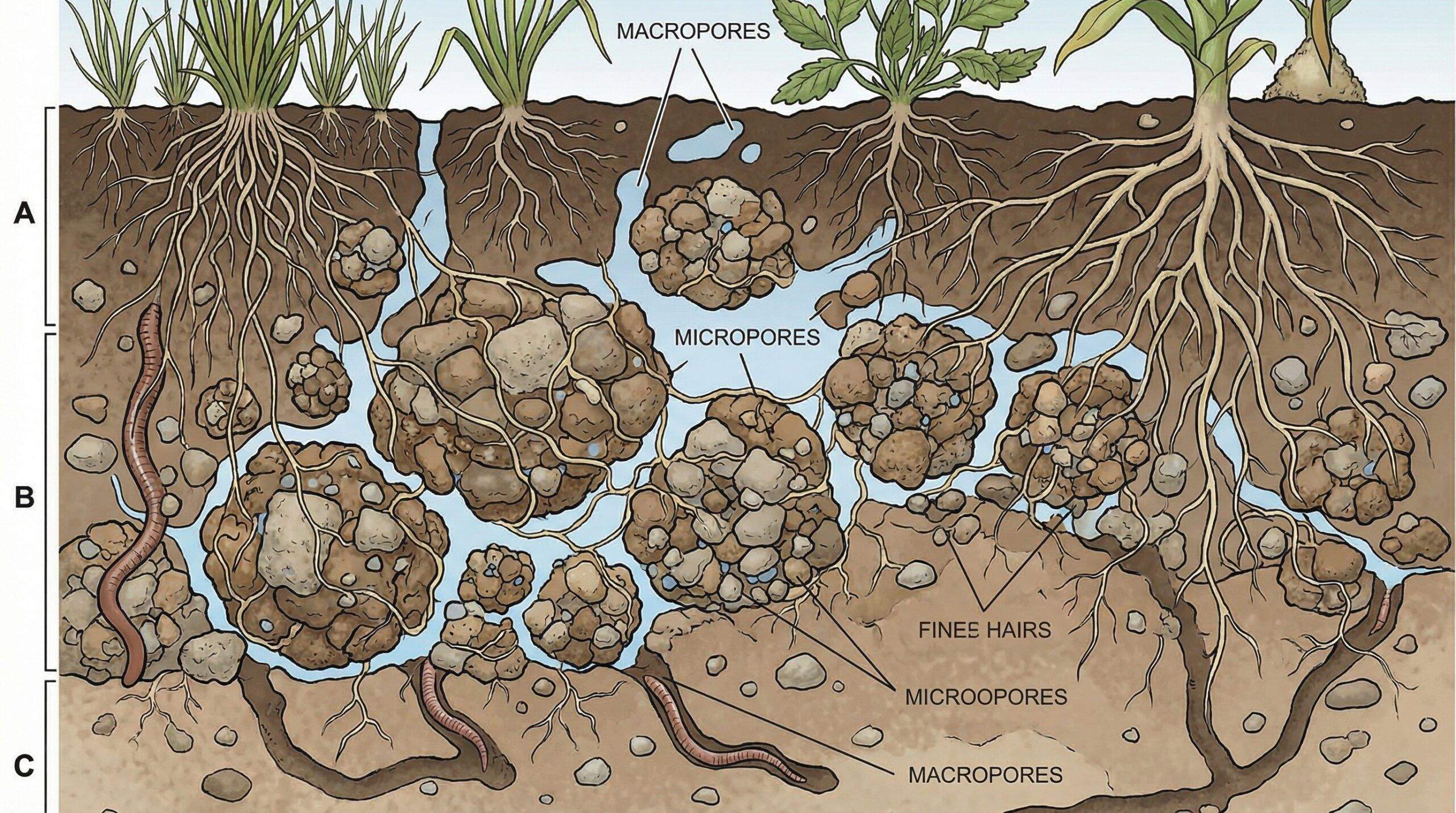
Healthy soil aggregates also act as storage units for nutrients and water. During dry periods, plants can access moisture held within these structures. When it rains, the pore spaces prevent waterlogging while allowing excess water to drain away. This natural regulation system is what separates thriving gardens from struggling ones.
Types of aggregates and their specific benefits
Different aggregates serve different purposes in your garden, and understanding their unique properties helps you make the right choice for your specific situation.
Gravel works exceptionally well for improving drainage in heavy soils. Its coarse texture creates large pore spaces that allow water to move freely, making it perfect for plants that hate wet feet. You’ll find gravel particularly useful around Mediterranean plants, succulents, and in areas prone to waterlogging. For specialized drainage applications, consider exploring drainage rock options for optimal water management.
Sand improves soil texture and drainage, especially in clay-heavy soils. However, you need to use it carefully. Adding too much sand can create a concrete-like mixture, so always combine it with organic matter. Fine sand works best for improving soil structure, while coarser sand provides better drainage.
Crushed stone naturally raises soil pH, making it ideal for plants that prefer alkaline conditions. It also provides excellent drainage and adds visual appeal to rock gardens. The angular edges of crushed stone lock together, creating stable pathways and preventing erosion on slopes.
| Aggregate Type | Best For | Primary Benefit | Ideal Plants |
|---|---|---|---|
| Gravel | Heavy clay soils | Drainage improvement | Succulents, herbs |
| Sand | Soil texture | Structure enhancement | Vegetables, perennials |
| Crushed stone | Alkaline lovers | pH adjustment | Lavender, rosemary |
| Decomposed granite | Pathways | Compaction resistance | Ground covers |
Pro Tip: Always test your soil pH before adding crushed stone aggregates, as they can significantly raise alkalinity levels over time.
How to choose the right aggregate for your garden
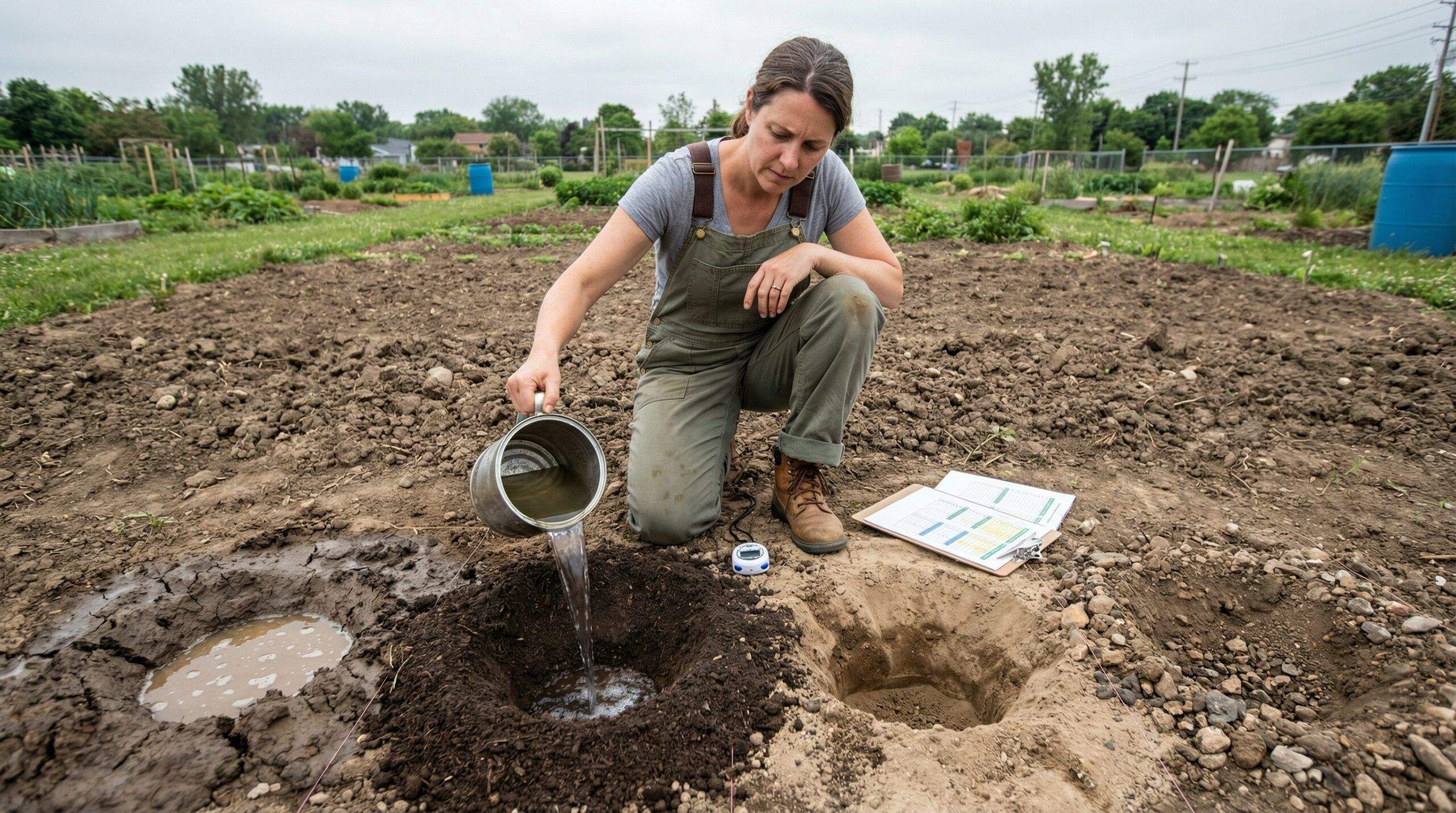
Selecting the perfect aggregate starts with understanding your current soil conditions and your plants’ specific needs. Walk through your garden and observe how water behaves after rainfall or watering. Does it pool on the surface? Does it drain away too quickly? These observations guide your aggregate choice.
For clay soils that retain too much water, coarse aggregates like gravel or larger crushed stone provide the drainage relief your plants need. Sandy soils that drain too quickly benefit from finer aggregates that help retain moisture while still improving structure.
Consider your plants’ preferences as well. Acid-loving plants like blueberries and azaleas perform poorly with limestone-based aggregates that raise pH. These plants thrive with neutral aggregates like river rock or decomposed granite. Conversely, plants that prefer alkaline conditions welcome the pH boost from crushed limestone or marble chips for landscaping.
Climate plays a significant role too. In areas with heavy rainfall, focus on aggregates that prevent erosion and improve drainage. In dry climates, choose materials that help retain moisture while still providing adequate drainage during occasional heavy rains. If you’re looking for sustainable solutions, aggregates for rainwater harvesting can help you manage water more effectively.
Best practices for applying aggregates effectively
Proper application makes the difference between aggregates that help and those that harm your garden. Start by incorporating aggregates gradually into your existing soil rather than creating distinct layers. Layering can actually impede drainage by creating barriers that water cannot easily cross.
When mixing aggregates into garden beds, aim for about 20-30% aggregate content by volume. This ratio provides benefits without overwhelming your soil’s natural structure. Work the aggregates into the top 6-8 inches of soil where most root activity occurs. For base applications, understanding washed aggregate properties can help you select the cleanest materials for your garden.
Timing matters too. Apply aggregates during dry conditions when you can work the soil without compacting it. Wet soil becomes damaged when worked, undoing the benefits you’re trying to create. Fall application works well because winter weather helps integrate the materials naturally.
Important: Never add aggregates to waterlogged soil, as this can create anaerobic conditions that harm plant roots and beneficial soil organisms.
Regular maintenance keeps your aggregates working effectively. Over time, organic matter breaks down and aggregates can become displaced. Annual top-dressing with fresh organic matter helps maintain the binding agents that keep aggregates stable. In high-traffic areas or regions with heavy rainfall, you may need to replenish aggregates every few years.
Monitor your plants’ response to aggregate additions. Healthy plants with vigorous growth indicate successful aggregate use. If plants show signs of stress, such as yellowing leaves or poor growth, reassess your aggregate choice and application rate. Sometimes less is more when it comes to soil amendments. For pet owners creating garden spaces, consider aggregates for pet-friendly landscapes that ensure both plant health and animal safety.
The key to successful aggregate use lies in understanding that these materials work best as part of a balanced soil ecosystem. When combined with proper organic matter content, appropriate pH levels, and good drainage, aggregates create the foundation for a thriving garden that supports healthy plant growth for years to come.
FAQ
What are the best types of aggregates for improving garden soil?
Which aggregate provides the best drainage for clay soil?
How much aggregate should I add to my garden soil?
Can aggregates change soil pH and affect plant growth?
Author: