Best Pet-Friendly Aggregates for Safe and Comfortable Dog Yards
Published on: January 19, 2026
Get an estimate for your project in 60 seconds
 Your information is secure
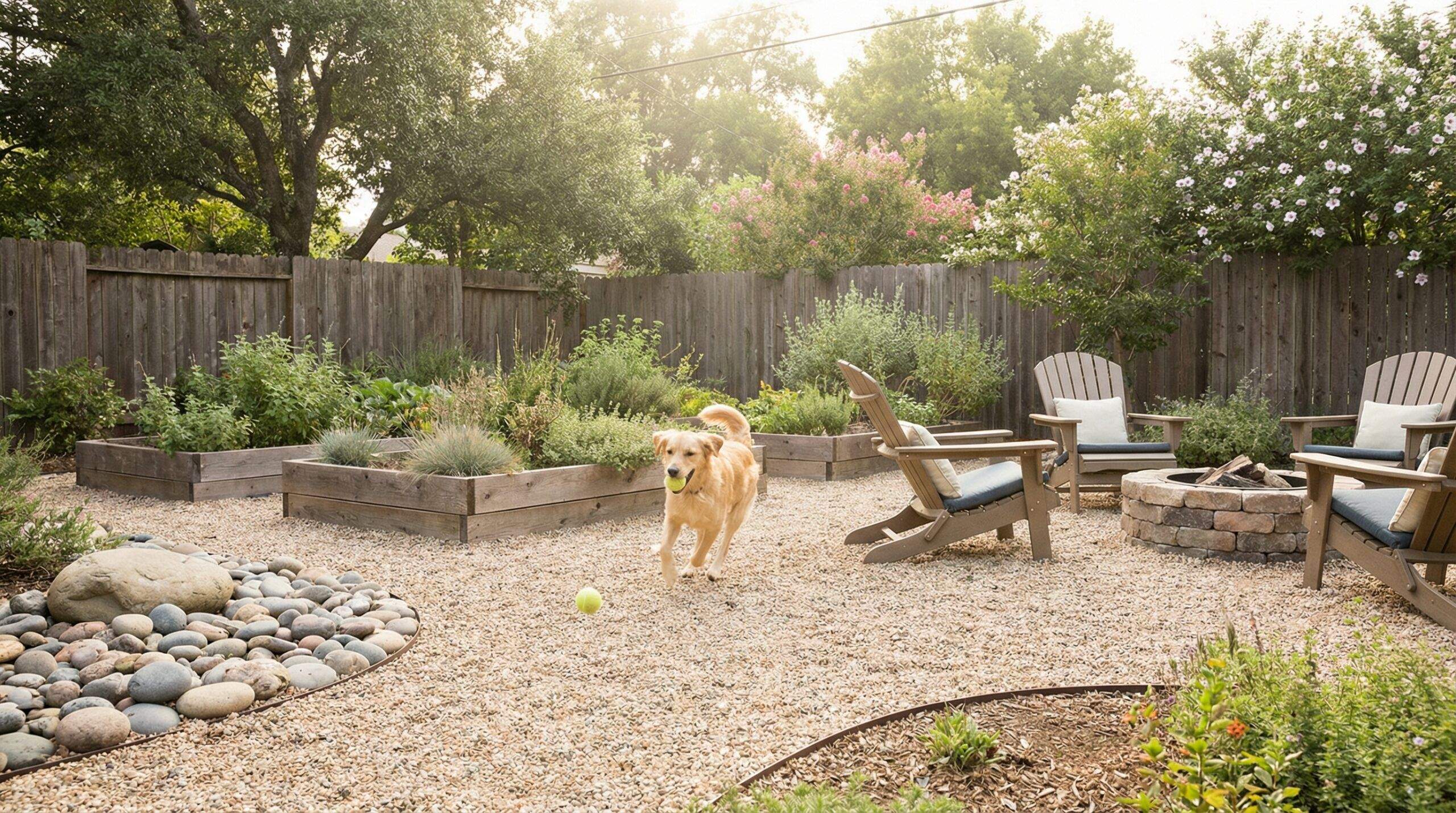
Want a yard your dog loves without the mud and mess? Pet-friendly aggregates offer the perfect solution for creating comfortable, safe outdoor spaces that both you and your furry friends will enjoy. These materials provide excellent drainage, prevent muddy paws, and create durable surfaces that withstand heavy pet traffic.
Quick Answer: Pea gravel (3/8 inch), decomposed granite, and river rock are the top pet-safe aggregates. They’re comfortable on paws, provide excellent drainage, and resist digging while maintaining easy cleanup.
The right aggregate choice transforms your yard into a low-maintenance haven where dogs can play safely while you enjoy a beautiful landscape. Let’s explore the best options and how to choose the perfect material for your pet’s needs.
Why aggregates matter for pet-friendly yards
Traditional grass lawns often become muddy disasters when dogs play, especially during rainy seasons. Aggregates solve this problem by creating stable, well-draining surfaces that stay clean and comfortable year-round.
These materials offer several key advantages for pet owners. They prevent water pooling that leads to muddy conditions, resist digging attempts better than soil, and provide easy cleanup when accidents happen. Unlike concrete or pavement, quality aggregates stay cool underfoot during hot weather, protecting sensitive paw pads.
The durability factor cannot be overstated. Dogs running, playing, and exploring create significant wear on outdoor surfaces. Properly installed aggregates handle this traffic while maintaining their appearance and functionality for years.
Pro Tip: Light-colored aggregates reflect heat better than dark materials, keeping surface temperatures comfortable for pets during summer months.
Top pet-safe aggregate types
Pea gravel stands out as the most popular choice among pet owners. These small, rounded stones (typically 3/8 inch) feel comfortable under paws while providing excellent drainage. The smooth edges prevent cuts or scrapes, and the size makes digging difficult for most dogs.
Decomposed granite offers a more natural appearance with excellent compaction properties. This weathered granite material creates a stable surface that binds together well, reducing loose stones that might cause issues. It’s particularly effective for high-traffic areas like pathways and play zones.
River rock provides an attractive option for decorative areas. These naturally polished stones come in various sizes and colors, allowing you to create visually appealing landscapes. Choose smaller sizes (1-2 inches) for areas where pets walk regularly.
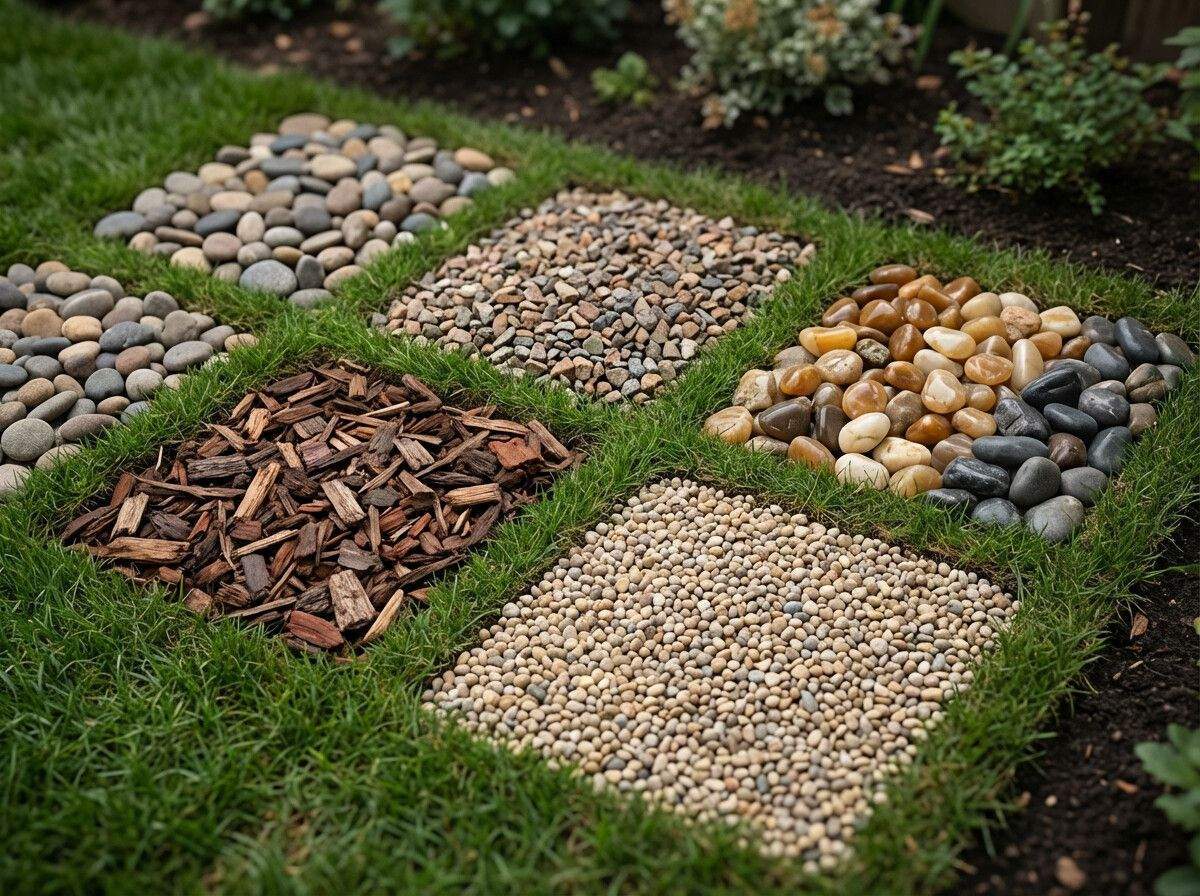
| Aggregate Type | Size | Comfort Level | Drainage | Best Use |
|---|---|---|---|---|
| Pea Gravel | 3/8 inch | High | Excellent | Play areas, paths |
| Decomposed Granite | Fine mix | High | Good | High-traffic zones |
| River Rock | 1-2 inch | Medium | Excellent | Decorative areas |
| Crushed Stone | 3/4 inch | Medium | Good | Utility areas |
Installation and design considerations
Proper installation ensures your pet-friendly aggregate surface performs well long-term. Start with excavating the area to about 3-4 inches deep, then install landscape fabric to prevent weeds while allowing drainage.
Create a slight slope away from structures to encourage water runoff. This prevents pooling that could create muddy conditions or ice hazards in winter. Understanding drainage rock benefits for driveways can help you apply similar principles to your pet yard design. For play areas, consider adding a border material like stone edging to contain the aggregates and create defined spaces.
Design your layout with your pet’s behavior in mind. Dogs often create worn paths between favorite spots, so plan pathways accordingly. Include shaded areas where pets can rest comfortably, and ensure easy access to water sources. If you’re considering volcanic rock as a base for a dog run area, you’ll find it offers excellent drainage and durability.
Safety Note: Avoid aggregates smaller than 1/4 inch, as these can stick to paws and cause discomfort. Also skip any materials with sharp edges or toxic components.
Maintenance and safety tips
Keeping your aggregate surfaces pet-friendly requires minimal but consistent maintenance. Remove pet waste promptly to prevent odors and maintain hygiene. A simple rake or leaf blower handles most debris removal effectively.Rinse areas occasionally with a garden hose to refresh the surface and remove accumulated dirt. For stubborn odors, use pet-safe cleaning solutions rather than harsh chemicals that might harm your furry friends. Using washed aggregate can make cleaning even easier since these materials are pre-cleaned and free of dust and debris.
 Inspect the area regularly for any loose stones that might have shifted or areas where aggregates have thinned. Top-dress these spots as needed to maintain consistent coverage and comfort. For gardening areas adjacent to your pet yard, explore the best types of aggregates for gardening to create cohesive outdoor spaces.Watch for signs that your pet is eating the stones, which can indicate boredom or nutritional deficiencies. If this behavior occurs, consult your veterinarian and consider alternative materials or additional enrichment activities. When selecting materials, understanding the difference between minus gravel vs. screened gravel can help you choose options that are less likely to cause issues.
Creating a pet-friendly landscape with the right aggregates gives you a beautiful, functional outdoor space that both you and your dogs will love. These materials provide the perfect balance of comfort, safety, and low maintenance that busy pet owners need. Whether you choose pea gravel for its comfort, decomposed granite for its stability, or river rock for its beauty, you’re investing in years of enjoyable outdoor time with your furry companions.
FAQ
What is the best aggregate for a dog yard?
Are pea gravel and decomposed granite safe for dogs?
What aggregates should I avoid in pet areas?
How do I maintain pet-friendly aggregate surfaces?
Author: