Best Arizona Rock and Gravel for Landscaping Your Desert Yard
Get an estimate for your project in 60 seconds
 Your information is secure

Arizona’s desert climate creates unique opportunities for stunning rock and gravel landscaping that thrives in extreme heat while requiring minimal water. You can transform your outdoor space into a beautiful, low-maintenance oasis by choosing the right materials that complement the natural desert environment.
Quick Answer: The best Arizona landscaping rocks include decomposed granite for pathways, river rock for decorative features, pea gravel for ground cover, and lava rock for xeriscaping. Each offers heat resistance and excellent drainage perfect for desert conditions.
Whether you’re designing a rock garden, creating pathways, or replacing water-hungry grass, understanding your options helps you make smart choices that save time, money, and water while creating outdoor spaces that look amazing year-round.
Understanding Arizona’s unique landscaping advantages
Arizona’s intense heat and limited rainfall actually work in your favor when landscaping with rock and gravel. These materials excel in desert conditions where traditional grass struggles, offering you a practical solution that looks natural and sophisticated.
Rock and gravel landscaping requires virtually no watering once installed, making it perfect for Arizona’s water restrictions and conservation goals. You’ll eliminate the need for weekly mowing, seasonal fertilizing, and constant irrigation that grass demands.
The thermal properties of stone materials help regulate soil temperature, protecting plant roots during scorching summer days. Many homeowners discover their utility bills decrease because rock landscaping reduces the heat island effect around their homes.

Types of rock and gravel perfect for Arizona yards
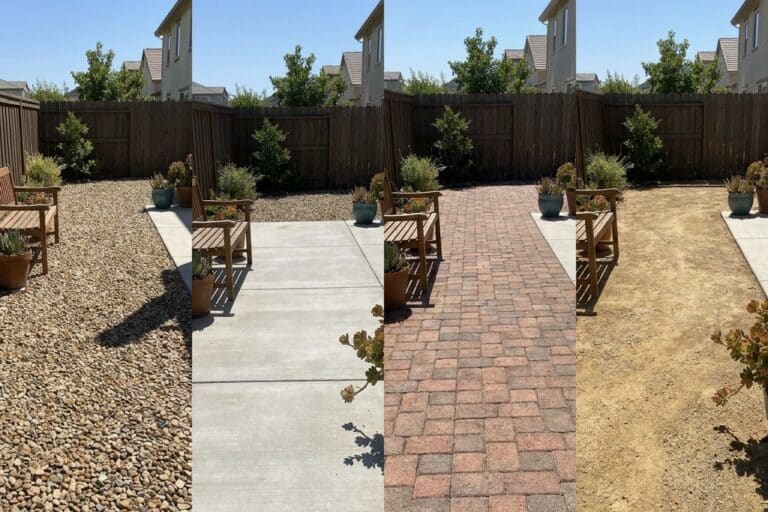
Decomposed granite stands out as Arizona’s most versatile landscaping material. This finely crushed granite compacts beautifully for driveways and pathways while allowing proper drainage. You can choose from natural tan, gold, or reddish tones that blend seamlessly with desert surroundings. For more information on using this material effectively, check out our guide on using decomposed granite for raised garden beds.River rock brings smooth, rounded elegance to your landscape design. These water-polished stones come in sizes from small pebbles to large boulders, with colors ranging from neutral grays to warm browns and reds. River rock works exceptionally well around water features or as decorative borders. Learn more about using river rock for retaining wall base projects to maximize its structural benefits.Pea gravel offers the perfect solution for areas where you want comfortable walking surfaces. These small, rounded stones feel pleasant underfoot and come in various earth tones. Pea gravel drains excellently and stays cool enough for barefoot walking even during Arizona summers. If you’re considering pea gravel for specific applications, explore whether pea gravel can be used for a shed foundation project.Lava rock provides unique texture and superior moisture retention for xeriscaping projects. Its porous structure helps conserve water around desert plants while its dark color creates striking visual contrast against lighter-colored vegetation. Discover more about using crushed lava rock for landscaping and gardening.
| Rock Type | Size Range | Best Uses | Heat Resistance |
|---|---|---|---|
| Decomposed Granite | Fine particles | Pathways, driveways | Excellent |
| River Rock | 1/2″ – 6″ | Decorative features | Very Good |
| Pea Gravel | 1/8″ – 3/8″ | Ground cover, walkways | Good |
| Lava Rock | 1/2″ – 3″ | Plant beds, xeriscaping | Excellent |
Choosing materials that work with your design goals
Your landscape’s existing features should guide your rock and gravel selection. Consider how different materials will complement your home’s architecture, existing plants, and outdoor living areas.For formal landscapes, decomposed granite creates clean lines and sophisticated surfaces that pair well with modern architecture. Its uniform texture provides an elegant backdrop for sculptural plants like agaves or architectural features.
Informal or naturalistic designs benefit from river rock’s organic shapes and varied sizes. You can create flowing, creek-like features or use larger stones as focal points that mimic Arizona’s natural rock formations.
Pro Tip: Mix different rock sizes within the same color family to create visual depth and natural-looking arrangements that feel authentic to Arizona’s desert landscape.
Think about maintenance requirements when making your selection. Smaller gravels like pea gravel may require occasional raking to maintain neat appearance, while larger river rocks stay in place with minimal upkeep. For comprehensive guidance on selecting the right size, read our article on the best size gravel for landscaping.
Installation strategies for long-lasting results
Proper preparation ensures your rock landscaping performs well for decades. Start by removing existing vegetation and installing landscape fabric to prevent weeds from growing through your rock layer.
Create proper drainage by grading areas to direct water away from your home’s foundation. Arizona’s intense monsoon rains can move improperly installed gravel, so establishing good drainage prevents erosion and material displacement. Understanding what type of gravel is best for drainage can help you make informed decisions.
For pathways, compact your base material before adding decorative rock. A solid foundation prevents settling and keeps walking surfaces level and safe. Edge your pathways with larger stones or metal edging to contain smaller materials.

When creating rock gardens, vary your stone sizes and arrange them to look natural rather than artificially placed. Larger anchor stones should be partially buried to appear as natural outcroppings, with smaller materials filling spaces between them.
Water-Wise Tip: Install drip irrigation beneath your rock layer before final installation. This hidden system efficiently waters desert plants while maintaining the clean appearance of your rock landscape.
Plant selection becomes crucial in rock landscapes. Choose desert-adapted plants that complement your rock colors and thrive in the excellent drainage these materials provide. Succulents, native grasses, and desert wildflowers create beautiful combinations with stone materials.
Arizona rock and gravel landscaping offers you an opportunity to create stunning outdoor spaces that work with the desert climate rather than against it. By selecting appropriate materials and installing them properly, you’ll enjoy beautiful, low-maintenance landscapes that conserve water and increase your property value. The key lies in choosing rocks that complement your design goals while providing the practical benefits that make desert living more comfortable and sustainable.
 Chance Kittrell
