Fill Dirt with Clay Complete Guide to Uses, Benefits and Sourcing
Published on: January 18, 2026
Get an estimate for your project in 60 seconds
 Your information is secure
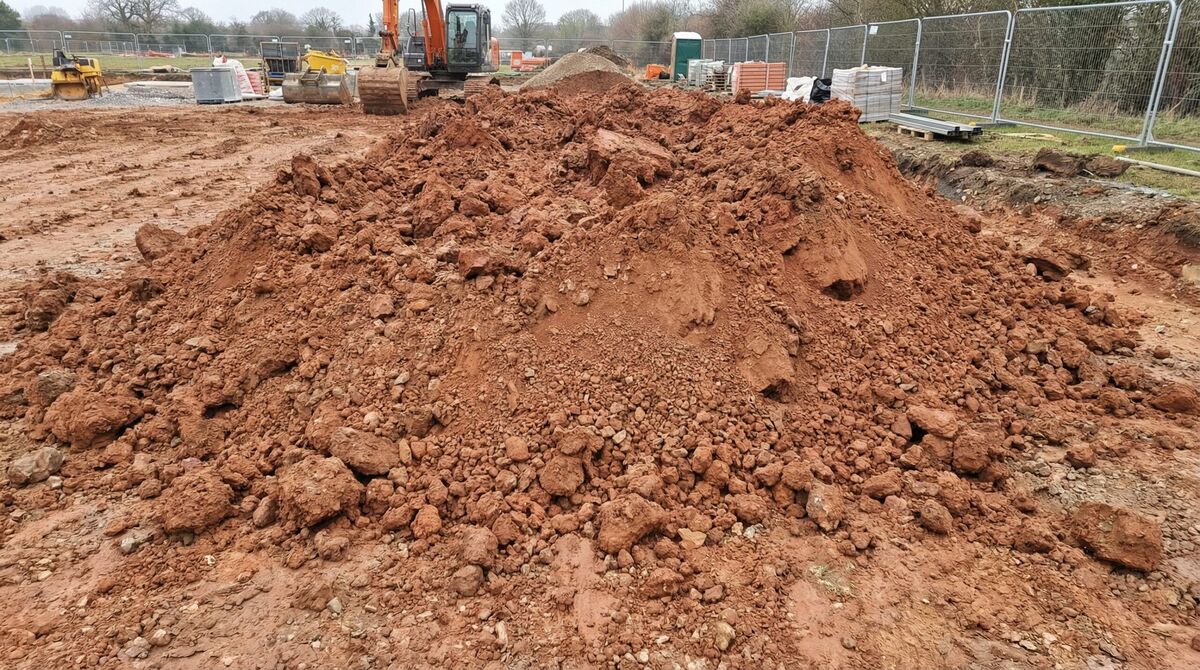
When you need a stable foundation for your construction project or want to level uneven terrain, fill dirt with clay offers exceptional compaction and durability. This clay-rich soil mixture provides superior load-bearing capacity compared to regular fill dirt, making it ideal for foundations, road bases, and large-scale grading projects.
Quick Answer: Fill dirt with clay is a soil mixture containing high clay content (typically 30-50%) that compacts tightly to create stable foundations. It’s perfect for construction bases but unsuitable for planting due to poor drainage and lack of organic matter.
Understanding the properties and applications of clay-based fill dirt helps you choose the right material for your specific needs. Whether you’re building a driveway, preparing a construction site, or addressing drainage issues, knowing when and how to use this material can save you time and money while ensuring project success.
What is Fill Dirt with Clay
Fill dirt with clay, commonly called clay fill, is subsoil that contains a high percentage of clay particles mixed with sand and silt. Unlike topsoil rich in organic matter, this material is deliberately chosen for its mineral composition and structural properties.
The clay content typically ranges from 30% to 50%, giving this fill dirt its characteristic sticky texture when wet and rock-hard consistency when dry. This high clay percentage creates the material’s most valuable feature – exceptional compaction ability that forms incredibly stable bases.

You’ll find clay fill dirt sourced from excavation sites where topsoil has been stripped away, revealing the dense subsoil layers beneath. This process ensures the material is free from organic debris like roots, leaves, or decomposing matter that could cause settling over time.
Key Insight: Clay fill dirt compacts to 95% maximum density when properly installed, compared to 85% for standard fill dirt, providing superior foundation stability.
Primary Uses and Applications
Clay fill dirt excels in applications where stability and compaction matter most. Construction professionals rely on this material for creating solid foundations that won’t shift or settle under heavy loads.
Foundation and Structural Support
For building foundations, clay fill provides the dense, stable base needed to support structures. Its high compaction rate means less settling over time, reducing the risk of foundation cracks or structural issues. Road construction also benefits from clay fill’s ability to create firm, long-lasting bases that handle heavy traffic loads. When planning fill dirt for concrete slab projects, understanding clay content becomes essential for achieving optimal results.
Landscaping and Grading Projects
In landscaping, you can use clay fill to level uneven terrain, fill large depressions, or create elevated areas. The material works particularly well for pond construction because its water retention properties help maintain water levels naturally.
However, remember that clay fill isn’t suitable for planting areas. If you’re planning gardens or lawn areas, you’ll need to add topsoil or compost on top of the clay fill base to support plant growth.
Benefits and Considerations
Clay fill dirt offers several advantages that make it valuable for specific applications, but it also comes with limitations you should understand before choosing this material.
Primary Benefits
The superior compaction ability stands out as clay fill’s biggest advantage. When properly compacted, this material creates an almost impermeable base that resists water penetration and maintains its shape under pressure. This makes it excellent for preventing water infiltration around foundations or creating stable platforms for heavy equipment. Understanding how much fill dirt will settle helps you plan for proper installation.
Cost-effectiveness is another major benefit. Clay fill typically costs 20-30% less than engineered fill materials while providing comparable stability for many applications. The material’s abundance in most regions keeps prices reasonable for large-scale projects.
Important Limitations
Poor drainage represents the main challenge with clay fill dirt. The dense clay particles create a nearly waterproof barrier, which can cause water to pool on the surface during heavy rains. Proper grading and drainage planning become essential when using this material. For projects requiring better drainage, consider comparing fill dirt vs gravel options.
Working with clay fill requires careful moisture management. Too wet, and it becomes sticky and difficult to compact properly. Too dry, and it becomes hard and resistant to compaction. Professional installation often proves worthwhile for large projects.
| Property | Clay Fill Dirt | Regular Fill Dirt | Topsoil |
|---|---|---|---|
| Compaction Rate | 95% maximum density | 85% maximum density | 75% maximum density |
| Drainage | Poor | Moderate | Good |
| Cost per yard | $25-35 | $30-40 | $40-60 |
| Best Use | Foundations, roads | General fill | Planting, gardens |
Sourcing Quality Clay Fill Dirt
Finding reliable suppliers who provide consistent, high-quality clay fill dirt makes the difference between project success and costly problems down the road. Quality clay fill should be free from debris, have appropriate clay content, and come from reputable sources.
Evaluating Supplier Quality
Look for suppliers who can provide soil composition reports showing clay percentage, particle size distribution, and contamination testing results. Hello Gravel offers comprehensive material testing and quality assurance for all their clay fill products, ensuring you receive material that meets project specifications.
Ask about the source location of the clay fill. Material excavated from construction sites often provides the best quality because it’s been properly stripped of topsoil and organic matter. Avoid suppliers who can’t specify their source locations or provide quality documentation. Learning about clean fill standards can help you evaluate material quality.
Delivery and Installation Considerations
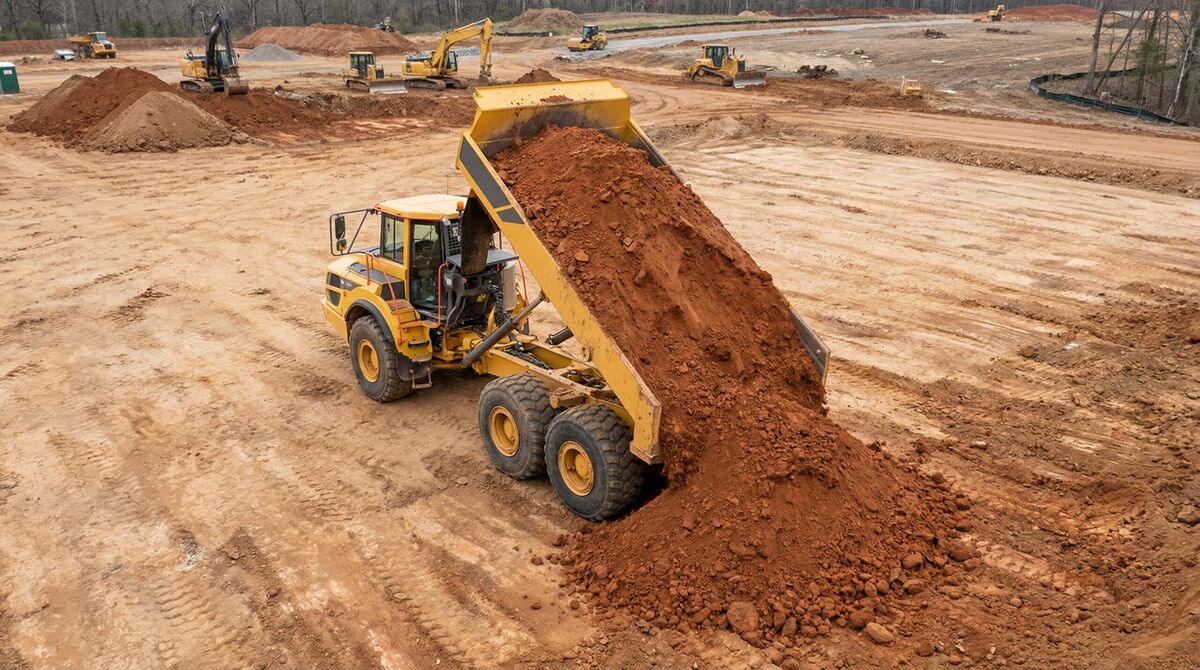
Professional delivery ensures proper handling and placement of your clay fill dirt. Experienced drivers can perform tailgate spreading to distribute material more evenly, saving you time and labor costs. Schedule deliveries during dry weather when possible, as clay fill becomes much more difficult to work with when saturated. For more information on delivery options, check out fill dirt delivered and spread services.
Pro Tip: Order 10-15% more clay fill than your calculations suggest. Compaction reduces volume significantly, and having extra material prevents project delays if you run short.
Consider hiring professionals for compaction if your project covers more than 500 square feet. Proper compaction requires specific equipment and techniques to achieve the density needed for long-term stability.
Clay fill dirt serves as an excellent foundation material when you understand its properties and use it appropriately. The superior compaction and stability it provides make it invaluable for construction and large-scale landscaping projects, while its cost-effectiveness helps keep project budgets manageable. Success with clay fill comes from choosing quality suppliers, planning for proper drainage, and ensuring professional installation when needed.
FAQ
What is fill dirt with clay used for?
Can I plant grass or gardens directly on clay fill dirt?
How much does clay fill dirt cost and where can I buy it?
What are the main disadvantages of using clay fill dirt?
Author: