
Bulk gravel, delivered on time. No surprises.
Gravel, stone, mulch, and soil — by the truckload.
Where are you located?
Enter your zip code for local pricing
Not sure yet? Chuck has answers.
Our gravel guide. Answers in seconds, 24/7.
Or browse by project type
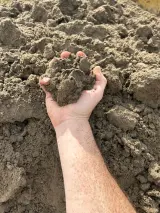
On time, every time
We keep you in the loop
Straight-up pricing
What you see is what you pay
You pick the date
Free reschedule if plans change
Popular materials
Most-ordered products
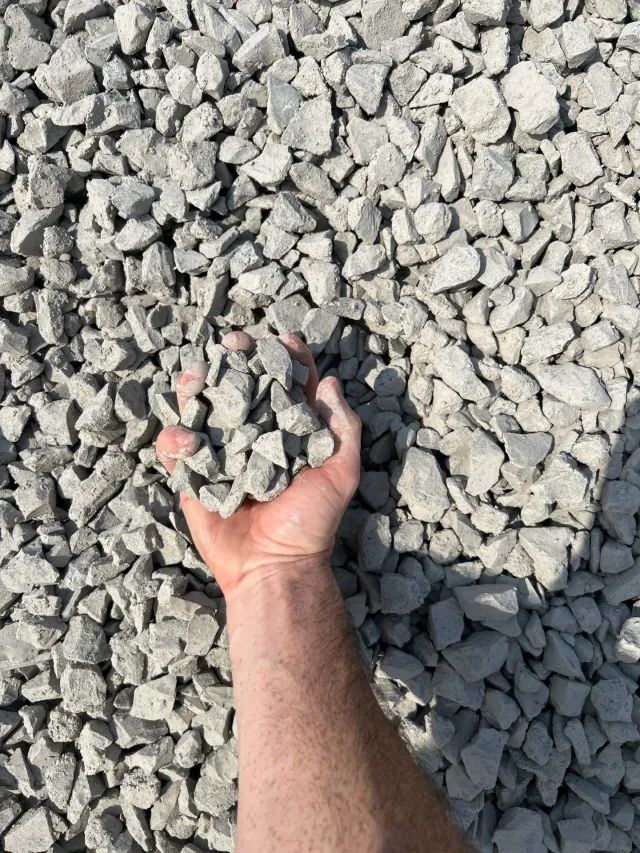 Popular
#57 Crushed Stone
Sold by the ton
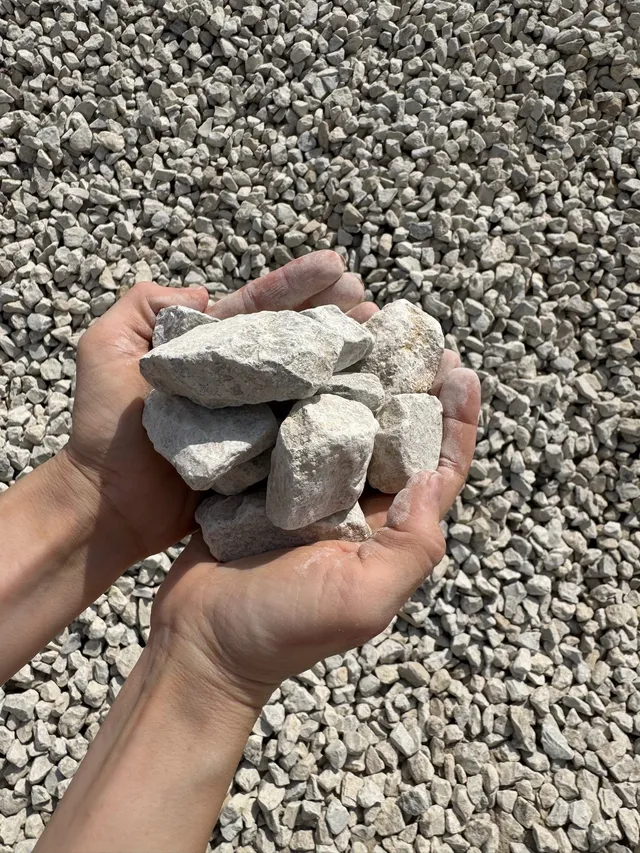 Popular
1 1/2" Crushed Gravel
Sold by the ton
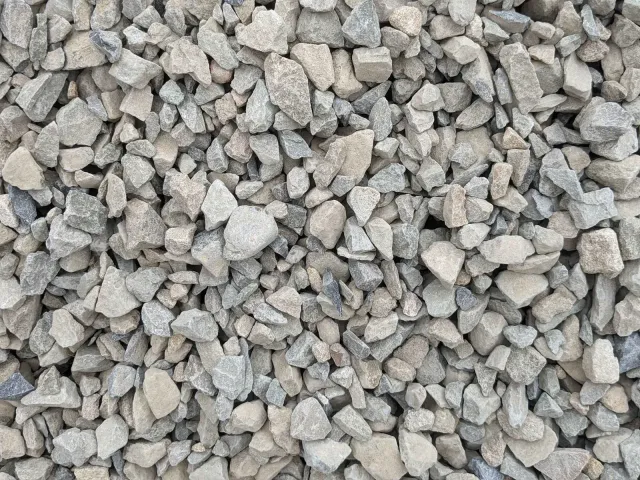
3/4" Crushed Stone
Sold by the ton
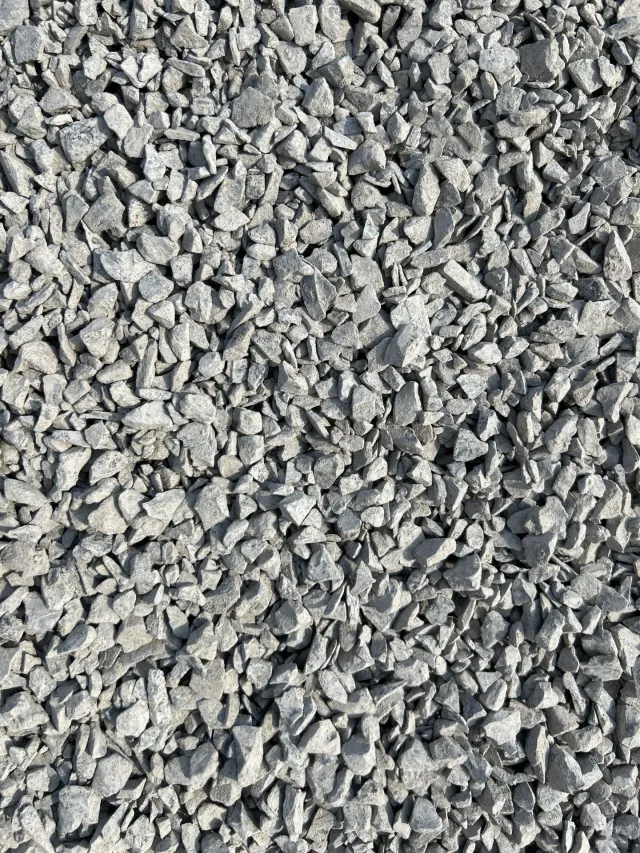
3/8" Crushed Stone
Sold by the ton
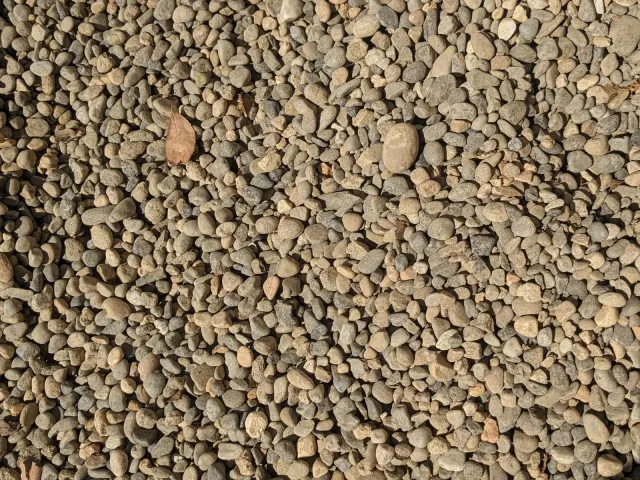
3/8" Natural Pea Gravel
Sold by the ton
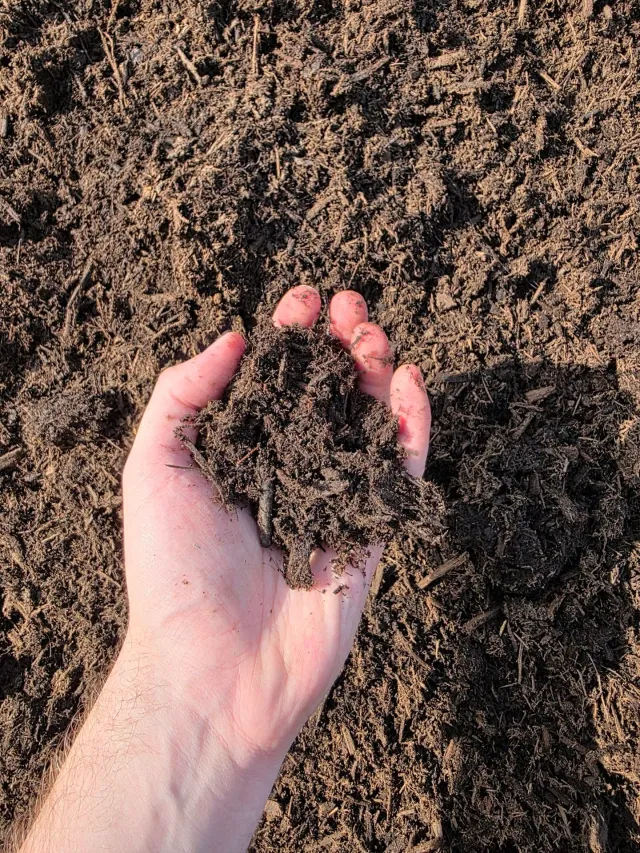
Compost Soil
Sold by the ton
Where are you located?
Enter your zip code for local pricing
Sourced nationally from leading aggregate and landscape suppliers









10,000+
Deliveries completed
4.9 ★
Average customer rating
All 50 States
Nationwide delivery coverage
What customers say
Trusted by homeowners everywhere
From ordering online, communication, to delivery everything was outstanding! Highly recommend Hello Gravel and will definitely use again.
— Patricia B., verified buyer
Got everything delivered on time, very time efficient. Love the service.
Priority m.
grat and easy to deal with rapid response
Priority m.
The experience was great, communication is wonderful it's went clear on what I ordered and made some friends along the way. The ordering was smooth and easy, they made sure to help with the yardage. And the delivery was alsome, they put it exactly where I needed it. Thanks 👍
James D.
I purchased 8 tons of 3/4 crushed stone for a project at my off-grid eco-village. The area where I live is a little tricky to get large deliveries to but with some amazing help from Cadian, I managed to get the delivery within the tight-timeline. Cadian was on top of all the communications I sent him both text and email, he definitely made my experience much pleasant than it could have been. I would work with these guys again because they know what good customer support looks like.
Catherine C.
Communication was great. Delivery was on time. Ordering was simple and all questions were answered in a timely manner.
Jennifer B.
It’s was fine simple and took little effort on my part
Christopher F.
Everything was so smooth and easy and communication was top notch
Mark P.
How Delivery Works
Browse Products
Explore our range of gravel, stone, and landscaping materials.
Calculate Amount
Use our calculator to find exactly how much you need.
Schedule Delivery
Pick a delivery date that works for your project timeline.
Delivered to Your Door
We deliver right to your driveway or job site.
Browse Products
Explore our range of gravel, stone, and landscaping materials.
Calculate Amount
Use our calculator to find exactly how much you need.
Schedule Delivery
Pick a delivery date that works for your project timeline.
Delivered to Your Door
We deliver right to your driveway or job site.
Free tool
Not sure how much you need?
Enter your project dimensions and our calculator figures out the exact tonnage — no guesswork, no overpaying.
Common questions
Frequently asked questions
How soon can I get the materials delivered?
Most orders are delivered within 2 business days. You choose your delivery date during checkout, and we'll confirm availability based on your location.
How do I calculate how much material I need?
Use our free material calculator to enter your project dimensions and get an exact tonnage estimate. We'll make sure you order the right amount — no excess, no shortage.
Do you deliver to my location?
We deliver to most addresses in the continental United States. Enter your zip code on any product page to check availability and see pricing for your area.
How is the material delivered?
Materials are delivered by dump truck directly to your driveway or designated drop area. The driver can place the material exactly where you need it.
Can you help me figure out what material I need?
Absolutely. You can browse our project guides, use our material quiz, or call us directly. We're happy to help you pick the right material for your project.
Can you spread the material after it is dumped?
We offer tailgate spread for select materials, which distributes the material in a line as the truck moves forward. For full spreading services, we can connect you with local contractors.
What is the minimum order size?
It depends on the product, but most start at one ton or one cubic yard. That's a small load (a single garden bed, or a short stretch of path), so even little jobs are fair game. You'll see the exact minimum on each product's page.
How does the process work?
It's simple: browse our materials, enter your zip code for pricing, choose your delivery date, and place your order. We handle the rest — from sourcing to delivery.
Will the material arrive in a Hello Gravel dump truck?
We work with a network of vetted partner haulers in your area. Every driver meets our quality and safety standards, regardless of the truck branding.
Can I find the same material cheaper somewhere else?
Our pricing is competitive with local quarries and landscape supply yards, and delivery is included. No trips to the store, no rental trucks, no loading bags yourself.
Why might the material look different from the image?
Natural stone and aggregate products vary slightly in color, texture, and size between quarry batches. This is normal and does not affect performance. Product photos represent the typical appearance.
What do I do if there is an issue with my order?
Contact our support team by phone or email. We resolve most issues within 24 hours, whether it's a quantity concern, delivery question, or material issue.
Where are you located?
Hello Gravel is a nationwide service. We source materials from leading suppliers across the country and coordinate local delivery through our partner network.
Still have questions?
Our team is here to help you find the right material for your project.
Ready to get started?
Browse our most popular project types or get a free quote in minutes.
Free quotes in under 2 minutes. No commitment.