Best Gravel for Drainage 2026 Complete Guide to Types and Installation
Published on: January 2, 2026
Get an estimate for your project in 60 seconds
 Your information is secure
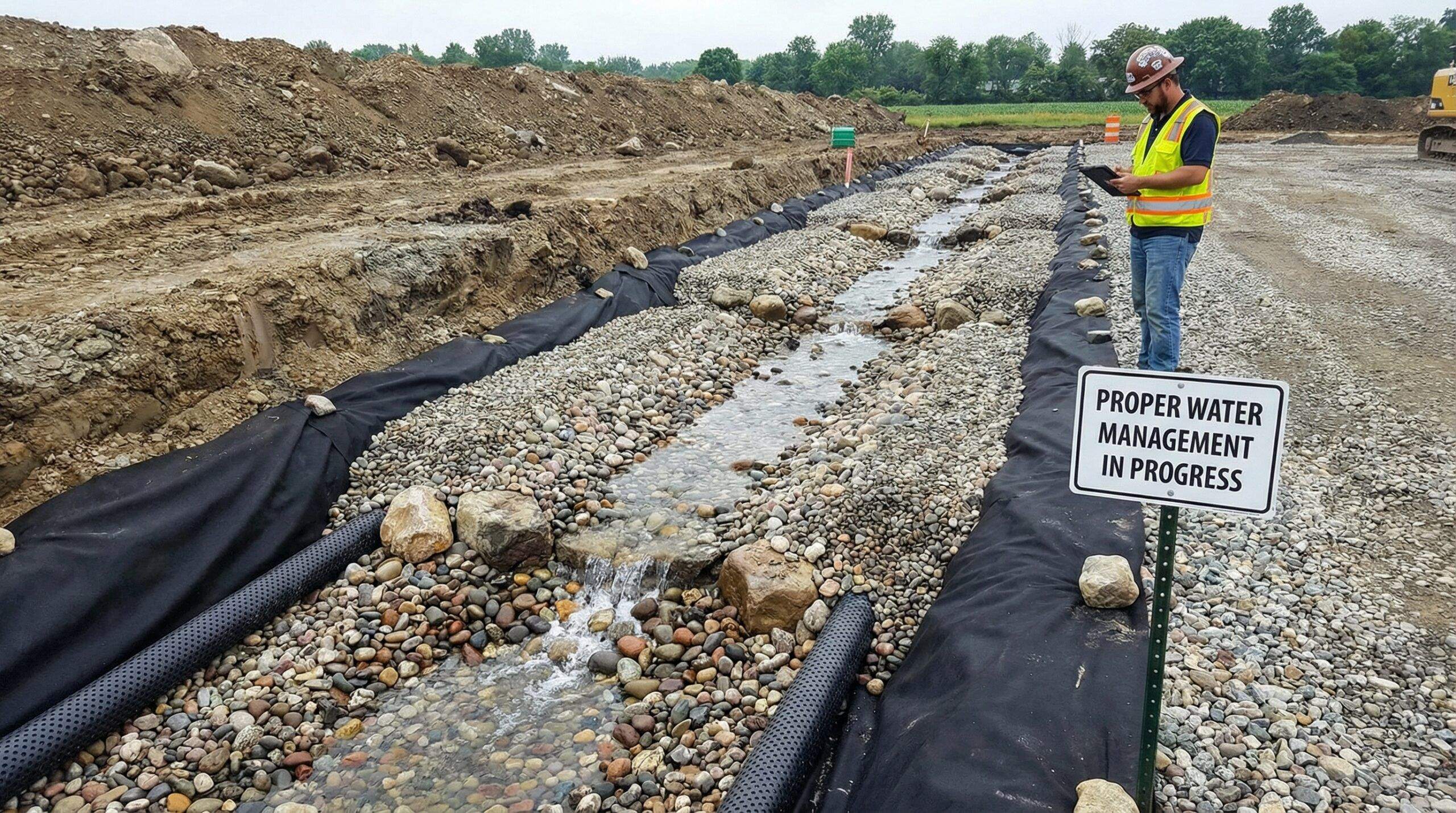
Struggling with standing water around your property? You’re not alone. Poor drainage affects thousands of homeowners annually, leading to foundation damage, soil erosion, and costly repairs. The solution lies in choosing the right gravel for your drainage system.
Pea gravel (3/8 inch) offers excellent permeability for slow drainage, crushed stone provides superior stability for heavy-duty applications, and river rock combines functionality with aesthetic appeal. Each type serves specific drainage needs, from French drains to foundation protection.
Key Insight: Proper gravel selection can prevent up to 90% of water-related foundation issues when installed correctly with appropriate sizing and layering techniques.
This guide walks you through everything you need to know about selecting, installing, and maintaining gravel for effective drainage solutions.
Why proper drainage matters for your property
Water damage ranks among the most expensive home repairs you’ll face. When excess water accumulates around structures, it creates hydrostatic pressure against foundations, leading to cracks and potential structural failure. The average foundation repair costs between $2,000 and $7,000, making prevention through proper drainage a smart investment.
Beyond structural concerns, poor drainage creates breeding grounds for mosquitoes and other pests. Standing water also deprives plant roots of oxygen, causing root rot and plant death. In agricultural settings, waterlogged soil can reduce crop yields by up to 50%.
Gravel drainage systems work by creating pathways for water movement. The spaces between gravel particles allow water to flow freely while filtering out debris that could clog pipes or create blockages. This natural filtration process helps maintain system efficiency over time.
Top gravel types for drainage applications
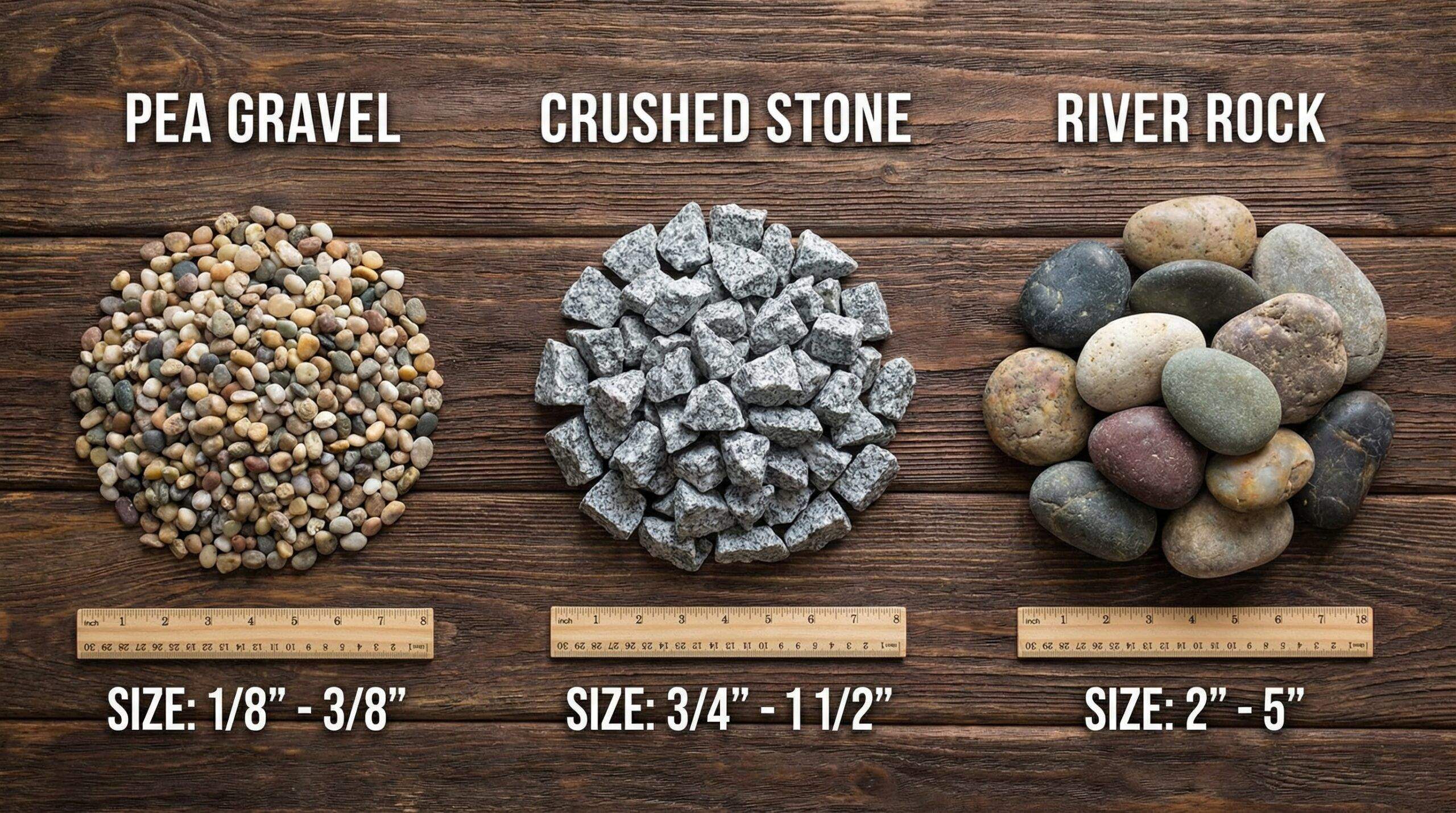
Pea gravel for gentle drainage
Pea gravel consists of small, rounded stones typically measuring 3/8 inch in diameter. Its smooth texture and uniform size create consistent spacing between particles, allowing steady water flow without rapid drainage that might cause erosion.
This gravel type works exceptionally well for residential applications like garden drainage, walkway bases, and areas where you want water to infiltrate slowly. The rounded edges prevent the stones from locking together tightly, maintaining permeability even under moderate pressure.
Pea gravel costs approximately $30-50 per ton and comes in various colors including white, gray, and tan. Its attractive appearance makes it suitable for visible drainage areas where aesthetics matter. For those wondering about compaction properties of pea gravel, it’s important to note that while it drains excellently, it doesn’t compact as firmly as angular stones.
Crushed stone for heavy-duty drainage
Crushed stone features angular fragments created by mechanically crushing larger rocks. These sharp edges allow the pieces to interlock, creating exceptional stability while maintaining drainage capacity. Common sizes range from 3/4 inch to 1.5 inches.
The angular shape of crushed stone makes it ideal for French drains, foundation drainage, and areas subject to heavy loads. Its interlocking properties prevent shifting and settling that can compromise drainage effectiveness over time. When selecting the best crushed stone size for a foundation, consider both drainage needs and load-bearing requirements.
Granite and limestone are the most common materials for crushed stone drainage applications. Both offer excellent durability and resistance to weathering, ensuring long-term performance.
River rock for aesthetic drainage solutions
River rock, naturally smoothed by water erosion, provides larger drainage capacity due to its size range of 1-3 inches. This gravel type offers the best of both worlds: excellent drainage performance and natural beauty.
The larger size creates significant void spaces between stones, allowing rapid water movement. This makes river rock perfect for dry creek beds, decorative drainage channels, and areas where you want to manage heavy water flow quickly.
River rock typically costs $50-80 per ton, reflecting its natural formation process and aesthetic value. The investment pays off in both functional performance and landscape enhancement.
Essential factors when choosing drainage gravel
Size and permeability considerations
Gravel size directly impacts drainage performance. Smaller gravels (3/8 inch) provide slower, more controlled drainage, while larger sizes (1.5+ inches) allow rapid water movement. Your choice depends on the specific drainage challenge you’re addressing.
For foundation drainage, 3/4 inch crushed stone offers the optimal balance of stability and permeability. French drains typically use specific gravel types ranging from 1/2 to 3/4 inch to prevent clogging while maintaining flow capacity.
Consider your soil type when selecting gravel size. Clay soils benefit from smaller gravel that won’t create channels, while sandy soils can handle larger stones that provide faster drainage.
Pro Tip: Layer different gravel sizes with larger stones at the bottom and smaller ones on top to create a natural filtration system that prevents fine particles from clogging your drainage.
Material composition and durability
Hard rock materials like granite, basalt, and quartzite provide superior longevity compared to softer stones. These materials resist weathering and maintain their shape under pressure, ensuring consistent drainage performance for decades.
Avoid limestone in areas with acidic soil, as it can dissolve over time and reduce drainage effectiveness. Similarly, soft sandstone may break down and create fine particles that can clog your system.
Local availability affects both cost and environmental impact. Choosing locally sourced materials reduces transportation costs and supports sustainable practices while often providing materials well-suited to your regional conditions.
Installation steps for effective gravel drainage
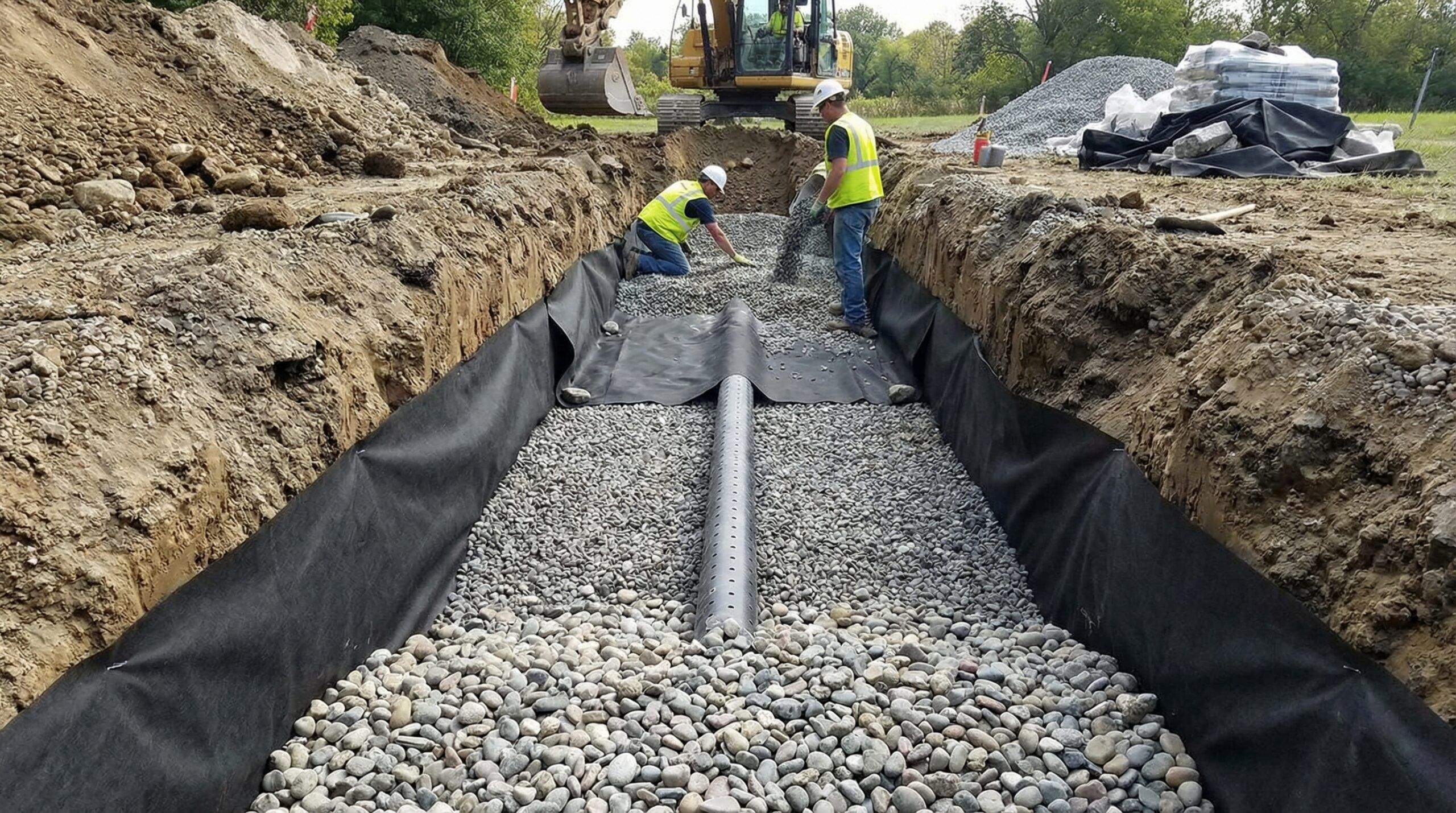
Site preparation and excavation
Start by marking your drainage path, ensuring a minimum 1% slope (1 foot drop per 100 feet of length) to encourage water flow. Remove all vegetation, rocks, and debris from the excavation area.
Dig your trench 6-12 inches wide and deep enough to accommodate your gravel layer plus any drainage pipe. For French drains, typical depth ranges from 18-24 inches, depending on your specific drainage needs.
Test your slope using a level and measuring tape to ensure consistent grade throughout the trench. Proper slope is crucial for system effectiveness and prevents water from pooling in low spots.
Layering and compaction techniques
Install landscape fabric along the trench bottom and sides to prevent soil migration into your gravel. This barrier maintains system integrity while allowing water infiltration.
Place your base layer of larger gravel (3/4 to 1 inch) first, creating a stable foundation. If installing drainage pipe, position it on this base layer with holes facing downward to prevent debris entry.
Add successive layers of progressively smaller gravel, compacting gently between layers. Avoid over-compaction, which can reduce permeability. The top layer should sit 2-3 inches below ground level to allow for soil or decorative covering. For more detailed guidance on using gravel in drainage systems, explore comprehensive installation techniques.
| Gravel Type | Size Range | Cost per Ton | Best Application | Permeability Rating |
|---|---|---|---|---|
| Pea Gravel | 3/8 inch | $30-50 | Residential drainage | High |
| Crushed Stone | 3/4-1 inch | $25-40 | French drains | Very High |
| River Rock | 1-3 inches | $50-80 | Decorative drainage | Excellent |
Maintenance Reminder: Inspect your gravel drainage system twice yearly, removing debris and checking for settling that might affect water flow patterns.
Proper gravel selection and installation create drainage systems that protect your property for decades. Whether you choose the gentle permeability of pea gravel, the stability of crushed stone, or the aesthetic appeal of river rock, following these guidelines ensures optimal performance. Understanding what type of gravel is best for erosion control can also help you address multiple landscaping challenges simultaneously. Remember that investing in quality materials and proper installation techniques pays dividends in reduced maintenance and superior long-term functionality.
FAQ
What is the best gravel for drainage?
What size gravel is best for French drains?
Crushed stone vs pea gravel for drainage – which is better?
How deep should gravel be for proper drainage?
Author: