Crushed gravel sizes guide and comparison chart for every project
Published on: January 12, 2026
Get an estimate for your project in 60 seconds
 Your information is secure
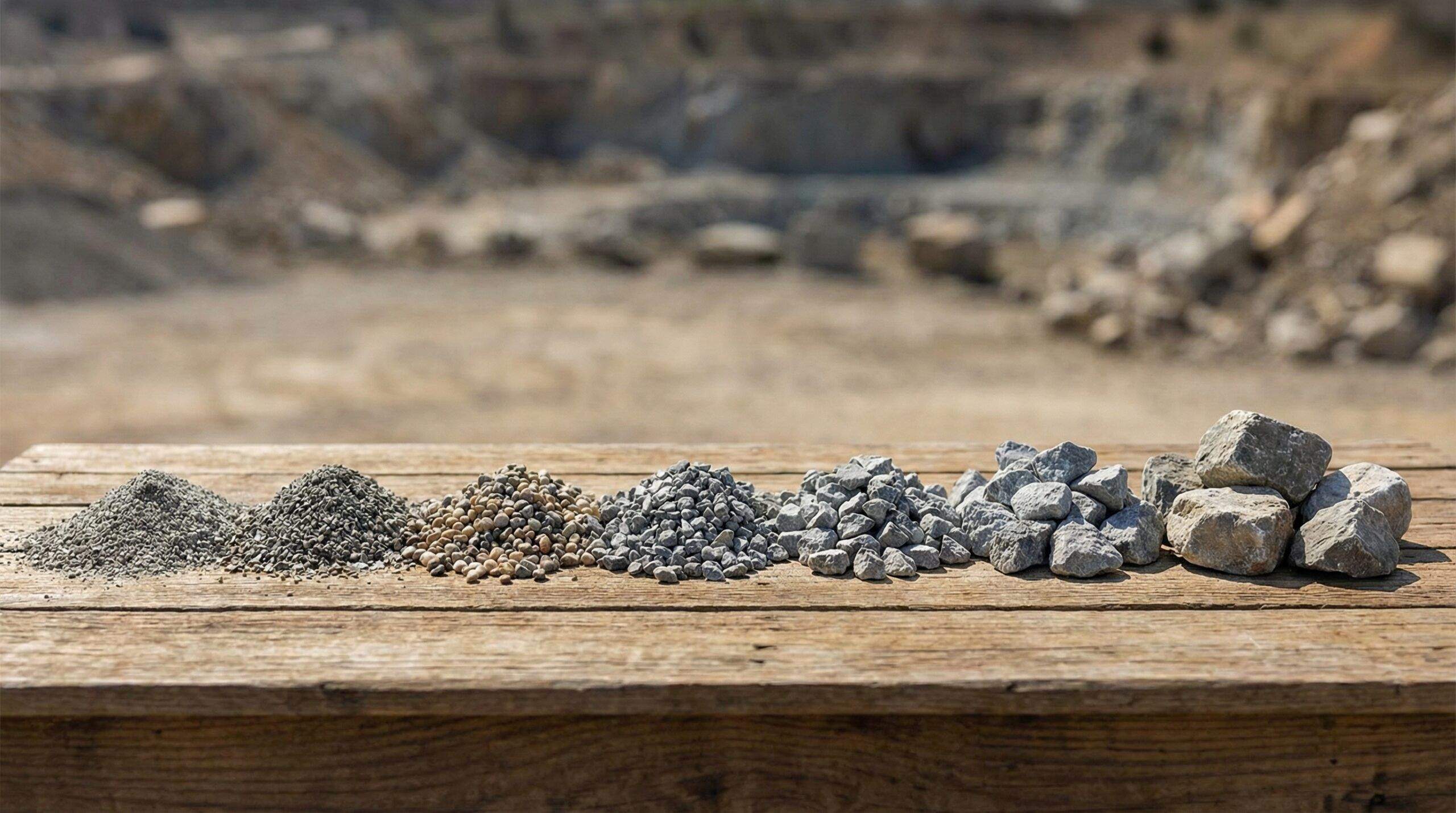
Choosing the wrong gravel size can turn your dream driveway into a maintenance nightmare or make your landscaping project look unprofessional. Understanding crushed gravel sizes isn’t just about measurements – it’s about matching the right material to your specific project needs.
Whether you’re planning a new driveway, creating garden pathways, or working on drainage solutions, each gravel size serves distinct purposes. From decorative pea gravel perfect for walkways to sturdy 1-inch stone ideal for heavy-duty applications, the size you choose directly impacts your project’s durability, appearance, and long-term success.
Quick fact: Pea gravel (1/4 to 1/2 inch) is the most popular decorative choice, while 3/4-inch gravel provides the best balance of stability and drainage for most construction projects.
This guide breaks down the most common crushed gravel sizes, their specific uses, and helps you select the perfect option for your next project.
Understanding gravel size categories
Crushed gravel comes in standardized sizes that serve different functions in construction and landscaping. The sizing system helps you predict how the material will perform in your specific application.
Small gravel sizes like pea gravel create smooth, comfortable surfaces perfect for foot traffic. Medium sizes around 1/2 to 3/4 inch offer excellent compaction properties, making them ideal for stable bases. Large gravel sizes from 1 inch and up provide superior drainage and can handle heavy loads without shifting.
The key difference between decorative and functional gravel lies in how the stones interlock. Smaller, rounded stones like pea gravel don’t compact tightly, making them better for aesthetics than structural support. Angular crushed stone locks together more effectively, creating stable foundations. Understanding the differences between various rock sizes is crucial for selecting the right material for your project.
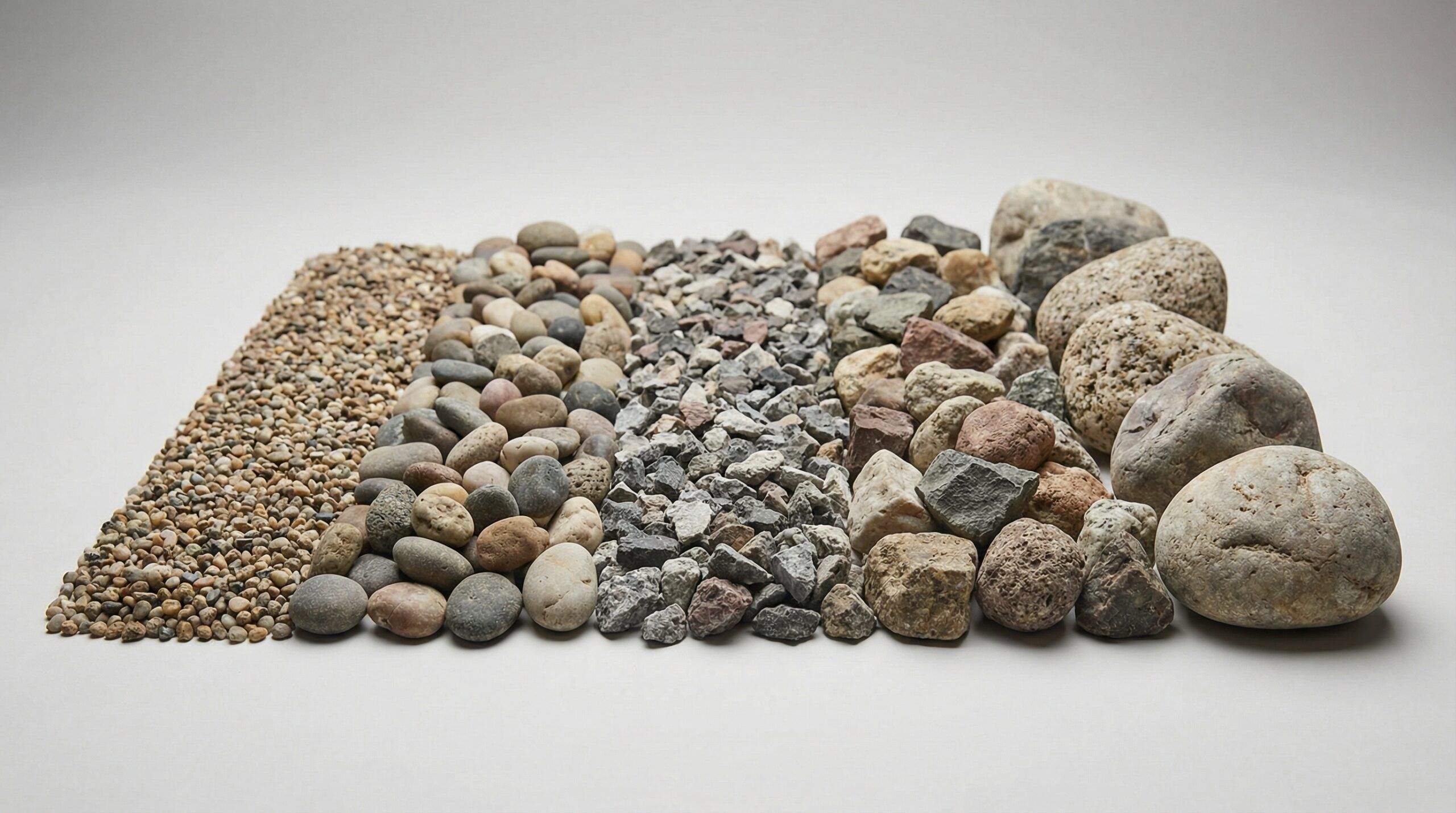
Gravel size breakdown and applications
Pea gravel (1/4 to 1/2 inch)
Pea gravel gets its name from its small, rounded shape that resembles garden peas. This size works beautifully for decorative applications where you want a refined, finished look.
You’ll find pea gravel perfect for garden pathways, around trees and shrubs, and as ground cover in flower beds. It’s also excellent for playground surfaces because the smooth stones are comfortable underfoot and provide good drainage. Many homeowners use pea gravel for patio bases under pavers or as a decorative element around water features.
The main limitation of pea gravel is its poor compaction. While this makes it comfortable to walk on, it’s not suitable for areas that need structural stability like driveway bases or heavy traffic zones. For a detailed comparison, check out our guide on 3/4″ gravel versus pea gravel to understand which option works best for your needs.
Half-inch gravel (1/2 inch)
Half-inch gravel strikes a balance between decorative appeal and functional strength. This size compacts reasonably well while still maintaining an attractive appearance.This versatile option works well as a base layer under larger decorative stones or as the primary material for light-duty driveways. You can use it for garden paths that need more stability than pea gravel provides, or as drainage material around foundations and French drains.The moderate size allows for decent water flow while providing enough interlocking to create a stable surface. It’s particularly useful in areas where you need both function and visual appeal.
Three-quarter inch gravel (3/4 inch)
Three-quarter inch gravel represents the workhorse of the gravel world. According to hellogravel.com, this size provides excellent compaction properties and superior drainage, making it ideal for construction applications.
You’ll see 3/4-inch gravel used extensively for driveway bases, road construction, and as aggregate in concrete mixes. It’s also the preferred choice for French drains and other drainage systems because the larger stones create void spaces that allow water to flow freely.
For residential projects, 3/4-inch gravel works perfectly for driveway surfaces that will handle regular car traffic. The angular edges help the stones lock together, creating a stable surface that won’t shift under vehicle weight. When deciding between materials, consider reading about crusher run versus 3/4″ limestone to determine which option provides the best foundation for your specific application.
Pro tip: When using 3/4-inch gravel for driveways, compact it in 2-inch lifts for maximum stability and longevity.
Gravel comparison and selection guide
| Size | Diameter | Best Applications | Compaction | Drainage |
|---|---|---|---|---|
| Pea Gravel | 1/4-1/2″ | Pathways, decorative | Poor | Good |
| 1/2″ Gravel | 1/2″ | Light driveways, bases | Fair | Good |
| 3/4″ Gravel | 3/4″ | Heavy driveways, roads | Excellent | Excellent |
| 1″ Gravel | 1-1.5″ | Commercial, large projects | Excellent | Excellent |
When selecting gravel size, consider three main factors. First, think about the load requirements – will the area support vehicles, foot traffic, or just serve decorative purposes? Second, evaluate drainage needs, especially important for areas prone to water accumulation. Third, consider the aesthetic you want to achieve and how the gravel will complement your existing landscape.For most homeowner projects, 3/4-inch gravel provides the best combination of stability and drainage. Choose pea gravel when appearance matters more than structural strength. Opt for larger sizes like 1-inch gravel only when dealing with heavy loads or commercial applications. If you’re working with numbered stone classifications, our comparison of #57 versus #67 crushed stone can help you understand the nuances between similar-sized materials.
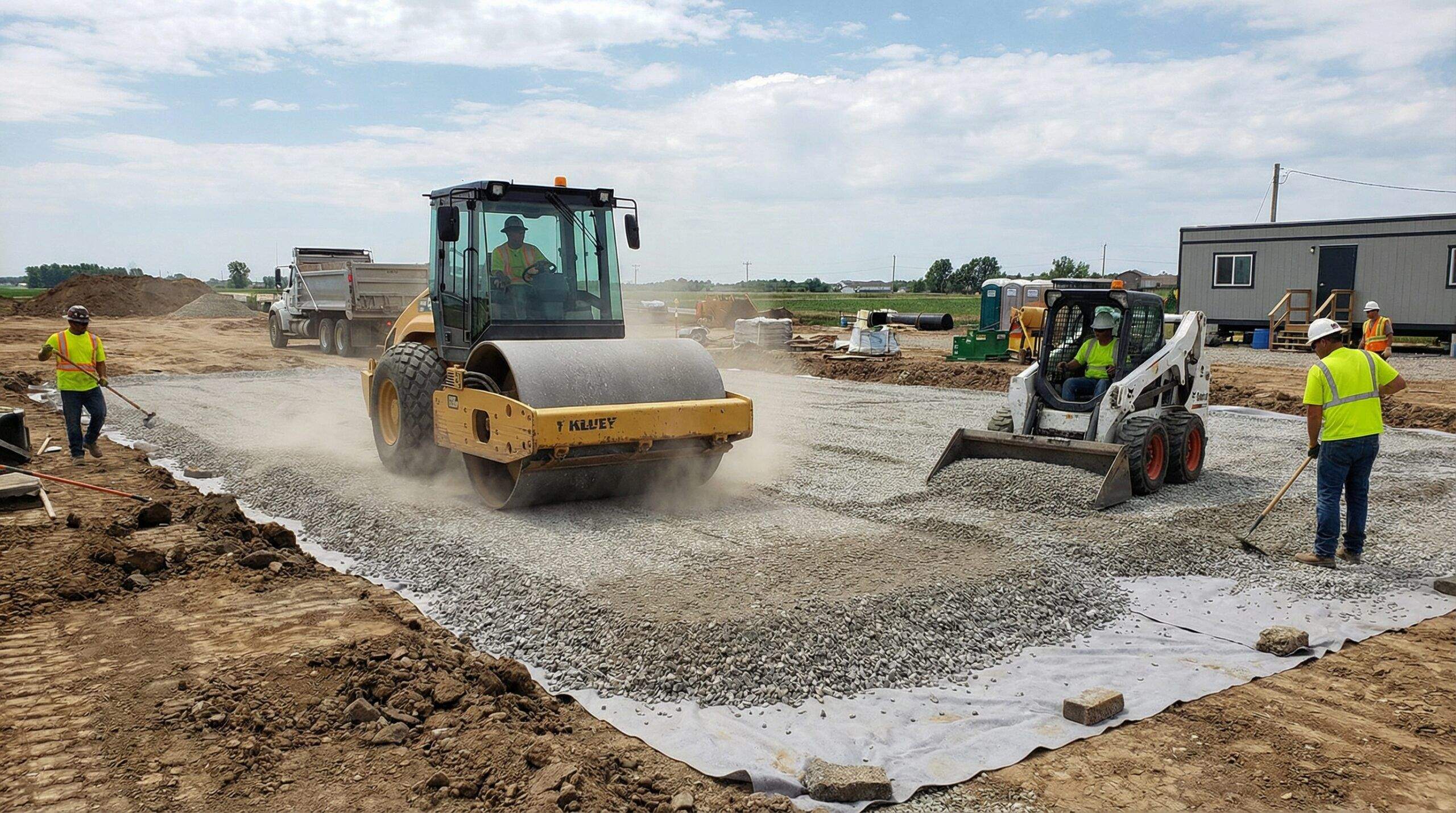
Choosing the right gravel for your project
Your project type should drive your gravel selection more than personal preference. Driveways need stability and drainage, so 3/4-inch crushed stone works best. Garden pathways can use smaller, more decorative options like pea gravel for comfort and visual appeal.
Consider your local climate when making decisions. Areas with heavy rainfall benefit from larger gravel sizes that promote better water drainage. In regions with freeze-thaw cycles, proper drainage becomes even more critical to prevent frost heave and surface damage. For projects requiring a solid base, exploring the differences between gravel and road base can help you make an informed decision.
Important consideration: Always check with local suppliers about availability and delivery costs, as these can vary significantly by region and can impact your project budget.
Budget plays a role in gravel selection, but don’t compromise on the right size to save money upfront. Using inappropriate gravel often leads to costly repairs and maintenance issues that far exceed any initial savings.
Quality matters as much as size. Source your gravel from reputable suppliers who can provide clean, properly graded material. Poor-quality gravel with excessive dust or irregular sizing can compromise your project’s performance regardless of the nominal size you choose. For a comprehensive overview of all your options, consult our complete guide to gravel types and sizes.
Understanding crushed gravel sizes empowers you to make informed decisions that ensure your project’s success. Whether you’re creating an elegant garden pathway with pea gravel or building a durable driveway with 3/4-inch stone, matching the right size to your specific needs sets the foundation for long-lasting results.
FAQ
What is the difference between crushed stone and gravel?
What size gravel is best for a driveway?
What is pea gravel and what is it used for?
How deep should gravel be for proper installation?
Author: