What to Put Under Pea Gravel for Long-Lasting Patios and Walkways
Published on: January 13, 2026
Get an estimate for your project in 60 seconds
 Your information is secure
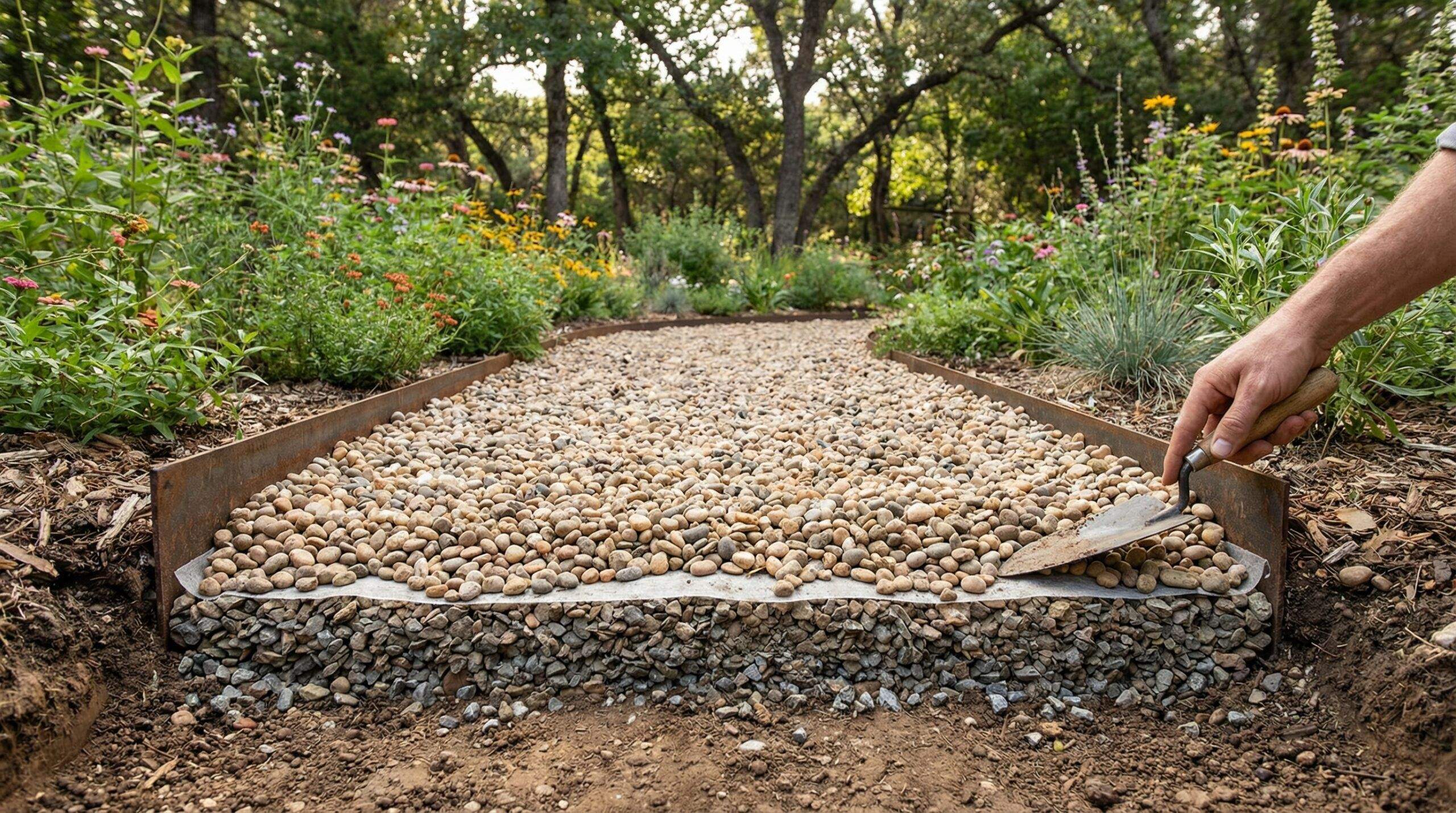
Pea gravel creates beautiful, natural-looking surfaces for patios and walkways, but without the right foundation, your project can quickly turn into a maintenance nightmare. The key to a successful pea gravel installation lies in what you put underneath it. A proper base prevents sinking, shifting, and weed growth while ensuring your gravel stays exactly where you want it for years to come.
Quick Answer: The best materials to put under pea gravel are crushed stone (1-2 inches), geotextile fabric, or a combination of both. These provide stability, drainage, and prevent the gravel from mixing with soil below.
Whether you’re planning a charming garden path or an elegant patio area, understanding your base options will save you time, money, and frustration down the road. Let’s explore how to create a foundation that keeps your pea gravel looking pristine and performing perfectly.
Understanding pea gravel and why base preparation matters
Pea gravel consists of small, naturally rounded stones typically measuring 1/8 to 5/8 inches in diameter. These smooth, pea-shaped pieces get their distinctive appearance through natural weathering and tumbling processes. Available in various neutral colors from cream to gray, pea gravel offers an attractive, low-maintenance surface option.
However, those same rounded edges that make pea gravel visually appealing also create challenges. Unlike angular crushed stone that locks together, pea gravel pieces roll and shift against each other. Without proper support underneath, this movement leads to several problems that can ruin your project.The rounded nature means individual stones don’t interlock, making the surface unstable under foot traffic or weather conditions. This is why proper base preparation becomes absolutely critical for any pea gravel installation, according to hellogravel.com.
Problems you’ll face without a proper base
Installing pea gravel directly on soil creates a host of issues that worsen over time. Understanding these problems helps you appreciate why investing in proper base preparation pays off.
First, you’ll notice deformation and rutting as the gravel sinks into the soil under traffic. Heavy foot traffic or wheeled items create permanent impressions that collect water and look unsightly. The gravel gradually disappears into the ground, requiring constant replenishment.
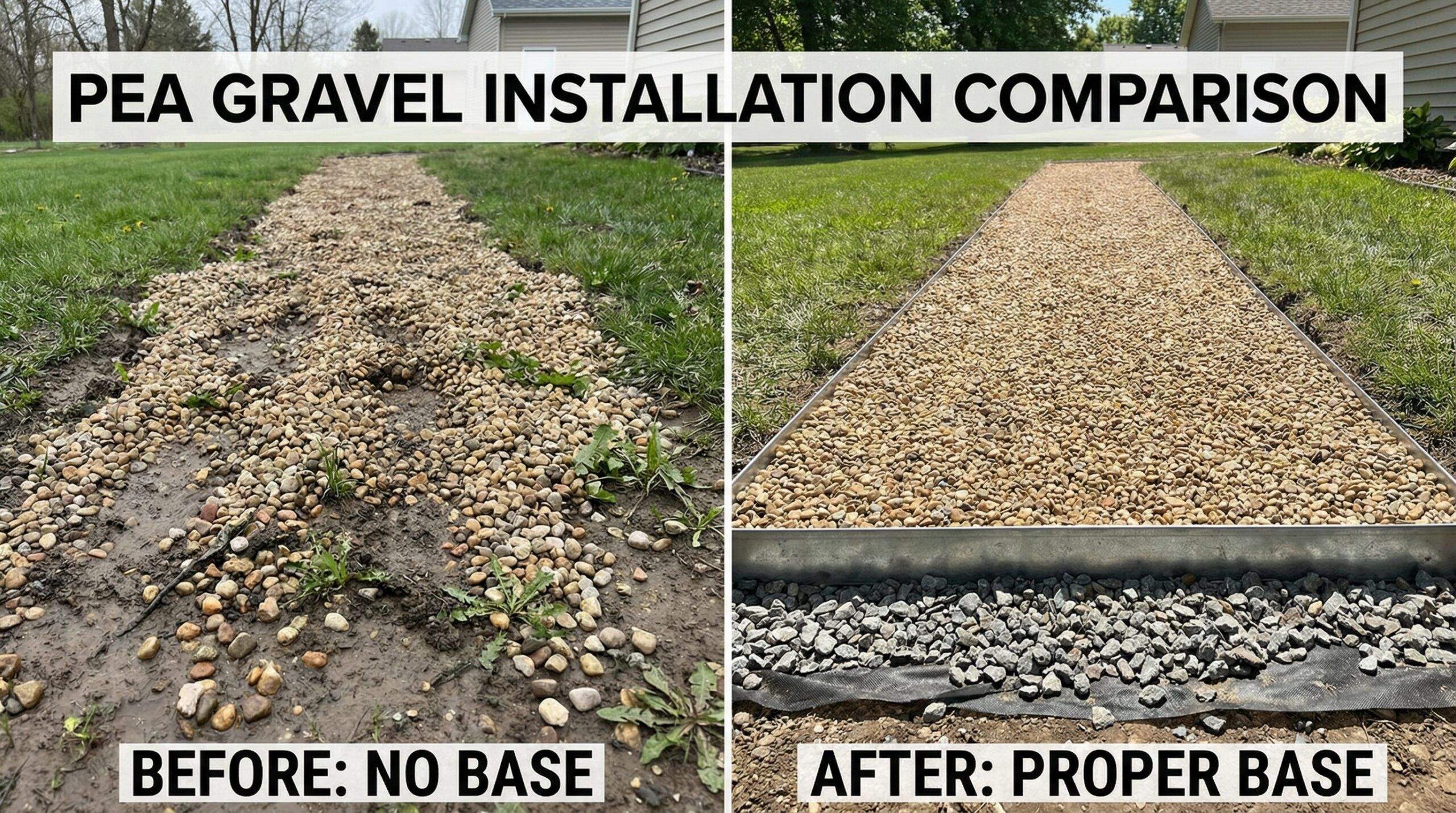
Displacement becomes another major headache as gravel migrates across your intended area. Wind, rain, and foot traffic scatter stones beyond your borders, leaving thin spots and bare patches. You’ll find yourself constantly raking gravel back into place.
Perhaps most frustrating is the mixing of gravel with soil, creating muddy, messy conditions during wet weather. The clean, attractive appearance you wanted transforms into an unappealing mixture that’s difficult to walk on and impossible to maintain properly.
Pro Tip: A properly installed base prevents 90% of common pea gravel problems and can extend the life of your installation by 5-10 years compared to direct soil placement.
Best base materials for pea gravel installations
Several materials work effectively as bases for pea gravel, each offering distinct advantages depending on your specific needs and budget.
Crushed stone ranks as the most popular choice for good reason. A 1-2 inch layer of crushed limestone, granite, or gravel screenings compacts firmly while maintaining excellent drainage. The angular pieces interlock to create a stable foundation that won’t shift under pressure. Understanding the difference between pea gravel and crushed gravel helps you choose the right material for each layer.Geotextile fabric serves as an excellent separator and stabilizer. This landscape fabric prevents soil from migrating upward while keeping gravel from sinking downward. Choose from woven, non-woven, or fleece varieties depending on your drainage needs and soil conditions.Sand offers a budget-friendly option that compacts into a semi-solid foundation. Concrete sand or bank run sand work best, providing good stability for light-traffic areas. However, sand may not provide adequate support for heavy-use applications. Learn more about the importance of sand under pea gravel for specific applications.
Paver base combines the best features of crushed stone with optimal sizing for stability. This specially graded crushed stone mix provides ideal drainage and load-bearing capacity, making it perfect for high-traffic pea gravel areas. If you’re wondering whether pea gravel can be used for paver base, the answer depends on your specific project requirements.
| Material | Depth Needed | Best For | Cost Level |
|---|---|---|---|
| Crushed Stone | 1-2 inches | All applications | Medium |
| Geotextile Fabric | Single layer | Weed prevention | Low |
| Sand | 1-2 inches | Light traffic | Low |
| Paver Base | 2-3 inches | Heavy traffic | Medium-High |
Installation steps for a lasting pea gravel base
Proper installation ensures your base performs effectively for years. Start by excavating the area 4-6 inches deep, removing all vegetation, roots, and debris. Create a clean, level surface that slopes slightly for drainage.
Compact the subgrade thoroughly using a plate compactor. This step prevents future settling and creates a solid foundation for your base materials. Don’t skip this step, as loose soil underneath will compromise everything above it.
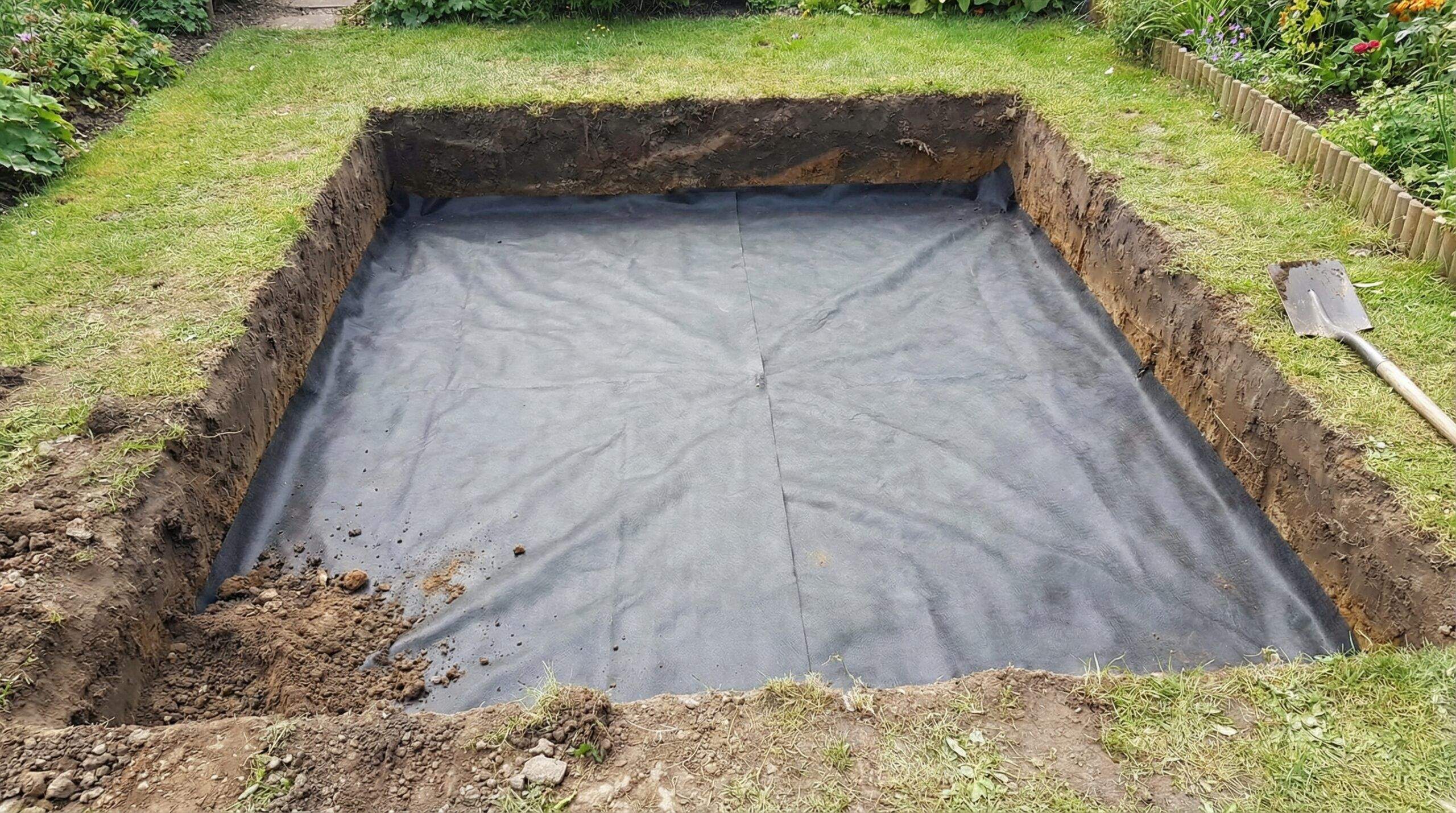
Install your chosen base material to the recommended depth, maintaining consistent thickness throughout. Avoid thin spots that create weak points in your foundation. If using geotextile fabric, overlap sections by 6 inches and secure edges with landscape staples.
Compact the base material in 1-inch lifts using a hand tamper or plate compactor. This gradual compaction ensures proper density without creating air pockets. Lightly moisten the base to aid natural compaction from the pea gravel weight above.
Finally, spread your pea gravel 2-3 inches deep over the prepared base. This depth provides the cushioned feel underfoot while preventing the base from showing through. For patio installations, refer to our guide on the best pea gravel size for a patio to ensure optimal results. Rake smooth and enjoy your professionally installed pea gravel surface.
Installation Tip: Combining crushed stone base with geotextile fabric underneath provides the ultimate foundation, offering both stability and weed prevention in one system.
Maintaining your pea gravel for long-term success
Even with proper base preparation, regular maintenance keeps your pea gravel looking fresh and functioning properly. Plan for periodic refreshing as natural settling and weather gradually thin the gravel layer.
Rake the surface monthly to redistribute stones and smooth out any developing ruts or thin spots. This simple maintenance prevents small problems from becoming major repairs. Address weed growth immediately by hand-pulling or spot-treating with appropriate herbicides.
Monitor drainage after heavy rains to ensure water flows properly away from the area. Since pea gravel drains well when properly installed, any pooling indicates a potential issue that needs addressing. If you notice slow drainage, you may need to add drainage channels or adjust the slope slightly.
Consider adding fresh pea gravel annually in high-traffic areas to maintain the desired depth and appearance. This proactive approach costs much less than complete reinstallation and keeps your investment looking its best. For larger projects, explore pea gravel delivery options to ensure you have the right amount on hand.
With proper base preparation and regular maintenance, your pea gravel installation will provide years of attractive, low-maintenance surface that enhances your outdoor space. The time invested in doing it right from the start pays dividends in reduced maintenance and lasting beauty.
FAQ
What is the best thing to put under pea gravel?
Do I need landscape fabric under pea gravel?
How thick should the base be under pea gravel?
Can I put pea gravel directly on soil?
Author: