#610 Limestone Gravel Guide: Uses, Benefits, and Cost Breakdown for 2025
Get an estimate for your project in 60 seconds
 Your information is secure

Looking for the perfect aggregate for your driveway, road base, or drainage project? #610 limestone gravel might be exactly what you need. This versatile crushed limestone offers excellent compaction, superior drainage, and long-lasting durability that makes it a contractor favorite.
610 limestone gravel is a medium-grade crushed limestone aggregate that passes through a specific sieve size, typically ranging from fine particles to 1 inch in diameter. The “610” designation refers to the gradation specification, indicating a well-balanced mix of stone sizes that creates optimal compaction and stability when properly installed.
Quick Fact: The balanced gradation of #610 limestone allows it to compact to 95% density, making it ideal for load-bearing applications like driveways and road bases.
What makes #610 limestone gravel unique
The composition of #610 limestone gravel sets it apart from other aggregates. Primarily made of calcium carbonate, this crushed limestone contains natural binding agents that help particles lock together when compacted. The gradation includes both larger stones and fine particles, creating what engineers call a “well-graded” aggregate.
Unlike single-size gravels, #610 limestone contains stone dust that fills voids between larger particles. This characteristic eliminates the need for additional binding materials in many applications. The angular shape of crushed limestone pieces also provides better interlocking compared to rounded river gravels.
The typical color ranges from light gray to off-white, though some variations may appear slightly tan or cream depending on the source quarry. This neutral appearance makes it suitable for both functional and decorative applications. To understand how #610 compares to other limestone gravel sizes, it’s helpful to know the full range of options available.

Construction applications that benefit from #610 limestone
Road construction and driveway installation represent the most common uses for #610 limestone gravel. The material serves as an excellent base layer that distributes weight evenly and prevents settling. Many contractors prefer it over other aggregates because it compacts well without becoming too dense for proper drainage.
For parking lots and heavy-duty surfaces, #610 limestone provides the stability needed to support vehicle traffic. The gradation allows for tight compaction while maintaining enough permeability to prevent water pooling. This balance makes it particularly valuable in areas with freeze-thaw cycles.
Foundation work also benefits from #610 limestone’s properties. As a sub-base material, it creates a stable platform that resists shifting and settling. The drainage characteristics help prevent water accumulation around foundations, reducing the risk of structural issues. When choosing between base course materials, understanding the differences between crushed limestone and crushed granite can help you make the best decision for your project.
Pro Tip: When using #610 limestone for driveways, compact in 4-inch lifts for optimal density and longevity.
Landscaping and drainage solutions
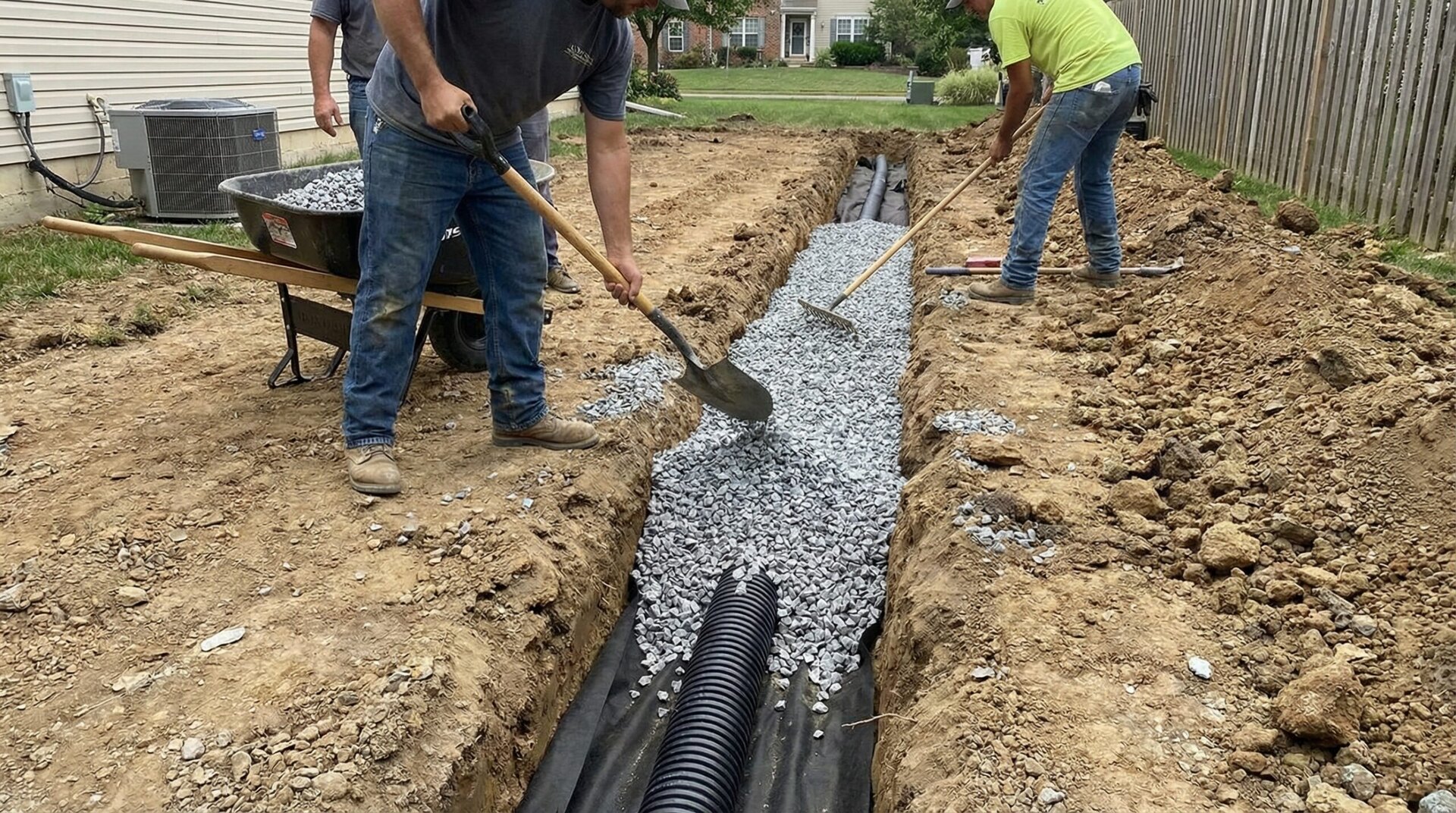
Beyond construction, #610 limestone gravel excels in landscaping applications where both function and appearance matter. French drains and other subsurface drainage systems rely on its ability to allow water flow while filtering out fine particles that could cause clogging.
Garden pathways and patio bases benefit from the material’s natural appearance and excellent drainage. Unlike organic mulches, limestone gravel won’t decompose or require frequent replacement. The neutral color complements most landscape designs without overwhelming plantings. For smaller decorative applications, you might consider #89 limestone pea gravel as an alternative.
For areas prone to erosion, #610 limestone provides effective slope stabilization. The interlocking particles resist washout while allowing controlled water infiltration. This makes it valuable for swales, retention areas, and other stormwater management features.
Cost considerations and value comparison
Current pricing for #610 limestone gravel typically ranges from $25 to $35 per ton, depending on your location and quantity ordered. Transportation costs significantly impact the final price, especially for smaller orders or remote locations. Most suppliers offer bulk discounts that can reduce per-ton costs by 10-15% for orders over 20 tons.
| Aggregate Type | Price Range (per ton) | Best Use | Compaction Rating |
|---|---|---|---|
| #610 Limestone | $25-$35 | Road base, driveways | Excellent |
| #57 Limestone | $22-$30 | Drainage, concrete | Good |
| Crushed Concrete | $15-$25 | Base layer | Fair |
| River Gravel | $30-$45 | Decorative | Poor |
When calculating project costs, factor in delivery charges, which typically add $50-$100 depending on distance and load size. Installation costs vary by region but generally range from $2-$4 per square foot for professional placement and compaction.
The long-term value of #610 limestone often exceeds cheaper alternatives. Its durability and stability reduce maintenance needs, while proper drainage characteristics prevent costly repairs from water damage or frost heaving. If you’re comparing options, learning about 610 limestone vs crushed limestone can clarify which product best suits your needs.
Getting the most from your limestone gravel investment
Proper installation maximizes the performance and lifespan of #610 limestone gravel. Start with adequate excavation to remove organic material and create a stable subgrade. The recommended depth varies by application, but most driveways require 4-6 inches of compacted limestone.
Moisture content during installation affects compaction quality. The limestone should be slightly damp but not saturated when you compact it. Most contractors add water during placement to achieve optimal moisture levels for maximum density.
Installation Insight: Achieving 95% compaction density requires multiple passes with appropriate equipment and proper moisture content throughout the process.
Regular maintenance extends the life of limestone gravel installations. Annual grading removes surface irregularities, while occasional addition of fresh material maintains proper depth and drainage. Unlike asphalt or concrete, limestone gravel allows for easy repairs and modifications as needs change.
The versatility and proven performance of #610 limestone gravel make it an excellent choice for various construction and landscaping projects. Its balanced gradation, natural binding properties, and reasonable cost provide long-term value that justifies the initial investment. Whether you’re building a new driveway, installing drainage systems, or creating stable foundations, this aggregate delivers the reliability and durability your project demands. To explore more about the top uses of limestone in construction, you can discover additional applications for this versatile material.


 Chance Krittel
