What Type of Compost is Best for a Succulent Garden?
Published on: April 5, 2024
Get an estimate for your project in 60 seconds
 Your information is secure
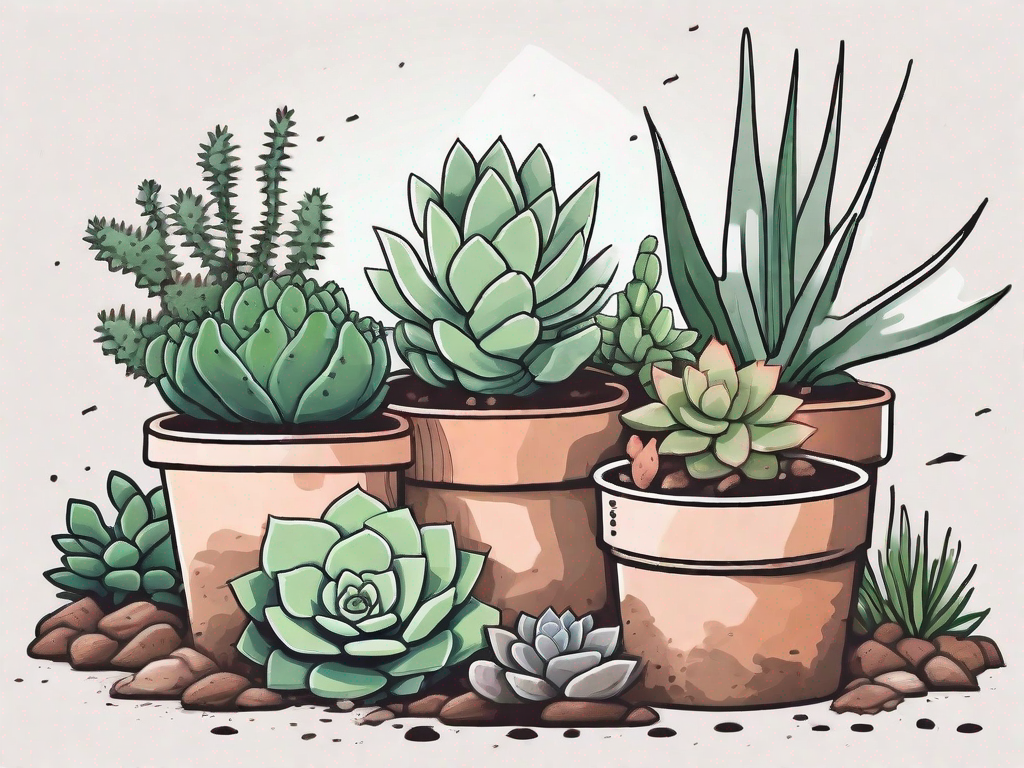
Succulents have become increasingly popular in gardens and households due to their unique beauty and low maintenance requirements. These plants have adapted to survive in arid environments by storing water in their leaves, stems, and roots. However, to thrive and reach their full potential, succulents need the right type of compost. In this article, we will explore the various compost options available and guide you in choosing the best one for your succulent garden.
Understanding the Needs of Succulents
Before delving into the world of compost, it is crucial to understand the specific requirements of succulents. These plants prefer well-draining soil that mimics the conditions found in their native habitats. Succulents are adapted to grow in sandy or rocky soils with low organic matter content. Therefore, it is essential to consider their soil preferences and watering requirements when selecting compost for your succulent garden.
Soil Preferences of Succulents
Succulents thrive in soil that provides adequate drainage. Sandy or gritty soil allows excess water to escape quickly, preventing waterlogged conditions that can lead to root rot. Additionally, succulents prefer soil with a slightly acidic to neutral pH range of 6.0 to 7.0. This pH range ensures that essential nutrients are readily available for uptake by the plants.
When it comes to soil composition, succulents have unique needs. Their roots require a well-draining medium that allows air to circulate freely. This is because succulents have evolved in arid environments where water is scarce, and their roots have adapted to absorb moisture efficiently when it is available. Sandy or rocky soils provide the necessary structure for the roots to grow and spread without becoming waterlogged.
In addition to proper drainage, succulents also benefit from soil that is low in organic matter. While organic matter is beneficial for many plants, succulents have adapted to thrive in nutrient-poor environments. Excessive organic matter can retain too much moisture and promote the growth of harmful fungi or bacteria that can damage the roots. Therefore, it is important to choose a compost that is specifically formulated for succulents, with a low organic matter content.
Watering Requirements for Succulents
One of the most common mistakes succulent owners make is overwatering. Succulents are drought-tolerant plants that have adapted to survive in dry conditions by storing water. Therefore, they require infrequent but deep watering. When choosing compost for your succulent garden, it is important to select one that promotes proper drainage and prevents water from pooling around the roots.
Watering succulents can be a delicate balance. While they need water to survive, too much water can be detrimental to their health. Overwatering can lead to root rot, which is a common cause of succulent decline. To prevent overwatering, it is recommended to water succulents thoroughly but infrequently. This allows the roots to absorb water deeply and encourages the development of a robust root system.
Another important factor to consider when watering succulents is the time of year and the environmental conditions. During the growing season, succulents may require more frequent watering as they actively grow and produce new leaves. However, during the dormant period, which typically occurs in winter, succulents require less water as their growth slows down. It is crucial to adjust your watering schedule accordingly to prevent waterlogged soil and potential damage to the plants.
When selecting compost for your succulent garden, look for a well-draining mix that is specifically formulated for succulents. These composts often contain materials such as sand, perlite, or pumice, which help improve drainage and prevent water from pooling around the roots. Additionally, some composts may also include ingredients that promote root development and provide essential nutrients for healthy growth.
The Importance of Compost for Succulent Growth
Now that we have a better understanding of what succulents need, let’s explore why compost is essential for their overall growth and health.
Nutrient Supply and Compost
Compost plays a vital role in providing essential nutrients to succulent plants. While succulents are adapted to nutrient-poor soils, they still require trace elements and organic matter for optimal growth. Compost, especially organic compost, enriches the soil with these essential nutrients, promoting strong root development and overall plant health.
Compost and Soil Structure
In addition to nutrient supply, compost also improves soil structure. Succulents thrive in well-draining soil with good aeration. Compost helps loosen compacted soil and improves its ability to retain moisture without becoming waterlogged. By adding compost to your succulent garden, you create a balanced environment that promotes healthy root growth and prevents root rot.
Different Types of Compost
When it comes to compost, there are various options available. Understanding the different types will help you make an informed decision for your succulent garden.
Organic Compost
Organic compost is made from plant materials such as yard waste, kitchen scraps, and manure. It is rich in organic matter and provides a slow release of nutrients to plants. This type of compost improves soil structure, moisture retention, and nutrient availability for succulent plants. Organic compost is an excellent choice for those looking for a natural and environmentally friendly option.
Inorganic Compost
Inorganic compost, also known as mineral compost, is made from materials such as vermiculite, perlite, or pumice. Unlike organic compost, it does not contain any plant-derived elements. Inorganic compost improves soil drainage and aeration, preventing waterlogged conditions. This type of compost is ideal for those who prefer a sterile and lightweight option.
Choosing the Right Compost for Your Succulents
With the different types of compost available, it is important to select the one that best suits your succulents’ needs.
Compost Selection Based on Succulent Variety
Consider the specific variety of succulents you have in your garden when choosing compost. Some succulents, such as cacti, prefer sandy soils, making inorganic compost a suitable choice. On the other hand, succulents that naturally grow in more organic-rich soils may benefit from the addition of organic compost to their planting mix. Research the specific needs of your succulents to make an informed decision.
Adjusting Compost Choice According to Climate
The climate in which your succulents are growing can also influence the type of compost you choose. In hot and humid climates, where moisture retention is more critical, incorporating more inorganic compost can help improve drainage and prevent waterlogged soil. In contrast, in drier climates, adding organic compost can provide the necessary nutrients and enhance water retention.
How to Mix Compost for Succulents
Now that you have selected the right compost for your succulents, it’s time to learn how to mix it properly.
Creating the Perfect Compost Blend
A well-balanced compost mix for succulents typically consists of a combination of organic and inorganic compost. Start by mixing equal parts of organic and inorganic compost, adjusting the ratio as per the needs of your succulents. You can also add coarse sand to improve drainage and promote aeration. Experiment with different ratios until you achieve a blend that provides the right moisture retention and drainage for your plants.
Tips for Compost Application
When applying compost to your succulent garden, ensure that it is evenly mixed throughout the planting area. Avoid covering the base of the plants with compost, as this can create a moist environment that is prone to rot. Instead, spread a thin layer of compost around the plants, leaving the crown and base exposed. This allows for adequate air circulation and helps prevent moisture-related issues.
Now armed with the knowledge of succulent requirements and the different types of compost available, you can confidently select the best compost for your succulent garden. Remember to consider the needs of your specific succulent varieties and the climate in which they are growing. By providing your succulents with the right compost, you are setting them up for healthy growth and beautiful displays of vibrant foliage. Happy gardening!
Get Your Premium Succulent Compost from Bulk Aggregate Supply
Ready to elevate your succulent garden with the perfect compost blend? Look no further than Bulk Aggregate Supply. As a leading nationwide supplier, we offer the highest quality aggregates to meet your gardening needs. Whether you’re working on a small personal project or a large-scale construction, our white glove service ensures a hassle-free experience. Simply visit our website to explore our products, request a quote, or place your order. Experience the convenience of having top-notch aggregates, including the ideal compost for your succulents, delivered directly to your doorstep. Check out our products today and let us help you create a thriving succulent oasis.
Author: alan