
Types of Landscaping Sand and How to Choose the Right One for Your Project
Choosing the right landscaping sand can transform your outdoor project from ordinary to exceptional. Whether you’re installing pavers, creating drainage solutions, or building garden pathways, the type of sand you select directly impacts both functionality and appearance.
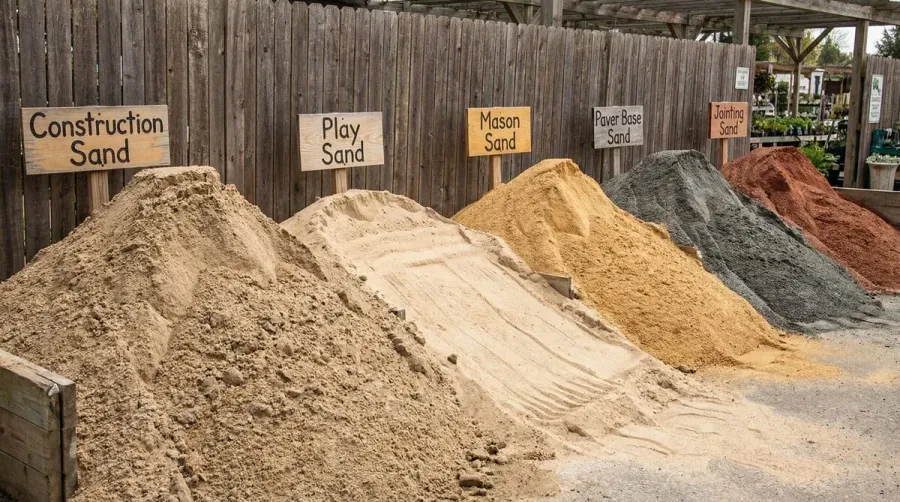
Quick Answer: The most common types of landscaping sand include construction sand (versatile for most projects), play sand (safe for children’s areas), mason sand (ideal for paver joints), and paver base sand (provides stable foundations). Your choice depends on project requirements, drainage needs, and intended use.
Understanding different sand types helps you make informed decisions that save time, money, and prevent project failures. This guide explores the main sand varieties, their specific applications, and practical tips for selection and installation.
Understanding Different Types of Landscaping Sand
Each sand type serves specific purposes based on its composition, grain size, and treatment process. Here’s what you need to know about the most common options.
Construction sand stands out as the most versatile choice for landscaping projects. Its coarse texture and durability make it perfect for creating stable foundations under patios, walkways, and driveways. The angular particles lock together well, providing excellent structural support that withstands heavy foot traffic and weather conditions. If you’re working on a construction project, learning about what types of sand are used in construction can help you make the best choice.Play sand undergoes special cleaning and screening processes to ensure safety for children. This fine-textured sand feels soft underfoot and works beautifully in sandboxes, playground areas, and decorative garden features. However, its fine particles make it less suitable for structural applications.Mason sand offers a middle ground between construction and play sand. Its uniform, medium-sized particles make it ideal for filling joints between pavers and bricks. This sand type also works well for creating smooth, level surfaces before installing outdoor features.
Paver base sand contains specific gradations designed for paver installations. Its coarse texture allows proper drainage while providing the stability needed for long-lasting paver projects. The angular particles create strong interlocking that prevents shifting over time. For more insights on foundation materials, explore the best type of aggregates for foundations.
Key Factors When Choosing Landscape Sand
Your project’s success depends on matching sand characteristics to specific requirements. Consider these essential factors during your selection process.
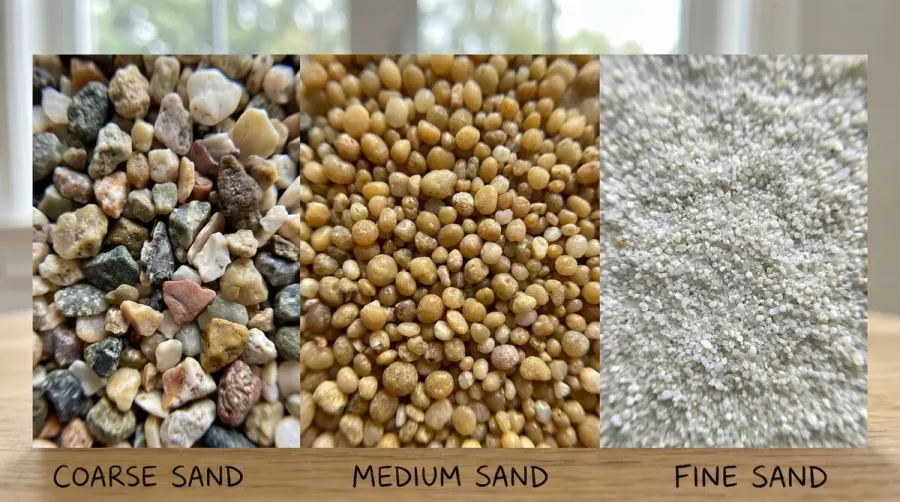
Particle size affects both drainage and stability. Coarse sands like construction sand improve drainage and provide better structural support, making them ideal for base layers. Understanding the differences between coarse sand soil and fine sand soil can help you determine which particle size best suits your project needs. Fine sands work better for leveling surfaces and filling small gaps but may retain more water.Color and appearance impact your landscape’s visual appeal. Natural sand colors range from light tan to gray, while some suppliers offer colored options. White fill sand and yellow sand are popular choices for specific aesthetic requirements. Lighter sands can make spaces appear larger and brighter, while darker sands create more dramatic contrasts with surrounding elements.
Drainage properties vary significantly between sand types. Projects requiring quick water drainage benefit from coarser sands, while areas needing moisture retention work better with finer particles. Consider your local climate and soil conditions when evaluating drainage needs. To protect your investment, you should also understand how to stop sand from washing away during heavy rains.
Pro Tip: Always request a small sample before purchasing large quantities. This allows you to test the sand’s appearance, texture, and drainage properties in your specific environment.
Budget considerations influence your final choice. Basic construction and play sands typically cost less than specialized options like decomposed granite or colored sands. To plan your budget effectively, check out how much does sand cost and the cost of bulk sand. Factor in delivery costs and required quantities when comparing prices from different suppliers.
Best Applications for Each Sand Type
Understanding where each sand type performs best helps ensure project success and longevity.
Construction sand excels in foundational applications where stability matters most. Use it for creating solid bases under concrete slabs, retaining walls, and heavy outdoor structures. Its durability also makes it suitable for high-traffic areas like driveways and commercial walkways.
Play sand works perfectly for family-friendly spaces and decorative applications. Beyond traditional sandboxes, consider it for zen gardens, between stepping stones, or as a soft surface around play equipment. Its safety features make it ideal anywhere children might play.
Mason sand shines in precision applications requiring smooth, even surfaces. Professional landscapers often choose it for final grading before sod installation, creating level patio bases, and filling gaps in hardscape projects. Its consistent particle size ensures uniform results.
Paver base sand provides the foundation for successful paver installations. Use it exclusively under pavers, permeable surfaces, and areas requiring both drainage and stability. Its specialized gradation prevents common paver problems like shifting and settling. For comprehensive information on paver foundations, read about the benefits of road base sand.
| Sand Type | Best Uses | Texture | Drainage | Cost Range |
|---|---|---|---|---|
| Construction | Foundations, walkways | Coarse | Excellent | $ |
| Play | Sandboxes, decorative | Fine | Poor | $ |
| Mason | Paver joints, leveling | Medium | Good | $$ |
| Paver Base | Paver foundations | Coarse | Excellent | $$ |
Installation and Maintenance Tips
Proper installation techniques ensure your sand performs as expected throughout your project’s lifespan.
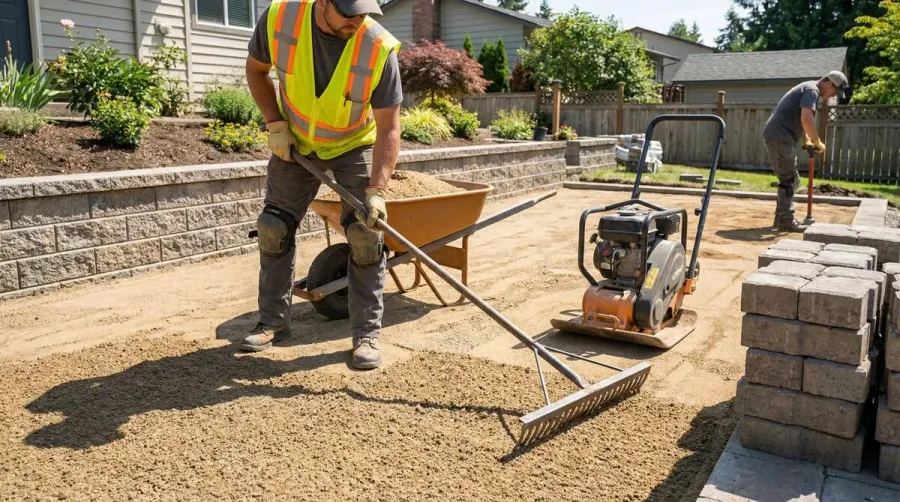
Preparation sets the foundation for success. Remove all vegetation, debris, and organic matter from the installation area. Level the surface using appropriate tools and compact the base soil to prevent future settling. This extra effort prevents common problems like uneven surfaces and premature sand displacement.
Application techniques vary by sand type and project requirements. Spread sand evenly using rakes or mechanical spreaders for larger areas. Work in sections to maintain consistent depth and avoid overcompaction. For paver projects, follow manufacturer specifications for sand depth and compaction requirements.
Maintenance practices keep your sand landscape looking professional. Regular raking prevents compaction and maintains proper drainage. Remove weeds promptly to prevent root systems from destabilizing the sand base. Add fresh sand annually to areas experiencing natural settling or erosion.
Maintenance Reminder: Schedule quarterly inspections to identify and address issues before they become costly problems. Look for signs of erosion, weed growth, or uneven settling.
Weather protection extends sand life significantly. Cover exposed sand during heavy rains to prevent washout. Install proper edging materials to contain sand and prevent migration into adjacent areas. Consider drainage solutions for areas prone to water accumulation.
Getting Started with Your Sand Project
Selecting the right landscaping sand transforms your outdoor vision into reality. Remember that quality materials and proper installation techniques work together to create lasting results that enhance your property’s value and enjoyment.
Start by clearly defining your project goals and requirements. Measure the area accurately and calculate sand quantities using online calculators or professional guidance. This preparation helps you order the right amount and avoid costly delays or shortages. If you need assistance determining quantities, learn how heavy is a yard of sand to better estimate your needs.
Ready to begin your landscaping project with premium sand? Hello Gravel delivers high-quality landscaping materials nationwide, ensuring you receive the right sand type for your specific needs. Whether you need bulk sand delivery or just a yard of sand delivered, our experienced team helps match your project requirements with the perfect sand solution, backed by reliable delivery and exceptional customer service.
FAQ
What is the best sand for paver installation?
Paver base sand is the best choice for paver installation. Its coarse texture and angular particles create strong interlocking that prevents shifting over time while providing excellent drainage. The specialized gradation is specifically designed for paver foundations, ensuring long-lasting stability under heavy foot traffic and weather conditions.
Can I use play sand for landscaping projects?
Play sand works well for specific landscaping applications like sandboxes, zen gardens, and decorative features between stepping stones. However, its fine particles make it less suitable for structural applications like foundations or walkways. For projects requiring stability and drainage, choose coarser sands like construction or mason sand instead.
How much sand do I need for my landscaping project?
The amount of sand needed depends on your project area and desired depth. Generally, one ton of sand covers approximately 100 square feet at 2 inches deep. Measure your project area accurately and multiply by the recommended depth for your specific application. Use online calculators or consult with suppliers for precise quantity estimates to avoid shortages or excess material.
What type of sand provides the best drainage for landscaping?
Construction sand and paver base sand provide the best drainage for landscaping projects. Their coarse texture and angular particles create spaces that allow water to percolate quickly, preventing pooling and erosion. These sand types are ideal for areas prone to water accumulation, under patios, walkways, and for amending clay soils that need improved drainage.