The Ultimate Guide to Wholesale Decorative Stone
Published on: February 26, 2024
Get an estimate for your project in 60 seconds
 Your information is secure
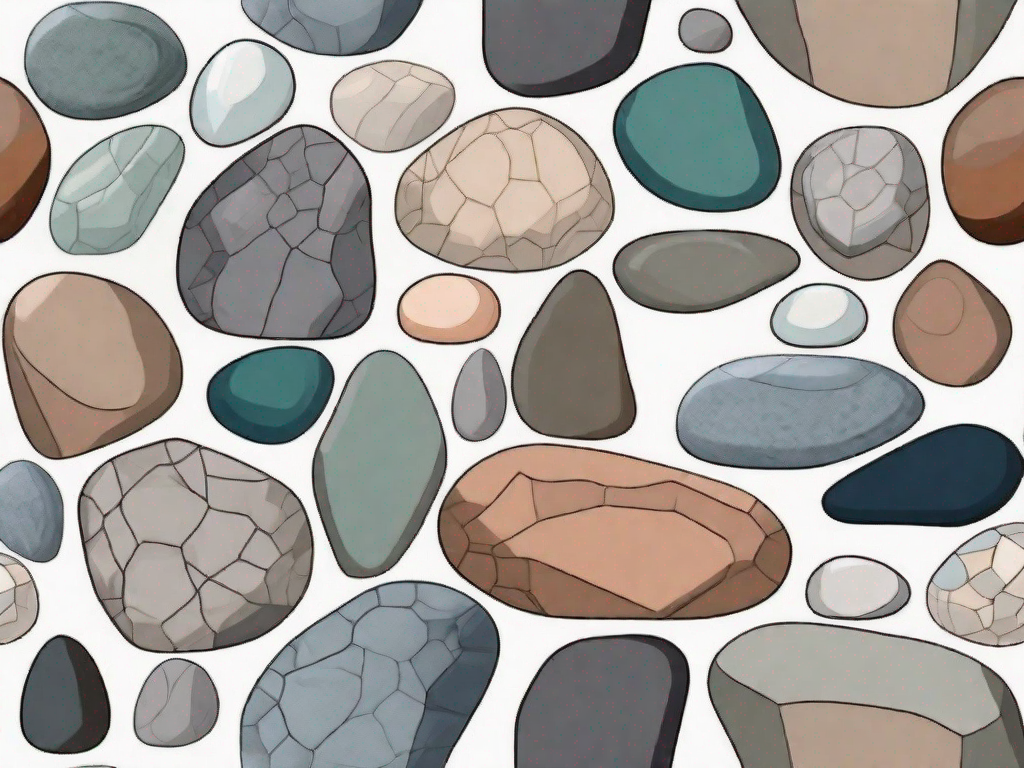
Wholesale decorative stone can add a touch of elegance and charm to any indoor or outdoor space. Whether you’re a homeowner looking to improve your property or a contractor in need of reliable materials, understanding the ins and outs of decorative stone can help you make informed decisions and achieve stunning results.
Understanding Decorative Stone
Decorative stone, also known as landscaping stone or ornamental stone, refers to natural or manufactured stones used to enhance the aesthetic appeal of landscapes, gardens, and indoor spaces. It comes in a variety of sizes, shapes, colors, and textures, making it a versatile choice for various design preferences.
When it comes to choosing the right decorative stone, you have a wide range of options to explore. Some commonly used types include:
- 1. River Rock: Smooth, rounded stones that add a natural look to landscapes.
- 2. Crushed Stone: Broken down into various sizes, this stone is ideal for driveways, pathways, and garden borders.
- 3. Flagstone: Flat, irregular-shaped stones perfect for creating walkways and patios.
- 4. Gravel: Small stones used to create a low-maintenance ground cover or decorative feature.
Each type of decorative stone brings its own unique characteristics to a landscape or indoor space. River rock, for example, not only adds a natural look but also creates a soothing sound when water flows over it in a garden fountain or water feature. Crushed stone, on the other hand, provides a stable and durable surface for driveways and pathways, ensuring safe and easy access to different areas of your property.
Flagstone, with its irregular shape and natural colors, adds a rustic charm to walkways and patios. Its versatility allows for creative designs, as you can arrange the stones in various patterns or create a mosaic-like effect. Gravel, with its small size, can be used to create a low-maintenance ground cover that helps with weed control and water drainage. It can also be used as a decorative feature, adding texture and visual interest to a garden or outdoor space.
Decorative stone offers numerous benefits, making it a popular choice among homeowners, landscapers, and designers alike. Some key advantages include:
- 1. Durability: Decorative stone is built to withstand the test of time, making it a long-lasting investment. Whether it’s exposed to harsh weather conditions or heavy foot traffic, decorative stone maintains its beauty and functionality.
- 2. Low Maintenance: Once installed, decorative stone requires minimal upkeep, saving you time and effort. Unlike grass or other ground covers that need regular mowing, watering, and fertilizing, decorative stone only needs occasional cleaning and removal of debris.
- 3. Versatility: It can be used in various outdoor and indoor applications, allowing for creative designs. Whether you want to create a stunning garden pathway, a cozy outdoor seating area, or an eye-catching fireplace surround, decorative stone can be adapted to suit your specific needs and preferences.
- 4. Eco-Friendly: Many types of decorative stone are made from natural materials, making them a sustainable choice. By using decorative stone in your landscaping or interior design projects, you can reduce your environmental impact and contribute to a greener future.
Furthermore, decorative stone can also help with water conservation. Its porous nature allows rainwater to seep into the ground, replenishing the groundwater supply and reducing the need for irrigation. This not only saves water but also helps prevent soil erosion and runoff, promoting a healthier and more sustainable environment.
In conclusion, decorative stone is a versatile and aesthetically pleasing choice for enhancing the beauty of landscapes, gardens, and indoor spaces. With its wide range of options and numerous benefits, it’s no wonder that decorative stone is a popular and enduring element in design.
Sourcing Wholesale Decorative Stone
When it comes to sourcing wholesale decorative stone, there are a few factors to consider to ensure you find the right supplier and materials for your project.
Decorative stone can add a touch of elegance and beauty to any space. Whether you are working on a landscaping project or designing an interior space, finding the perfect decorative stone is essential. However, with so many suppliers out there, it can be overwhelming to choose the right one. That’s why it’s important to consider the following factors when selecting a supplier.
Factors to Consider When Choosing a Supplier
1. Reputation and Experience: Look for suppliers with a proven track record and extensive industry experience. A supplier with a good reputation is more likely to provide high-quality products and excellent customer service. You can check online reviews and ask for recommendations from other professionals in the industry.
2. Product Quality: Inspect samples and inquire about the quality standards followed by the supplier. You want to make sure that the decorative stone you purchase is durable, long-lasting, and meets your aesthetic requirements. Ask the supplier about the source of their stone and if they conduct any quality control tests.
3. Range of Options: Choose a supplier that offers a wide variety of decorative stone to cater to your specific needs. Different projects require different types of stone, such as granite, marble, or limestone. Having a supplier that offers a diverse range of options allows you to find the perfect stone that complements your design vision.
4. Customer Support: Consider the level of customer support provided by the supplier. Do they offer assistance in selecting the right stone for your project? Are they responsive to inquiries and concerns? A supplier that values customer satisfaction and provides excellent support can make the sourcing process much smoother.
Negotiating Prices and Contracts
When purchasing wholesale decorative stone, it’s crucial to negotiate prices and clarify contractual terms to protect your interests.
1. Price Negotiation: Compare prices from different suppliers and negotiate discounts for bulk purchases. Wholesale purchases often come with the advantage of lower prices, but it’s always worth exploring the market and finding the best deal. Be prepared to negotiate and don’t hesitate to ask for better pricing options.
2. Quality Assurance: Ensure the contract includes guarantees for product quality and timely delivery. You want to have peace of mind knowing that the decorative stone you receive will meet your expectations. The contract should outline the quality standards that the supplier adheres to and specify the consequences if they fail to meet those standards.
3. Return Policies: Clarify the supplier’s return policy in case you encounter any discrepancies with the delivered stones. Despite careful selection and quality control, there may be instances where the delivered stone does not match your expectations. It’s important to have a clear understanding of the return policy to avoid any potential disputes or inconveniences.
4. Payment Terms: Discuss and agree upon the payment terms with the supplier. Some suppliers may require a deposit upfront, while others may offer flexible payment options. It’s important to establish a mutually beneficial payment arrangement that works for both parties.
By considering these factors and negotiating the right terms, you can ensure a successful sourcing experience for wholesale decorative stone. Take your time to research and communicate with different suppliers to find the one that best fits your project’s requirements. With the right supplier, you can bring your design vision to life with beautiful and high-quality decorative stone.
Quality Assessment of Decorative Stone
Ensuring that the decorative stone you’re purchasing is of high quality is essential to achieving the desired aesthetic and durability. Here are a few tips to help you assess the quality of decorative stone:
Identifying High-Quality Stone
1. Appearance: Inspect the stone for color consistency, smooth texture, and absence of cracks or chips.
2. Density and Weight: High-quality stone feels dense and heavy, indicating durability.
3. Durability: Test the stone’s resistance to scratches and impact to evaluate its strength.
Common Defects in Decorative Stone
Even with careful selection, decorative stone may occasionally have defects that could affect its performance and appearance. Be aware of common defects, such as:
- 1. Veins and Fissures: Natural stones may have naturally occurring veins and fissures, which can add character but may affect the stone’s strength.
- 2. Discoloration: Some stones may exhibit color variations due to mineral or chemical composition.
- 3. Porosity: Porous stone can absorb moisture, leading to potential damage over time.
Storing and Handling Decorative Stone
Proper storage and handling techniques are crucial to preserving the integrity of decorative stone and ensuring its longevity.
Proper Storage Techniques
1. Covered Storage: Store decorative stone in a covered area away from direct sunlight and moisture.
2. Even Surface: Keep the stone on a stable, level surface to prevent it from shifting or falling.
3. Separation: Use dividers or pallets to prevent direct contact between stacked stones, reducing the risk of damage.
Safe Handling and Transportation
1. Safe Lifting: When lifting heavy stones, use proper lifting techniques and, if needed, mechanical aids.
2. Protective Gear: Wear gloves and goggles to protect your hands and eyes when handling stone.
3. Secure Transportation: When transporting decorative stone, secure it properly to prevent shifting or damage during transit.
Marketing and Selling Decorative Stone
If you’re in the business of selling decorative stone, identifying your target market and implementing effective marketing strategies is key to attracting customers and achieving success.
Target Market Identification
1. Homeowners: Market your decorative stone to homeowners looking to enhance their landscape or renovate their home.
2. Landscapers and Contractors: Create partnerships with landscaping companies and contractors who frequently use decorative stone in their projects.
3. Retailers: Establish relationships with retailers who sell landscaping and building materials.
Effective Marketing Strategies
1. Online Presence: Create a visually appealing website showcasing your decorative stone and its applications.
2. Social Media Advertising: Utilize social media platforms to reach a wider audience and showcase your projects and testimonials.
3. Networking: Attend industry trade shows and events to connect with potential customers and partners.
In conclusion, wholesale decorative stone offers a wide array of options to transform any space into a stunning oasis. By understanding the types, benefits, sourcing considerations, quality assessment, storage techniques, and effective marketing strategies, you can embark on your wholesale decorative stone journey with confidence and create captivating landscapes and designs.
Start Your Decorative Stone Project with Bulk Aggregate Supply
Ready to elevate your space with the highest quality decorative stone? Look no further than Bulk Aggregate Supply, your nationwide provider of premium aggregates. Experience our white-glove service and let us streamline your project, from the initial quote to the final delivery. Whether it’s for a charming garden path or a grand civil construction project, we’ve got you covered. Check out our products today and take the first step towards transforming your landscape with ease and excellence.
Author: alan