The Different Types of Gravel Rock: A Comprehensive Guide
Published on: March 4, 2024
Get an estimate for your project in 60 seconds

Gravel rock is a versatile material that is widely used in various construction and landscaping projects. Its durability, affordability, and aesthetic appeal make it a popular choice for both residential and commercial applications. In this comprehensive guide, we will explore the different types of gravel rock, their formation, importance, classification, and how to choose the right gravel rock for your project.
Understanding Gravel Rock
Before delving into the various types of gravel rock, it is essential to understand what gravel rock is and how it is formed. Gravel rock is a loose aggregate composed of small fragments of stone, rock, and other minerals. These fragments are usually angular in shape, ranging in size from small pebbles to larger stones.
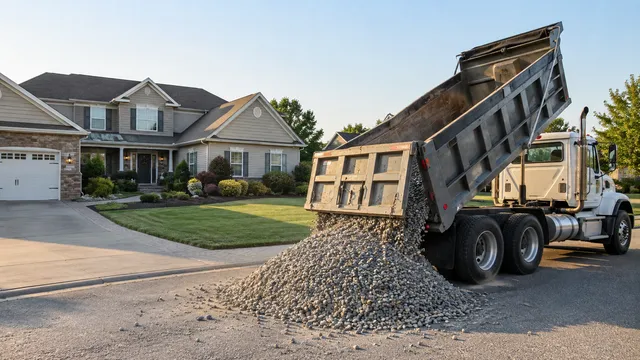
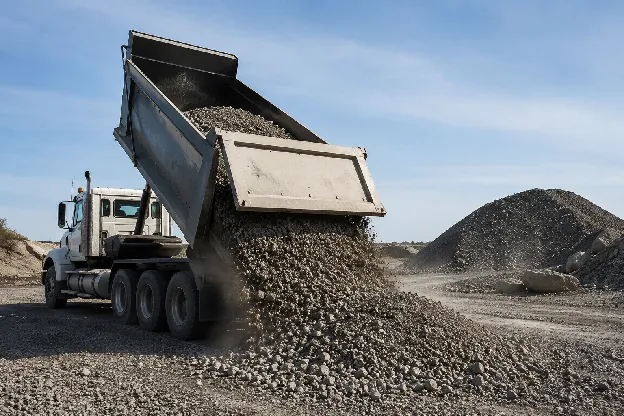
Gravel rock plays a crucial role in various industries and applications. It is commonly used in construction projects, such as roadways, driveways, and pathways, due to its durability and ability to withstand heavy loads. Additionally, gravel rock is utilized in landscaping projects to create decorative features like garden paths, rock gardens, and dry riverbeds.
What is Gravel Rock?
Gravel rock is derived from the natural erosion and weathering of larger rocks, typically through the action of water. Over time, these rocks are broken down into smaller fragments, which are then transported by rivers, streams, and glaciers.
The process of erosion and weathering is driven by various factors, including temperature changes, wind, and chemical reactions. As these forces act upon the rocks, they gradually weaken and disintegrate, resulting in the formation of gravel rock.
The Formation of Gravel Rock
The formation of gravel rock involves a complex geological process that begins with the initial weathering of larger rocks. As the weathered fragments are transported by natural forces, they undergo further abrasion and rounding, ultimately resulting in gravel rock.
When the weathered fragments are carried by rivers and streams, they are subjected to constant movement and friction against other rocks and sediments. This continuous rubbing and grinding action further breaks down the fragments, smoothing their surfaces and giving them their characteristic rounded shape.
Glaciers also play a significant role in the formation of gravel rock. As glaciers move, they transport rocks and sediments, causing them to collide and break apart. The immense pressure exerted by the moving ice helps to crush and fragment the rocks, contributing to the formation of gravel rock.
It is worth noting that the composition of gravel rock can vary depending on the geological source. Different types of rocks, such as granite, limestone, and sandstone, can give rise to distinct varieties of gravel rock, each with its own unique characteristics and appearance.
In conclusion, gravel rock is a versatile and widely used aggregate that is formed through the natural processes of erosion, weathering, and transportation. Its durability, varied composition, and aesthetic appeal make it a valuable resource in construction and landscaping projects.
The Importance of Gravel Rock
Gravel rock is an essential material in various construction and landscaping applications. Its importance lies in its ability to provide stability, support, drainage, and aesthetic appeal to different projects.
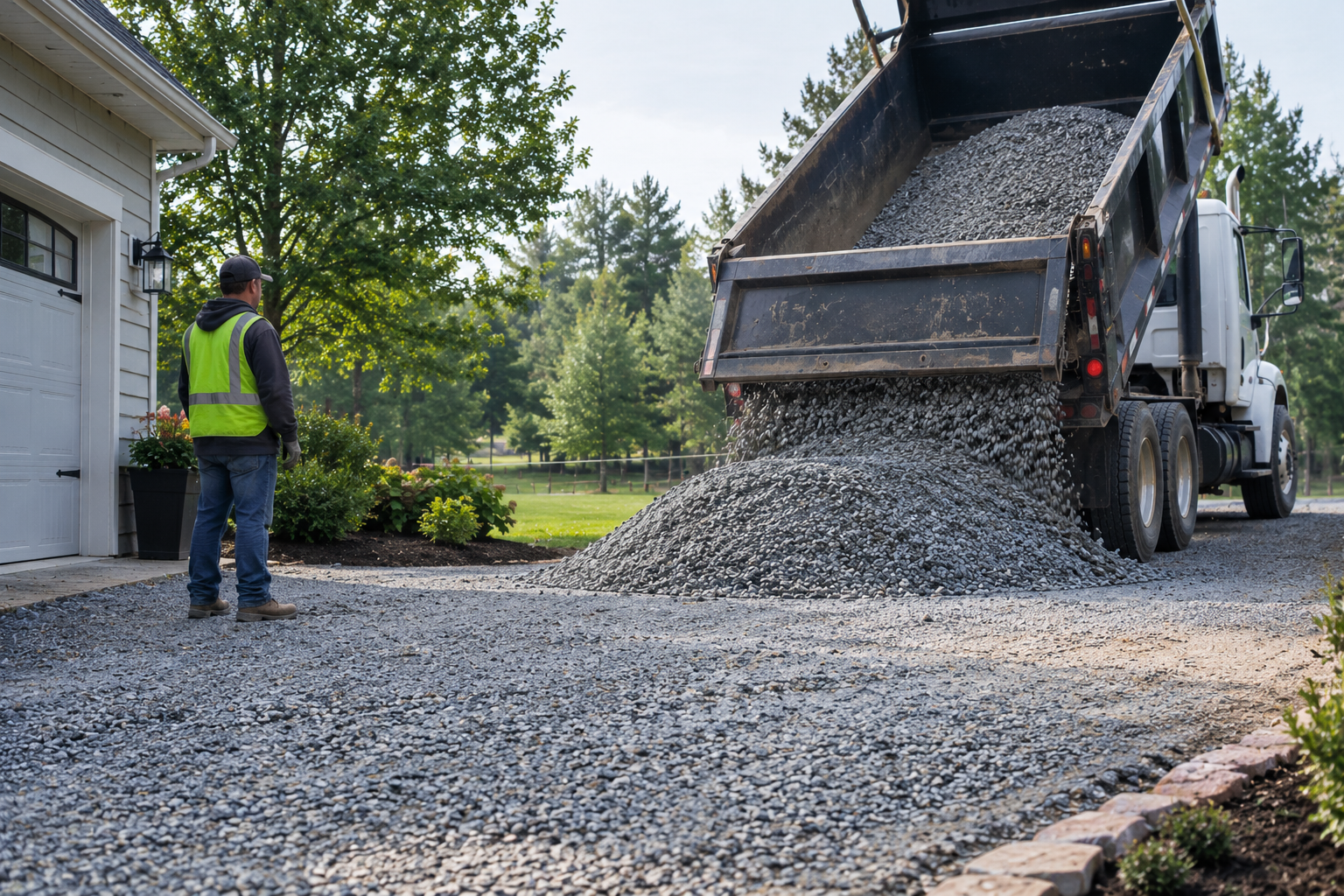
When it comes to construction, gravel rock is more than just a pile of stones. It serves as the backbone of many structures, providing a solid foundation that can withstand the test of time. Whether it’s used as a base material for roads, driveways, or foundations, gravel rock offers unmatched stability and durability. Its interlocking nature creates a sturdy surface that can handle heavy loads and withstand the constant traffic of vehicles.
But the uses of gravel rock in construction go beyond just providing a stable surface. It also plays a crucial role in the production of concrete and asphalt. By adding gravel rock to these materials, their strength and durability are significantly enhanced. This makes them more resistant to cracking, weathering, and other forms of wear and tear. So, the next time you drive on a smooth and sturdy road or walk on a solid concrete sidewalk, remember that gravel rock played a part in making it possible.
When it comes to landscaping, gravel rock is a versatile material that can transform any outdoor space. Its natural texture and color add visual interest and create a unique aesthetic appeal. Whether you’re designing a garden, a backyard oasis, or a public park, gravel rock can be used in various ways to enhance the overall look and feel.
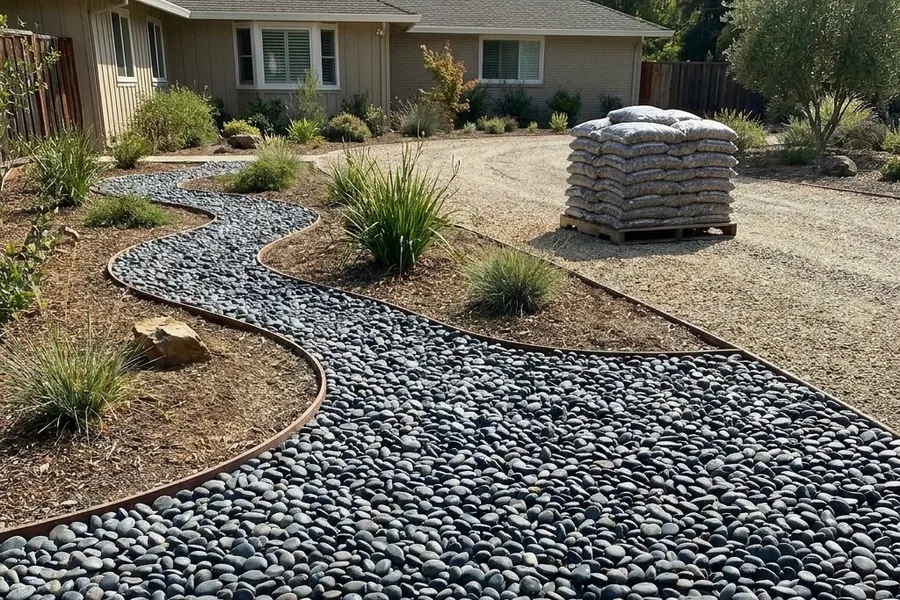
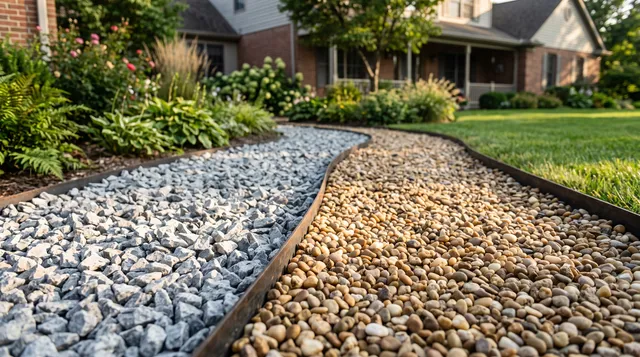
One of the most common uses of gravel rock in landscaping is for pathways. By laying down a layer of gravel, you can create a defined walkway that guides people through the space. The crunching sound of footsteps on gravel adds a sensory element to the experience, making the journey more enjoyable. Additionally, gravel pathways are easy to maintain and can withstand heavy foot traffic without losing their charm.
Garden borders are another area where gravel rock shines. By using gravel as a border material, you can create a clean and defined separation between different areas of your garden. The contrast between the gravel and the surrounding plants adds visual interest and helps highlight the beauty of your greenery. Plus, gravel rock acts as a natural weed barrier, reducing the need for constant maintenance.
But gravel rock isn’t just limited to pathways and garden borders. It can also be used as a decorative feature in landscaping. Whether it’s creating a dry riverbed, a rock garden, or a focal point in your outdoor space, gravel rock offers endless design possibilities. Its versatility allows you to play with different sizes, colors, and textures, creating a unique and personalized landscape that reflects your style and taste.
So, the next time you see a construction site or walk through a beautifully landscaped garden, take a moment to appreciate the importance of gravel rock. From providing stability and support to enhancing the visual appeal, this humble material plays a vital role in shaping our built environment and natural landscapes.
Classifying Gravel Rock
To better understand gravel rock, it is helpful to classify it based on size and shape. This classification helps identify the most suitable type of gravel rock for specific applications.
Gravel rock is a versatile material that is commonly used in construction, landscaping, and road building. It is composed of various types of rock, including limestone, granite, and sandstone, which give it its characteristic appearance and durability.
Size-Based Classification
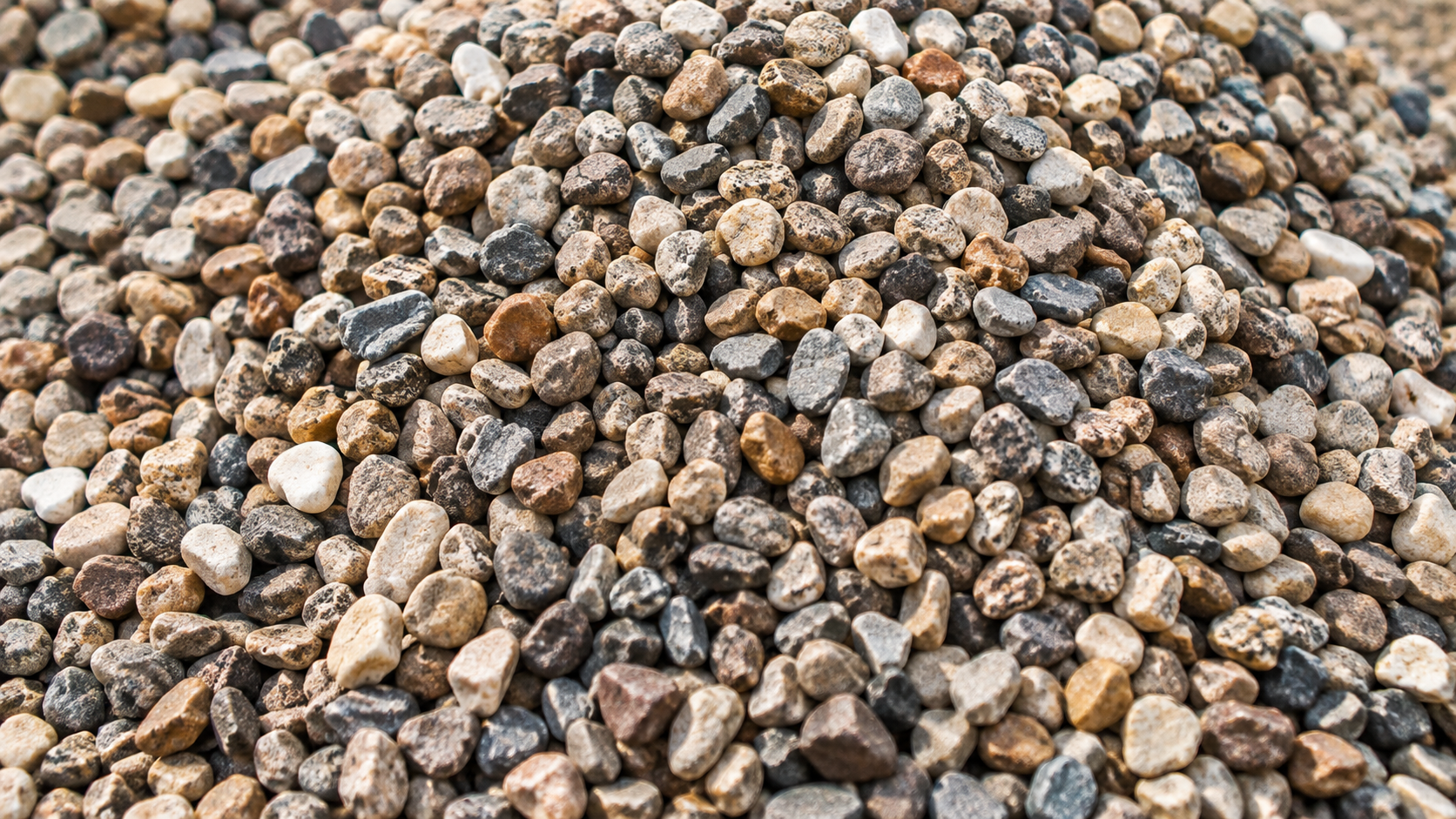
Gravel rock can be classified into different sizes, ranging from fine gravel to coarse gravel. Fine gravel, also known as pea gravel, consists of small, rounded fragments typically measuring less than 3/8 inch in diameter. This type of gravel is often used for decorative purposes, such as in garden beds or pathways. Its smooth texture and small size make it comfortable to walk on and visually appealing.
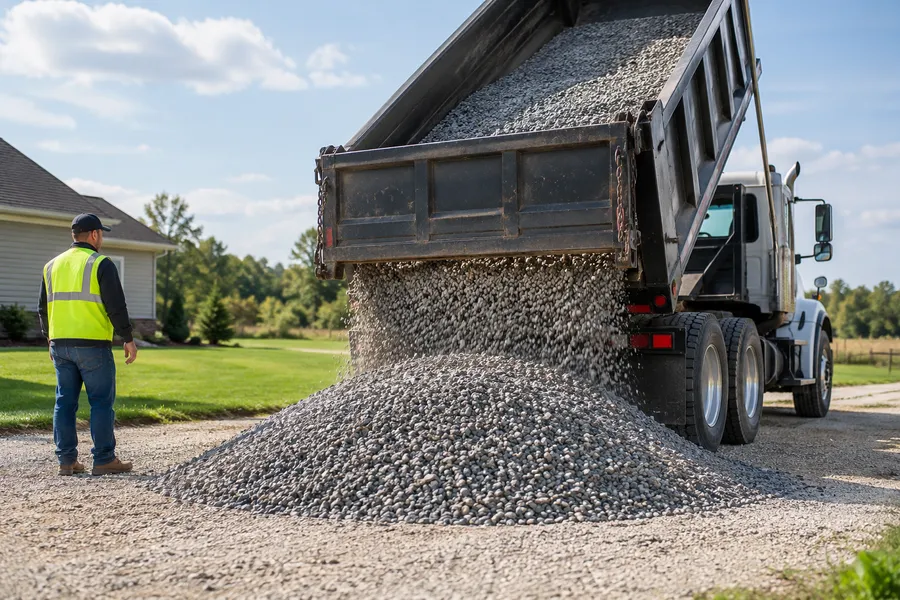
Coarse gravel, on the other hand, includes larger fragments that can range from 3/8 inch to several inches in diameter. This type of gravel is commonly used for drainage purposes, as the larger fragments allow water to flow through more easily. It is also used as a base material for driveways and roads, providing stability and support.
Shape-Based Classification
In addition to size, gravel rock can also be classified based on its shape. The shape of the individual fragments can influence the overall appearance and performance of the gravel rock.
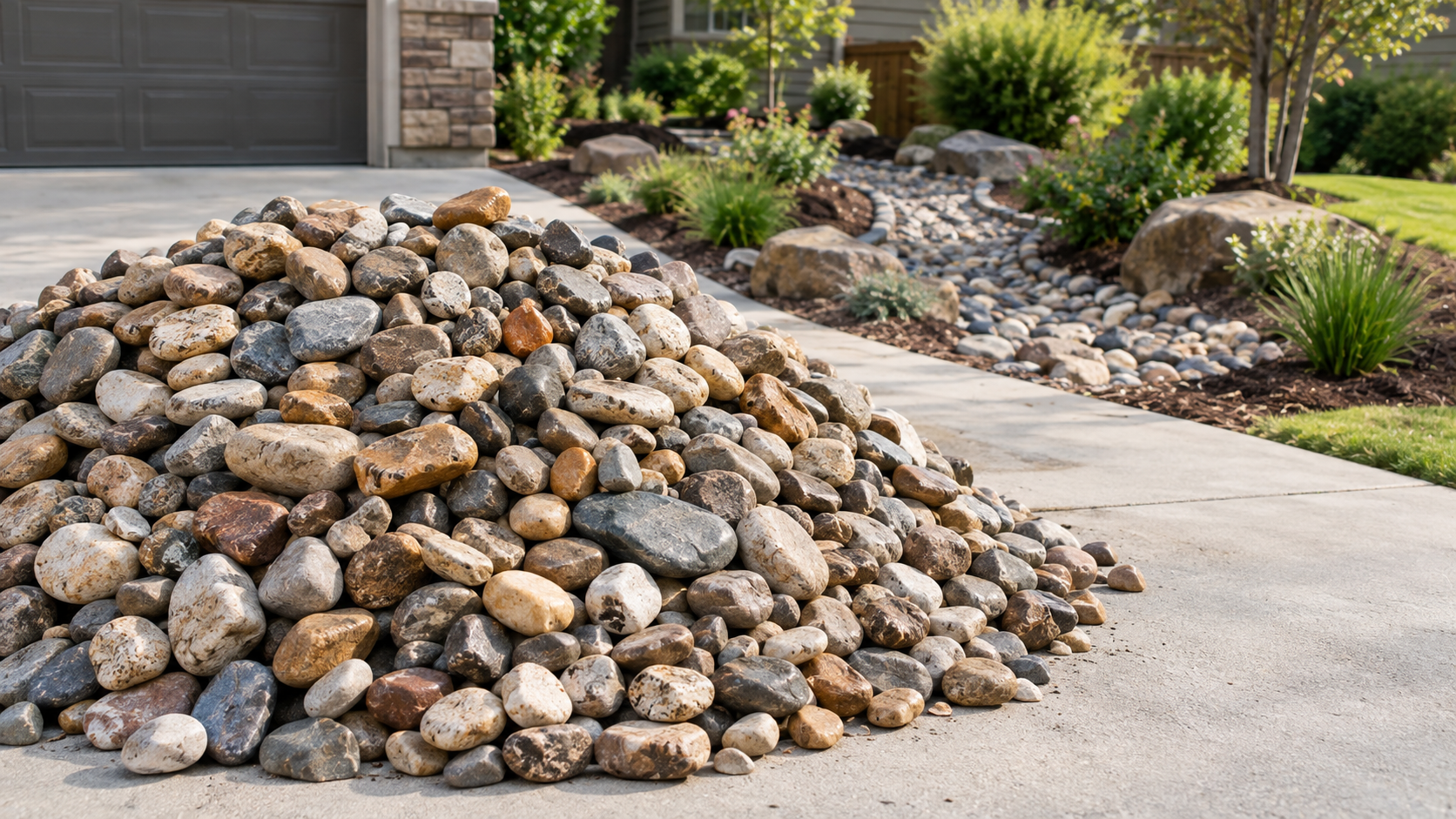
Rounded fragments are smooth and have been naturally shaped by water erosion. They are often found in riverbeds and have a more natural and organic look. This type of gravel is commonly used in landscaping projects, such as creating dry creek beds or accentuating water features.
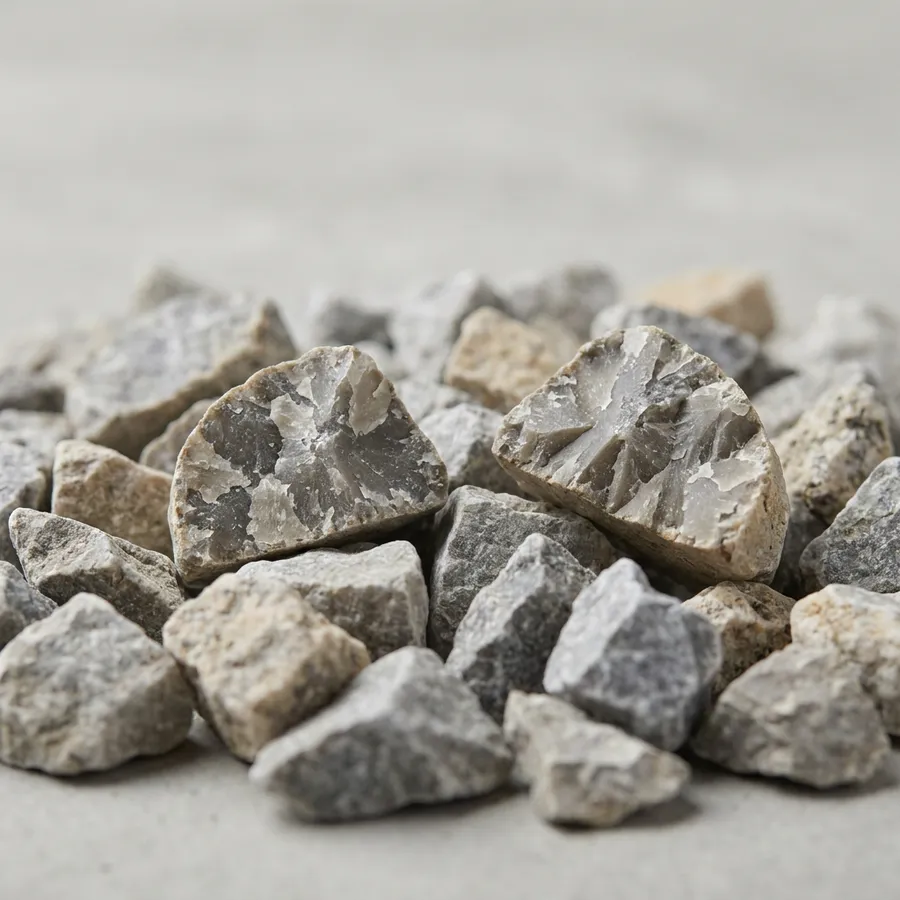
Angular fragments, on the other hand, have sharp edges and corners. They are often crushed and mechanically shaped, giving them a more uniform appearance. Angular gravel is commonly used in construction projects, such as for making concrete or as a base material for roads and driveways. Its interlocking nature provides stability and prevents shifting.
Flat fragments are thin and have a smooth surface. They are often used for decorative purposes, such as in exposed aggregate concrete or as a top layer for pathways and patios. Flat gravel fragments create a visually appealing surface and are comfortable to walk on.
By classifying gravel rock based on both size and shape, it becomes easier to select the most appropriate type for a specific project. Whether you need fine pea gravel for a garden or angular gravel for a road, understanding the different classifications will help you make an informed decision.
Detailed Overview of Gravel Rock Types
There are several types of gravel rock, each with its own distinct characteristics and applications. Let’s explore some of the most commonly used types:
Pea Gravel
Pea gravel consists of smooth, rounded fragments that are often used for decorative purposes. Its small size and attractive appearance make it ideal for pathways, flowerbeds, and drainage applications.
Crushed Stone Gravel
Crushed stone gravel is made by crushing larger rocks into smaller fragments. It is commonly used as a base material for driveways, roads, and walkways. Its rough texture and angular shape provide excellent compaction and stability.
River Rock Gravel
River rock gravel is naturally rounded by the action of flowing water. Its smooth and polished surface adds a decorative touch to landscaping projects, including water features, garden borders, and rockeries.
Decomposed Granite Gravel
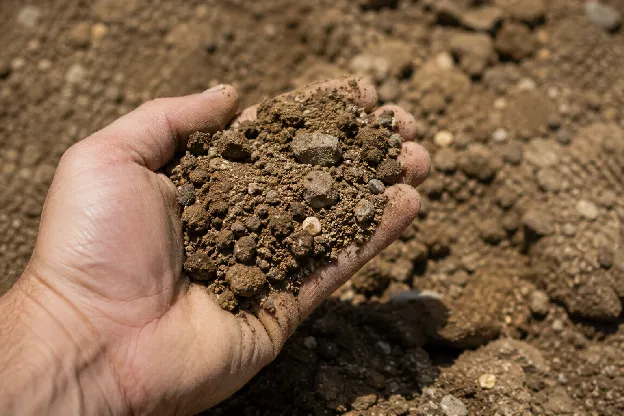
Decomposed granite gravel is produced by weathering and erosion of granite rocks. It has a sandy texture and is commonly used for pathways and patios. Its natural earthy tones blend well with various landscape designs.
Choosing the Right Gravel Rock
When selecting gravel rock for your project, it is important to consider several factors to ensure the best results:
Factors to Consider
Consider the intended use of the gravel rock, the desired aesthetic appearance, the load-bearing requirements, and the climate conditions. These factors will influence the size, shape, and type of gravel rock that is most suitable for your project.
Matching Gravel Rock to Your Project
By understanding the different types of gravel rock and their characteristics, you can make an informed decision when choosing the most appropriate gravel rock for your project. Whether it is for a construction endeavor or a landscaping project, there is a gravel rock type that will meet your specific needs and deliver the desired aesthetic appeal.
In conclusion, gravel rock is a versatile material that offers numerous benefits in construction and landscaping projects. Its various types, formed through natural processes, allow for diverse applications and creative design solutions. By understanding the different types of gravel rock, their formation, importance, and classification, you can confidently select the right gravel rock for your next project, ensuring both functionality and aesthetic appeal.
Start Your Project with Premium Gravel Rock from Bulk Aggregate Supply
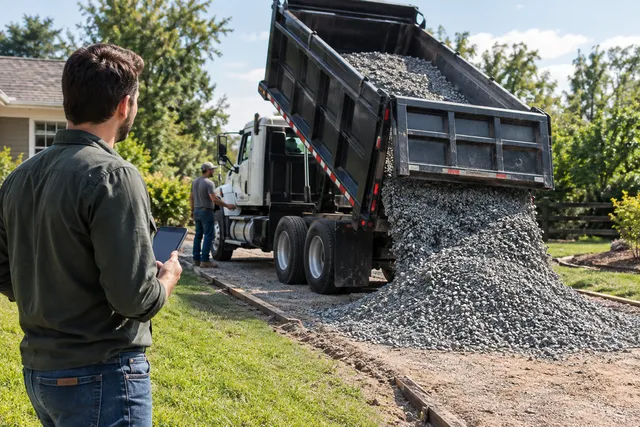
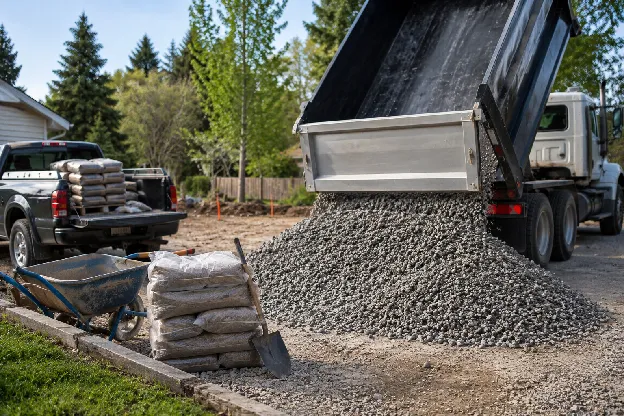
Now that you’re equipped with knowledge about the various types of gravel rock and their applications, it’s time to bring your project to life with the highest quality materials. Bulk Aggregate Supply is your nationwide, white-glove service provider for all aggregate needs. From the comfort of your home or office, you can easily request a quote or place an order on our website for top-tier gravel, rock, sand, and more. Whether you’re working on a small driveway or a large civil construction project, we deliver excellence right to your doorstep. Don’t settle for anything less than the best. Check out our products today and experience the seamless solution to purchasing aggregates online.
Author: alan